Support

Horta

About

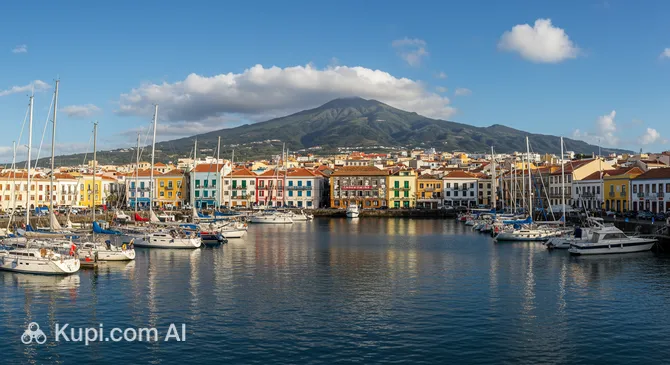
Horta is a picturesque and vibrant city located on the island of Faial within the stunning Azores archipelago. Renowned as a legendary stopover for transatlantic sailors, this charming municipality offers a unique blend of cosmopolitan atmosphere and serene island beauty. As part of Portugal, Horta serves as a delightful gateway to the central group of the Azores, boasting a mild maritime climate that makes it a pleasant destination year-round.

Horta. Source: Kupi.Binoculars

With a population of approximately 15,000 residents, the city feels intimate yet lively, centered around its world-famous harbor. The history of Horta is deeply intertwined with the sea, having served as a crucial hub for whaling fleets, submarine cable companies, and early aviation. Today, its rich maritime heritage is visible in every corner, from the architecture of its old town to the stories shared by locals.

One of the city's most iconic features is the Horta Marina, where sailors from around the globe leave colorful paintings on the jetty walls as a superstition for a safe journey. Visitors should not miss the legendary Peter Café Sport, a historic meeting point for adventurers, which also houses a fascinating Scrimshaw Museum. Additionally, the city offers breathtaking views of the majestic Mount Pico, Portugal's highest peak, located on the neighboring island just across the channel. Whether you are a yachting enthusiast or a nature lover, Horta promises an unforgettable experience in the middle of the Atlantic.

Weather Overview

Horta enjoys a mild maritime climate typical of the Azores, ensuring moderate temperatures throughout the year without extreme heat or cold. The city's location in the Atlantic Ocean creates a consistent environment, though visitors should be prepared for changeable conditions. For a more detailed breakdown of seasonal trends, you can check the weather in Horta before your trip.

During the winter months, specifically January and February, temperatures remain comfortable, averaging around 14°C to 15°C. However, this season is generally wetter, with approximately 12 to 14 days of rainfall per month. As spring approaches, temperatures gradually rise, leading into a pleasant summer season.

August is typically the warmest month, with average temperatures reaching 22.3°C, while July stands out as the driest period, featuring only about 4 wet days. Overall, travelers can expect warm summers with occasional rain and mild, wetter winters that maintain a lush, green landscape year-round.

Interesting Facts

Beyond its scenic harbor and maritime traditions, Horta holds a wealth of historical secrets that have shaped its unique character. From serving as a bridge between continents to preserving rare natural treasures, the city offers fascinating stories for the curious traveler.
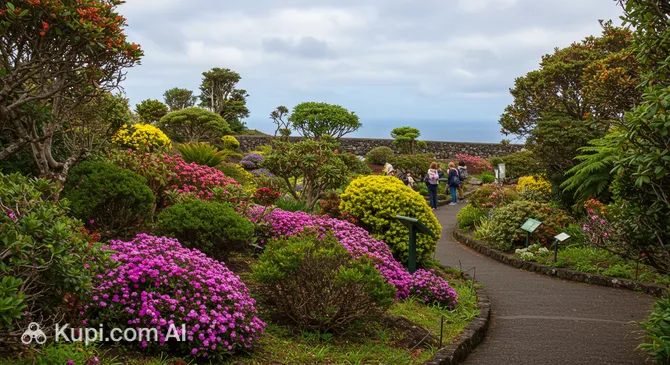
Faial Botanical Garden. Source: Kupi.Binoculars
  • For decades, Horta was known as the "Telegraph City" due to its pivotal role in global communications. In the late 19th and early 20th centuries, it served as a major hub for submarine cables connecting Europe and America, hosting a large community of British, American, and German telegraph companies.

  • The city occupies a special place in aviation history as a refueling stop for the iconic Pan Am "Clipper" flying boats. In the 1930s and 1940s, these massive seaplanes would land in the sheltered waters of the bay during their transatlantic crossings, bringing a touch of glamour to the island.

  • The Faial Botanical Garden is not just a display of flowers but a scientific ark for the archipelago. It houses a specialized "seed bank" and nursery dedicated to saving the rarest endemic plants of the Azores from extinction.

  • Much of the city's 19th-century development was influenced by the Dabney family, a prominent American dynasty that served as US Consuls in the Azores for three generations. Their legacy is still visible in the architecture, economy, and historical records of the island.

How to Get There

Reaching the Azores is an exciting part of the journey, and there are several ways to approach the island of Faial. For a comprehensive guide on all available transport methods, you can read more about how to get to Horta and plan your arrival smoothly.

The most direct entry point is Horta Airport (HOR), which is conveniently located within the municipality of Horta itself. This regional hub serves approximately 250,000 passengers annually and connects the island to other parts of the archipelago and mainland Portugal. The airport is situated just 7.7 km from the city center. A transfer by taxi or bus is quick and efficient, typically taking just a short drive to reach the heart of the city.

For international travelers, a common route involves flying into Lajes Field (TER) in the city of Angra do Heroismo. This is a larger facility with an annual passenger traffic of about 1,000,000 people. Although it is located approximately 136.3 km away from Horta on Terceira Island, it acts as a major gateway for the region. From there, visitors usually take a connecting inter-island flight to reach Horta.

Another nearby option is Pico Island Airport (PIX), found in the city of Madalena. While it is only about 16.6 km away from Horta, it is located on the neighboring island of Pico. Travelers arriving here can enjoy a short and scenic ferry ride across the channel to reach Horta's marina. This airport handles roughly 200,000 passengers per year.

For clarity, here is a summary of the main airports serving the region:

Airport Name City Passenger Traffic Km from City
Lajes FieldAngra do HeroismoHigh136.3
Horta AirportHortaMedium7.7
Pico Island AirportMadalenaMedium16.6
Santa Cruz AirportFlores IslandSmall239.6
Sao Jorge Island AirportSão JorgeSmall42.1

Main Attractions

Horta is a city best explored at a leisurely pace, where maritime history and natural beauty converge. While the famous marina draws sailors from every corner of the ocean, the city's land-based attractions offer equally compelling reasons to visit, ranging from historic watering holes to lush conservation areas.

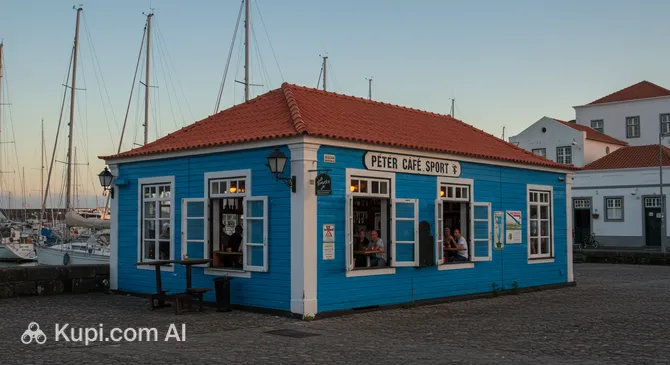
Peter Café Sport. Source: Kupi.Binoculars

No visit to Horta is complete without stopping at the legendary Peter Café Sport. Situated right on the harbor front, this establishment is far more than just a bar; it is a global institution for yachtsmen and adventurers crossing the Atlantic. Famous for its signature gin and tonic, the venue radiates a welcoming atmosphere filled with the stories of travelers. Upstairs, visitors can explore the Scrimshaw Museum, which houses a remarkable private collection of carved whale teeth and jawbones, offering a poignant glimpse into the island's whaling past.

For those seeking a connection with nature, the Faial Botanical Garden is a serene escape located in the Flamengos valley. This beautifully curated space is dedicated to the conservation of the Azores' endemic flora. Visitors can wander through various sections, including an orchid house and a collection of medicinal plants, while learning about the unique biodiversity of the archipelago. It serves as an educational hub and a peaceful retreat from the bustling waterfront.

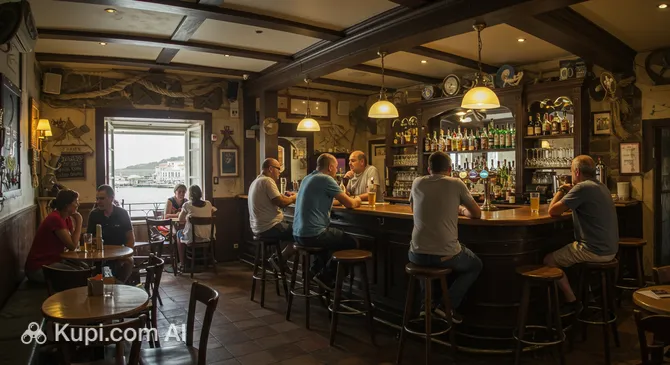
Oceanic Café. Source: Kupi.Binoculars

Another staple of Horta's social scene is the Oceanic Café. Located near the marina, this historic spot has long been a favorite among locals and passing sailors alike. With its classic decor and lively ambiance, it offers a perfect setting to relax and soak in the cosmopolitan vibe of the city. It stands as a testament to Horta's enduring role as a hospitable port of call in the middle of the Atlantic Ocean.

Local Cuisine

The culinary scene in Horta is a direct reflection of its Atlantic heritage, offering a gastronomic experience heavily centered on fresh seafood and locally sourced ingredients. The ocean provides a daily bounty that defines the menus of most local establishments, where simplicity often rules to highlight the natural flavors of the catch. Dining here is generally a relaxed affair, with many restaurants located near the marina, allowing visitors to enjoy their meals while overlooking the swaying masts of sailboats.

One of the most beloved starters you must try is lapas grelhadas (grilled limpets). Served sizzling in a skillet with garlic, butter, and a splash of lemon, they are a true taste of the Azores. For a main course, stewed octopus (polvo guisado) is a local favorite, often cooked with wine and spices until tender. Another signature treat specific to this island is the Fofas do Faial, a fennel-flavored pastry filled with a rich lemon cream, which offers a perfect sweet ending to any meal.

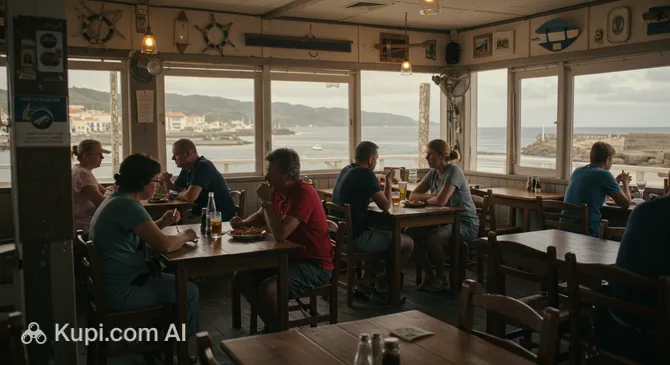
Ah! Boca Santa. Source: Kupi.Binoculars

When it comes to drinks, Horta has a legendary reputation among sailors for its gin and tonic. This tradition, deeply rooted in the city's maritime history, makes it the drink of choice for many visitors watching the sunset at the harbor. Non-alcoholic options include the refreshing Kima, a passion fruit soda produced in the Azores that is incredibly popular across the archipelago.

For a cozy dining experience that captures the essence of the city's hospitality, you might visit Ah! Boca Santa. This restaurant is known for its inviting atmosphere and a menu that blends traditional Portuguese flavors with modern touches. Whether you are grabbing a quick snack at a street-side kiosk or sitting down for a full dinner, the food culture in Horta is warm, welcoming, and deeply connected to the sea.

Travel Tips

Welcome to Horta, the colorful maritime heart of the Azores! To ensure your visit to this legendary port city is as smooth as it is memorable, we have compiled a list of essential practical tips to help you navigate local life with ease.

  1. Clothing and Gear: The weather in the Azores is famously changeable, often experiencing four seasons in a single day. A waterproof windbreaker and breathable layers are essential, regardless of when you visit. Since Horta features charming but uneven cobblestone streets and volcanic trails, bring sturdy, comfortable walking shoes. If you plan to swim in the natural ocean pools, water shoes are recommended to protect your feet from sharp rocks.

  2. Transportation: Horta itself is quite compact and best explored on foot, especially the marina and old town areas. However, to discover the rest of Faial Island, such as the Capelinhos Volcano or the Caldeira, renting a car is the most convenient option. Public buses exist but run infrequently. Taxis are reliable and can be hired for half-day tours if you prefer not to drive.

  3. Finances: The official currency is the Euro (€). ATMs are widely available throughout the city, and credit cards are accepted in most hotels and restaurants. However, it is wise to carry some cash for small purchases at local cafés, markets, or when buying tickets on public buses. Tipping is not mandatory but is appreciated; rounding up the bill or leaving 5-10% for good service is a kind gesture.

  4. Health and Safety: Horta is a very safe city with low crime rates, but standard precautions should always be taken with personal belongings. For medical needs, there is a modern hospital (Hospital da Horta) located in the city, and pharmacies are easy to find, usually marked with a green cross. The general emergency number for police, ambulance, and fire is 112.

  5. Communication: The official language is Portuguese. However, due to Horta’s long history as a transatlantic stopover for sailors, English is widely spoken and understood, perhaps more so here than in rural parts of mainland Portugal. Free Wi-Fi is often available in public squares and cafés, and buying a local SIM card is easy at shops in the city center.

  6. Local Etiquette: The Azorean pace of life is relaxed and unhurried. Greetings are important; a friendly "Bom dia" (Good morning) or "Boa tarde" (Good afternoon) goes a long way when entering a shop. Locals take great pride in their maritime heritage, so showing respect for the painted drawings on the marina walls—which are protected by tradition—is important.

  7. What to Avoid: Do not rely strictly on a rigid itinerary. Ferry cancellations to neighboring islands (like Pico) or tour delays due to weather conditions are possible, so flexibility is key. Also, avoid swimming in the ocean if the red safety flag is flying, as currents in the Atlantic can be strong and unpredictable.

  8. Island Hopping Tip: Since Horta is located just across the channel from Pico Island, take advantage of the ferry service. It is a short and scenic trip (about 30 minutes) that allows you to easily visit another island for a day trip without changing your accommodation base.

With these tips in mind, you are ready to embrace the unique charm and "island time" of Horta. Whether you are watching the yachts dock at the marina or exploring volcanic landscapes, relax and enjoy the warm hospitality that has welcomed travelers for centuries.

Entertainment & Nightlife

Entertainment and nightlife in Horta are defined by the city's unique position as a cosmopolitan harbor in the middle of the Atlantic. Unlike the high-energy clubbing scenes found in larger European capitals, the evening atmosphere here is relaxed, welcoming, and deeply connected to the sea. The nightlife centers almost exclusively around the marina and the waterfront avenues, where the sound of clinking glasses mixes with the languages of sailors from around the world.

The dress code is casually nautical; you are more likely to see deck shoes and windbreakers than high heels and suits. The vibe is friendly and open, making it easy to strike up conversations with locals and travelers alike. Most venues stay open late, especially on weekends and during the summer yachting season, but the focus is on socializing, storytelling, and enjoying local drinks rather than dancing until dawn.

The undisputed heart of Horta’s nightlife is Peter Café Sport. While it is a museum and landmark by day, at night it transforms into a bustling pub where the famous gin and tonic is the drink of choice. It is the perfect place to soak up the maritime spirit, surrounded by flags and memorabilia left by crews crossing the ocean. Just a short stroll along the harbor, you will find Oceanic Café, another historic venue that offers a lively atmosphere. It is a popular spot for both coffee during the day and spirited drinks in the evening, often hosting a mix of locals and tourists.

For those looking to start their night with a delicious meal that lingers into the evening, Ah! Boca Santa provides a cozy and inviting setting. Many visitors enjoy a long dinner here before heading to the bars near the port. The prices in Horta are generally reasonable compared to mainland Europe, with a beer or a glass of wine costing significantly less than in major tourist hubs.

Safety is one of Horta’s strongest assets. The city is incredibly safe for night walks, even in the late hours. The marina area is well-lit and populated. If you need to travel further afield or return to a hotel on the outskirts, taxis are readily available at the rank near the main ferry terminal or can be called by your venue’s staff. Walking is the primary mode of transport for the nightlife district, as everything is conveniently clustered along the bay.

While the nights are for socializing, daytime entertainment in Horta offers a different pace. Visitors can explore cultural venues such as the Teatro Faialense, which occasionally hosts concerts and plays. Museums like the Scrimshaw Museum offer fascinating insights into the island's history, while the waterfront itself serves as an open-air theater of arriving and departing yachts, providing endless entertainment for those who enjoy simply watching the world go by.

Parks & Museums

Horta is a city where nature and history are inextricably linked, offering visitors a delightful mix of lush green spaces and culturally rich institutions. Beyond its bustling marina, the city preserves its heritage through well-curated museums and protects its unique volcanic landscape in stunning parks that overlook the Atlantic.

For nature enthusiasts, the Faial Botanical Garden is the crown jewel of the city's green spaces. Located in the Flamengos valley, this park is not merely a collection of pretty flowers but a vital conservation center for the Azores' endemic flora. Visitors can explore the aromatic herb garden, the orchid house, and the open-air trails that showcase the island's biodiversity. Another significant natural area is the Monte da Guia, a protected landscape formed by an ancient volcanic cone. It offers walking trails with panoramic views of the city and the ocean, serving as a perfect spot for birdwatching and enjoying the raw beauty of the coastline.

The city's museums provide a deep dive into its maritime and social history. The Horta Museum, housed in the historic Jesuit College, is a must-visit for those interested in local culture. It features a diverse collection ranging from sacred art and ethnography to unique works made from fig tree pith, a traditional craft of Faial. For a more specific look at the island's seafaring past, the Scrimshaw Museum is an unmissable gem located upstairs at the famous Peter Café Sport. This private collection displays intricate carvings on whale teeth and jawbones, serving as a poignant artistic record of the whaling era that defined the Azorean economy for centuries.

History is also written in the stone fortifications that guard the harbor. The Fort of Santa Cruz, dating back to the 16th century, stands as a majestic reminder of the city's need to defend itself against pirates and privateers. Today, it has been beautifully restored and functions as a Pousada (historic hotel), but its imposing walls and architecture remain a key landmark for any sightseeing tour. Nearby, the Clock Tower (Torre do Relógio) is another architectural highlight, standing as the solitary remnant of the original matrize church that was destroyed, offering a glimpse into the city's resilience.

For a truly authentic experience, take a quiet stroll around the Porto Pim area. This sheltered bay was once the center of the whaling industry and is home to the old Whaling Factory, which has been converted into a museum. It is a peaceful, atmospheric corner of Horta where you can walk along a soft sandy beach and imagine the bustling activity of the past, away from the busier marina front.

Getting Around

The public transport system in Horta is modest and straightforward, reflecting the compact nature of the city and the relaxed pace of island life. Unlike large metropolises, there are no metros, trams, or trains here. The city center is small enough to be navigated primarily on foot, allowing visitors to easily walk between the marina, historic sites, and restaurants. For longer distances or trips to the airport and other parts of Faial Island, the transport network relies heavily on buses and taxis.

The bus service is operated by a local company and connects Horta with the various parishes around the island, including routes to the airport and the Capelinhos Volcano area. These buses are generally comfortable and reliable, though the frequency of service can be low, especially on weekends and public holidays. There is no complex zone system or travel card requirement for tourists; the approach is traditional and user-friendly.

Regarding payment, simplicity is key. For bus journeys, tickets are purchased directly from the driver upon boarding. It is highly recommended to carry small change or low-denomination bills, as drivers may not always have change for large notes. Fares are very affordable, typically costing just a few euros depending on the distance traveled. There are no mobile apps for ticket purchasing, so cash remains the standard method of payment for public transit.

A unique and vital component of Horta’s transport "network" is the ferry service operated by Atlanticoline. The maritime terminal acts as a major hub, effectively serving as a "sea metro" that connects the city to the neighboring island of Pico in just 30 minutes. This is a popular option not just for day trips but for locals commuting across the channel. Tickets for the ferry can be bought at the terminal counters or booked online in advance, and the vessels are modern and punctual.

Taxis are a convenient alternative and are readily available at designated ranks, particularly near the ferry terminal and the central market. They are generally beige or cream-colored and are equipped with meters, though for longer scenic tours around the island, you can often negotiate a fixed price with the driver. Taxis are reliable and safe, making them an excellent option for evening travel or when carrying luggage to your accommodation.

For those wishing to explore beyond the city limits at their own pace, renting a car is the most popular choice. Several rental agencies operate within the city and at the airport. While Horta itself is walkable, having a vehicle unlocks the freedom to visit remote viewpoints and coastal swimming pools. Alternatively, scooter and bike rentals are available for short-distance exploration along the waterfront avenues.

Practical advice for tourists includes checking the bus schedules carefully, as they are often designed around school hours and work shifts rather than tourist convenience. Schedules (horários) are usually posted at the main bus stops or can be obtained from the local tourist office. If you plan to use the bus to return to Horta from a hike or a distant attraction, be sure to confirm the time of the last return service to avoid being stranded.

Accommodation

Accommodation in Horta caters to a diverse crowd, ranging from transatlantic sailors and backpackers to families and couples seeking a relaxing island retreat. The city offers a well-balanced mix of options, including modern hotels with panoramic views, charming local guesthouses known as Alojamento Local, and budget-friendly hostels that capture the social spirit of the marina. For those looking for a more authentic experience, there are also renovated historic buildings and apartments available for short-term rent.

The most popular area to stay is undoubtedly the city center, particularly along the waterfront avenues near the marina. Staying here places you within walking distance of the ferry terminal, the main historic sights, and the vibrant nightlife scene. Many properties in this area offer balconies facing the channel, providing stunning views of the majestic Mount Pico across the water. For a quieter and more atmospheric alternative, consider the Porto Pim neighborhood. This area is nestled around a sheltered sandy bay and the old whaling station, offering a peaceful, beachside vibe while still being just a short stroll from the town center.

When planning your trip, it is crucial to consider the seasonality of the Azores. Horta is a major hub for the international yachting community, and demand for rooms spikes significantly during the summer months, particularly in July and August. This is especially true during the famous Sea Week (Semana do Mar) festival in August, when the city is packed with visitors. To secure your preferred accommodation and avoid inflated prices, it is highly recommended to book several months in advance.

In terms of pricing, Horta is generally affordable compared to many mainland European destinations, though rates do increase during the peak summer season. Budget travelers can find economical beds in hostels or simple guest rooms, while mid-range and luxury travelers can expect reasonable rates for high-quality service and amenities. Booking is easily done through major online platforms, though contacting smaller guesthouses directly can sometimes yield better personalized offers.

Nearby Cities

For those looking to explore the surroundings, Horta serves as an excellent base for day trips to several interesting nearby locations:

Just across the channel lies the town of Madalena on Pico Island, which is undoubtedly the most popular day trip from Horta. A short and scenic ferry ride brings visitors to the foot of Mount Pico, Portugal's highest peak, where they can explore UNESCO-listed vineyard landscapes and the island's fascinating whaling museums. It is close enough for a relaxed lunch or a full day of exploration before returning to Faial in the evening.

For those willing to travel a bit further within the archipelago, Angra do Heroismo on Terceira Island is a historically significant destination. Recognized as a UNESCO World Heritage site, this city boasts stunning Renaissance architecture, majestic fortresses, and a vibrant cultural atmosphere that contrasts beautifully with the quieter nature of Horta. Although it requires a longer journey, it remains a key highlight of the Azores.

City Population Distance (km)
Funchal 111892 1245
Ponta Delgada 68809 274
Santa Cruz 43005 1252
Camara de Lobos 35666 1239
Angra do Heroismo 35402 123

These nearby destinations offer a glimpse into the diverse culture and landscapes of the region.

Shopping & Souvenirs

Shopping in Horta is a relaxed and authentic experience that reflects the city's laid-back island lifestyle. Unlike large European capitals filled with sprawling commercial centers and high-end luxury boutiques, Horta focuses on small, independent businesses and traditional craftsmanship. Visitors will find a variety of quaint shops offering everything from daily essentials to unique Azorean handicrafts, all set against the backdrop of the historic waterfront architecture.

The primary shopping district is concentrated in the city center, particularly along Rua Conselheiro de Medeiros and the parallel streets running inland from the marina. This area serves as the commercial heart of Horta, lined with clothing boutiques, shoe stores, bookstores, and local grocery shops. A stroll down these cobblestone streets allows travelers to browse at a leisurely pace, often discovering family-run establishments that have served the community for generations.

Travelers expecting massive shopping malls will not find them here. Horta does not have large department stores or multi-story shopping complexes. Instead, the retail scene is intimate and personal. There are a few larger supermarkets on the outskirts for supplies, but the city center preserves the charm of traditional street-side commerce.

For a taste of local life, the Mercado Municipal da Horta (Municipal Market) is the place to go. Located centrally, this market is the hub for fresh island produce, offering colorful displays of locally grown fruits, vegetables, and flowers. It is an excellent spot to purchase regional delicacies such as honey, homemade jams, and the famous Azorean pineapple. While it is primarily a food market, the vibrant atmosphere provides a genuine glimpse into the daily routine of the residents.

When it comes to souvenirs, Horta offers several unique items that capture the spirit of the Azores. One of the most iconic purchases is merchandise from Peter Café Sport. Known worldwide among sailors, their shop sells high-quality t-shirts, caps, and sweaters bearing their famous whale logo, which have become a status symbol for Atlantic travelers. Additionally, look for traditional crafts made from fig tree pith (miolo de figueira), a delicate art form specific to Horta, as well as scrimshaw replicas (carvings on whale teeth) that honor the island's whaling history without using prohibited materials.

Store opening hours in Horta generally follow the traditional Portuguese schedule. Most shops open around 9:00 AM or 10:00 AM, close for a lunch break between 1:00 PM and 3:00 PM, and reopen until 7:00 PM. On Saturdays, many businesses close at 1:00 PM, and Sundays are typically quiet with most retail stores closed, except for souvenir shops near the marina and supermarkets. Payment is convenient, with major credit and debit cards widely accepted, though it is always useful to carry some cash (Euros) for smaller purchases at markets or cafes.

Visitors from outside the European Union may be eligible for tax-free shopping on certain goods. While Horta is a small city, some larger stores or jewelry shops may participate in the tax refund scheme. Look for the "Tax Free" signage in windows, and be sure to ask for the necessary forms at the checkout if you plan to claim the VAT refund upon leaving the EU.
Reached the end of the page?

That means the route is fully explored