Support

Ponta Delgada

About

Welcome to Ponta Delgada, the vibrant administrative capital of the Azores archipelago. Located on the southern coast of São Miguel Island, this charming city serves as the primary gateway for travelers exploring the stunning Atlantic islands of Portugal. With a population of approximately 68,000 residents, it strikes a perfect balance between a bustling urban center and a relaxed seaside retreat, offering a unique blend of cosmopolitan energy and island tranquility.
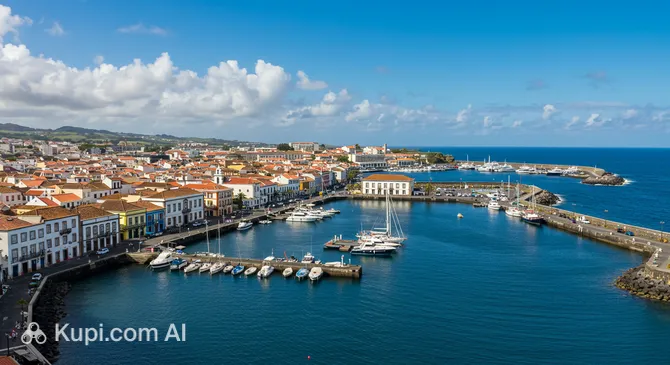
Ponta Delgada. Source: Kupi.Binoculars

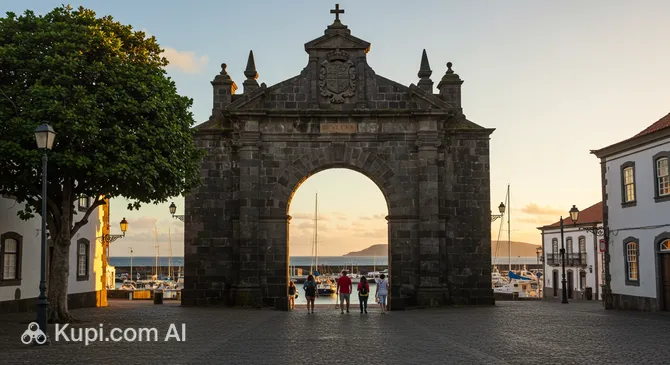
The city is renowned for its distinctive architecture, characterized by whitewashed buildings framed with dark volcanic basalt. As you wander through the streets, you will encounter the rich history of Ponta Delgada, which transformed from a humble fishing village into a thriving port city over the centuries. The iconic Portas da Cidade (City Gates) stand as a testament to its heritage, welcoming visitors to the city center just as they did in the 18th century.

Travelers are drawn to the city's picturesque promenade, which offers sweeping views of the harbor and the vast ocean beyond. The mild maritime climate makes it pleasant to visit year-round, allowing tourists to enjoy local highlights such as the historic São Sebastião Church or the nearby pineapple plantations, which are unique to this region. Whether you are using it as a base to explore the crater lakes of Sete Cidades or simply enjoying its excellent seafood restaurants, Ponta Delgada promises an unforgettable experience.

We invite you to immerse yourself in the warm hospitality and scenic beauty of this Atlantic gem. From its cobbled squares to its lush gardens, Ponta Delgada is the perfect starting point for your Azorean adventure.
Weather Overview

Ponta Delgada benefits from a temperate maritime climate, ensuring that conditions are rarely too hot or too cold, which allows for comfortable exploration throughout the year. For travelers planning their trip, checking the detailed weather in Ponta Delgada is recommended to pack appropriately for the changing conditions. The summer months are generally the warmest and most popular, with August seeing average temperatures peak at around 22.4°C.

Precipitation is a regular feature of the Azorean climate, contributing to the island's lush, green landscapes. The winter season, particularly from December to January, tends to be the wettest, with temperatures hovering around 15°C and approximately 16 wet days per month. In contrast, July is typically the driest month, often experiencing only about 6 days with rain. Expect mild temperatures year-round with frequent showers in the cooler months and pleasant, drier summers.

Interesting Facts

Beyond the main attractions, Ponta Delgada holds many fascinating secrets and historical quirks that often escape the casual observer. Here are some intriguing facts that reveal the unique character of this Atlantic city:
City Gates. Source: Kupi.Binoculars
  • The city sits directly on top of an ancient geological wonder. The Gruta do Carvão Natural Monument is the longest lava tunnel on the island of São Miguel, stretching for miles beneath the urban streets and factories, allowing visitors to walk underground where molten rock once flowed to the ocean.

  • Ponta Delgada is the only place in the world where pineapples are grown in glass greenhouses. At locations like the Azores Pineapple Plantation, farmers use a unique "smoking" technique to induce flowering, producing a fruit that is smaller, sweeter, and more aromatic than its tropical counterparts.

  • The iconic City Gates have not always stood in their current prestigious location. Originally built on the old harbor quay to welcome sailors, they were carefully dismantled and moved stone by stone to the center of Gonçalo Velho Cabral Square in 1952 during the construction of the modern seaside avenue.

  • Thanks to its distinct microclimate, the city acts as an open-air greenhouse for global flora. The António Borges Botanical Garden features massive Australian Banyan trees with complex aerial root systems that create natural caves, a sight rarely found outside of tropical rainforests.

How to Get There

As the capital of the Azores archipelago located on São Miguel Island, the primary way to reach Ponta Delgada is by air. There are no bridges or tunnels connecting the island to the mainland or other islands, making flight connections essential for most visitors. For a comprehensive guide on travel options, including details on inter-island transport, you can read more about how to get to Ponta Delgada and plan your journey accordingly.

The most convenient and direct point of entry is João Paulo II Airport (IATA: PDL), situated directly in Ponta Delgada. It is a major international gateway handling flights from Europe and North America. The airport is located just 2.6 km from the city center, making the transfer very convenient. A trip by taxi or bus typically takes just a short 10-minute drive, ensuring a quick start to your vacation. With an annual passenger traffic of approximately 2.7 million people, it is a bustling hub equipped with modern amenities.

Another significant hub in the archipelago is Lajes Field (IATA: TER), located in the city of Angra do Heroísmo on Terceira Island. It serves about 1 million passengers annually. Please note that this airport is approximately 168 km away from Ponta Delgada and is located on a different island. Therefore, arriving here requires a subsequent inter-island flight or a ferry ride to reach São Miguel. It serves as an important alternative connection point for the Azores region.

For clarity, here is a summary of the main airports serving the region:

Airport Name City Passenger Traffic Km from City
João Paulo II AirportPonta DelgadaHigh2.6
Lajes FieldAngra do HeroismoMedium168.4
Horta AirportHortaLow280.8
Pico Island AirportMadalenaLow259.3
Sao Jorge Island AirportSão JorgeVery Low242.5

Regarding rail transport, Ponta Delgada and the island of São Miguel do not have a railway system. The rugged volcanic terrain and island geography make train travel impractical. Visitors typically rely on rental cars, taxis, or the local bus network to navigate the city and explore the scenic countryside.

Main Attractions

Ponta Delgada offers a captivating mix of historic architecture, lush gardens, and unique cultural experiences. As the largest city in the Azores, it serves as a treasure trove for visitors, with landmarks that tell the story of its maritime past and volcanic origins. Whether you are interested in centuries-old fortifications, religious art, or local traditions, the city's attractions provide a perfect introduction to island life.

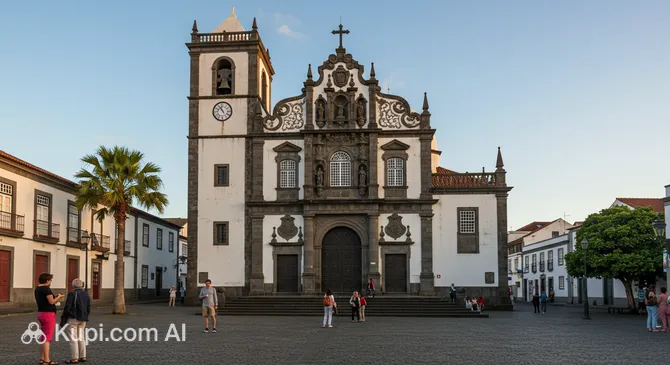
Dominating the city center with its intricate Manueline facade is the Church of São Sebastião. Built between 1531 and 1547, this mother church is a masterpiece of basalt and limestone masonry. Visitors are often struck by its beautiful portals and the mix of Gothic and Baroque styles found inside. It is not just a place of worship but a symbol of the city's resilience and artistic heritage, making it a must-visit for architecture enthusiasts.

Church of São Sebastião. Source: Kupi.Binoculars

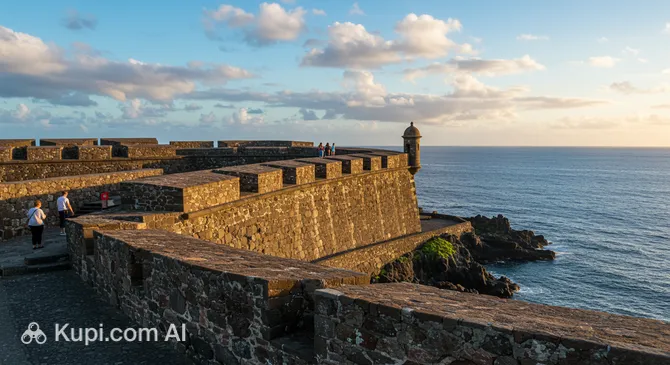
For a glimpse into the island's military history, the Fort of São Brás is an essential stop. Located on the waterfront, this Renaissance-era fortress was constructed in the 16th century to defend the city against pirates and privateers. Today, it houses the Azores Military Museum, where you can explore exhibits of weaponry, uniforms, and vehicles. Walking along its ramparts offers commanding views of the harbor and the Atlantic Ocean, providing a tangible connection to the strategic importance of the Azores.

Fort of São Brás. Source: Kupi.Binoculars

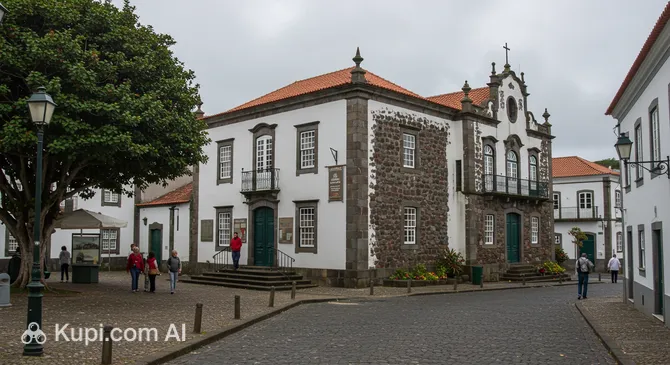
Culture lovers should explore the Carlos Machado Museum, the oldest museum in the archipelago. Housed primarily in the former Convent of Santo André, it features a diverse collection ranging from natural history and zoology to religious art and ethnography. The museum provides a deep dive into the Azorean identity, showcasing everything from traditional farming tools to exquisite jewelry and painting, helping tourists understand the rich cultural tapestry of the islands.

Carlos Machado Museum. Source: Kupi.Binoculars

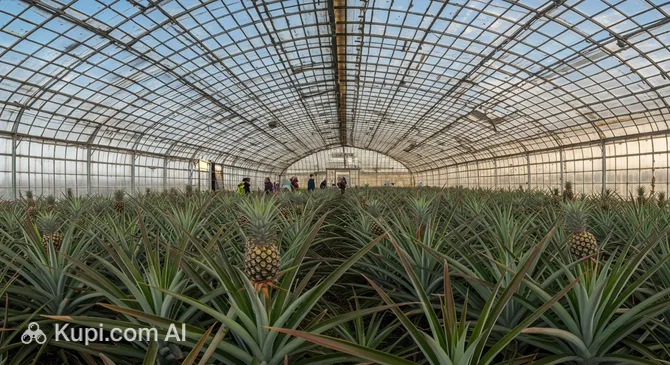
No visit to Ponta Delgada is complete without experiencing its unique agricultural traditions at the Arruda Pineapple Plantation. Located in the Fajã de Baixo area, this plantation allows guests to see how the famous Azorean pineapples are grown in glass greenhouses using traditional methods. It is a fascinating spot to learn about the labor-intensive process that produces these sweet, aromatic fruits. After the tour, you can sample pineapple liqueur or jams, making for a delicious and educational outing.

Arruda Pineapple Plantation. Source: Kupi.Binoculars

Finally, to taste the local flavors, head to the bustling Graça Market. This vibrant marketplace is the heart of the city's daily life, where farmers sell fresh produce, including the island's renowned cheeses, exotic fruits, and locally caught fish. It is an excellent place to mingle with locals, purchase authentic souvenirs, and soak up the lively atmosphere that defines Ponta Delgada.

Local Cuisine

The culinary scene in Ponta Delgada is a delicious reflection of its Atlantic location and volcanic origins, offering a gastronomy defined by freshness and bold, rustic flavors. The ocean provides a daily bounty of seafood that serves as the foundation for many local menus. A must-try starter is Lapas Grelhadas (grilled limpets), which are typically served sizzling in a skillet with butter, garlic, and a spicy red pepper sauce. For fish lovers, the local tuna is world-class, often seared to perfection, while other varieties like wreckfish and parrotfish offer a taste of the deep Atlantic waters.

Meat eaters will find plenty to celebrate as well, with the island's grass-fed beef being highly prized. The most iconic dish in the city is the Bife à Regional (Regional Steak). This hearty meal consists of a tender steak topped with a fried egg and two local red peppers, swimming in a rich garlic sauce and served alongside a mountain of french fries. It is a comfort food staple available in almost every traditional eatery and is best enjoyed with a glass of local wine.

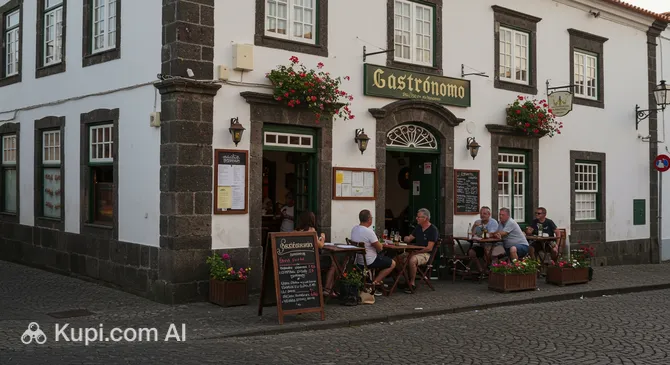
Gastrónomo. Source: Kupi.Binoculars

For those seeking an authentic taste of these traditional dishes, Gastrónomo is a fantastic choice. This restaurant is well-regarded by both locals and visitors for its commitment to Azorean culinary heritage, serving fresh seafood and classic meat dishes in a welcoming atmosphere. It is the perfect place to experience the genuine hospitality that defines the island's dining culture.

The city also boasts a growing modern food scene that blends local ingredients with contemporary trends. If you are in the mood for something different, Supléxio offers a vibrant setting known for its artisanal burgers and excellent selection of craft beers. It represents the new wave of Ponta Delgada's gastronomy, where the younger generation reinterprets island flavors for a casual, urban dining experience.

No meal in Ponta Delgada is complete without sampling the local beverages. A bottle of Kima, a sparkling passion fruit soda produced in the Azores, is a refreshing non-alcoholic favorite. For something stronger, you might end your evening at a spot like Apito Dourado, where you can enjoy the relaxed nightlife. Don't forget to try a digestif made from locally grown pineapples, a sweet finish that perfectly captures the tropical essence of the city's unique microclimate.

Travel Tips

Planning a trip to Ponta Delgada is the first step toward an incredible Azorean adventure, but a few insider tips can make your journey even smoother. Here is some practical advice to help you navigate the city’s unique climate, culture, and logistics with ease.

  1. Clothing and Gear: The weather in the Azores is famous for being unpredictable, often described as having "four seasons in one day." Pack layers that you can easily add or remove, and essentially, bring a high-quality waterproof windbreaker. Comfortable, non-slip walking shoes are a must, as the city's charming streets are paved with traditional calçada portuguesa (cobblestones) which can be slippery when wet.
  2. Transportation: The city center is compact and best explored on foot, allowing you to admire the architecture up close. For navigating within the city, there is a convenient minibus network known as the "Mini Bus." However, to truly explore the surrounding natural beauty of São Miguel Island, renting a car is highly recommended, as public buses to remote areas can be infrequent. Taxis and ride-hailing apps are also available for shorter trips.
  3. Finances: The official currency is the Euro (€). While credit and debit cards are widely accepted in hotels and larger restaurants, it is wise to carry some cash for small cafes, local markets like Graça Market, or buses. ATMs, known locally as Multibanco, are plentiful throughout the city. Tipping is not mandatory but is appreciated for good service; rounding up the bill or leaving 5-10% is a standard gesture.
  4. Health and Safety: Ponta Delgada is a very safe destination for tourists with low crime rates. Pharmacies are marked by a green cross and are well-stocked; look for a "Farmácia de Serviço" list in the window of any pharmacy to find one open after hours. The general emergency number is 112. Tap water is generally safe to drink, but bottled water is readily available if you prefer.
  5. Communication: The official language is Portuguese, but English is widely spoken, especially in the tourism and service sectors. Learning a few basic phrases like Obrigado (Thank you, if you are male) or Obrigada (if you are female) goes a long way with locals. Free Wi-Fi is often available in public squares and cafes, and you can easily purchase a SIM card from major providers at the airport or in the city center.
  6. Local Etiquette: Azoreans are known for their warm and polite nature. It is customary to greet shopkeepers and staff when entering or leaving an establishment with a friendly "Bom dia" (Good morning) or "Boa tarde" (Good afternoon). The pace of life here is relaxed, so be patient with service in restaurants and enjoy the laid-back atmosphere rather than rushing.
  7. What to Avoid: Do not underestimate the Atlantic Ocean; avoid swimming in unguarded areas or when the red flag is flying. Additionally, avoid wearing high heels or shoes with thin soles when walking in the city center, as the uneven basalt cobblestone pavements can make walking difficult and uncomfortable.
  8. Local Insight: Keep in mind that many smaller shops and traditional businesses may close for a lunch break, typically between 1:00 PM and 3:00 PM, and might be closed on Sundays. Plan your shopping accordingly, or use this time to enjoy a leisurely lunch featuring the local Bolo Lêvedo bread.

By keeping these practical tips in mind, you will be well-prepared to embrace the rhythm of island life in Ponta Delgada. We hope your visit is filled with breathtaking views, delicious flavors, and warm memories of this Atlantic jewel.

Entertainment & Nightlife

Entertainment in Ponta Delgada is characterized by a relaxed, welcoming atmosphere rather than high-energy clubbing. The nightlife here is centered around socializing, live music, and enjoying the island's mild evenings. The primary hub for evening activity is the Portas do Mar marina, a modern waterfront promenade lined with bars, restaurants, and terraces that offer stunning views of the harbor. It is the perfect place to start the night with a sunset drink or a leisurely walk along the ocean.

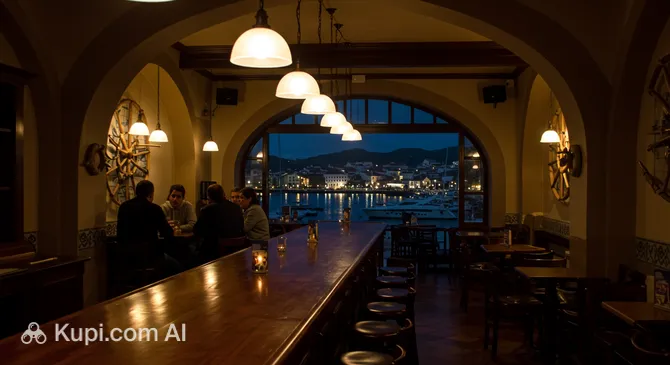
For those seeking a classic Azorean nightlife experience, Apito Dourado is a local institution. Situated in the city center, this bar is known for its eclectic, bohemian vibe and is a favorite gathering spot for artists, locals, and visitors alike. It offers a cozy environment where you can enjoy good music and conversation well into the night. Another excellent option for evening entertainment is Supléxio. While it serves delicious food, it is widely celebrated for its impressive selection of craft beers and its vibrant, urban atmosphere, making it a top choice for a casual night out with friends.

Apito Dourado. Source: Kupi.Binoculars

If you are looking for live music, the city has several smaller venues and pubs, particularly in the historic streets branching off from the main squares. The crowd in Ponta Delgada is generally mixed and casual, with no strict dress codes for most bars. Venues typically stay open until 2:00 AM or 3:00 AM on weekends. Prices are quite reasonable compared to mainland Europe, with a beer or glass of wine costing significantly less than in major capitals.

Safety is one of Ponta Delgada's strongest points; the city is very safe for night walks, even in the late hours. However, if you are staying outside the center or prefer not to walk, taxis are readily available at designated ranks, especially near Portas do Mar and the City Gates. You can also call a taxi by phone, and the service is generally reliable and affordable.

During the day, the entertainment options shift towards leisure and exploration. For a mix of shopping and entertainment, Atlantic Park is the largest modern shopping center on the island, featuring a cinema complex and a food court. For those seeking adventure, operators like Azores Adventures offer exciting outdoor activities, including canyoning and whale watching tours, which are thrilling ways to spend the daylight hours before the sun sets.

Parks & Museums

While Ponta Delgada is celebrated for its maritime heritage, the city is also a sanctuary of lush greenery and botanical wonders, thanks to the fertile volcanic soil and mild climate of the Azores. The municipality is dotted with historic gardens and cultural spaces that offer a peaceful escape from the urban bustle, showcasing flora from around the globe alongside local traditions.

One of the most romantic landscapes in the city is the António Borges Botanical Garden. Established in the 19th century, this municipal park is a masterpiece of Romantic-style gardening. It feels like a fairy tale forest, characterized by its winding paths, artificial caves, and moss-covered bridges. While it is famous for its colossal Australian Banyan trees, the garden also hosts a diverse collection of palm trees and exotic plants brought from distant continents, making it a favorite spot for leisurely walks and nature photography.

[IMAGE attraction id=128726]

Another botanical jewel is the José do Canto Botanical Garden. Created by a prominent intellectual and nature lover, this vast garden is renowned for its exceptional collection of camellias, which bloom vibrantly in the cooler months. The park is home to thousands of plant species acclimatized to the island, set against the backdrop of the majestic Palace of Santana. Visitors can explore its dense woodlands, admire the endemic trees, and visit the serene Chapel of Sant'Ana located within the grounds.

[IMAGE attraction id=145478]

For a quieter, more intimate experience in the heart of the city, the Antero de Quental Garden offers a perfect urban retreat. Named after the famous Azorean poet and philosopher, this garden is a tribute to his legacy. It is a symmetrical, well-manicured space often used by locals for reading or quiet contemplation. The garden features statues and artistic elements that celebrate the poet's work, providing a cultural touch to a relaxing green space.

[IMAGE attraction id=163555]

Ponta Delgada's "museums" also extend to its living agricultural heritage. The Santo António Pineapple Plantation serves as an interactive museum of the island's unique farming history. Unlike standard museums, here you walk through glass greenhouses to witness the meticulous stages of pineapple cultivation. It offers a more personal and less crowded alternative to larger plantations, allowing visitors to learn about the "king of fruits" in a historic setting that has preserved its family-run charm for nearly a century.

[IMAGE attraction id=149775]

Getting Around

The public transport system in Ponta Delgada is relatively modest, reflecting the city's compact size and island setting. There is no metro, tram, or railway network. Instead, the primary mode of public transit within the urban area is a service of small minibuses, often referred to simply as the "Mini Bus." These yellow or white vehicles are designed to navigate the narrow, winding cobblestone streets of the historic center where larger vehicles cannot pass. The network typically consists of a few lines (such as Lines A, B, and C) that connect the downtown area with the upper parts of the city and residential neighborhoods.

For getting around, the payment system is traditional and straightforward, which is convenient for short-term visitors. There is no need to purchase prepaid travel cards or navigate complex apps for city transport. Tickets are bought directly from the driver upon boarding the bus. The fares are very affordable, generally costing under one Euro per ride. It is highly recommended to carry cash, specifically coins or small bills (5 or 10 Euros), as drivers often do not have change for larger denomination notes.

Tourists should be aware that the operating hours of the Mini Bus service are limited compared to major European capitals. Services usually run from approximately 7:30 AM to 7:30 PM on weekdays, with significantly reduced schedules on Saturdays. On Sundays and public holidays, the city bus service may not operate at all. Bus stops are marked with signs, but timetables can sometimes be variable, so it is wise to allow for some flexibility in your schedule. For travel outside the city to other towns, larger regional buses depart from the main avenue along the waterfront, but these are separate from the inner-city minibus network.

Given the limitations of the bus schedule, many visitors rely on alternatives. Taxis are plentiful, reliable, and relatively inexpensive. You can find taxi ranks at major landmarks like the City Gates (Portas da Cidade) and the Portas do Mar marina. Taxis are typically beige or black with a green roof. Car rentals are also extremely popular, not just for the city but for exploring the wider island; however, parking within the historic center can be scarce and is often paid. Walking remains the most efficient way to see the main sights, as the city center is flat and pedestrian-friendly.

A special feature worth mentioning for a leisurely sightseeing experience is the "Lagarta," a tourist road train. While not a practical mode of commuter transport, this vehicle travels on the road and offers a guided loop around the city's major monuments and gardens. It provides a charming and effortless way to get an overview of the architecture and layout of Ponta Delgada without the physical exertion of walking, making it a favorite for families and those who prefer a relaxed pace.

Accommodation

Accommodation in Ponta Delgada caters to a wide spectrum of travelers, reflecting the city's growth as a major Atlantic tourism hub. Visitors can find everything from friendly, budget-conscious hostels and guesthouses to sophisticated four-star and five-star hotels. In recent years, there has also been a significant rise in "Alojamento Local" options, which include charming rental apartments and renovated historic homes, offering a more personalized and independent stay.

For most tourists, the most convenient area to stay is the historic city center (Baixa). Staying here places you within walking distance of major landmarks, restaurants, and the bustling Graça Market. Alternatively, the waterfront area along Avenida Infante Dom Henrique and near the marina is highly popular. Hotels in this zone often feature balconies with sweeping views of the harbor and the ocean, providing easy access to the seaside promenade and evening entertainment spots.

A crucial tip for travelers is to book accommodation well in advance, especially if you plan to visit during the peak summer months of June through September. The Azores have become an increasingly popular destination, and the best-rated hotels and central apartments often sell out months ahead of time. Securing your booking early not only guarantees your preferred location but often results in better rates.

Regarding costs, Ponta Delgada generally offers good value compared to many mainland European capitals, though prices have been rising with popularity. Budget travelers can find affordable hostel beds or simple rooms, while mid-range options provide excellent amenities at reasonable prices. Luxury stays are available but are generally less expensive than equivalent standards in major global cities. Booking is typically done through major online travel platforms, though contacting smaller local guesthouses directly can sometimes yield a more personal experience.

Nearby Cities

For those looking to explore the surroundings, Ponta Delgada serves as an excellent base for day trips to several interesting nearby locations:

Just a short drive to the north coast lies the city of Ribeira Grande, the second-largest urban center on São Miguel Island. Known for its striking Baroque architecture and the volcanic sands of Santa Bárbara Beach, it is a favorite spot for both history buffs and surfers. Visitors can also explore the nearby tea plantations at Gorreana and Porto Formoso, which are unique in Europe, offering a delightful mix of culture and scenic beauty.

Traveling east along the southern coast brings you to Vila Franca do Campo, the island's historic first capital. This charming town is famous for the Ilhéu de Vila Franca, a submerged volcanic crater located just offshore that forms a stunning natural swimming pool. Back on land, the town is renowned for its delicious local pastries known as Queijadas da Vila, making it a perfect stop for a culinary and coastal adventure.

City Population Distance (km)
Cascais2146311427
Funchal111892977
Santa Cruz43005983
Camara de Lobos35666970
Angra do Heroismo35402171

These nearby destinations offer a glimpse into the diverse culture and landscapes of the region.

Shopping & Souvenirs

Shopping in Ponta Delgada offers a delightful mix of traditional charm and modern convenience, reflecting the city's role as the commercial heart of the Azores. While it may not rival massive European capitals for high-end fashion, the city excels in providing unique local products, artisanal crafts, and a relaxed retail atmosphere. Visitors can wander through historic streets lined with family-run businesses or visit contemporary centers, finding everything from international brands to distinct island treasures.

The main shopping activity is concentrated in the Historic Center (Baixa). The pedestrian-friendly streets radiating from the City Gates, such as Rua Machado dos Santos and Rua dos Mercadores, are perfect for window shopping. Here, you will find a variety of boutiques selling clothing, shoes, and jewelry, often housed in beautiful buildings with black basalt trim. This area is also home to several souvenir shops where you can find traditional handicrafts, including ceramics and embroidery, making it a pleasant area to explore on foot.

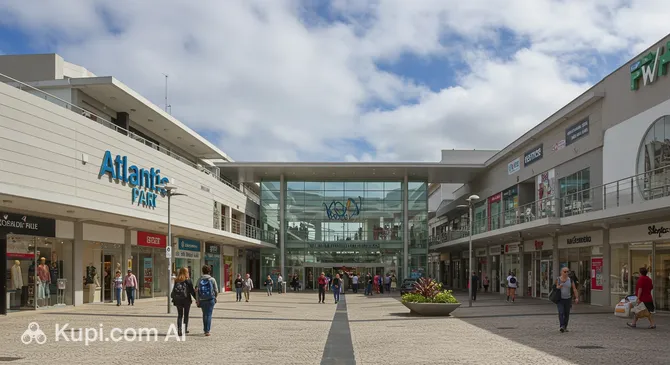
For a more comprehensive and modern shopping experience, Atlantic Park is the largest shopping mall on the island. Located slightly north of the city center, it features a wide range of international fashion chains, electronics stores, and a large hypermarket. It is the go-to destination for practical needs and rainy days, offering a food court and a cinema complex alongside its retail options.

Atlantic Park. Source: Kupi.Binoculars

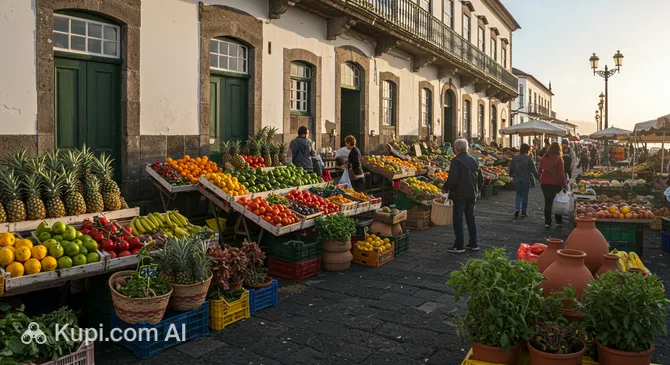
To truly understand the local culture, a visit to the Graça Market (Mercado da Graça) is essential. This bustling covered market is where the city comes alive with colors and scents. It is the best place to purchase fresh local produce, including the famous Azorean pineapples, bananas, and a wide selection of regional cheeses. Even if you are not planning to cook, the market is a fantastic spot to buy edible souvenirs and interact with local farmers.

Graça Market. Source: Kupi.Binoculars

When it comes to souvenirs, Ponta Delgada has plenty of distinct options to pack in your suitcase. The island is renowned for its food products; Azorean tea (Chá Gorreana or Porto Formoso) and canned tuna are popular and easy to transport. A bottle of pineapple liqueur or passion fruit liqueur is also a classic choice. For a truly unique gift, look for products made from volcanic basalt stone or "vegetable ivory" (sculpted from seeds), as these crafts represent the island's geological and artistic heritage.

Store opening hours in Ponta Delgada typically run from 9:00 AM to 7:00 PM on weekdays. However, many smaller street shops and traditional businesses close for a lunch break, usually between 1:00 PM and 3:00 PM. Shopping malls like Atlantic Park are an exception, remaining open continuously until 10:00 PM or 11:00 PM. Payment is easy, with credit and debit cards widely accepted, though it is advisable to carry some cash for small purchases at the market or tiny kiosks.

Visitors from outside the European Union may be eligible for Tax-Free shopping on purchases that exceed a certain amount in a single store. Look for the "Tax Free" signage in shop windows, and be sure to ask for the necessary forms at the checkout to claim your VAT refund at the airport upon departure.

Reached the end of the page?

That means the route is fully explored