Welcome to Graciosa Island, a serene and enchanting destination often referred to as the "White Island" due to its unique landscape and place names like Pedras Brancas. As the second smallest island in the Azores, it offers a tranquil escape characterized by rolling hills, vineyards, and a distinct lack of the steep mountains found on neighboring islands. This peaceful atmosphere makes it a perfect retreat for travelers seeking relaxation and a deep connection with nature.
Geographically, Graciosa is located in the vast Atlantic Ocean, forming part of the autonomous region of Portugal. With a population of approximately 4,400 inhabitants, the island maintains a close-knit community feel and a slow pace of life. The climate is generally mild and temperate, allowing for lush vegetation and comfortable exploration year-round. Its classification as a UNESCO Biosphere Reserve highlights its commitment to preserving its pristine environment and sustainable development.
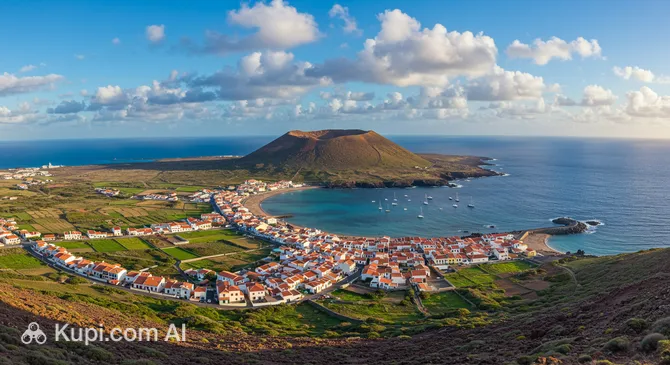
The cultural heritage here is rich and visible in the charming architecture of its towns, particularly Santa Cruz da Graciosa. Exploring the history of Graciosa Island reveals a past deeply rooted in agriculture and wine production, which has shaped the local lifestyle for centuries. Visitors will notice the distinctive Flemish-style windmills with red cupolas dotting the landscape, serving as iconic symbols of the island's grain-producing legacy.
Among the island's most remarkable natural wonders is the Furna do Enxofre (Sulphur Cavern), a rare volcanic cave featuring a majestic vaulted ceiling and a subterranean lake. For those looking to unwind, the thermal waters of Termas do Carapacho offer therapeutic baths right by the ocean, combining wellness with stunning views. Whether you are hiking through the caldera or enjoying fresh local seafood, Graciosa promises an unforgettable and rejuvenating experience.