Support

Flores Island

About

Welcome to Flores Island, a breathtaking masterpiece of nature located in the westernmost group of the Azores archipelago. Often referred to as the "Island of Flowers" due to its abundance of hydrangeas and azaleas, this destination offers a serene escape for travelers seeking untouched landscapes and tranquility. As part of Portugal, Flores stands out for its lush greenery, dramatic cliffs, and cascading waterfalls that create a scenery reminiscent of a prehistoric paradise.
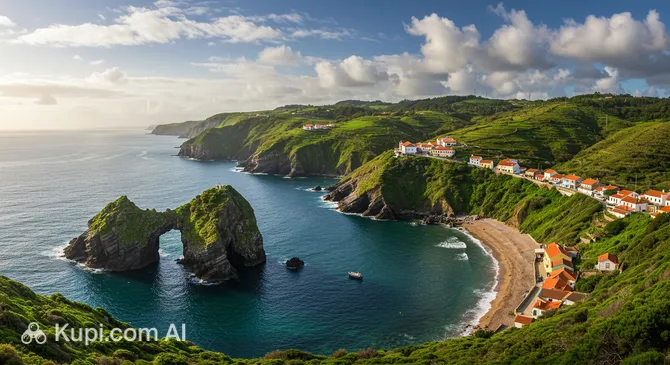
Flores Island. Source: Kupi.Binoculars

Geographically, Flores is unique as it sits on the North American tectonic plate, making it the westernmost point of Europe. The island is characterized by a rugged coastline and a humid, oceanic climate that supports its dense, vibrant vegetation. Despite its remote location, it is home to a close-knit community of approximately 3,700 inhabitants, who maintain a peaceful and traditional way of life. Exploring the history of Flores Island reveals a fascinating past marked by maritime exploration, pirate raids, and a deep connection to the sea.

The island is a designated UNESCO Biosphere Reserve, and for good reason. Visitors are captivated by natural wonders such as the Poço da Ribeira do Ferreiro (also known as Alagoinha), where nearly a dozen waterfalls stream down a verdant cliff into a lagoon below. Another highlight is the Rocha dos Bordões, a spectacular geological formation featuring massive vertical basalt columns. The interior of the island is dotted with seven majestic crater lakes, including the striking pair of Lagoa Negra and Lagoa Comprida, which are must-see spots for any nature lover.

Whether you are an avid hiker looking to explore the wild trails or simply someone wanting to disconnect from the bustle of modern life, Flores Island promises an unforgettable experience. Its raw beauty and calming atmosphere make it one of the most magical destinations in the Atlantic, inviting you to discover the true power of nature.

Weather Overview

The climate on this lush Atlantic outpost is characterized by mild temperatures and significant humidity year-round, which contributes to its vibrant greenery. To get a detailed breakdown of conditions for your specific travel dates, you can check the weather in Flores Island before packing. Generally, the island experiences an oceanic climate where extreme heat or cold is rare, making it a comfortable destination to visit at almost any time.

Summers are pleasant and never too hot, with August being the warmest month, averaging around 22.8°C. Winters remain mild, with February seeing average temperatures of about 14.4°C, so you won't need heavy winter gear. Precipitation is a constant companion here, nurturing the island's famous flowers; expect frequent showers in winter, with December averaging 18 wet days, while July offers the driest conditions with only about 7 days of rain.

Interesting Facts

Beyond its dramatic waterfalls and lush landscapes, Flores Island holds several fascinating secrets and historical footnotes that are often overlooked by visitors. Here are a few unique facts about this remote Atlantic gem:

  • The True Western Frontier: While the island is the westernmost inhabited territory of Portugal, the actual geographical westernmost point of Europe is the Ilhéu de Monchique. This distinctive black basalt rock, located just off the coast, stands as the final piece of land before the open ocean stretches all the way to North America.

  • A Historic Rescue: The island played a significant role in the history of maritime safety during the shipwreck of the RMS Slavonia in 1909. This incident is famous for being one of the first times the SOS distress signal was effectively used to coordinate a rescue, resulting in the survival of all passengers and crew, who were subsequently hosted by the hospitable locals.

  • Named for Gold, Not Blue: Although Flores is now synonymous with the vibrant blue hydrangeas that line its roads, its name ("Flowers") originally referred to a different plant. Early explorers in the 15th century were struck by the abundance of yellow wildflowers, likely Solidago sempervirens, which covered the coastal areas and inspired the island's lasting moniker.

How to Get There

Reaching this remote paradise in the Azores is an adventure in itself, offering travelers a chance to experience the unique geography of the archipelago. For a detailed breakdown of all available routes and travel tips, you can read more about how to get to Flores Island.

The primary entry point for visitors is Santa Cruz Airport (IATA: FLW), which is conveniently located directly on the island, just 5.5 km from the main settlement. This regional facility connects the island with other major Azorean hubs. Upon arrival, the journey to the town center is quick and easy, typically taking about 10 to 15 minutes by taxi or shuttle bus. Despite its modest size, handling around 89,000 passengers annually, it provides essential links for locals and tourists alike.

If you are exploring the wider region, you might transit through Horta Airport (IATA: HOR) in the city of Horta, located approximately 238 km away on Faial Island. Although it is not on Flores Island itself, Horta serves as a significant hub in the central group of the Azores, handling about 250,000 passengers per year. From there, travelers can catch connecting flights to Flores. Additionally, the neighboring Corvo Island Airport (IATA: CVU) in Vila do Corvo is only about 29 km away. While it is a small airfield, it offers a unique opportunity for those wishing to visit the smallest island of the archipelago before taking a short boat ride or flight over to Flores.

For clarity, here is a summary of the main airports serving the region:

Airport Name City Passenger Traffic Km from City
Horta AirportHortaMedium238.1
Pico Island AirportMadalenaMedium258.3
Santa Cruz AirportFlores IslandSmall5.5
Sao Jorge Island AirportSão JorgeSmall275.3
Corvo Island AirportVila do CorvoSmall29.2

Main Attractions

Flores Island is a paradise for nature lovers, offering landscapes that feel almost prehistoric in their raw beauty. One of the most iconic sights is the Poço da Ribeira do Ferreiro, often referred to as Alagoinha. This stunning location features a lush, vertical cliff face draped in vibrant vegetation, with over a dozen waterfalls cascading down into a serene lagoon below. It is a place of profound tranquility and is widely considered one of the most beautiful spots in the entire Azores archipelago, perfect for contemplation and photography.

Another geological marvel is the Rocha dos Bordões, a towering rock formation characterized by its massive vertical basalt columns. These solidified lava pillars resemble a giant pipe organ embedded in the hillside and are a testament to the island's volcanic origins. The site is easily visible from the road, but the changing light at sunset often enhances the textures and colors of the stone, making it a spectacular visual experience for visitors touring the island's interior.

High in the central plateau, you will find the mesmerizing Lagoa Negra and Lagoa Comprida. These two crater lakes sit side by side yet offer a striking contrast; Lagoa Negra is deep and dark, seemingly bottomless, while Lagoa Comprida is elongated and reflects a lighter, greenish hue. Viewing these twin lakes from the nearby lookout point provides a breathtaking perspective on the island's diverse topography and is a highlight for anyone exploring the "Seven Lakes" circuit.

For those seeking a refreshing dip after a day of hiking, the Poço do Bacalhau in Fajã Grande is an unmissable stop. This majestic waterfall plunges approximately 90 meters down a sheer rock face into a clear, natural pool. It is one of the few places where you can safely swim at the base of a high waterfall, surrounded by the dramatic cliffs that mark the westernmost coastline of Europe. The surrounding village of Fajã Grande also offers charming seaside atmosphere and incredible sunsets.

Finally, the Museu da Fábrica da Baleia do Boqueirão in Santa Cruz das Flores offers a deep dive into the island's cultural history. Housed in an old whaling factory, this museum preserves the machinery and stories of the whaling industry that was once vital to the local economy. It provides a fascinating, albeit somber, look at the past, helping tourists understand the hardships and heritage of the people who have called this remote island home for centuries.

Local Cuisine

The culinary landscape of Flores Island is deeply rooted in its isolation and the bounty of the Atlantic Ocean. The food here is unpretentious, hearty, and relies heavily on fresh, locally sourced ingredients. Seafood is naturally the star of many menus, with the daily catch determining the specials. Visitors should definitely try the Caldeirada de Peixe, a rich and flavorful fish stew that typically features rockfish, grouper, or tuna, simmered with potatoes, onions, and spices to create a warming meal perfect for the island's changeable weather.

One of the most unique and traditional dishes specific to Flores is the Torta de Erva Patinha. This savory specialty is made from edible seaweed gathered from the coastal rocks, which is then mixed with eggs, flour, and herbs to form a distinctive omelet or patty. It offers a true taste of the sea and is a must-try for adventurous eaters. Another staple of the local diet is Inhames com Linguiça, a simple yet satisfying dish consisting of locally grown taro root (yams) served with savory pork sausage, reflecting the island's strong agricultural heritage.

When it comes to beverages, no trip to the Azores is complete without tasting Kima, a sparkling passion fruit soft drink that is beloved by locals and tourists alike. It pairs perfectly with a casual lunch. For something stronger, you can enjoy homemade liqueurs, often crafted from local fruits like blackberries or fennel. While Flores is not a major wine producer compared to other Azorean islands, you will often find excellent house wines brought in from nearby Pico Island to accompany your dinner.

The dining culture on Flores is relaxed and intimate. You will not find large commercial chains or high-end luxury dining; instead, the island is dotted with small, family-run restaurants and "tascas." These establishments offer a welcoming atmosphere where the owners often serve the food themselves, ensuring a personal touch. Whether you are eating in the main town of Santa Cruz or a small village like Fajã Grande, expect generous portions, reasonable prices, and a slow-food philosophy that invites you to savor every bite.

Travel Tips

Visiting Flores Island is a journey into one of the most pristine and remote corners of the Atlantic, where nature dictates the pace of life. To ensure your adventure in this lush paradise is as smooth and enjoyable as possible, here are some practical tips to help you prepare.

  1. Prepare for All Four Seasons: The weather in the Azores is notoriously changeable, often cycling through sun, rain, and fog in a single day. Essential items include a high-quality waterproof jacket, breathable layers, and sturdy, water-resistant hiking boots, as the trails can be muddy. Don't forget swimwear for the natural pools and a standard European (Type F) power adapter for your devices.

  2. Transportation Choices: While a public bus system exists, schedules are infrequent and designed primarily for local commuters rather than tourists. To truly explore the hidden waterfalls and crater lakes at your own pace, renting a car is the most practical option. Taxis are available but can be expensive for full-day touring.

  3. Managing Your Finances: The official currency is the Euro (€). While international cards are accepted in hotels and larger restaurants in Santa Cruz, many smaller cafes and family-run shops in villages like Fajã Grande operate on a cash-only basis. ATMs are available in the main towns, so it is wise to withdraw cash before heading to more remote areas.

  4. Health and Safety: Flores is a very safe destination with low crime rates, but the rugged terrain requires caution. Trails can be slippery, and the sea is often rough; always obey signage near the coast. For medical needs, there is a health center (Centro de Saúde) and a pharmacy in Santa Cruz das Flores. For emergencies, dial 112.

  5. Language and Connectivity: The official language is Portuguese. English is widely spoken in tourism sectors, but learning basic greetings like Bom dia (Good morning) or Obrigado (Thank you) is appreciated by the locals. Wi-Fi is common in accommodations, but be prepared for spotty mobile coverage in the deep valleys and central plateau.

  6. Local Etiquette: The island community is close-knit and hospitable. It is polite to greet people you pass on the street or upon entering a shop. If you are hiking, you may pass through pastureland; always ensure you close any gates behind you to keep livestock secure, and never pick flowers in protected reserves.

  7. What to Avoid: Do not underestimate the density of the fog, especially on the central high ground near the lakes. If visibility drops, drive slowly or wait it out. Additionally, avoid walking on wet coastal rocks during high tide or storms, as sudden waves can be dangerous.

  8. Shop Hours and Supplies: Embrace the slower "island time." Many shops close for a lunch break (usually between 12:30 PM and 2:00 PM) and may have limited hours on weekends. If you plan to self-cater or need fuel for a hike, stock up on supplies during regular business hours to avoid being caught out.

By keeping these practicalities in mind, you will be well-equipped to navigate the wild beauty of Flores Island with confidence. Embrace the unpredictability of the elements and the warmth of the local culture for a truly unforgettable travel experience.

Entertainment & Nightlife

Entertainment on Flores Island is a reflection of its peaceful, nature-centric lifestyle. You will not find bustling nightclubs, neon-lit strips, or thumping discotheques here. Instead, the "nightlife" is centered around cozy dinners that stretch late into the evening, casual drinks at local snack bars, and the simple joy of stargazing in one of the few places in Europe with almost zero light pollution. The atmosphere is incredibly safe, laid-back, and welcoming, where locals and visitors mingle freely in a community that feels like one big family.

The main hub for evening activity is the island's capital, Santa Cruz das Flores. Here, the nightlife consists mostly of "tascas" (traditional taverns) and snack bars where you can enjoy a glass of Portuguese wine or a local beer. One popular spot to experience this relaxed vibe is Snack Bar Fora d'Horas. Known for its warm atmosphere, it is a great place to grab a late bite, enjoy a drink, and chat with residents. Another focal point for social life is often the local Clube Naval (Naval Club), which typically serves as a gathering place for affordable drinks and community events right by the harbor.

For a memorable evening meal that serves as the main entertainment of the night, Restaurante O Moreão is a favorite among travelers. While primarily a restaurant, its lively environment and hearty seafood dishes make it a perfect spot to spend hours socializing. If you are staying on the west coast in Fajã Grande, the evening entertainment is provided by nature itself; grabbing a cold drink at a seaside kiosk while watching the sun dip below the horizon at the westernmost point of Europe is an experience that rivals any city party.

The true peak of nightlife on Flores occurs during the summer festivals. The most famous is the Festa de São João (Festival of St. John) in late June, which transforms Santa Cruz into a vibrant celebration with parades, marching bands, street food, and open-air concerts that last until dawn. If your visit coincides with this event, you will see a completely different, energetic side of the island. Another significant event is the Festa do Emigrante in July, held in Lajes das Flores, honoring those who moved abroad with music and dancing.

Practical advice for a night out is simple: bring cash, as smaller venues may not accept cards, and don't expect places to stay open very late on regular weekdays—many close around midnight. Getting around at night requires planning; taxis are available but can be scarce late at night, so it is best to have a number handy or arrange a ride in advance. Walking is generally very safe, even at night, but be mindful of dim lighting in more remote areas.

During the daylight hours, entertainment shifts to exploration and culture. Beyond the hiking trails, you can visit the Museu da Fábrica da Baleia do Boqueirão to learn about the island's maritime history or take a refreshing dip in the Natural Pools of Santa Cruz. For a bit of adventure, many visitors book a boat tour to the neighboring island of Corvo, turning the journey across the Atlantic waves into an exciting day trip.

Parks & Museums

Flores Island is often described as a floating garden in the middle of the Atlantic, where the line between manicured parks and wild, untamed nature is beautifully blurred. While the entire island serves as an open-air sanctuary of biodiversity, there are specific reserves and cultural institutions that allow visitors to deepen their understanding of this UNESCO Biosphere Reserve and its resilient community.

For a structured encounter with nature, the Reserva Florestal de Recreio Luiz Paulo Camacho is a standout location near Santa Cruz das Flores. Often referred to by locals as the "Deer Park," this recreational forest offers a perfect blend of leisure and wildlife observation. Visitors can walk among exotic tree species, observe fallow deer and various bird species in enclosures, and enjoy a relaxing afternoon at the well-equipped picnic areas. It is particularly popular with families and offers a gentle introduction to the island's flora before tackling the more rugged trails.

Another significant green space is the Reserva Florestal Natural do Morro Alto e Pico da Sé. This area encompasses the highest points of the island and is a haven for endemic vegetation. Here, you will find dense clouds forests rich in Laurisilva plants, sphagnum mosses, and rare ferns that thrive in the high humidity. It is a place of silence and mist, offering hikers a chance to experience the "cloud forest" atmosphere that characterizes the high-altitude zones of the Azores.

To explore the cultural heritage of the island, a visit to the Museu das Flores is essential. Housed in the historic Convento de São Boaventura in Santa Cruz, the museum provides a comprehensive overview of the island's history. Its collections range from ethnography and agricultural tools to religious art and maritime artifacts. The building itself is a key attraction, featuring a beautiful baroque church and a cloister that speaks to the religious significance of the site in centuries past.

Complementing this is the Museu da Fábrica da Baleia do Boqueirão, also located in Santa Cruz. This industrial museum is set inside an old whaling processing factory and stands as a testament to the island's whaling era. The exhibits preserve the original machinery, boilers, and tools used during the mid-20th century, offering a raw and educational look at an industry that, while controversial today, was once the economic lifeline for many Azorean families.

In terms of historical architecture, the Igreja Matriz de Nossa Senhora da Conceição dominates the skyline of the main town. With its imposing facade and twin bell towers, it is one of the most significant religious structures in the western group of the Azores. Nearby, the town square offers a charming glimpse into colonial-style urban planning, where the black basalt stone contrasts strikingly with whitewashed walls, a signature of local architecture.

For an authentic local experience, look for the small watermills (moinhos de água) scattered along the streams, particularly near Alagoa. Some of these have been restored and offer a glimpse into the island's self-sufficient past. An insider tip is to use the public barbecue grills found in the recreational forest reserves; they are free to use and meticulously maintained, allowing you to enjoy a meal surrounded by hydrangeas and cedar trees just like a local.

Getting Around

Public transport on Flores Island is quite different from what you might find in a bustling metropolis. Given the island's small population and rugged terrain, there is no metro, tram, or train system. Instead, the public transportation network relies entirely on a bus service that connects the main settlements. While reliable and safe, the service is designed primarily for the needs of local residents and students, meaning frequencies can be low, especially on weekends and holidays.

The bus network typically consists of a few main routes linking the capital, Santa Cruz das Flores, with other key villages such as Lajes, Fajã Grande, and Ponta Delgada. The buses are generally modern and comfortable minibuses or standard coaches. Payment is straightforward: you purchase your ticket directly from the driver upon boarding. There are no complex zone maps or pre-paid travel cards to worry about. Fares are very affordable, usually costing just a few euros depending on the distance traveled. It is essential to carry small denominations of cash, as credit cards are rarely accepted on board, and drivers may not always have change for large bills.

For tourists, relying solely on buses requires careful planning. Schedules are often aligned with school hours or working shifts, meaning there might be a bus in the morning and one in the late afternoon, with little in between. This can make visiting multiple attractions in a single day challenging. You can typically find the current timetables posted at bus stops, at the tourist office in Santa Cruz, or sometimes at the reception of larger hotels. It is highly advisable to take a photo of the schedule so you can refer to it throughout your day.

Taxis offer a more flexible alternative and are widely available in the main towns. You can find taxi ranks in Santa Cruz and Lajes, or you can ask your accommodation to call one for you. Taxis here are metered, but for longer sightseeing trips around the island, drivers often offer fixed-price tours. This can be an excellent way to see the sights without the stress of driving, as local drivers are knowledgeable guides who know every turn of the winding roads.

Given the limitations of the bus schedule, most visitors opt for car rentals to fully explore the island's hidden waterfalls and remote viewpoints at their own pace. However, if you prefer not to drive, combining bus journeys for point-to-point travel with hiking is a popular option for active travelers. Additionally, for a unique "public transport" experience, you can take the local ferry service for a day trip to the neighboring island of Corvo, which provides a scenic journey across the Atlantic waters.

Accommodation

Accommodation on Flores Island is as authentic and charming as its landscape. Unlike larger tourist destinations, you will not find sprawling all-inclusive resorts or high-rise luxury chains here. Instead, the island offers a selection of cozy boutique hotels, family-run guesthouses (often marked as Alojamento Local), and beautifully restored rural cottages. These options provide an intimate experience, often allowing you to stay in traditional stone houses surrounded by lush gardens and ocean views.

When choosing where to stay, most visitors decide between two main areas. Santa Cruz das Flores, the island's capital, is the most convenient base for those who want easy access to the airport, the main port, and the widest variety of restaurants and services. It is an excellent choice if you rely on public transport or want to be near the center of activity. On the other hand, Fajã Grande on the west coast is the preferred spot for nature lovers and sunset chasers. Staying here puts you right at the foot of dramatic waterfalls and towering cliffs, offering a peaceful and secluded atmosphere that feels truly remote.

For a unique experience, look for "Aldeia" style accommodations, which are entire small villages or clusters of houses that have been converted into tourism units. These allow you to live like a local, often featuring self-catering facilities that are perfect for longer stays. Whether you choose a room with a view of the harbor in Santa Cruz or a rustic cottage in a quiet valley, the hospitality is consistently warm and personal.

Booking Tip: Due to the island's small size and limited capacity, accommodation can sell out very quickly, especially during the peak summer months of July and August. It is highly recommended to book your stay several months in advance to secure your preferred dates and location. Last-minute options are rare and often limited to the most expensive or least convenient choices.

In terms of pricing, Flores Island generally offers good value, with most options falling into the mid-range category. While there are budget-friendly hostels and camping sites for backpackers, as well as a few higher-end properties offering more amenities, the majority of stays are affordable. Booking is typically done through major online platforms, but many smaller local proprietors also accept direct bookings via email or phone, which can sometimes secure a better rate.

Nearby Cities

For those looking to explore the surroundings, Flores Island serves as an excellent base for day trips to several interesting nearby locations:

Vila do Corvo (Corvo Island)
The most popular and practical day trip from Flores is to the neighboring island of Corvo, visible from the northeast coast. A scenic boat ride, which typically takes about 45 minutes, brings you to Vila do Corvo, the smallest municipality in the Azores. Here, visitors can explore the narrow, picturesque streets of the village and travel up to the breathtaking Caldeirão, a massive volcanic crater that dominates the island's interior. It is a unique opportunity to experience one of the most remote communities in Europe.

Lajes das Flores
Situated on the southern coast of Flores itself, Lajes das Flores is a historical town perfect for a short excursion. As one of the earliest settlements on the island, it offers a deep dive into local heritage, featuring a charming port and the 18th-century Church of Nossa Senhora do Rosário. The town provides a different perspective of the island’s culture compared to the capital, Santa Cruz, and is a gateway to the southern coastal trails.

Angra do Heroísmo
While it requires a short inter-island flight rather than a boat ride, Angra do Heroismo on Terceira Island is a key cultural landmark in the Azores. As a UNESCO World Heritage site, it is renowned for its well-preserved Renaissance architecture and historical significance as a maritime hub. For travelers planning a broader itinerary, it represents the rich history of the archipelago.

City Population Distance (km)
Funchal 111,892 1,489
Ponta Delgada 68,809 517
Santa Cruz 43,005 1,496
Camara de Lobos 35,666 1,483
Angra do Heroismo 35,402 354

These nearby destinations offer a glimpse into the diverse culture and landscapes of the region.

Shopping & Souvenirs

Shopping

Shopping on Flores Island is a low-key and authentic experience, much like the island itself. You will not find sprawling shopping malls, international luxury brands, or crowded high streets here. Instead, the retail landscape focuses on essential goods for residents and unique, handcrafted souvenirs for visitors. The experience is intimate and personal, often involving friendly chats with shop owners who take pride in their local products. It is the perfect place to find meaningful keepsakes rather than mass-produced items.

The main commercial hub of the island is the capital, Santa Cruz das Flores. While there isn't a designated "shopping district" in the modern sense, the streets surrounding the town center and the area near the port offer a concentration of small boutiques, souvenir shops, and grocery stores. Here, you can browse through stores selling traditional clothing, local literature, and artisanal goods. The village of Lajes das Flores in the south also has a few essential shops and mini-markets, but the selection is more limited compared to the capital.

Travelers looking for large shopping complexes will find that they do not exist on Flores. The closest thing to a "mall" would be the larger supermarkets found in Santa Cruz, which serve as the primary source for food, toiletries, and hiking supplies. These supermarkets are well-stocked and crucial for anyone planning to self-cater or needing to replenish their backpack before hitting the trails. For clothing or electronics, the options are very basic, so it is advisable to arrive with all your essential gear.

For a taste of local life, visit the Mercado Municipal (Municipal Market) in Santa Cruz. While small, it is a great place to see the island's agricultural bounty. You can find fresh seasonal fruits, vegetables grown in the fertile volcanic soil, and locally caught fish. It is not a tourist market but a functional part of daily life, offering a genuine glimpse into the island's culture. Occasionally, you may find small flea markets or fairs during festive seasons where local artisans display their work.

When it comes to souvenirs, Flores offers distinct items that reflect its heritage. Local handicrafts made from hydrangea wood or wicker are popular, as are items made from fish scales, a traditional Azorean craft. You might also see "scrimshaw" (engravings on whale teeth or bone), a nod to the island's whaling past; today, these are mostly ethical replicas made from resin or other materials. Food items are also excellent gifts to bring back, particularly local honey, fruit jams (especially araçá or guava), and the island's homemade liqueurs.

Store opening hours on Flores generally follow a traditional Portuguese schedule. Most shops open around 9:00 AM or 10:00 AM, close for a lunch break (siesta) between 12:30 PM and 2:00 PM, and reopen until 6:00 PM or 7:00 PM. On Saturdays, many shops close at 1:00 PM, and Sundays are typically quiet with almost everything closed except for some supermarkets and bakeries. It is wise to plan your shopping trips on weekday mornings to avoid disappointment.

Regarding payment, while larger supermarkets and hotels in Santa Cruz accept credit and debit cards, cash is king in smaller shops, cafes, and remote villages like Fajã Grande. ATMs are available, but they can occasionally run out of cash or be out of service, so carrying a sufficient amount of Euros is highly recommended. As part of Portugal and the EU, visitors from outside the European Union may be eligible for VAT refunds on certain goods, though the opportunities to make large qualifying purchases on Flores are quite rare.

Reached the end of the page?

That means the route is fully explored