Support

São Jorge

About

Welcome to São Jorge, a mesmerizing island destination located in the central group of the Azores archipelago. Known for its dramatic scenery and tranquil atmosphere, this long, slender island offers a unique escape within Portugal. Often referred to as the "Dragon Island" due to its distinct shape on the map, it is a place where nature reigns supreme, characterized by a rugged coastline and a central mountain range that captivates every visitor.

Geographically, São Jorge is defined by its steep volcanic cliffs that drop sharply into the deep blue Atlantic Ocean. The island enjoys a mild maritime climate, making it a pleasant destination throughout the year. With a population of approximately 4,500 residents, the community is small and intimate, allowing travelers to experience authentic island hospitality without the crowds found in larger tourist hubs.

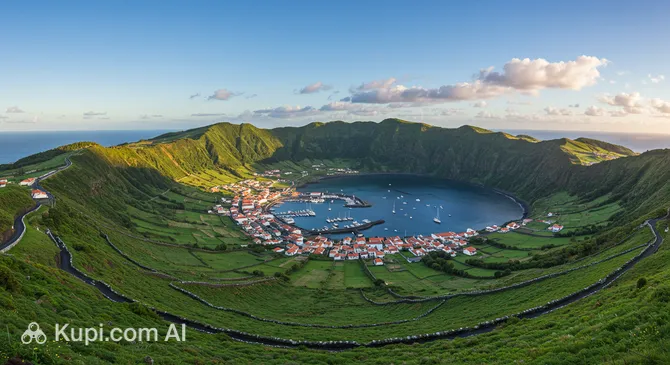
São Jorge. Source: Kupi.Binoculars

The most iconic feature of the island is its fajãs—small, flat coastal plains formed by ancient lava flows or landslides at the bottom of cliffs. There are over 70 of these unique geological formations, with the Fajã da Caldeira de Santo Cristo being a top attraction for hikers and surfers alike. While exploring these natural wonders, visitors can also learn about the history of São Jorge, which is deeply rooted in agriculture and resilience against the elements. The island is also world-famous for its delicious, spicy cheese, Queijo São Jorge, which is a must-try for any food enthusiast.

Whether you are seeking challenging hiking trails, breathtaking panoramic views, or simply a peaceful retreat surrounded by the ocean, São Jorge is an exceptional choice. Pack your walking boots and your appetite, and get ready to discover one of the most beautiful hidden gems in the Atlantic.

Weather Overview

The island enjoys a mild maritime climate typical of the Azores, characterized by moderate temperatures and varying rainfall throughout the year. Because the weather can change quickly, it is always a good idea to check the detailed forecast for the weather in São Jorge before heading out on your daily adventures. Generally, the island does not experience extreme heat or freezing cold, making it a comfortable destination for outdoor activities in almost any season.

Summer is the warmest and driest time to visit, particularly in July and August. During these months, average temperatures peak around 22.0°C, and rain is scarce, with July seeing as few as 4 wet days. This period offers the best conditions for swimming in the natural pools and hiking the famous fajãs. Even in the shoulder months of June and September, the climate remains pleasant with temperatures averaging between 18.2°C and 21.2°C.

Winters are mild but significantly wetter. From December to February, temperatures typically range from 14.2°C to 15.6°C, creating a cool but not freezing atmosphere. You can expect frequent precipitation during this season, although the rainy period often begins earlier, with November averaging about 16 wet days. While extreme cold is rare, the higher humidity and wind can make it feel cooler, so packing a waterproof jacket is essential. Expect warm, sunny summers with minimal rain and mild, wetter winters that keep the island lush and green.

Interesting Facts

Beyond the main attractions, São Jorge holds many fascinating secrets that reveal the island's unique character and history. Here are a few intriguing facts that might surprise you.

  • Europe's Rare Coffee Plantation: This island is one of the very few places in Europe where coffee is successfully cultivated. Thanks to the specific microclimate of Fajã dos Viveros, locals grow Arabica coffee plants, producing a small but unique harvest that is a true rarity on the continent.

  • Exclusive Clams of the Azores: The lagoon at Fajã da Caldeira de Santo Cristo is the only place in the entire Azores archipelago where clams grow naturally. These shellfish are considered a gastronomic delicacy and are distinct to this specific geological setting.

  • The "Mandate of God": A significant portion of the landscape was shaped by a massive earthquake in 1757, historically referred to as the "Mandate of God." This event triggered landslides that created or enlarged several of the flat coastal plains, or fajãs, that define the coastline today.

  • Giant Cheese Wheels: The famous São Jorge cheese is not just known for its flavor but also for its impressive dimensions. Traditional wheels are exceptionally large, often weighing between 7 and 12 kilograms, and their distinct taste is attributed to the wild mint and thyme that the cattle graze on freely.

How to Get There

Reaching the beautiful island of São Jorge typically involves a connection through one of the larger gateways in the Azores. For a detailed breakdown of routes and tips, you can read more about how to get to São Jorge. Most visitors arrive by air, often connecting from the main international airports in the archipelago.

The island is served by its own Sao Jorge Island Airport (SJZ), which is a small regional hub located conveniently close to the main settlements. It handles inter-island flights, primarily from other Azorean islands. The airport is situated just 13 km from the town center, meaning a transfer by taxi or bus is quick, taking approximately 40 minutes. While small, with an annual traffic of around 72,000 passengers, it provides the most direct access for those already in the region.

Since direct international flights to São Jorge are not available, travelers usually fly first to João Paulo II Airport (PDL) in Ponta Delgada or Lajes Field (TER) in Angra do Heroismo. João Paulo II Airport is the primary entry point for the Azores, located in Ponta Delgada about 227 km away. It is a large facility handling over 2.7 million passengers annually. Alternatively, Lajes Field on Terceira Island is closer, roughly 83 km from São Jorge, and serves as another key hub. From either of these airports, you will need to catch a connecting flight or, in some cases, a ferry to reach your final destination on São Jorge.

For clarity, here is a summary of the main airports:

Airport Name City Passenger Traffic Km from City
João Paulo II Airport Ponta Delgada Large 227.4
Lajes Field Angra do Heroismo Medium 82.8
Horta Airport Horta Medium 61.2
Pico Island Airport Madalena Small 37.0
Sao Jorge Island Airport São Jorge Small 13.0

Main Attractions

São Jorge is a treasure trove of natural wonders and cultural gems, offering visitors a chance to explore landscapes that feel almost untouched by time. The island's unique geology has created a series of breathtaking spots that range from volcanic peaks to coastal lagoons. Here are some of the most captivating attractions you should not miss during your visit.

One of the most iconic locations on the island is the Fajã da Caldeira de Santo Cristo. This remote coastal plain is a nature reserve famous for its underground cave system and a beautiful saltwater lagoon, the only place in the Azores where delicious clams are harvested. Accessible primarily by a scenic hiking trail or quad bike, it is a sanctuary for surfers seeking perfect waves and travelers looking for tranquility. The journey there is an adventure in itself, winding through lush vegetation and offering spectacular ocean views.

For a refreshing dip in one of nature's most stunning swimming pools, head to Poça Simão Dias located in Fajã do Ouvidor. This natural pool is renowned for its crystal-clear waters and the dramatic geological formations that surround it. The basalt columns create a striking contrast against the blue water, making it a photographer's dream and a perfect spot for snorkeling. It is widely considered one of the best natural swimming spots in the entire archipelago.

If you want to see the island from above, a hike to Pico da Esperança is essential. Standing at 1,053 meters, it is the highest point on São Jorge. From the summit, you can enjoy panoramic views of the central mountain range and, on clear days, spot the neighboring islands of Pico, Faial, Graciosa, and Terceira. The area is also rich in endemic flora, making it a rewarding experience for nature lovers and hikers alike.

Culture enthusiasts will be enchanted by the Igreja de Santa Bárbara in Manadas. Often regarded as one of the finest examples of baroque architecture in the Azores, this church dates back to the 18th century. While the exterior is simple and elegant, the interior is breathtakingly ornate, featuring intricate gilded woodcarvings, cedar wood ceilings, and beautiful tile panels depicting the life of Saint Barbara. It provides a fascinating glimpse into the island's rich religious history and artistic heritage.

Finally, do not miss the Fajã dos Cubres, another spectacular coastal plain that is easily accessible by car. It features a mesmerizing lagoon and is a fantastic spot for birdwatching. As one of the most picturesque settings on the island, it offers a peaceful atmosphere where you can admire the sheer cliffs towering above and the endless expanse of the Atlantic Ocean.

Local Cuisine

The culinary scene in São Jorge is a direct reflection of its rugged landscape and maritime heritage, offering flavors that are distinct even within the Azores archipelago. The island's cuisine is honest and rustic, relying heavily on the freshness of local ingredients, from the cattle grazing on green volcanic pastures to the abundant catch from the Atlantic. Food here is not just sustenance; it is a source of immense pride, particularly concerning the island's world-renowned dairy products.

The undisputed king of the local table is Queijo São Jorge. This semi-hard cheese, protected by a Designation of Origin (DOP), is famous for its robust, slightly spicy flavor which intensifies with age. Produced from raw cow's milk, it owes its unique taste to the wild mint and thyme that grow freely in the pastures. Visitors can enjoy it at any time of day, whether as a starter with fresh bread and jam or as a savory finish to a meal. It is so integral to the culture that a visit to the island is incomplete without tasting a slice of a massive, traditional wheel.

For seafood lovers, São Jorge offers a rare delicacy found nowhere else in the Azores: the clams of Caldeira de Santo Cristo. These clams (amêijoas) grow exclusively in the saltwater lagoon of the Fajã da Caldeira de Santo Cristo. They are typically prized for their size and flavor, often prepared simply with garlic, olive oil, and cilantro to let the natural taste shine. Beyond clams, you will find delicious limpets (lapas) served grilled with butter and garlic, and a variety of fresh fish like rockfish and parrotfish.

When it comes to sweets, the signature treat is the Espécies. These are horseshoe-shaped pastries filled with a mixture of breadcrumbs, lemon zest, and a blend of spices such as cinnamon, anise, and pepper. The name literally translates to "spices," hinting at the exotic flavors inside the thin, crispy dough. They are a perfect accompaniment to tea or coffee and make for a wonderful edible souvenir.

The drink culture on the island also has a unique surprise. São Jorge is home to one of the very few microclimates in Europe capable of supporting coffee plants. In Fajã dos Viveros, locals cultivate Arabica beans on a small scale. While production is limited, lucky visitors might find a café serving this rare, locally grown coffee. For something stronger, meals are often paired with wines from the neighboring island of Pico or local house wines, and finished with a glass of fruit liqueur.

Dining in São Jorge is a relaxed and unpretentious affair. You won't find many high-end luxury dining establishments; instead, the island is dotted with cozy, family-run restaurants and tascas (taverns). The best meals are often found in the main towns of Velas and Calheta, or in seasonal eateries down in the fajãs, where the view of the ocean complements the meal. The atmosphere is welcoming, with a focus on generous portions and genuine Azorean hospitality.

Travel Tips

Preparing for a trip to São Jorge requires a bit of foresight, as this rugged island is more about raw nature and remote villages than bustling tourist infrastructure. To help you navigate the "Dragon Island" with confidence and ease, here is a collection of essential practicalities for your journey.

  1. Clothing and Gear: The weather in the Azores is notoriously changeable, often described as "four seasons in one day." You should dress in layers, bringing a waterproof and windproof jacket even in summer. Since São Jorge is a premier hiking destination, sturdy hiking boots with good grip are essential for the steep and often slippery trails down to the fajãs. Don't forget your swimwear and water shoes for the rocky natural pools.

  2. Transportation: Public transport on the island is limited to a few bus routes that do not run frequently, making them impractical for sightseeing. The best way to get around is to rent a car. Be prepared for steep, winding roads and narrow passages, especially when driving down to the coastal plains. If you don't drive, pre-arranging taxis for drop-offs and pick-ups at trailheads is a common alternative.

  3. Finances: The official currency is the Euro (€). While credit and debit cards are widely accepted in hotels and larger restaurants in Velas and Calheta, cash is still king in smaller cafés, snack bars, and remote villages. ATMs are available in the main towns, so it is wise to withdraw sufficient cash before heading out to explore the more isolated parts of the island.

  4. Health and Safety: São Jorge is a very safe destination with low crime rates. For minor health issues, you will find pharmacies primarily in Velas and Calheta; they usually operate during standard business hours with a rotation system for emergencies. The general emergency number is 112. When hiking, always stick to marked trails and be cautious near cliff edges, as the ground can be unstable.

  5. Communication: The official language is Portuguese. While English is commonly spoken by staff in the tourism sector, younger generations, and returned emigrants, it may be less understood by older locals in rural areas. Learning a few basic phrases like "Bom dia" (Good morning) or "Obrigado" (Thank you) goes a long way. Mobile coverage is generally good, but signal can be spotty at the bottom of steep cliffs or deep in the valleys.

  6. Local Etiquette: Azoreans are known for their hospitality and politeness. It is customary to greet people when entering a shop or passing someone on a quiet hiking trail. Life here moves at a slower, more relaxed pace compared to mainland Europe; service in restaurants is not rushed, so embrace the "island time" and enjoy the atmosphere.

  7. What to Avoid: Avoid underestimating the driving times. Distances on the map look short, but the mountainous terrain means it often takes longer to get from A to B than expected. Also, never ignore "Road Closed" signs, especially after heavy rains, as landslides can occur on the steep access roads to the fajãs.

  8. Additional Tip: Keep an eye on your fuel gauge. Gas stations are not found in every village and are mostly concentrated around the main hubs of Velas, Calheta, and Topo. If you plan to spend the day exploring remote corners of the island, fill up your tank in the morning to avoid getting stranded.

With these logistics sorted, you are free to fully immerse yourself in the dramatic beauty and tranquility of São Jorge. Pack your sense of adventure, respect the local rhythm, and get ready for an unforgettable experience in the heart of the Atlantic.

Entertainment & Nightlife

Entertainment in São Jorge reflects the island's overall character: peaceful, authentic, and deeply connected to the local community. You will not find neon-lit strips, thumping mega-clubs, or all-night raves here. Instead, the nightlife is centered around socializing, enjoying good wine, and relaxing after a day of hiking. The atmosphere is incredibly laid-back, where locals and visitors mingle in open-air squares or cozy taverns, sharing stories and enjoying the mild Atlantic breeze.

The heartbeat of the island's evening activity is undoubtedly the town of Velas. As the main administrative and commercial center, it hosts the highest concentration of bars and late-night eateries. The area around the Marina of Velas and the main square, Jardim da República, is where most people congregate. On warm summer evenings, the vibe is alfresco and convivial, with people spilling out of cafes onto the pavement. The town of Calheta is the secondary hub, offering a few quieter spots to enjoy a drink, but it is generally much sleepier than Velas.

For those looking for a place to unwind, the Clube Naval de Velas is a staple of the local social scene. Located right by the water, it offers a relaxed setting where you can enjoy a cold beer or a gin and tonic while listening to the sound of the waves. It is a popular meeting point for sailors, locals, and tourists alike. Another spot worth checking out is Café Acor, known for its friendly service and central location, making it a perfect starting point for your evening. While dedicated nightclubs are rare, during the summer months, pop-up events and local festivals often turn these usually quiet venues into lively dance floors.

If you are lucky enough to visit in July, you will experience the island's true nightlife peak during the Semana Cultural das Velas (Cultural Week of Velas). During this festival, the town transforms with free open-air concerts, street food stalls, and parties that last until dawn. This is the one time of year when the dress code shifts from hiking gear to festive attire, and the energy rivals that of larger cities. Outside of festival season, the dress code remains casual and practical—jeans and a light sweater are perfectly acceptable everywhere.

Practicality is key when planning a night out. Most bars open in the late afternoon and close around midnight or 1:00 AM, though hours can extend later on weekends. Prices are generally very affordable compared to mainland Europe, with a beer or glass of wine costing significantly less than you might expect. Getting around at night requires planning; taxis are limited and do not roam the streets looking for fares. It is essential to have the number of a local taxi driver and arrange your ride home in advance, especially if you are staying in a rural accommodation far from Velas.

Safety is one of São Jorge's greatest assets. The island is incredibly safe, and walking around Velas or Calheta at night is worry-free. However, street lighting can be dim or non-existent in more remote villages and coastal fajãs, so carrying a flashlight or using your phone's torch is advisable if you are walking back to your lodging. The terrain is uneven, so watch your step on cobblestone streets and coastal paths.

While the nights are quiet, daytime entertainment offers a dose of culture and history. The Museu Francisco de Lacerda in Calheta is the island's primary museum, housing fascinating ethnographic collections that showcase the traditional Azorean way of life, from weaving to music. In Velas, the Auditorium and Cultural Center occasionally hosts theater productions, concerts, and cinema screenings, serving as a hub for the island's artistic endeavors. Whether day or night, entertainment in São Jorge is about savoring the slow pace and connecting with the unique island culture.
Parks & Museums

While São Jorge is celebrated for its wild, untamed landscapes, the island also offers curated green spaces and cultural institutions that provide a deeper understanding of its heritage. The connection between the people and the land is evident everywhere, from the meticulously maintained forest parks to the museums that preserve the island's traditions, music, and religious history. Exploring these sites offers a peaceful break from hiking the rugged trails and a chance to appreciate the Azorean way of life.

For a relaxing day surrounded by nature without the strenuous activity of a major hike, the Forest Reserve of Seven Springs (Reserva Florestal de Recreio das Sete Fontes) is the island's premier park. Located in the parish of Rosais at the northwestern tip, this expansive park is a wonderland of dense vegetation, featuring massive tree ferns, azaleas, and hydrangeas. It is equipped with excellent picnic facilities, playgrounds for children, and paths that wander through the "enchanted forest." At the end of the park, a viewpoint offers spectacular vistas of the cliffs and the neighboring islands of Pico and Faial.

Another delightful green space is the Forest Reserve of Silveira (Reserva Florestal de Recreio da Silveira). Situated in the southern part of the island, this park is smaller but equally charming, known for its collection of exotic trees and tranquil atmosphere. It serves as a perfect spot for a family barbecue or a quiet afternoon with a book. The park highlights the island's fertile volcanic soil, showcasing how varied flora thrives in this mid-Atlantic climate.

To dive into the cultural history of the island, a visit to the Francisco de Lacerda Museum (Museu Francisco de Lacerda) in Calheta is essential. Named after the famous conductor and composer born on the island, the museum is the cultural heart of São Jorge. Its collections are diverse, covering everything from local ethnography and traditional tools to musical instruments and furniture. The exhibits provide a comprehensive narrative of the island's social history, the struggles of daily life in the past, and the rich musical traditions that continue to thrive today.

In the main town of Velas, the Sacred Art Museum (Museu de Arte Sacra) offers a glimpse into the spiritual life of the islanders. Located adjacent to the Church of São Jorge, this small but significant museum houses a valuable collection of religious artifacts, including silver chalices, statues, and vestments dating back to the 16th century. These items not only represent religious devotion but also demonstrate the wealth and artistic connections the island held during the age of maritime discoveries.

For a striking reminder of the island's volcanic nature, visit the Tower of Urzelina (Torre da Urzelina). This is not a museum in the traditional sense, but an open-air historical landmark. It is the only remaining structure of a church that was buried by a volcanic eruption in 1808. The lava flow surrounded the tower but left it standing, creating a dramatic monument to the power of nature and the resilience of the local community.

For a truly authentic experience, stop by the Casa do Artesanato in Velas. Here, you can watch local artisans at work, weaving traditional wool quilts or creating wicker baskets. It is a fantastic place to see living history and perhaps pick up a genuine, handmade souvenir that supports the local economy.

Getting Around

The public transport system in São Jorge is relatively simple and modest, reflecting the island's small population and relaxed pace of life. Unlike major metropolitan areas, there are no subways, trams, or trains here. The primary and practically sole form of public transportation is the bus service. These buses connect the main towns of Velas and Calheta with various parishes and villages across the island, such as Topo at the eastern tip and Rosais at the western end. While the buses are comfortable and reliable, the network is designed primarily to serve the needs of local residents and school children rather than tourists.

When it comes to payment, the system is straightforward and old-fashioned. There are no complex travel apps, smart cards, or pre-paid turnstiles. You simply purchase your ticket directly from the driver upon boarding. Payment is made in cash, so it is essential to carry small change, as drivers may not always have enough change for large bills. Fares are calculated based on the distance traveled or the number of zones you cross, but prices are generally very affordable, making it a budget-friendly option for getting from one main settlement to another.

For tourists relying on the bus, planning is crucial. Service frequency is low, with some routes operating only a few times a day, and schedules are often aligned with school hours or working commutes. On weekends and public holidays, services are significantly reduced or even non-existent on certain routes. You can usually find the current timetables posted at the main bus stops in Velas and Calheta, or you can ask for a printed schedule at the local tourist office. It is advisable to arrive at the bus stop a few minutes early, as departure times can sometimes be approximate.

Given the limitations of the bus network, most visitors find that renting a car is the most practical alternative for exploring the island. Having your own vehicle gives you the freedom to visit remote fajãs and viewpoints that are not served by public transport. Car rental agencies are available at the airport and the ferry terminal in Velas. However, due to the limited fleet on the island, booking your vehicle well in advance, especially during the summer months, is highly recommended.

Taxis are another reliable option, particularly for airport transfers or one-off trips to hiking trailheads. You can find taxi ranks in the center of Velas and Calheta, or near the airport. Taxis can be hired for specific point-to-point trips or booked for half-day or full-day tours, which can be a great way to see the island with a local driver who knows the roads well. While more expensive than the bus, taxis offer flexibility without the responsibility of driving on steep, winding mountain roads.

Accommodation

Accommodation in São Jorge is characterized by its intimate and authentic nature, reflecting the island's peaceful atmosphere. You will not find massive high-rise hotel chains or sprawling all-inclusive resorts here. Instead, the island offers a charming selection of boutique hotels, guesthouses, and a significant number of Turismo Rural (rural tourism) properties. These often involve beautifully renovated traditional stone houses that blend seamlessly with the landscape, offering visitors a chance to live like a local.

When choosing where to stay, the location depends largely on your transportation plans and the type of experience you seek. The main town of Velas is the most popular base for tourists. Staying here offers the convenience of being close to the ferry terminal, the airport, and the island's highest concentration of restaurants and shops. It is an ideal hub for those who want easy access to services and a bit of evening social life. The secondary town, Calheta, offers a quieter alternative on the eastern side of the island, perfect for those looking to disconnect.

For a truly unique Azorean experience, consider booking a stay in one of the fajãs. Many of the traditional cottages down by the sea, particularly in places like Fajã dos Cubres or the car-free Fajã da Caldeira de Santo Cristo, have been converted into vacation rentals. These locations offer unparalleled proximity to the ocean and nature, though they may require a bit more planning regarding logistics and supplies. The area of Urzelina is also a favorite among repeat visitors due to its sunny microclimate and central location along the southern coast.

Booking Tip: Because the accommodation capacity on the island is relatively limited compared to larger destinations, it is highly recommended to book your stay well in advance. This is especially critical if you plan to visit during the peak summer months of July and August, or during the Cultural Week of Velas, when the island is often fully booked months ahead.

The price range in São Jorge is generally moderate and offers good value for money compared to mainland Europe. You can find budget-friendly hostels and guesthouses, as well as mid-range hotels and slightly more upscale private villas. Most accommodations can be booked through major online platforms, but many smaller, family-run rural houses also accept direct bookings. Regardless of where you choose, you can expect a warm welcome and a cozy retreat after a day of exploring the cliffs and trails.

Nearby Cities

For those looking to explore the surroundings, São Jorge serves as an excellent base for day trips to several interesting nearby locations:
City Population Distance (km)
Funchal 111892 1205
Ponta Delgada 68809 230
Santa Cruz 43005 1212
Camara de Lobos 35666 1199
Angra do Heroismo 35402 70

Among the destinations listed, Angra do Heroismo on Terceira Island is the closest and most culturally significant option for a short visit. Recognized as a UNESCO World Heritage site, this city is renowned for its well-preserved Renaissance architecture, colorful facades, and the impressive fortress of São João Baptista. A trip here offers a deep dive into the maritime history of the Azores, with charming cobblestone streets and a vibrant harbor atmosphere.

Although further away, Ponta Delgada on São Miguel Island is the administrative capital and the largest city in the archipelago. It serves as the primary gateway to the Azores and offers a mix of historic charm and modern amenities. Visitors can explore the iconic city gates, the Fort of São Brás, and use it as a launching point to see the famous twin lakes of Sete Cidades. While it requires a short flight from São Jorge, the urban energy and extensive dining options make it a worthwhile excursion.

These nearby destinations offer a glimpse into the diverse culture and landscapes of the region.

Shopping & Souvenirs

Shopping in São Jorge is a delightful experience that focuses on authenticity rather than abundance. Unlike major tourist destinations filled with international chains and high-end fashion boutiques, this island offers a more intimate retail landscape. Here, the shopping scene is centered around local craftsmanship, regional delicacies, and essential goods. Visitors will find that the best purchases are those that reflect the island's culture and natural resources, from world-famous dairy products to handmade textiles.

The primary hub for shopping is the town of Velas. As the island's capital, its compact center features a selection of small shops and boutiques scattered along the main streets near the port and the Jardim da República. A stroll through these cobblestone lanes reveals family-run businesses selling clothing, shoes, and home goods. Calheta, the second-largest town, also has a small commercial area catering to basic needs, but for a leisurely browsing experience, Velas remains the most vibrant option.

Travelers should not expect to find large shopping malls or department stores on São Jorge. The retail infrastructure is modest, designed to serve the local population's daily needs. For groceries and general supplies, there are supermarkets and smaller grocery stores (mercearias) in the main towns. These are the go-to places for hikers looking to stock up on snacks, water, and picnic supplies before heading out to the trails.

For a taste of local life, the Mercado Municipal de Velas is a key stop. Although small, this market is the best place to find fresh, locally grown fruits and vegetables, as well as freshly caught fish. It offers a genuine glimpse into the island's agricultural roots. Additionally, throughout the island, you may encounter small roadside stalls or cooperatives selling seasonal produce directly from the farmers.

When it comes to souvenirs, São Jorge boasts some of the finest edible gifts in the Azores. The absolute must-buy is the Queijo São Jorge, a robust, aged cow's milk cheese that is famous worldwide. You can purchase it at the dedicated factory shops or local supermarkets, often vacuum-packed for travel. Another top choice is the premium canned tuna from Santa Catarina, produced locally in Calheta and available in various delicious sauces. For something truly unique, look for bags of locally grown coffee from Fajã dos Viveros, or traditional handicrafts like wool quilts and woven goods found at the Casa do Artesanato in Velas.

Store opening hours in São Jorge typically follow a traditional schedule. Most small shops open around 9:00 AM or 10:00 AM, close for a lunch break between 12:30 PM and 2:00 PM, and reopen until 6:00 PM or 7:00 PM. Supermarkets generally stay open throughout the day and may have extended hours. On Sundays, many smaller businesses are closed, so it is wise to plan your shopping for weekdays or Saturday mornings.

Regarding payment, while supermarkets and established shops in Velas and Calheta widely accept credit and debit cards, cash is still very important on the island. Smaller cafés, souvenir shops in remote villages, or market vendors may only accept cash (Euros). It is recommended to carry sufficient cash when exploring outside the main towns. As part of Portugal, the standard tax-free shopping schemes for non-EU residents apply, but given the small nature of most local businesses, the Tax-Free shopping signage and processing might be rare compared to mainland cities.

Reached the end of the page?

That means the route is fully explored