Support

Sortavala

About

Sortavala is a cozy and atmospheric city located on the northern shore of Lake Ladoga, surrounded by picturesque skerries and dense coniferous forests. Situated in the Republic of Karelia, this unique corner of Russia attracts travelers with its tranquility and harmonious blend of rugged natural beauty and elegant architecture. Despite its small population—about 18,800 people—the city serves as an important cultural and tourist center for the region.

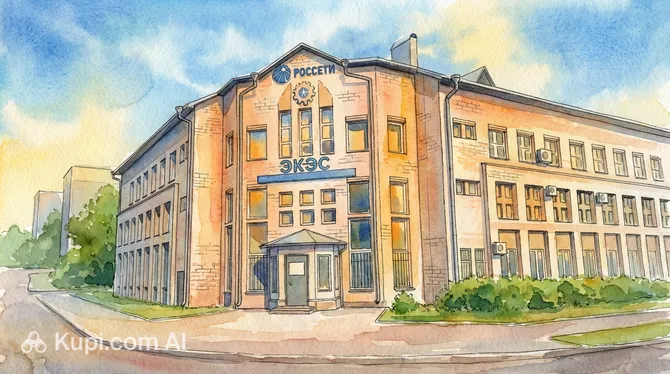
Sortavala. Illustration.
Source: Kupi.com AI

The city's appearance has been shaped over centuries by Karelian, Swedish, and Finnish traditions, which is clearly visible in its buildings. Walking through the streets, you can see magnificent examples of Northern Art Nouveau and National Romanticism. The multifaceted history of Sortavala is closely linked to its geographical position at the crossroads of water and land routes, which has fostered a unique cultural environment.

For tourists, the city serves as the perfect starting point for exploring the main treasures of the Ladoga region. From here, it is most convenient to set off on a boat trip to the legendary Valaam Island or explore the mysterious Ladoga Skerries by motorboat. Additionally, the famous Ruskeala Mountain Park is located nearby. Visiting Sortavala is worth it for the fresh lake air, the silence, and the chance to experience true northern charm.

Weather Overview

The climate of Sortavala is largely determined by its proximity to the vast Lake Ladoga, which acts as a natural thermoregulator, softening seasonal temperature fluctuations. A moderate continental climate with maritime features prevails here: winters are quite mild for northern latitudes, and summers are not hot and are comfortable for walking.

The warmest time of the year is July, when the average temperature stays around 17.3°C, and on fine days, the air can warm up to 20.6°C. This is the best period for exploring the skerries, although an umbrella might come in handy: between 11 and 15 rainy days per month are recorded in summer. Expect a moderately warm summer with periodic precipitation and a snowy, humid winter.

The winter season is characterized by high humidity and abundant precipitation, especially in December, which sees up to 19 "wet" days. The lowest temperatures usually occur in February, reaching a minimum of around -7.8°C. To ensure your trip is comfortable in any season, we recommend checking detailed information about the climate of Sortavala in advance and preparing appropriate clothing.

Average monthly temperature

Average monthly precipitation

Interesting Facts

In addition to its main attractions, Sortavala holds many fascinating secrets that only the most attentive travelers discover. This city wonderfully intertwines natural power with refined man-made heritage.

  • The city is often called an "encyclopedia of Finnish architecture." Sortavala is a true open-air museum, where many buildings erected more than a hundred years ago have been preserved. A walk through the central streets turns into a journey through time, as every house here has its own unique appearance and story.

  • A unique Rune Singer Monument is installed in the city center. This sculpture symbolizes the region's deep cultural roots and is dedicated to the folk storytellers who for centuries preserved and passed on oral epic songs known as runes. It is thanks to them that ancient Karelian myths and legends have reached us.

  • Near the city limits rises Mount Paaso. This is not just a picturesque viewpoint, but an ancient settlement site where, according to legend, Karelians lived in ancient times. The summit offers breathtaking panoramas of forests and lakes, and the site itself is shrouded in mysterious legends.

  • Sortavala became a place of creativity for the famous master Kronid Gogolev. The city hosts a cultural and exhibition center named after him, featuring stunning pictures created using a complex wood-carving technique. These works are considered the pride of the region and are known far beyond its borders.

How to Get There

When planning a trip to Karelia, it is worth thinking about logistics in advance, as there are no direct flights to the city itself. You can find out more about how to get to Sortavala by various types of transport to choose the most comfortable route.

There is no airport in Sortavala, but you can fly into major transport hubs in neighboring regions. One of the most popular options is Pulkovo International Airport (LED) in Saint Petersburg, located approximately 214 km from Sortavala. The journey from there by taxi or bus takes about 5 hours and 40 minutes. Another option is the regional Besovets Airport (PES) in Petrozavodsk, situated 183 km from the destination; travel time is about 5 hours.

For convenience, here is a summary of the main airports:

AirportPassenger trafficDistance
Savonlinna Airport15 00096 km
Joensuu Airport38 800121 km
Lappeenranta33 852155 km
Besovets100 000183 km
Kuopio Airport126 083209 km

Railway connections are well-developed and very popular with tourists. The main arrival point is the Sortavala (station), located directly in the city, just 1.8 km from the center, making travel very convenient. Also within the city limits is the Yakkyma station, located slightly further from the historical center.

Below is information about the railway stations:

StationPassenger trafficDistance
Sortavala Station250 0002 km
Yakkima Station40 00037 km
Khelyulya Station30 0004 km
Elisenvaara Station60 km
Alkho Station67 km
Khiitola Station75 km
Kuznechnoye Station79 km
Priozersk Railway Station81 km

Main Attractions

Sortavala is a real treasure trove for lovers of northern nature and history. The city and its surroundings offer travelers a unique combination of majestic landscapes and cultural monuments. Here are several key places that you should definitely include in your itinerary.

Ruskeala Mountain Park. Perhaps the most famous attraction in the region, located near the city. The heart of the park is the flooded Marble Canyon, where stone was once quarried to decorate the palaces of St. Petersburg. Today, it is a well-maintained space with walking paths, observation decks, and artistic lighting. Tourists come here for the breathtaking views of sheer marble cliffs reflecting in turquoise water and the opportunity to take a boat trip through mysterious grottoes.

Valaam Monastery. Sortavala serves as the main "gateway" to Valaam—a legendary island in Lake Ladoga. A visit to the stauropegic monastery is interesting not only for pilgrims but also for all lovers of architecture and history. Majestic cathedrals, ancient hermitages, secluded forest paths, and the island's rugged beauty create a special atmosphere of peace that draws people from all over the country.

Ladoga Skerries National Park. This is a unique natural complex consisting of hundreds of rocky islands separated by narrow, winding straits. The landscape here is often compared to Norwegian fjords. Traveling through the skerries by motorboat or kayak is the best way to see the power of Ladoga up close, observe the local fauna, and enjoy the silence of the wilderness. This place is perfect for those seeking inspiration and a connection with the water element.

Kronid Gogolev Exhibition Center. In the very center of Sortavala is a museum dedicated to the work of this outstanding artist. Kronid Gogolev became famous for his works in a unique technique of multi-layered wood carving. His three-dimensional pictures, with incredible detail, tell stories about the daily life of the Karelian people, northern nature, and themes from the Kalevala epic. Visiting the center allows you to experience a truly original art form with few parallels elsewhere.

Mount Paaso. For those who want to see the surroundings from a bird's-eye view, climbing Mount Paaso is a great adventure. This ancient Karelian settlement site is located on a high cliff at the entrance to the city. A convenient wooden staircase leads to the summit through a picturesque coniferous forest. From the top, a stunning panorama opens up over the lake, the river, and the trains passing below, including the famous Ruskeala Express retro train.

Local Cuisine

The gastronomic scene of Sortavala is an amazing combination of ancient Karelian recipes and the freshest northern products. The cuisine here is simple but incredibly filling and soul-warming, based on the gifts of the forest and, of course, Lake Ladoga. Travelers should prepare for an abundance of fish dishes, traditional pastries, and the bright flavors of forest berries.

The main culinary symbol of the region is rightfully considered to be kalitki. These small, open rye-dough pastries with pinched edges can be found in almost every cafe or bakery in the city. Traditional fillings include mashed potatoes, rice, or cottage cheese, and they are served hot, generously brushed with butter or sour cream. Another "must-try" dish is authentic Karelian fish soup (ukha). It is often cooked over an open fire, which gives the soup a unique smoky aroma, while the use of local fish (whitefish, trout, or vendace) makes the taste rich and memorable.

Among drinks, natural fruit drinks made from northern berries hold a special place, particularly cranberry mors, which is very refreshing and invigorating. Fragrant herbal blends and teas brewed from local plants are also popular. As a tasty souvenir or an addition to tea time, tourists often choose cloudberry, lingonberry, or blueberry jam.

The dining culture in Sortavala encourages a slow enjoyment of food. Many of the city's restaurants and cafes specialize in authentic cuisine, remaining faithful to the traditions of the Northern Ladoga region. For those who want to take a piece of the flavor home, city markets and farmers' stalls are available. Here you can buy freshly dried fish, pickled mushrooms, honey, and nuts. Additionally, the city regularly hosts gastronomic festivals where street food turns into a real celebration of taste.

Travel Tips

Welcome to Sortavala! To make your journey through the heart of the Northern Ladoga region as comfortable and surprise-free as possible, we have prepared a list of important practical recommendations to help you plan the perfect trip.

  1. Clothing and gear. The weather in Karelia is extremely changeable, so the main principle in clothing is layering. Even in summer, be sure to bring a waterproof windbreaker or raincoat, as well as comfortable trekking shoes with non-slip soles for walking along rocky shores. If you plan to visit the Valaam Monastery, remember the strict dress code: women need a skirt below the knee and a head covering, and men should not wear shorts or tank tops.
  2. Transport. Sortavala is a compact city, and its historical center is most pleasant to explore on foot. Public transport consists of small buses, but they do not run very often. For trips to remote attractions, it is more convenient to use a taxi (the Yandex Go app works, as well as local phone dispatch services). If you want freedom of movement around the surrounding areas, consider renting a car, but it's better to book it in advance.
  3. Finances. Most shops, cafes, and hotels accept bank cards (of the MIR payment system) and transfers. However, cash is a must: you will need it for buying souvenirs from artisans, paying for boats at the pier, or at small kiosks. ATMs of major banks are concentrated in the city center, around Karelskaya Street.
  4. Health and safety. During the summer season (from May to September), ticks and mosquitoes are active in the Karelian forests. Be sure to use repellents and wear closed clothing when going out into nature. There are pharmacies in the city, but few are open 24 hours, so it's better to bring a basic set of medicines with you. The city is safe for tourists, but at natural sites, be careful on the edges of cliffs and rocks.
  5. Connectivity and navigation. Within the city limits, mobile signal and 4G internet work stably with all major operators. However, when heading out for a boat trip to the Ladoga Skerries or deep into the forests, be prepared for the signal to disappear. We recommend downloading offline maps of the region to your smartphone in advance so as not to lose your way.
  6. Local etiquette. Residents of Sortavala are hospitable but value peace and restraint. It is customary to say hello when entering small shops or museums. The most important rule of etiquette concerns nature: leaving trash in the forest or on islands is considered bad manners and a sign of disrespect for the region. All trash should be taken back with you to the nearest city container.
  7. What to avoid. It is categorically recommended not to ignore storm warnings from the Ministry of Emergency Situations when planning boat trips on Ladoga. The lake is treacherous, and the weather changes instantly—waves can be dangerous even for experienced captains. Also, avoid walking on wet rocks ("sheep's backs") without safety gear or appropriate footwear—they are very slippery.
  8. Planning tip. If your goal is the famous Ruskeala Express retro train, make sure to buy tickets several weeks before your trip. This is an incredibly popular attraction, and seats, especially on weekends, sell out very quickly.

We hope these simple tips help you feel confident and allow you to focus on the main thing—enjoying the rugged beauty of Karelian nature and the unique architecture of Sortavala. We wish you an unforgettable journey!

Entertainment & Nightlife

Sortavala's nightlife has its own distinctive, understated northern rhythm. Since it is a small city with a population of less than 20,000, you won't find noisy blocks with neon signs or 24-hour rave clubs. Evening entertainment here consists primarily of cozy gastronomic gatherings, live music in hotel restaurants, and walks through the atmospherically lit streets of the historical center.

The center of evening activity is Karelskaya Street and the adjacent embankment. This is where most establishments are concentrated, offering a pleasant way to spend time after sunset. The atmosphere in the city is very democratic and relaxed: a strict evening dress code is not common, and in most places, you will feel comfortable in casual style or even in neat outdoor clothing after a trip to the skerries.

If you are looking for a place to spend the evening, several iconic spots are worth noting. One of the most popular establishments is the Piipun Piha ("The Chimney Yard") tourist complex and restaurant. Located on the lakeshore in a former sawmill building, it attracts tourists not only with its cuisine but also with dance evenings often held on weekends. It is one of the few places where an evening dinner can seamlessly turn into a disco.

For a more quiet and respectable holiday, the restaurant at the Seurahuone hotel or the restored historical Berg House is suitable. Here, the emphasis is on tasting Karelian infusions, wine, and local dishes in interiors that recreate the era of the early 20th century. This is an excellent choice for a romantic dinner or a quiet conversation with friends.

Practical tips for night owls:

  • Opening hours: Keep in mind that the pace of life in Karelia is leisurely. The kitchens of many restaurants close as early as 10:00 PM – 11:00 PM, and bars rarely stay open until morning. Plan your dinner in advance.
  • Safety: Sortavala is a safe and quiet city. Walking in the center even after dark poses no threat; however, you should be careful in unlit areas of the streets and near the water.
  • Transport: Public transport does not run at night. The most reliable way to get to your hotel is by taxi (the Yandex Go service and local dispatch services are available). Trip prices around the city remain affordable.

Daytime entertainment in the city is just as interesting and often overlaps with the cultural context. If you have free time before evening, be sure to visit Vakkosalmi Park. This is not just a green zone, but a unique landscape featuring the "Singing Field"—a huge natural stage with magnificent acoustics. By climbing to the observation deck of Mount Kuhavuori in the park, you can watch the sunset and take some of the best panoramic photos of the city. Also noteworthy is the Museum of the Northern Ladoga Region, located in a beautiful historical building, where you can dive deeper into the history of this land.

Parks & Museums

Sortavala offers tourists a wonderful balance between cultural enlightenment and outdoor recreation. Surrounded by forests and the lake, the city itself resembles a large natural park; however, there are specially equipped green zones and museums that will help you understand the soul of the Northern Ladoga region better.

Vakkosalmi Park. This is not just a city park, but a true natural monument and a favorite vacation spot for locals. The park's main feature is its natural landscape, which has remained almost untouched by man. Here you will find shady alleys among ancient pines and the famous "Singing Field"—a huge natural bowl at the foot of the mountain with unique acoustics. Be sure to climb the concrete stairs to the top of Mount Kuhavuori: it offers perhaps the best panoramic view of the city and the bay of Lake Ladoga, especially picturesque at sunset.

Bastion Historical Park. Located on the outskirts of the city, this large-scale complex is one of the most interactive places in Karelia. Its main part is the "Svartbjornborg" (Black Bear Fortress) Viking Age museum. This is a reconstructed settlement where there are no display cases or barriers: any exhibit, whether it be a sword, a shield, or a household item, can be picked up, tried on, and tested. Tourists value this place for its total immersion in history, the opportunity to try archery, and to taste mead in an authentic feast hall.

Museum of the Northern Ladoga Region. The city's main local history museum is housed in a historical building—the former house of Doctor Winter, which is itself an architectural monument from the early 20th century. The museum's exhibition is compact but very rich. Here you can learn about the geological past of the region, the mining of the famous Sortavala granite and marble, and study the complex and dramatic history of the region as it passed between Sweden, Russia, and Finland. Of particular interest are the collections of rare minerals and ethnographic items.

Kronid Gogolev Cultural and Exhibition Center. Although we mentioned this place earlier, it is impossible to talk about the museums of Sortavala without highlighting this gallery as a key cultural site. This is the only place where a complete collection of the master's unique wooden reliefs is gathered. Visitors come here to examine the three-dimensional paintings carved from linden in detail, which seem to come to life through the play of light and shadow. The gallery also serves as a venue for temporary exhibitions of other Karelian artists and photographers.

For those looking for unconventional experiences, we suggest stopping by the Kronid Gogolev Private Collection Museum (not to be confused with the exhibition center), if it is open to visitors, or taking a walk to the old Finnish cemetery, which is a kind of park of silence and history. And if you want to see the city from the water but are not ready for a long voyage, take a walk along the embankment on Lenin Street to the wishing stone—a cozy area for contemplating the Ladoga waves right in the center of the city.
Getting Around

The public transport system in Sortavala is quite modest and simple, which perfectly matches the compact size of this cozy city. You won't find a metro, trams, or trolleybuses here. The only form of city transport is buses (most often these are minibuses or small-capacity buses) that run along several main routes. They connect the historical center with the railway station, the bus station, residential areas, and satellite villages.

Fares are paid the old-fashioned way—directly to the driver upon boarding. The ticket price is fixed and very affordable. An important tip for tourists: although digitalization is gradually penetrating here too, terminals for paying by bank cards or smartphones are not available in all vehicles. Cash remains the most reliable way to pay. We strongly recommend having small bills and coins with you to avoid delays when looking for change.

The transport operating schedule has its own peculiarities that are worth knowing in advance. Buses start running early in the morning but finish quite early—after 8:00 PM or 9:00 PM, it can be problematic to catch a minibus. Departure intervals can range from 15 to 40 minutes depending on the route and time of day. Strict schedules at stops are not always followed, so when planning trips for a specific time (for example, for a train departure), it is better to allow for extra time.

The most popular alternative to buses is the taxi. The Yandex Go app works in Sortavala, which is very convenient for tourists used to aggregators. Local dispatch services also operate, and their numbers can be obtained at the hotel reception. Keep in mind that during the peak tourist season, there may not be enough cars, and prices rise dynamically. Car sharing is not represented in the city, but in the summer period, you can find bicycle and electric scooter rental points, which is a great way to see the sights.

The unique "tourist" transport integrated into the urban environment deserves special mention. This refers to the railway connection with the mountain park. From the Sortavala station, the famous steam-powered retro train, the Ruskeala Express, runs, as well as modern "Orlan" rail buses. Although these are more of an attraction, they perform an important transport function, delivering passengers to one of the region's main locations faster and more comfortably than road transport.

Accommodation

Sortavala, being one of the most popular tourist centers in Karelia, offers travelers various accommodation options, although the city's overall room stock is quite limited. The range of housing varies from simple hostels and Soviet-style hotels to modern boutique hotels and atmospheric holiday retreats. In recent years, glamping sites located in the city's surroundings and daily apartment rentals have gained particular popularity, often becoming a lifesaver during the peak season.

When choosing a place to stay, you should consider your plans. The historical center (around Karelskaya Street and Kirov Square) is ideal for those who want to be in the thick of things, close to cafes, museums, and architectural monuments. If your main goal is water travel to Valaam or the Ladoga Skerries, it is convenient to consider options closer to the embankment and the pier, where "Meteors" and motorboats depart. For lovers of peace and nature, the best choice would be country clubs and cottages on the shores of Lake Ladoga, just a 5–10 minute drive from the city.

Several well-known hotels operate in the city, occupying historical buildings or successfully integrated into the coastal landscape. However, due to the absence of large international chains, service levels and prices can vary greatly. Travelers should be prepared for the fact that many hotels offer basic comfort, focusing on authenticity and location rather than luxury interiors.

Booking tip: This is a critically important point for a trip to Sortavala. The demand for housing here is colossal, especially in the summer months (July–August) and during the New Year holidays. Good options are booked 2–3 months before the arrival date. If you plan a trip during the high season, do not delay booking until the last moment, or you risk being left without a place to sleep or overpaying for the only remaining options.

The price range in Sortavala can be described as medium and above average compared to other cities in the region. Prices rise significantly on weekends and holidays. It is most convenient to book accommodation through major Russian online platforms or by contacting hotels and apartment owners directly, which sometimes allows you to find better deals.

Nearby Cities

For those who want to explore the surroundings, Sortavala serves as an excellent starting point for day trips to several interesting nearby locations:

Vyborg. Located about 150 km away, this city is unique for its medieval atmosphere. It is the only place in Russia where an authentic Western European castle has been preserved. Tourists come here to wander through the narrow cobbled streets of the Old Town, see the Clock Tower, and enjoy the silence in the picturesque Monrepos rocky park on the shores of the bay.

Petrozavodsk. The capital of the Republic of Karelia is situated on the shores of Lake Onega. The city attracts visitors with its famous embankment, decorated with avant-garde sculptures—gifts from sister cities. Here you can visit the National Museum of Karelia to learn more about the region's history or simply enjoy the views of the endless lake.

Saint Petersburg. Although the Northern Capital is often the starting point of a journey, it deserves separate attention. Majestic architecture, drawbridges, the Hermitage, and endless canals make this city one of the most beautiful in the world, and it can be reached on the comfortable "Lastochka" train.

CityPopulationDistance
Pitkyaranta10 47944 km
Kitee10 83253 km
Priozersk18 55280 km
Savonlinna35 52397 km
Suoyarvi8 92098 km

These nearby destinations provide an insight into the diverse culture and landscapes of the region.

Shopping & Souvenirs

Shopping in Sortavala is not about chasing global brands or high fashion, but about an exciting immersion into local culture and gastronomy. The city is not abundant in huge shopping malls, but it charms with its cozy stalls and specialized shops. The main value of local purchases lies in their authenticity: people bring home unique folk crafts and environmentally friendly products of northern nature.

The city's main commercial life is concentrated on the main street—Karelskaya Street. Walking along it, tourists will find most of the souvenir shops, pharmacies, bookstores, and grocery markets. This is a convenient route that allows you to combine sightseeing with shopping. It is here and in the adjacent side streets that you can find shops with signs offering "Made in Karelia" goods.

Due to the small size of the city, there are no giant malls familiar to metropolises. However, for comfortable shopping, there are several small shopping centers, the most famous of which is the Yar TC. Here you can find clothing, electronics, and household goods stores. This place is more for utilitarian purchases if you suddenly need something for everyday use during your trip.

Specialized fish shops and small markets deserve special attention, as they are an important part of gastronomic tourism. It is best to look for the freshest fish and delicacies in the branded outlets of local trout farms, for example, in the shop at the trout farm or at the counters in the center. Also popular are the souvenir rows at the city pier where boats depart for Valaam: here you can buy handmade items just before your water excursion.

The choice of souvenirs in Sortavala is truly rich and reflects the soul of Karelia. Here is what is worth bringing back with you:

  • Karelian birch products. Wood with a unique marble pattern is used to create boxes, watches, jewelry, and interior items. This is an expensive but prestigious and long-lasting gift.
  • Shungite. This unique black mineral is mined only in Karelia. Tourists buy cosmetics based on it, jewelry, figurines, and water filters.
  • Gastronomy. Be sure to buy a jar of cloudberry, lingonberry, or blueberry jam. Smoked trout, vendace, or caviar make excellent gifts.
  • Karelian balsam and teas. Famous infusions made with northern herbs and berries, as well as fermented Ivan-tea, are popular tasty souvenirs.
  • Ceramics and textiles. Items with traditional Zaonezhye embroidery or signature ceramics from local masters will decorate any home.

Most shops in Sortavala operate on a standard schedule: from 10:00 AM to 7:00 PM or 8:00 PM; grocery supermarkets are open longer. Bank cards are accepted almost everywhere; however, if you plan to shop at small souvenir kiosks, market stalls, or from private artisans, we strongly recommend having cash with you. The Tax Free system is generally not common in small Karelian towns, so you should not count on a tax refund.

Reached the end of the page?

That means the route is fully explored