Support

Tula

About

Tula is an amazing city where history and modernity are harmoniously intertwined, turning every walk through its streets into a fascinating journey through the centuries. This place has a special, soulful atmosphere that charms from the very first meeting.

Located on the picturesque banks of the Upa River, about 180 kilometers south of Moscow, Tula is an important industrial, scientific, and cultural center of Central Russia. The city serves as the administrative center of the Tula Region and has a population of about 485,000 people. The climate here is humid continental, with warm summers and moderately cold winters, making it attractive for visiting at any time of year.
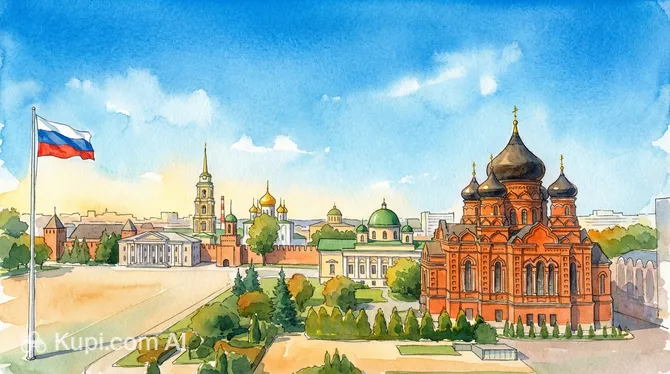
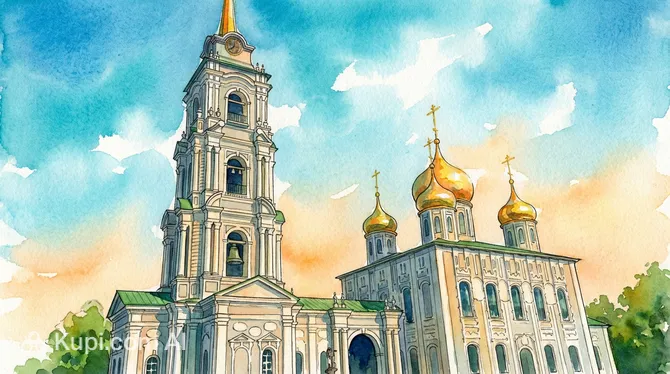
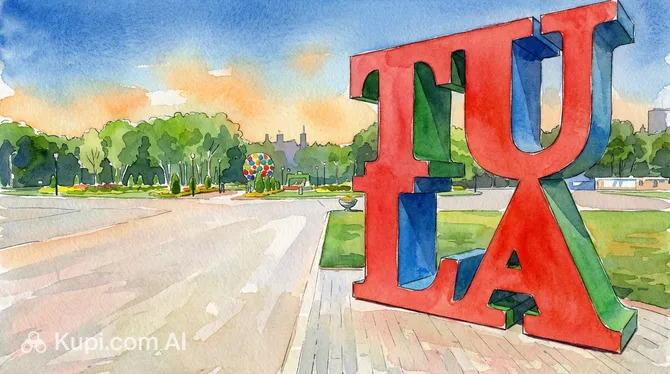
Tula. Illustration.
Source: Kupi.com AI

Tula is famous not only for its rich history but also for its unique crafts. The city is rightfully proud of its gunsmiths, samovars, and, of course, the famous Tula gingerbread. Among the key attractions that are definitely worth a visit are the majestic Tula Kremlin, a witness to the city's centuries-old history, and the world-famous Yasnaya Polyana museum-estate, where the great Russian writer Leo Tolstoy lived and worked. Tula is also known for its Museum of Weapons, one of the oldest in the country, and the Tula Samovars Museum.

In addition to historical sites, modern Tula offers guests cozy pedestrian streets, such as Metallistov Street, which has been transformed into a museum quarter, creative spaces, and numerous cafes and restaurants. This is a city that knows how to surprise and leave warm memories. Come to Tula to feel its unique flavor, touch Russian culture, and take a piece of its soul with you.

You can find more interesting facts on the history of Tula page.
Weather Overview

The weather in Tula is characterized by a humid continental climate with clearly defined seasons. Summer is warm here; for example, in July, the average temperature is about 19.1°C, and maximum daytime temperatures can reach 23.6°C. August is also warm, with an average temperature of 18.7°C. Winters in Tula are cold and long. January is the coldest month, with an average temperature of -6.5°C and night frosts dropping to -8.8°C. Spring and autumn are transitional seasons with gradual changes in temperature.

Precipitation in Tula is distributed relatively evenly throughout the year, although the total amount is small (an average of 1-2 mm per month according to the data provided). The number of days with precipitation varies from 8 in September to 14 days in July and December. Overall, expect a warm summer with occasional rain and cold, snowy winters. To get more detailed information about the climate and the current forecast, you can visit the Tula Climate page.

Average monthly temperature

Average monthly precipitation

Interesting Facts

In addition to the world-famous gingerbread, samovars, and weapons, Tula hides many curious stories and unique details that make this city truly special. Get ready to be surprised, as here are just a few of them:

Tula State Museum of Weapons. Illustration.
Source: Kupi.com AI

Traveler photos:

  • There is a popular local legend that the great writer Leo Tolstoy, whose Yasnaya Polyana estate is located nearby, often visited Tula on foot to buy the famous Tula gingerbread for his family and guests.

  • One of the most unusual exhibits of the Tula State Museum of Weapons, which is one of the oldest in Russia, is considered to be not a formidable rifle or cannon, but a miniature steel flea, shod by Tula masters. This masterpiece symbolizes the incredible skill of local gunsmiths, celebrated by Nikolai Leskov.

  • On the pedestrian Metallistov Street, which locals affectionately call the "Tula Arbat," among the 19th-century merchant mansions, you can find a very original fountain made in the shape of a giant samovar—another symbol of the city.

  • The famous Tula gingerbread is not just a treat, but a real brand. In Tula, it is not only dedicated the Gingerbread Museum in the Kremlin, but an impressive bronze monument has also been installed in one of the city squares, which has become a popular spot for photos.

How to Get There

When planning a trip to Tula, an ancient Russian city known for its gingerbread, samovars, and gunsmithing, it is worth thinking about the route in advance. You can get to Tula in several ways, including air and rail transport, as well as by car.

Although Tula itself does not have its own major airport serving regular passenger flights, travelers can use the airports of neighboring cities. The most convenient options are Moscow airports. For example, Domodedovo International Airport (DME), located in Moscow, is about 136 km from Tula. It is one of the largest airports in Russia, from where you can get to Tula by taxi or bus in about 3.5-4.5 hours, depending on the traffic situation. Another major Moscow hub—Sheremetyevo International Airport (SVO), also in Moscow, is located at a distance of about 197 km. The trip from here to Tula will take approximately 5-6 hours. The closest airport to Tula is Grabtsevo Airport (KLF) in Kaluga, about 90 km away. This is a regional airport, and the road from it to Tula by car can take about 2.5-3 hours.

For clarity, here is a summary of the main airports through which you can reach Tula:

AirportPassenger trafficDistance
Grabtsevo100 00090 km
Domodedovo15.6 mln136 km
Zhukovsky1.7 mln154 km
Vnukovo16 mln156 km
Sheremetyevo36.3 mln197 km

Rail communication is one of the most convenient ways to get to Tula. The city has several railway stations. One of the key ones is the Tula-Vyazemskaya (Ryazhsky Station), located almost in the center of the city, only 0.8 km away. This is a significant transport hub for the region. Another important station is Tula-1 Kurskaya, located about 2.8 km from the center. Both stations receive long-distance trains and suburban electric trains connecting Tula with Moscow and other cities in Russia.

Here is the information on the main railway stations related to a trip to Tula:

StationPassenger trafficDistance
Tula Kurskaya Station2.5 mln3 km
Yasnaya Polyana Station150 00013 km
Shchekino Station450 00023 km
Yasnogorsk Railway Station31 km
Novomoskovskaya I Station400 00042 km
Venev Railway Station150 00044 km

In addition, Tula has good road connections with Moscow (federal highway M2 "Crimea") and other large cities, which makes a trip by private car or bus quite comfortable as well.

Main Attractions

Tula is a city with a rich history and unique traditions that attracts tourists with its famous gunsmiths, samovars, and, of course, gingerbread. Here everyone will find something interesting, from ancient fortresses to modern cultural spaces.

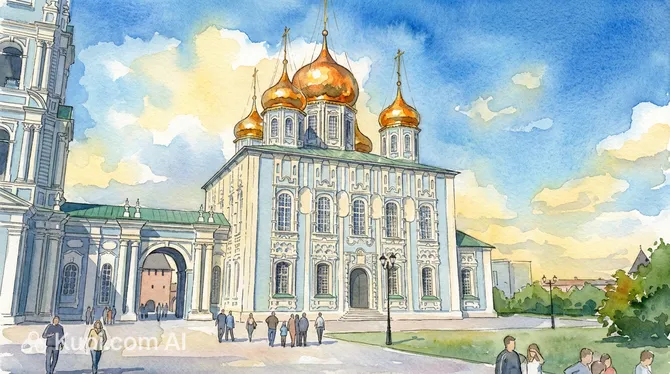
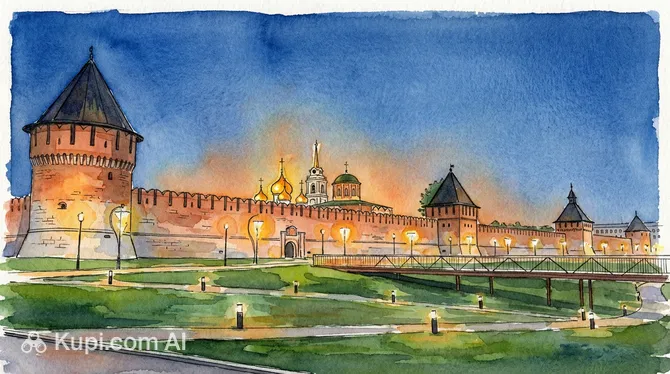
The heart of the city is undoubtedly the Tula Kremlin. This 16th-century stone fortress is a true monument of Russian defensive architecture. Inside its walls are the Assumption and Epiphany Cathedrals, trading rows, and exhibitions telling the story of the Kremlin and the city. A walk through its territory will allow you to immerse yourself in the atmosphere of the past and learn a lot about the heroic history of Tula.

Tula Kremlin. Illustration.
Source: Kupi.com AI

Traveler photos:

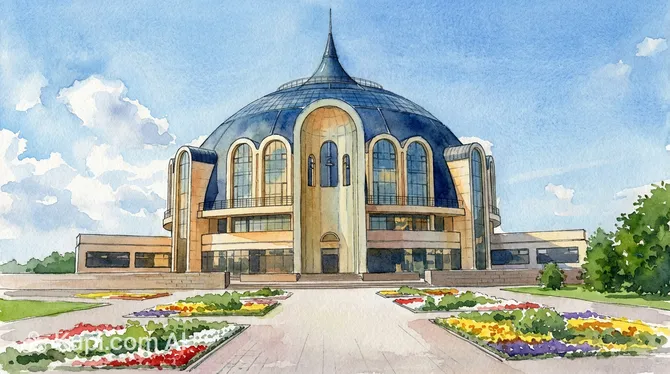
No less famous is the Tula State Museum of Weapons. Its modern building in the shape of an ancient Russian warrior's helmet is an attraction in itself. Inside, visitors will find a rich collection of cold steel and firearms from the Middle Ages to the present day. The museum is interactive and will be of interest to both adults and children, allowing you to trace the entire history of gunsmithing in Russia, for which Tula has been the center for centuries.

Tula State Museum of Weapons. Illustration.
Source: Kupi.com AI

Traveler photos:

Speaking of Tula, one cannot fail to mention samovars. You can get acquainted with the history of this symbol of Russian hospitality at the Museum of Samovars. It houses a unique collection of samovars of various shapes, sizes, and eras—from antique copper ones to exquisite gift pieces. The exhibition tells the story of Tula's master samovar-makers and the traditions of Russian tea drinking.

Samovar Museum. Illustration.
Source: Kupi.com AI

Traveler photos:

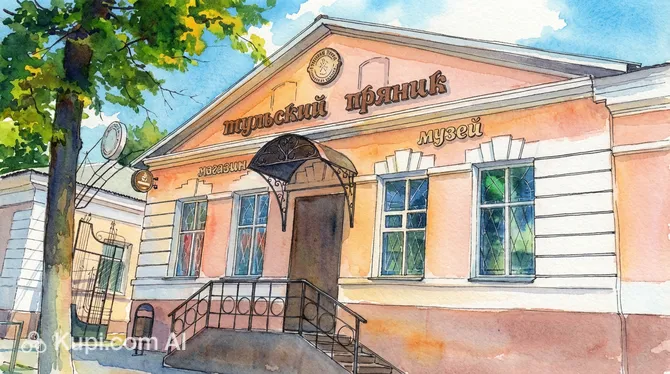
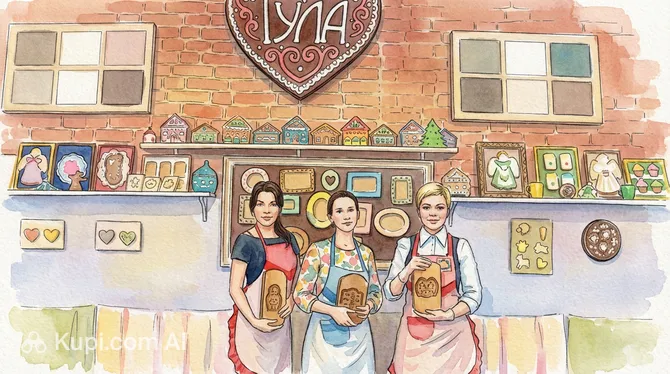
Another sweet symbol of the city is, of course, Tula gingerbread. A separate museum is dedicated to this delicacy, where you can learn the history of its appearance, see old gingerbread boards, and even participate in a master class on gingerbread painting. Visiting the museum is not only educational but also very tasty, as you can try and buy the freshest Tula gingerbread with various fillings.

Tula Gingerbread. Illustration.
Source: Kupi.com AI

Traveler photos:

For those who prefer walks in the fresh air and modern public spaces, the Kazanskaya Embankment is an excellent choice. This is a landscaped recreational area along the Upa River, located at the walls of the Tula Kremlin. There are pedestrian and bicycle paths, children's playgrounds, cafes, and art objects. The embankment has become a popular place for walks for citizens and tourists, offering picturesque views and a pleasant atmosphere.

Local Cuisine

The gastronomic scene of Tula is a true immersion into the traditions of Russian cuisine, where the main stars are the famous Tula gingerbread and aromatic tea from a samovar. Trying local specialties is a must-do for any guest of the city, as they convey the unique taste and flavor of this ancient Russian city.

The main gastronomic symbol of Tula is, without a doubt, the Tula gingerbread. This dessert with a centuries-old history is prepared according to old recipes: aromatic dough is filled with jam, condensed milk, or fragrant honey, then decorated with intricate patterns and baked in special wooden molds. You can try a real fresh gingerbread right at the factory or buy it at the city markets. To get a deeper understanding of the history of this treat, it's worth visiting the Gingerbread Museum in the Kremlin.

Gingerbread Museum in the Kremlin. Illustration.
Source: Kupi.com AI

Traveler photos:

An equally important part of Tula's identity is the Tula samovar. Tea drinking here is not just quenching thirst, but a whole ritual. Aromatic tea, brewed in a traditional belly-shaped samovar, is usually served with homemade jam, crispy sushki (bread rings), and, of course, the ever-present gingerbread. You can immerse yourself in the history of this symbol of hospitality at the Museum of Samovars.

In addition to sweet symbols, the cuisine of Tula will delight you with hearty dishes as well. In local cafes and restaurants, such as Pryanosti i Radosti, you will be offered Russian cuisine classics, often with a modern signature approach. Be sure to try the rich pot roast (zharkoye), hearty homemade dumplings (pelmeni), and a variety of pies, especially those filled with potato and mushrooms. Many establishments focus on using fresh farm products.

As for drinks, tea certainly takes center stage. Among non-alcoholic drinks, kvass is also popular, especially in the summertime. A craft brewing culture is also developing in Tula, so connoisseurs can check out local bars, for example, Saldens Taphouse, to try interesting varieties. Local residents and tourists prefer to have lunch and dinner in the city's numerous cafes and restaurants, and they head to the city markets for fresh produce, berries, honey, pickles, and, of course, gingerbread of all types and sizes.

Travel Tips

Planning a trip to Tula? Great! This city with a rich history and unique atmosphere will definitely enchant you. To make your journey to the heart of Russia as comfortable as possible and leave only pleasant impressions, we have prepared some practical tips.

  1. Clothing and Essentials:

    The climate in Tula is humid continental: summers are warm, and winters are quite cold and snowy. In summer, take light clothing, but don't forget a sweater or jacket for evening walks. In winter, a warm jacket, hat, gloves, and a scarf are mandatory. In spring and autumn, the weather is changeable, so demi-season clothing and an umbrella will come in handy. A key element of your wardrobe is comfortable shoes, as it is most pleasant to explore Tula's historical center on foot. For visiting churches, such as the Assumption Cathedral in the Tula Kremlin, women are recommended to have a scarf to cover their head and clothing that covers shoulders and knees; men should wear trousers.

  2. Transport in the City:

    Moving around Tula is quite convenient. Buses, trolleybuses, trams, and shuttle taxis are at your service. For more comfortable trips, you can use a taxi—apps like Yandex.Taxi are popular. Car rental is possible, but for exploring the central part of the city, it is not always advisable due to potential traffic and parking difficulties. Public transport and taxis will easily handle the task of taking you to the main attractions.

  3. Financial Matters:

    The official currency is the Russian ruble (RUB). You can exchange currency at bank branches. "Mir" and UnionPay bank cards are accepted almost everywhere. Visa and Mastercard cards issued by Russian banks also work without problems. However, international Visa/Mastercard cards issued outside of Russia may not be accepted due to restrictions, so it is recommended to have a sufficient supply of cash or clarify this issue in advance. ATMs are widely available, especially in the city center. Tips in cafes and restaurants are usually 5-10% of the bill if you liked the service and they are not included in the check. You can round up the amount for taxi drivers.

  4. Health and Safety:

    Tula is generally a safe city. Pharmacies are in all districts, some of them work around the clock (check the addresses of duty pharmacies in advance). To call emergency services (ambulance, police, Ministry of Emergency Situations), use the single number 112 or 103 for the ambulance. Foreign tourists are strongly recommended to have valid medical insurance. Follow standard precautions: watch your belongings in crowded places and avoid walking in poorly lit outskirts after dark.

  5. Communication and Connectivity:

    The main language of communication is Russian. English is not very widely spoken, but in hotels, major museums, and some restaurants, staff may understand you. Learn a few basic phrases in Russian: "Zdravstvuyte" (Hello), "Spasibo" (Thank you), "Pozhaluysta" (Please), "Skol'ko stoit?" (How much does it cost?). A SIM card from a local operator (e.g., MTS, Beeline, MegaFon) can be purchased at communication stores upon presentation of a passport. Free Wi-Fi is available in many cafes, restaurants, shopping centers, and hotels.

  6. Local Etiquette:

    Residents of Tula, like Russia as a whole, are usually hospitable, though they may seem reserved at first meeting. It is customary to greet with a handshake, especially between men. In public places, try to behave calmly and do not talk too loudly. In public transport, it is considered good manners to give up seats to the elderly, pregnant women, and passengers with small children.

  7. What to Avoid:

    Do not photograph people without their explicit permission, especially when it comes to the older generation—this can be perceived as impolite. Also, try to avoid forcing discussions on sensitive political topics if you are not sure of the interlocutor's mood, to avoid creating an awkward situation.

  8. Special Tula Tip:

    Be sure to try the famous Tula gingerbread—it's not just a treat, but a true symbol of the city! Visit the Gingerbread Museum or one of the many branded stores to bring home a delicious souvenir. Tula is also known as the weapons capital of Russia, so an excursion to the Tula State Museum of Weapons will be an unforgettable experience.

We hope these tips will help you better prepare for your trip and enjoy every moment of your stay in hospitable Tula. Have a safe journey and unforgettable impressions!

Entertainment & Nightlife

With the onset of darkness, Tula is transformed, offering its guests and residents various options for evening and night leisure. The city boasts a choice of establishments for every taste—from cozy bars to energetic nightclubs.

The main concentration of nightlife venues is found in the central part of the city, especially on Lenin Prospekt and its adjacent streets, as well as in the area of the renovated Kazanskaya Embankment. Here you can find both stylish bars with signature cocktails and craft beer, as well as nightclubs where the music doesn't stop until morning. Many restaurants also stay open late, allowing you to enjoy dinner in a pleasant atmosphere.

The atmosphere in Tula's establishments varies: in small bars, it is most often relaxed and friendly, while clubs offer a more energetic and vibrant experience. The dress code in most places is quite casual, although some popular clubs may not let you in if you are wearing explicitly sporty clothing. The main influx of visitors to clubs is usually observed after 23:00-00:00, especially on Friday and Saturday.

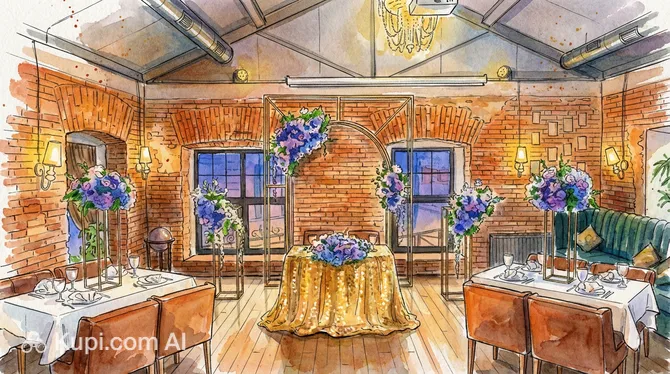
Among the popular places for evening relaxation, several establishments stand out. For example, Saldens Taphouse is known for its impressive selection of beers and cozy atmosphere. For those looking for a place to dance and have fun, the nightclub Kultura is a good choice, offering various musical programs and themed parties. Another interesting place is Vdushe Lounge-Cafe, where you can spend time pleasantly in a stylish interior.

Saldens Taphouse. Illustration.
Source: Kupi.com AI

Traveler photos:

Practical tips: the best time to visit nightclubs is after midnight on weekends. Average prices in Tula's bars and clubs can be described as moderate. For moving around the city at night, the most convenient and safe option is a taxi, which is easy to order through popular mobile apps.

Kultura. Illustration.
Source: Kupi.com AI

Traveler photos:

Regarding safety, the central districts of Tula, where the main nightlife is concentrated, are generally considered safe for walking. However, as in any city, it is worth observing usual precautions, especially if you are returning late.

During the day, Tula also offers plenty of entertainment. Guests of the city can visit the famous Tula Kremlin, learn many new things at the Tula State Museum of Weapons, stroll through the picturesque Belousov Central Park of Culture and Leisure, or explore the modern creative space Oktava Cluster. The city also has theaters and other cultural institutions that can diversify your leisure time.

Parks & Museums

Tula is not only a city of craftsmen and gunsmiths, but also a place where you can enjoy strolls through picturesque parks and immerse yourself in rich history through numerous museums. Here everyone will find something to their liking, whether it's a quiet holiday in nature or an educational journey into the past.

One of the city's main green oases is the Belousov Central Park of Culture and Leisure. It is a huge territory with century-old trees, ponds, attractions, and sports grounds. The Exotarium in the Belousov Central Park is also located here, where you can see rare animals. The park is ideal for family holidays and long walks. Another popular spot for outdoor recreation is the Kazanskaya Embankment. Landscaped and modern, it stretches along the Upa River, offering beautiful views, especially in the evening, and comfortable seating areas near the Tula Kremlin. For those looking for a more secluded atmosphere, Komsomolsky Park is suitable, offering quiet alleys for leisurely walks.

Central Park of Culture and Recreation named after P. Belousov. Illustration.
Source: Kupi.com AI

Traveler photos:

Kazanskaya Embankment. Illustration.
Source: Kupi.com AI

Traveler photos:

Speaking of the cultural heritage of Tula, one cannot fail to mention its famous museums. The city's calling card is undoubtedly the Tula State Museum of Weapons. Its exhibition, located in a historical building and a new futuristic helmet-shaped building, tells the history of gunsmithing in Russia from ancient times to the present day. No less famous is the Museum of Samovars, which presents a unique collection of samovars of all shapes and sizes, reflecting another famous facet of Tula craftsmanship. You can immerse yourself in the atmosphere of antiquity by visiting the Tula Kremlin—the heart of the city, which also houses museums, including the Gingerbread Museum in the Kremlin.

Modern art and industrial heritage are represented in the creative industrial Oktava Cluster. The Machine Tool Museum is located here, telling the history of industry, and exhibitions, lectures, and master classes are also held. Painting lovers should check out the Tula Regional Art Museum, which has a rich collection of Russian and Western European art.

Octava Cluster. Illustration.
Source: Kupi.com AI

Traveler photos:

The main historical and architectural symbol of Tula is, certainly, the Tula Kremlin, built in the 16th century. Its powerful walls and towers hold centuries of history. Also noteworthy is the All Saints Cathedral, which is one of the oldest churches in the city.

For more authentic impressions, we recommend visiting small but very colorful places, such as the Grandpa Philimon's Tula Harmonica Museum, where you can not only see old instruments but also hear them play. Another interesting place is the Tula Historical and Architectural Museum, Old Tula Pharmacy, recreating the atmosphere of a 19th-century pharmaceutical establishment.

Getting Around

Moving around Tula is quite convenient thanks to a developed public transport system. It includes several types of transport that allow you to get to almost anywhere in the city.

The core of the transport network consists of buses, trolleybuses, and trams. Buses run on numerous routes, connecting the center with remote areas. Trolleybuses are also a popular form of transport, covering a significant part of the city. Tula trams are not only a means of transportation but also a historical tram system, which gives trips on them a special character. The routes of these types of transport cover most streets and attractions.

In addition to municipal transport, shuttle taxis (marshrutkas) are widespread in Tula. They often duplicate main routes or offer faster and more direct paths, especially during peak hours or to areas where large transport runs less frequently. Payment in marshrutkas is usually made in cash to the driver upon entry.

The fare payment system in Tula's public transport is quite simple. As a rule, you can pay the fare in cash to the conductor or driver. Bank cards are increasingly accepted. Local transport cards may also be used in the city, providing discounts or convenience for frequent trips. The cost of one trip is usually about 30-40 rubles (it is recommended to clarify current data), but the most up-to-date information on tariffs and possible passes is best checked on the official city transport website or in mobile applications for route planning, as tariffs can change.

Tourists will find it useful to know that tickets for the bus, tram, or trolleybus are most often purchased directly inside the vehicle. Public transport usually starts working early in the morning (about 6:00) and ends late in the evening (approximately until 23:00-00:00), but the schedules for specific routes may vary, especially on weekends and holidays.

If you prefer a more individual approach, taxi services are always available in Tula. You can order a car through popular mobile apps or by phone. In the warmer months, for walks in the center or parks, you can consider bicycle rental, if available. Car-sharing services may also be present in the city, offering short-term car rentals.

Accommodation

When planning a trip to Tula, you can choose from a wide range of accommodation options to suit any budget and preference. The city offers both budget hostels and guest houses, as well as comfortable mid-range hotels and apartments for short-term rent. This allows every traveler to find the optimal option for their stay.

For tourists, the central parts of Tula are traditionally considered the most convenient areas to stay. Accommodation near the main attractions, such as the Tula Kremlin, and pedestrian streets with developed infrastructure, is especially in demand. Staying in the center provides easy access to museums, theaters, cafes, and restaurants. It is also worth considering options in areas with good transport accessibility, which will allow you to easily move around the city and its surroundings.

Tula Kremlin. Illustration.
Source: Kupi.com AI

Traveler photos:

To guarantee getting your desired option at the best price, it is recommended to book accommodation in advance, especially if your trip is planned for the peak tourist season, weekends, or holidays. The price range varies from affordable offers in hostels and small hotels to higher prices in hotels with an expanded range of services. Most accommodation options in Tula can be easily found and booked through popular online platforms and booking services, as well as directly on hotel websites.

Nearby Cities

For those who want to explore the surrounding area, Tula serves as an excellent starting point for day trips to several interesting nearby locations:

CityPopulationDistance
Bolokhovo9 04319 km
Shchekino86 08824 km
Lipki8 54130 km
Yasnogorsk15 70631 km
Kireyevsk25 74136 km

These nearby destinations provide insight into the diverse culture and landscapes of the region. Each trip promises new discoveries and impressions, complementing your journey to Tula.

Shopping & Souvenirs

Tula offers its guests various shopping opportunities, from traditional souvenirs to modern shopping centers. The city is famous primarily for its gastronomic brands—the famous Tula gingerbread and aromatic samovars. In addition, you can find products made by local craftsmen and weapon souvenirs reflecting the rich history of the region.

The main place for shopping in Tula is considered to be Lenin Prospekt—the city's main street, where many shops of various types are concentrated, from clothing and footwear to electronics and books. The pedestrian Metallistov Street and the area around the Tula Kremlin and Kazanskaya Embankment are also popular, where you can find souvenir shops and stores with local products.

For those who prefer shopping in large shopping complexes, several modern malls operate in Tula. Among the most popular is the Maxi shopping and entertainment center, offering a wide selection of clothing, footwear, electronics, and household goods stores, as well as entertainment areas and a food court. Another major retail facility is Gostiny Dvor, located in the historical center of the city and also offering a variety of goods and services.

Maxi Shopping and Entertainment Center. Illustration.
Source: Kupi.com AI

Traveler photos:

Lovers of authentic atmosphere and fresh produce should visit the Tula Central Market. Here you can buy seasonal vegetables and fruits, meat and dairy products from local farmers, as well as various pickles, honey, and other delicacies. You can also find inexpensive clothing, household goods, and souvenirs at the market.

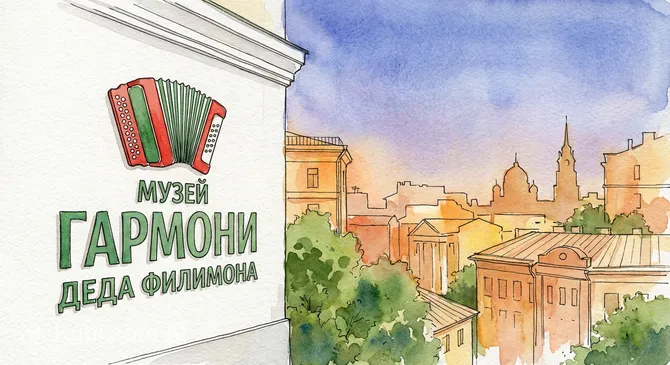
The main souvenirs from Tula are, without a doubt, the famous Tula gingerbreads—molded, with various fillings and patterns. They can be purchased in specialized stores, confectioneries, and even in the Gingerbread Museum in the Kremlin. No less popular are Tula samovars—from antique to modern electric models; you can learn more about their history in the Museum of Samovars. It is also worth paying attention to Belevskaya pastila, products of Tula gunsmiths (souvenir samples), harmonicas, and Filimonovo toys. You can get acquainted with the history of the Tula harmonica at, for example, the Grandpa Philimon's Tula Harmonica Museum.

Tula Museum of Grandpa Filimon's Accordion. Illustration.
Source: Kupi.com AI

Traveler photos:

Most shops and shopping centers in Tula are open daily, usually from 10:00 to 21:00 or 22:00. Small shops may have an individual schedule and a day off (most often Sunday or Monday). Bank cards of major payment systems are accepted almost everywhere, but cash will also come in handy, especially at markets and in small souvenir shops.

The Tax Free system in Russia is mainly focused on foreign tourists and is available in a limited number of major stores in metropolitan cities. In Tula, this service is not widespread, so tourists from other countries should check the possibility of a tax refund directly at the places of purchase.

Reached the end of the page?

That means the route is fully explored