Support

Porto Alegre

About

Porto Alegre is a charming and peaceful fishing village located at the southern tip of São Tomé Island, in the stunning country of São Tomé and Príncipe. This destination attracts travelers with its pristine nature, tranquil atmosphere, and the opportunity to relax far from the hustle and bustle of city life. Situated in the Caué District, Porto Alegre offers a unique experience of immersion into the steady rhythm of island life.
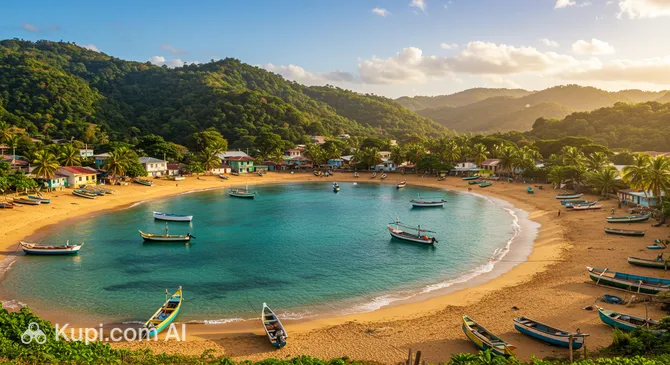
Porto Alegre. Illustration.
Source: Kupi.com AI

The climate here is typically equatorial—hot and humid year-round—making it an ideal spot for beach holidays and exploring tropical forests. Although Porto Alegre is a small settlement, its importance for ecotourism is immense. One of its main highlights is its untouched beaches, such as the famous Praia Jalé, which serves as an important nesting site for sea turtles. Watching this process during the season is an unforgettable experience. Nearby is the picturesque Praia Piscina, known for its natural pools.

Additionally, Porto Alegre is a convenient gateway to Ilhéu das Rolas, a small islet crossed by the equator line. Visiting this islet and symbolically crossing the equator is a popular activity for tourists. Porto Alegre is an ideal destination for those seeking solitude, wanting to enjoy the beauty of wild nature, and interested in experiencing the unique culture of the islands in the Gulf of Guinea. It is a place where time slows down, allowing you to truly relax and recharge.

You can find more interesting facts on the history of Porto Alegre page.

Weather Overview

The weather in Porto Alegre is characterized by a warm and humid equatorial climate year-round. Expect consistently high temperatures with little annual variation and a rotation of distinct rainy seasons with drier periods.

The average monthly air temperature usually stays within a comfortable range: from about 24°C in the relatively cool months (July, August) to 27°C in the warmest months (February–April). The highest amount of rainfall occurs from October to May, with November and December standing out for the maximum number of rainy days. The driest period falls between June and September, especially July, when precipitation is almost non-existent.

For more detailed information on weather conditions and forecasts, you can visit the Climate of Porto Alegre page.

Average monthly temperature

Average monthly precipitation

Interesting Facts

Porto Alegre, this cozy corner in the south of São Tomé Island, not only delights travelers with its natural beauty but also holds several interesting features. Here are some that might surprise you:

  • Gateway to the Equator: Most travelers set off by boat from Porto Alegre to the neighboring islet of Ilhéu das Rolas. The main goal of such a trip is to cross the symbolic equator line and visit the monument built in honor of this important geographical parallel.

  • Sea Turtle Sanctuary: The nearby Praia Jalé is recognized as one of the island's key nesting sites for several species of sea turtles. During certain seasons, you can witness a unique natural phenomenon here—the laying of eggs or the birth of tiny hatchlings heading for the ocean.

  • "The End of the Road" and the Start of Wild Trails: Porto Alegre is one of the southernmost settlements on São Tomé Island that can be reached by road. For many, this place feels like the "edge of civilization," serving as a starting point for hiking trails to secluded beaches and deep into the untouched tropical forests of the southern part of the island.

  • Preserving Traditions through Ecotourism: This fishing village is actively developing responsible tourism. Many local residents are involved in tourism initiatives, offering guests an authentic experience by introducing them to the traditional way of life, crafts, and, of course, local cuisine based on the freshest seafood.

How to Get There

The main way to reach Porto Alegre, located at the southern tip of São Tomé Island, is by air. The primary international entry point into the country of São Tomé and Príncipe is São Tomé International Airport (TMS). This airport is located in the capital, São Tomé, approximately 43 km north of Porto Alegre. The trip from the airport to Porto Alegre by taxi or local transport usually takes about an hour and a half. This is where most international flights arrive.

If your itinerary includes visiting Príncipe Island, you can use Príncipe Airport (PCP). This is a small airport serving mainly domestic flights between the islands. To get from Príncipe Airport to Porto Alegre (which is on São Tomé Island), you will need an additional flight or sea journey to São Tomé Island, followed by a ground transfer. The total distance from Príncipe Airport to Porto Alegre is about 205 km, including the sea section.

Some travelers might also consider international airports in neighboring countries as transit points. For example, Port-Gentil Airport (POG) in Gabon is located about 260 km from Porto Alegre (as the crow flies). However, arriving through such airports will inevitably require a subsequent flight to São Tomé International Airport to reach your final destination on São Tomé Island.

For clarity, here is a summary of the main airports that can be used for traveling to Porto Alegre:

AirportPassenger trafficDistance
Sao Tome Island Airport120 00043 km
Annobon7 000189 km
Principe33 400205 km
Port Gentil1 mln261 km

In addition to air travel, ferry or boat services may theoretically exist for moving between the islands of the São Tomé and Príncipe archipelago, as well as for some international routes. However, for most tourists arriving from afar, flying into São Tomé International Airport is the most common and convenient way to reach São Tomé Island and, subsequently, Porto Alegre.

Main Attractions

Porto Alegre, despite its status as a secluded fishing village, is the starting point for exploring some of the most impressive natural treasures of São Tomé Island. You won't find noisy urban entertainment here, but you can enjoy pristine beauty and unique encounters with wildlife.

One of the region's main gems is Praia Jalé. This vast golden-sand beach, bordered by lush tropical vegetation, is famous far beyond Porto Alegre. Its primary value is that it serves as a vital nesting site for sea turtles. Between November and March, with proper care and accompanied by local guides, you can witness an amazing natural spectacle: giant turtles laying eggs or tiny hatchlings making their way to the ocean. It is an experience that leaves a deep impression on every traveler.

Not far from Porto Alegre lies another remarkable beach—Praia Piscina, which translates to "Pool Beach." It earned its name from the unique rock formations that create natural pools filled with warm seawater during low tide, sheltered from the waves. It is an ideal place for relaxed and safe swimming, especially if you are traveling with children. The picturesque surroundings and calm atmosphere make it a wonderful choice for a private getaway.

A must-do for many guests in Porto Alegre is a trip to Ilhéu das Rolas. This small but incredibly scenic islet is located south of São Tomé and can be reached by boat. The islet's main draw is that the Equator line passes right through it. A monument marks the spot, where tourists enjoy taking photos while symbolically standing in both the Northern and Southern Hemispheres at the same time. Beyond this, Ilhéu das Rolas offers beautiful beaches and opportunities for snorkeling and diving in crystal-clear waters.

Local Cuisine

The cuisine of Porto Alegre, like that of all São Tomé and Príncipe, is a true celebration of freshness and natural flavors, deeply rooted in the gifts of the ocean and the fertile volcanic soil. As a charming fishing village, Porto Alegre offers its guests a unique opportunity to enjoy dishes made from freshly caught fish and seafood, complemented by exotic fruits, vegetables, and aromatic spices.

The foundation of the local gastronomy is undoubtedly fresh fish, prepared on the grill or in aromatic stews. You should definitely try "calulu"—a traditional thick dish that can be made with fish or chicken, palm oil, okra, taro leaves, and other local vegetables. Another popular dish is "blá-blá", a kind of puree made from taro leaves. Side dishes often include fried plantains, breadfruit, rice, or cassava. Porto Alegre's culinary scene is characterized by simplicity and an emphasis on the quality of ingredients.

Among drinks, freshly squeezed juices from tropical fruits such as passion fruit, pineapple, guava, or soursop (sapu-sapu) are popular. For alcoholic beverages, the local palm wine ("vinho de palma")—a natural, slightly fizzy drink—is noteworthy, as are various types of rum. And, of course, one cannot forget the famous São Tomé coffee, which is highly valued by gourmets worldwide for its rich taste and aroma.

The food culture in Porto Alegre is very authentic. You are unlikely to find large restaurants with sophisticated menus here; instead, you can enjoy food in small family establishments where they cook home-style meals with soul. Many guesthouses also offer their residents local dishes prepared from the freshest ingredients bought in the morning at the local market or directly from fishermen. This is a wonderful opportunity to experience the true flavors of the island and the hospitality of its residents.

Travel Tips

Planning a trip to the charming fishing village of Porto Alegre in the south of São Tomé and Príncipe? To ensure your journey goes as smoothly as possible and leaves only pleasant impressions, we've prepared some practical tips. They will help you better prepare for your encounter with this secluded tropical paradise.

  1. Clothing and Accessories for the Tropics

    The climate in Porto Alegre is equatorial, so bring light, breathable clothing made from natural fabrics (cotton, linen). Don't forget swimwear for the famous beaches, a hat, sunscreen, and sunglasses. Be sure to pack insect repellent, especially for evening walks. A light raincoat will be useful during the rainy season (October-May). Comfortable footwear (sandals, light sneakers) is important for walking around the village and hiking to natural attractions. For electrical devices, you may need an adapter (Type C and F sockets are used in São Tomé and Príncipe).

  2. Getting Around Porto Alegre and the Surroundings

    The village of Porto Alegre itself is small and comfortable to explore on foot. For trips from the capital or to more remote beaches, you can hire a taxi or rent a car (preferably a 4WD, as roads can be difficult). Local boats are used to visit the islet of Ilhéu das Rolas. Public transport in the form of shared minibuses ("candongueiros") exists between settlements, but its schedule can be unpredictable.

  3. Financial Matters

    The local currency is the São Tomé and Príncipe Dobra (STN). It is recommended to exchange currency in the capital, São Tomé, as exchange options in Porto Alegre may be very limited. Bring enough cash with you. Credit card acceptance is very rare, mainly in large hotels in the capital. You will likely not find an ATM in Porto Alegre. Tipping is not mandatory but is always appreciated for good service (usually 5-10% of the bill).

  4. Health and Safety

    It is recommended to have a first-aid kit with basic medications, as a pharmacy in Porto Alegre may have limited stock or may not exist. The nearest large pharmacies are in São Tomé. Be sure to get travel health insurance with good coverage before your trip. Porto Alegre is a quite safe place, but take basic precautions: don't leave valuables unattended, drink bottled water, and wash fruit thoroughly. Consult a doctor regarding malaria prophylaxis.

  5. Language and Communication

    The official language is Portuguese. Local Creole languages are also common. English is not understood everywhere, mostly only in the tourism sector. Learn a few basic phrases in Portuguese: "Olá" (Hello), "Obrigado/Obrigada" (Thank you m/f), "Por favor" (Please). This will greatly help in communicating with locals. It is best to purchase a local SIM card in São Tomé. Wi-Fi access in Porto Alegre may be limited.

  6. Local Etiquette and Interaction

    Residents of São Tomé and Príncipe, and Porto Alegre in particular, are known for their friendliness and hospitality. Greet people with a smile and the word "Olá." Always ask for permission before taking photos of local people. Show respect for local traditions; modest clothing outside the beach is appropriate.

  7. Things to Avoid

    Do not leave litter on beaches or in natural areas, especially on Praia Jalé, where turtles nest. Respect the island's unique nature. Avoid being overly persistent when bargaining or communicating; be polite and tactful.

  8. Special Tip for Porto Alegre

    If your trip falls between November and March, don't miss the chance to see sea turtles nesting on Praia Jalé. This is a unique sight, but be sure to use the services of local guides and strictly follow their instructions to avoid harming the animals. It truly is an unforgettable experience!

We hope these tips help you plan an unforgettable journey to Porto Alegre. Enjoy its pristine nature, the hospitality of the locals, and the unique atmosphere of this amazing place at the edge of the world!

Entertainment & Nightlife

When the sun sets over Porto Alegre, this charming fishing village in the south of São Tomé and Príncipe offers its own very special kind of evening and night-time leisure. Forget about noisy metropolises with neon lights; nightlife here is about tranquility, soulful conversation, and enjoying the sounds of tropical nature under an incredibly starry sky.

Instead of glittering nightclubs and trendy bars with loud music, evening Porto Alegre is enveloped in an atmosphere of peace and relaxation. The main "hubs" of evening life are often the verandas of cozy guesthouses or small local restaurants. Here, you can enjoy a leisurely dinner of fresh seafood, have a glass of wine, or try local drinks. The crowd usually consists of fellow travelers who appreciate quiet and nature, as well as friendly locals. There is no formal dress code, of course—comfortable clothing is most appropriate. Most establishments stay open as long as there are guests, but don't expect parties until dawn; the rhythm of life here is slow and steady.

It's hard to speak of specific "nightlife districts" in Porto Alegre. Rather, it's about individual points of attraction scattered throughout the village. Evening leisure here is centered around informal meetings and savoring the moment. For instance, you might find a charming small restaurant at one of the eco-lodges, such as a hypothetical Restaurante Vista Verde (Eco Lodge), offering dinner with a view of the rainforest, or stop by a beach bar like Bar da Praia Tranquila to watch the sunset with a refreshing cocktail. (Note: It is best to check the names and availability of such places on-site, as they may be small and not always widely known.) The atmosphere in these places is usually very relaxed, perfect for conversation and rest.

Practical tips for an evening in Porto Alegre:

  • Leisure time: Evening life here begins at sunset and transitions smoothly into a peaceful night. The main activities are dinner, socializing, and stargazing.
  • Prices: Prices for food and drinks in local establishments are usually quite affordable, especially compared to major tourist centers.
  • Night transport: Getting around the village itself is easy on foot. If your accommodation is further away or you plan to return late, it's better to arrange a taxi in advance through your guesthouse, as public transport does not run at night.
  • Safety: Porto Alegre is considered a very quiet and safe place. The local community is small, and everyone knows each other. Nevertheless, standard precautions as in any trip are wise: keep an eye on your belongings and avoid very dark and deserted paths alone late at night.

As for daytime activities, Porto Alegre is a true paradise for nature lovers and those seeking peaceful relaxation. During the day, you can enjoy magnificent beaches like the famous Praia Jalé, a nesting site for sea turtles (especially during the season from November to March), and the picturesque Praia Piscina with its natural rock pools. Boat excursions to the nearby Ilhéu das Rolas are popular, where you can symbolically cross the equator. Hiking through tropical forests, bird watching, and discovering the island's unique flora and fauna are also available. There are no classic museums, theaters, or large amusement parks in Porto Alegre, as the main focus here is on ecotourism and communion with nature.

Parks & Museums

Porto Alegre, as a gem of ecotourism in São Tomé and Príncipe, offers its guests something much more unique than traditional city parks and museums. Here, "green zones" are pristine beaches and tropical forests, and "cultural heritage" is revealed through living traditions and amazing natural phenomena, turning the village and its surroundings into a kind of open-air museum.

The main "parks" of Porto Alegre are undoubtedly its famous beaches. Praia Jalé is not just a stretch of coastline, but a vital nature conservation area, serving as one of the key nesting sites for sea turtles. Visiting this beach, especially during the egg-laying season, is like visiting a living natural museum where you can witness an incredible miracle of nature. Nearby is Praia Piscina, which enchants with natural rock pools, creating a secluded and safe place for swimming and relaxation amidst picturesque scenery. These beaches are true treasures of biodiversity and natural beauty.

Beyond the beaches, the entire area around Porto Alegre is literally immersed in the lush greenery of tropical forests. These forests are the region's natural "green lungs" and offer opportunities for hiking, bird watching, and discovering the island's unique flora and fauna. While there are no specially equipped park areas with paths and benches, nature itself has created ideal conditions for exploration and connecting with the environment.

When speaking of Porto Alegre's "museums," the trip to the nearby islet of Ilhéu das Rolas should be mentioned first. The main attraction here is the monument marking the Equator line. This place can be considered a kind of geographical "museum," where visitors can learn about the significance of the equator and symbolically visit two hemispheres at once. The islet itself also offers magnificent views and snorkeling opportunities.

The village of Porto Alegre itself, with its steady way of life, traditional fishing boats, and authentic atmosphere, represents a "living ethnographic museum." Observing the daily lives of local residents, their crafts, and traditions—especially those related to fishing—allows for a deep immersion into the culture of São Tomé and Príncipe. Informal interaction with the islanders can provide far more impressions than a visit to any standard museum.

As an "insider tip": if you want to gain a deeper understanding of the unique ecosystem of Porto Alegre, particularly concerning the sea turtles on Praia Jalé, use the services of local guides. They will not only ensure safety and respect for nature but also share valuable knowledge not found in guidebooks. This will turn your trip into a true educational adventure.

Getting Around

In Porto Alegre, being a small and secluded fishing village, the public transport system differs significantly from what you might find in large cities. The main way to get around within the village itself is on foot. For trips further afield on São Tomé Island or to nearby attractions, there are several options, mostly informal in nature.

One of the most common ways to move between settlements on the island, including trips to and from Porto Alegre, are "candongueiros"—local shared taxis or minibuses. They do not have a strict schedule and often depart once full. Payment is made in cash directly to the driver. This is an economical but flexibility-requiring way to travel and experience the local culture. To use them, it's usually enough to go out to the main road and wait for a passing vehicle, confirming the destination with the driver.

For more comfort or direct trips (for example, to the capital São Tomé or from the airport), you can use the services of private taxis. These are best booked in advance through your guesthouse or hotel in Porto Alegre. The cost of a taxi ride will be higher than a "candongueiro," but you get a more predictable and individual service. It is customary to agree on the price before starting the trip.

For sea journeys, particularly the popular excursion to Ilhéu das Rolas, where the equator line passes, local motorboats are used. You can arrange such a trip with local fishermen or through your hotel in Porto Alegre. Payment is also made in cash, and the cost may depend on the number of passengers and the duration of the excursion. This is not just transport, but part of the adventure.

The payment system for transport in Porto Alegre and its surroundings is very simple: almost everywhere, only cash (local currency—the Dobra) is accepted. There are no transit cards, mobile apps for buying tickets, or complex validation systems here. It is recommended to have small bills for convenience. Transport operating hours, especially for "candongueiros," can be irregular and depend on the day of the week and the flow of passengers. A practical tip: always confirm the fare before starting the journey and be prepared for a flexible schedule.

As an alternative to public transport and taxis, you might consider renting a car, especially if you plan to travel around São Tomé Island a lot. However, keep in mind that you will likely only be able to rent a car in the capital, São Tomé. Roads outside the main highways can be in poor condition, so a four-wheel-drive vehicle is preferable. Bicycle rentals in the village of Porto Alegre itself are unlikely, and there are no car-sharing services here.

Accommodation

Porto Alegre, being a charming and secluded fishing village, offers travelers unique accommodation options that perfectly fit the atmosphere of peace and harmony with nature. You won't find large hotel complexes here; instead, you can stay in small family-run guesthouses, cozy eco-lodges harmoniously integrated into the landscape, or even consider renting rooms from locals for total immersion in island life. This choice of accommodation allows for a more personal and authentic experience.

The choice of where to stay in Porto Alegre will largely depend on your preferences and the availability of options. Many travelers seek to stay near the famous beaches, such as Praia Jalé, or choose accommodation with picturesque views of the ocean or tropical greenery. Given the village's compact size, most lodging options will be within walking distance of the main points of interest or offer convenient access to them. It is important to remember that the number of places is limited, so the choice is often determined by what is available for your dates.

In Porto Alegre, the focus is on small, often family-managed establishments that offer guests warmth and a personal touch. Instead of standard hotel rooms, you are likely to find simply decorated but clean and comfortable rooms, often with verandas or terraces where you can enjoy the sounds of nature. This type of accommodation allows you to feel the slow rhythm of life in this amazing part of São Tomé and Príncipe more deeply.

When planning a trip to Porto Alegre, especially if your journey coincides with the peak tourist season (such as the turtle nesting season), it is highly recommended to book your accommodation in advance. The limited number of guesthouses and eco-lodges means that the best options can be quickly booked up. Early booking will ensure not only a place to stay but also more variety, allowing you to find the perfect corner for your vacation.

The price range for accommodation in Porto Alegre mainly varies from affordable options in simple guesthouses to mid-range in more established eco-lodges that offer additional amenities and unique experiences. "Luxury" options in the traditional sense are rare here, though some eco-lodges may offer a high level of comfort and service in harmony with nature. You can book accommodation through some international online platforms where individual guesthouses are listed, via direct contact with the owners (if their details are available online or through recommendations), or sometimes through local travel agencies in the capital.

Nearby Cities

For those who want to explore the surroundings of Porto Alegre, this charming corner of São Tomé and Príncipe serves as an excellent starting point for fascinating day trips. Among the nearby places that are especially worth a visit are:

  • São Tomé: The capital of the country, located about 40 km north of Porto Alegre. Here, you can immerse yourself in history by exploring colonial architecture, visiting the Presidential Palace, the Cathedral (Sé Catedral de Nossa Senhora da Graça), and the lively central market where you can buy fresh fruits, spices, and souvenirs.

  • Santana: This town on the east coast (about 34 km away) is famous for its picturesque beaches, such as Praia das Sete Ondas (Seven Waves Beach), and is a great place to relax by the ocean, go snorkeling, and see the daily life of local fishermen. You can also take a boat trip from here to Ilhéu de Santana (Santana Islet).

  • Neves: Located on the northwest coast (about 36 km away), Neves is the second-largest city on São Tomé Island and an important port. Here you can see the Rosema brewery, the largest in the country, and observe the active life of a port city through which a significant portion of the country's cargo passes.

Below is a table with information on some settlements that may be of interest to travelers, including both nearby and more distant options:

CityPopulationDistance
Sao Joao dos Angolares3 60517 km
Santana10 29034 km
Neves10 06836 km
Sao Tome56 16640 km
San Antonio de Palé5 008188 km

These destinations, both near and far, offer a variety of experiences, from discovering urban life and culture to exploring the natural beauty of São Tomé and Príncipe. It is important to note that not all the places listed in the table are suitable for short day trips. For example, a journey to Príncipe, located on another island (about 200 km away), will require significantly more time and planning than a visit to nearby cities like São Tomé, Santana, or Neves. Also, please be aware that some data in the table, specifically abnormally large distances to supposedly nearby towns (for example, to Guadalupe, where the distance is listed as 7678 km), may contain inaccuracies and require additional verification when planning your route. It is always recommended to check current transport options and travel times in advance to make the most of your time and enjoy your trip from Porto Alegre.

Shopping & Souvenirs

Shopping in Porto Alegre is less about chasing brands and more about the opportunity to purchase authentic souvenirs and local handicrafts that will serve as pleasant reminders of your trip to São Tomé and Príncipe. You won't find large shopping centers or global brand boutiques here, but you can dive into the local atmosphere and find unique items reflecting the culture and nature of this amazing corner of the world.

In Porto Alegre, there are no clearly defined shopping streets or districts as in big cities. Small shops and souvenir stalls may be scattered throughout the village, often found near guesthouses or popular tourist spots, such as the pier where boats depart for Ilhéu das Rolas. Searching for interesting purchases here is part of the adventure and getting to know local life.

There are no large shopping malls in Porto Alegre, which fits its status as a secluded fishing village. If you need a wider selection of goods or specific purchases, you should consider a trip to the capital, São Tomé, where the retail infrastructure is better developed.

Markets in Porto Alegre, if they exist, are very modest and local in nature. They might be small clusters of vendors offering fresh fruits, vegetables, perhaps fish, and some handmade items. Don't expect large organized market squares; rather, they will be informal points of sale where you can feel the true spirit of local life and perhaps find something interesting.

As souvenirs from Porto Alegre and São Tomé and Príncipe in general, look out for handcrafted woodwork, often depicting local fauna (turtles, birds), masks, or figurines. Bright fabrics (capulanas), used for making clothes or as decorative elements, are also popular. Of course, you cannot overlook the famous São Tomé coffee and cocoa beans (or locally produced chocolate), vanilla, and other spices. Sometimes you can find jewelry made from shells or other natural materials.

The operating hours of small shops and stalls in Porto Alegre can be quite flexible and are not always strictly regulated. Many establishments may close for a lunch break (siesta) during the hottest part of the day. Regarding payment, the primary and almost only method is cash—the local currency, the Dobra (STN). Paying by credit card is highly unlikely, especially in small shops. It is recommended to have a sufficient amount of cash, having exchanged it beforehand, preferably in the capital.

Information on Tax Free shopping for tourists in Porto Alegre, as in São Tomé and Príncipe as a whole, is usually unavailable or the system is not developed. Do not count on this service when making purchases.

Reached the end of the page?

That means the route is fully explored