Support

Bo-Kaap Museum

About

The Bo-Kaap Museum is a unique historical site located in the heart of the vibrant district of the same name in Cape Town, South Africa. It offers visitors a fascinating dive into the rich history and culture of this bright neighborhood, famous for its multicolored houses and distinctive traditions. The museum is a significant cultural landmark that showcases the heritage of this multi-ethnic and multicultural district.
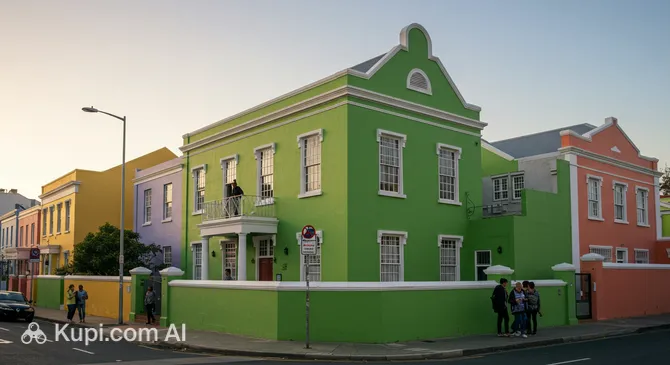
Bo-Kaap Museum. Illustration.
Source: Kupi.com AI

Traveler photos:

The museum itself is housed in a remarkable building—the oldest in the Bo-Kaap district, built in the 1760s, which is notable for preserving many authentic features of its original design. Located on Wale Street, the museum opened in 1978 in this historic building that once served as the home of Mahmoud Effendi (a teacher sent to South Africa by the Ottoman Empire), adding another layer of history to the site.

Also known as Iziko Bo-Kaap, the museum plays a key role in preserving and showcasing the heritage of the Bo-Kaap area. The exhibitions highlight the history and culture of the Cape Malays in detail, along with their significant contribution to Cape Town's unique character and the cultural diversity of the entire country. Visiting the Bo-Kaap Museum is a wonderful opportunity to better understand the past and present of this amazing city and its people.

Contacts

To find the most up-to-date information regarding opening hours, ticket prices, and contact details for the Bo-Kaap Museum, we recommend visiting the museum's official website or contacting local tourist information centers in Cape Town. There, you can find all the necessary details to plan your visit.

How to contactContact
Address71 Wale St, Schotsche Kloof, Cape Town, 8001, South Africa
Phone number+27 21 481 3938
Websitewww.iziko.org.za

What to Do

Visiting the Bo-Kaap Museum is a true journey through time and culture. Inside, you can explore the rich history of this unique Cape Town district in detail. The museum's exhibits clearly demonstrate the daily life, traditions, and culture of the Cape Malay community—a group that played a key role in shaping the city's multicultural identity. You will see items from daily life, photographs, and documents that tell the story of significant historical events and the evolution of Bo-Kaap over the centuries.

Special attention at the Bo-Kaap Museum is given to preserving and passing on intangible heritage. Here, you don't just look at exhibits; you immerse yourself in the atmosphere of the past, learning about religious customs, musical traditions, and the culinary specifics of the local population. This is a unique opportunity to gain a deeper understanding of how the distinctive identity of Bo-Kaap residents was formed and their contribution to the cultural diversity of South Africa.

After exploring the museum exhibits, it is highly recommended to continue your discovery of the neighborhood. Walk along its central streets, such as Dorp and Wale, to see firsthand the famous brightly colored houses that have become Bo-Kaap's signature. This is a great chance to take colorful photos and feel the unique atmosphere of the area. Nearby is the historic Nurul Islam Mosque, which serves as an important spiritual and cultural center for the district.

To make your immersion into Bo-Kaap culture complete, stop by one of the local restaurants or cafes. Here, you can try authentic African and Cape Malay dishes. The neighborhood also features many small shops and markets where you can buy original souvenirs, local handicrafts, and spices, which will serve as wonderful reminders of your visit to this amazing corner of Cape Town.

Getting There

The Bo-Kaap Museum is located in the historic district of the same name in central Cape Town, making it easily accessible for tourists. If you are arriving in Cape Town on an international flight, there are several ways to get from Cape Town International Airport to the Bo-Kaap area. The most convenient option is a taxi, which will take you directly to the museum or its immediate vicinity. You can also consider public transport options heading to the city center, which is just a short distance from Bo-Kaap.

Since Bo-Kaap is located in the heart of Cape Town, it is easy to reach on foot if you are staying in other central parts of the city. This is a great opportunity to enjoy the city views along the way. The main streets in the district where the museum is located are Dorp Street and Wale Street. If you prefer public transport, city buses run to the central areas adjacent to Bo-Kaap. From there, it’s just a short walk to the museum. Of course, taxis are always available from anywhere in the city.

The Bo-Kaap district itself is quite compact, covering an area of about one square kilometer. Therefore, once you are there, the best way to get around and explore its colorful streets and the Bo-Kaap Museum itself is on foot. This allows you to fully enjoy the unique atmosphere and bright houses, making it easy to find the museum without much trouble.

Nearest city: Cape Town

History & Facts

The history of the Bo-Kaap Museum is inextricably linked to the origins of the district itself, which began in the 1760s. It was then that a Dutch merchant named Jan de Waal purchased a plot of land here, which at the time was on the outskirts of Cape Town. In the following years, he built several rental houses, which he originally leased to enslaved people. The building that houses the museum today is the oldest in Bo-Kaap and is notable for preserving its original construction since it was built.

As Cape Town developed, skilled workers from other colonial countries began moving to the Bo-Kaap district. This contributed to the formation of a unique multicultural environment that remains a hallmark of the area today. The building of the future museum on Wale Street is also associated with an interesting figure—Mahmoud Effendi lived here, a teacher appointed to South Africa by the Ottoman Empire. Subsequently, in 1978, a museum was opened in this historic house to preserve and present the rich history and culture of the district.

Following the end of the apartheid era in South Africa, Cape Town and its neighborhoods received a new impetus for development. Bo-Kaap, which previously had a less favorable reputation, quickly transformed into a major tourist attraction. Its unconventional architecture with brightly painted houses, narrow cobbled streets, and beautiful views of the city and the ocean have made it one of the most photographed and visited neighborhoods. Today, Bo-Kaap is a trendy travel destination, especially popular among young people and experienced travelers seeking authentic experiences.

Time Needed

To carefully explore the exhibits at the Bo-Kaap Museum and learn about the history of this unique Cape Town district, an average visitor is recommended to set aside approximately 1-2 hours. This is usually enough time to see the main exhibitions dedicated to the culture and lifestyle of the Cape Malays and gain an understanding of Bo-Kaap’s rich heritage.

However, if you want to do more than just visit the museum and truly immerse yourself in the atmosphere of this colorful corner of South Africa, it’s worth planning for half a day. After touring the museum exhibits, you can take a leisurely stroll through the district's famous multicolored streets, perhaps stop by a local mosque, enjoy authentic cuisine at one of the cafes, and pick out some memorable souvenirs. This approach will allow for a more complete and vivid impression of Bo-Kaap.

Working Hours

When planning a visit to the Bo-Kaap Museum, it is important to check the current opening hours in advance. Unfortunately, specific information regarding the museum's schedule or the need for advance ticket booking is not provided in the current data. Museums of this type are typically open to visitors year-round but may have seasonal changes in their schedule or special hours on holidays.

To obtain the most up-to-date information regarding the Bo-Kaap Museum's opening hours, potential seasonal schedule changes, and whether advance booking or online ticket purchases are necessary—especially during peak tourist season—we strongly recommend consulting the official sources mentioned earlier. This will ensure you have the most accurate information for planning your visit.

DayOpening hours
Monday9:00 – 17:00
Tuesday9:00 – 17:00
Wednesday9:00 – 17:00
Thursday9:00 – 17:00
Friday9:00 – 17:00
Saturday9:00 – 17:00
SundayClosed

Nearby

A visit to the Bo-Kaap Museum is undoubtedly a highlight, but you shouldn't stop there. Exploring the museum's surroundings will allow you to dive deeper into the atmosphere of Cape Town and discover even more interesting spots just a short walk away. This is a wonderful opportunity to broaden your experience and get a more complete picture of the diversity of this amazing city.

Walking through the nearby streets and neighborhoods after your museum visit will enrich your travel experience. You will see how the history presented in the exhibits comes to life in the modern urban space, and you can find cozy cafes, unique shops, or other cultural sites that will make your trip to South Africa even more memorable. Below is a list of some attractions and points of interest located near the Bo-Kaap Museum:

NameDistance
Iron Steak and Bar0.2 km
The Athletic Club & Social0.4 km
Ayepyep Lifestyle Lounge0.7 km
15 On Orange Hotel Bar0.8 km
Iziko South African Museum0.8 km
Castle of Good Hope1.3 km
Cape Town Resort1.4 km

Have you reached the end of the page?

So the route has been studied inside and out