Support

Two Oceans Aquarium

About

The Two Oceans Aquarium is one of the top tourist attractions not only in Cape Town but in all of South Africa. Located at the famous Victoria & Alfred Waterfront, it is considered one of the largest aquariums in the Southern Hemisphere. This incredible place gets its name from its unique geographic location: it is here, near the Cape of Good Hope, where the waters of the Atlantic and Indian Oceans meet.
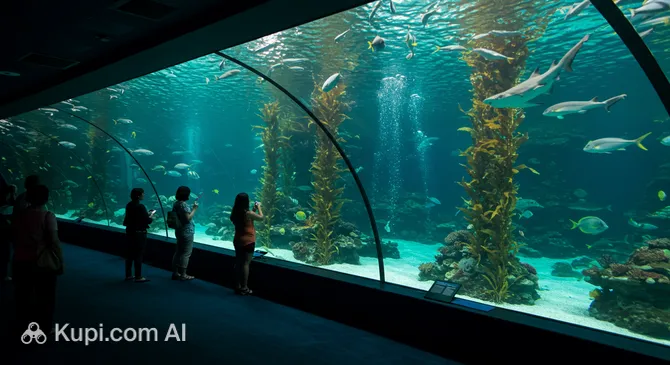
Two Oceans Aquarium. Illustration.
Source: Kupi.com AI

Traveler photos:

Founded in 1995, the aquarium is home to more than 300 species of marine life, representing the rich biodiversity of both oceans. Visitors can see everything from large ragged-tooth sharks and rays to numerous invertebrates, including jellyfish, anemones, and crustaceans. The exhibits recreate natural ecosystems with incredible accuracy, allowing guests to peek into the mysterious underwater world.

Among the most impressive attractions is the giant 2-million-liter Open Ocean Tank, where you can watch sharks, and the Living Kelp Forest exhibit, an underwater forest of seaweed — one of the few of its kind in the world. Additionally, there is a sandy beach with penguins and seals where tides are simulated, making animal observation particularly interesting. Educational programs are held for children and adults, and the bravest visitors can even swim with sharks under the supervision of instructors.

Contacts

Opening hours, ticket prices, and the schedule for special programs at the aquarium are subject to change. For the most up-to-date information, it is recommended to check the official tourism portals of Cape Town or confirm details directly on-site before your visit.

How to contactContact
AddressDock Rd, Victoria & Alfred Waterfront, Cape Town, 8002, South Africa
Phone number+27 21 418 3823
Websitewww.aquarium.co.za

What to Do

Visitors to the Two Oceans Aquarium can look forward to exploring several unique themed exhibits. One of the most impressive is the Open Ocean Tank, a giant 2-million-liter aquarium where you can spend hours watching graceful sharks, rays, and other large inhabitants of the deep sea. No less exciting is a visit to the Living Kelp Forest exhibit — one of the few aquariums in the world featuring a live forest of giant seaweed, creating a total sense of immersion in the underwater world.

In addition to observing marine life, the aquarium offers many interactive activities. Educational programs and engaging shows, such as penguin feedings and diver demonstrations, are held regularly for guests. Those interested can visit special laboratories to get a closer look at marine biology or join themed tours and lectures on environmental protection.

For the bravest and certified visitors, there is a unique opportunity — diving in one of the tanks. This allows you not just to see, but literally to be among the marine life, including swimming with sharks or fish in the kelp forest. These dives are available by prior arrangement and offer an unforgettable experience. For children, special workshops and puppet shows are organized in the play center.

Getting There

The Two Oceans Aquarium is located in one of Cape Town's most vibrant and popular spots — the Victoria & Alfred Waterfront (V&A Waterfront). Thanks to this central location, getting here is easy regardless of where you are staying in the city. Numerous signs throughout the waterfront area provide convenient access to the aquarium.

If you are in the city center, you can walk to the aquarium while enjoying views of the harbor and Table Mountain. Public transport also runs regularly to the waterfront, including MyCiTi city buses (stop 104) and special tourist shuttles like the Hop-On Hop-Off bus, which stops right at the V&A Waterfront. This is a convenient and budget-friendly way to travel.

For those traveling by car, there are spacious parking areas within the V&A Waterfront complex, allowing you to park in close proximity to the entrance. Additionally, taxis and ride-sharing services are always available and actively serve the area. Many city sightseeing tours of Cape Town also include the aquarium in their itinerary, making it an excellent option for those looking to combine several attractions.

Nearest city: Cape Town

History & Facts

The history of the Two Oceans Aquarium began in the late 1980s when the idea arose to create a modern educational center in Cape Town dedicated to the region's rich marine life. The project was the result of a joint effort between V&A Waterfront Holdings and the South African Association for Marine Biological Research (SAAMBR). The goal was not just to entertain visitors but to inspire them to care for the ocean.

Construction took about three years and required significant investment from both public and private sources. The official opening took place on November 13, 1995, and since then, the aquarium has become one of the city's landmarks. Renowned architect Jack Barnett participated in the design of the unique exhibits, which helped create immersive and realistic underwater landscapes.

Since its opening, the aquarium has been constantly evolving and modernizing to fulfill its main mission: raising environmental awareness and promoting knowledge about South Africa's marine biodiversity. It is more than just an attraction; it is an important scientific and conservation center that contributes significantly to the study and preservation of the unique ecosystems of the Atlantic and Indian Oceans.

Time Needed

When planning a visit to the Two Oceans Aquarium, you should allow for about 2–3 hours. This is usually enough time to leisurely walk through all the main exhibits, meet the key inhabitants, and get a general impression of this amazing place. Within this timeframe, you will have enough time to enjoy both the giant Open Ocean Tank and the unique kelp forest.

However, if you are traveling with children or have a deep interest in marine biology, it is better to set aside more time. Attending interactive programs, workshops, or special shows, such as penguin and shark feedings, can significantly extend your visit. To get the best seats for watching the feedings, it is recommended to arrive 15–20 minutes early. Therefore, for a more immersive experience in the underwater world and to participate in all activities, you should plan for at least half a day.

Working Hours

The Two Oceans Aquarium is open to visitors year-round, 365 days a year. Standard operating hours on weekdays are from 9:30 AM to 6:00 PM. On weekends, as well as public holidays and school vacations, the aquarium opens slightly earlier at 9:00 AM and also stays open until 6:00 PM. Please note that ticket sales stop 30 minutes before closing.

While tickets can be purchased directly at the ticket office upon arrival, it is highly recommended to buy them online in advance. This not only helps avoid queues, especially during peak tourist season, but can also sometimes save you money. Although the aquarium is open daily, it is always helpful to check the current schedule on the official website before your visit, as changes may occur due to special events or holidays.

9:30 – 18:00

Nearby

Visiting the Two Oceans Aquarium is just the beginning of an exciting journey through one of Cape Town's most picturesque areas. Located at the famous Victoria & Alfred Waterfront, the aquarium is surrounded by many other points of interest. A walk around the neighborhood will allow you to dive deeper into the city's atmosphere, combining educational leisure with entertainment, shopping, and gastronomic discoveries.

Iconic landmarks, museums, and shopping centers are just a few minutes' walk from the aquarium. This makes it an ideal starting point for exploring this part of the city. Below is a list of places located in the immediate vicinity that are worth adding to your itinerary.

NameDistance
Cape Town Resort0.1 km
V&A Waterfront0.2 km
Clock Tower0.5 km
Zeitz Museum of Contemporary Art Africa0.5 km
Cape Town Diamond Museum0.5 km
Victoria Wharf Shopping Centre0.5 km
Nelson Mandela Gateway to Robben Island0.5 km

Have you reached the end of the page?

So the route has been studied inside and out