Support

Castle of Good Hope

About

The Castle of Good Hope is an impressive pentagonal fortification located in the heart of Cape Town, South Africa. It is not just a fortress, but the oldest surviving colonial building in the entire country, representing a major historical and architectural landmark of the region. Its massive walls and bastions hold centuries of history and invite you to step back into the past.
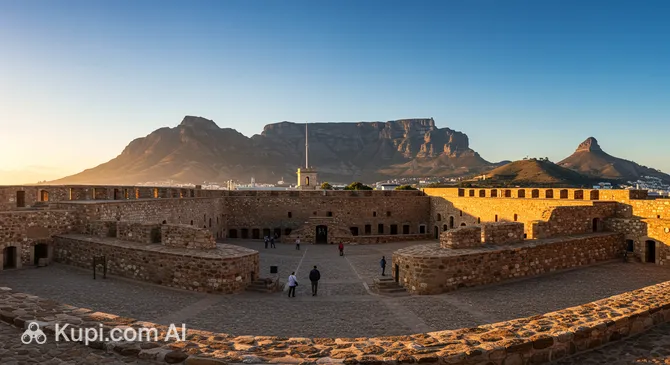
Castle of Good Hope. Illustration.
Source: Kupi.com AI

Traveler photos:

Built from durable granite and brick, the castle is surrounded by a moat, highlighting its defensive purpose. It features five distinctive bastions, each named after titles held by William III of Orange, adding historical depth to the site. A walk through its grounds allows you to experience the power and engineering ingenuity of that era.

Today, the Castle of Good Hope serves several important roles. It houses a fascinating military history museum where you can learn about the region's past and its defenders. Furthermore, the castle still serves as the headquarters of the South African National Defence Force in the Western Cape, making it an active historical site.

Inside the castle walls, various exhibitions await visitors. Here, you can examine artifacts telling the story of Cape Town, admire antique items, Old Master paintings, and rich collections of decorative arts. Visiting the Castle of Good Hope is a unique opportunity to touch the history of South Africa and see one of its most significant symbols.

Contacts

If you are planning to visit the Castle of Good Hope and want to clarify details such as opening hours, ticket prices, or information about current exhibitions, it is recommended to contact the administration in advance. This will help you better plan your visit and get the most out of this historical site.

How to contactContact
AddressCastle St, Foreshore, Cape Town, 8001, South Africa
Phone number+27 12 461 4673
Websitewww.castleofgoodhope.co.za

What to Do

Visitors to the Castle of Good Hope can begin their visit with a walk through its extensive grounds, exploring every corner of this historic structure. Inside, fascinating exhibitions at the Military History Museum await, featuring artifacts that tell the story of the region's past. It's also worth paying attention to the rich collections of decorative arts, antiques, and paintings that provide insight into the cultural heritage.

Of particular interest are the carefully restored old interiors and rooms, offering a glimpse into the daily life of past eras. Don't miss the chance to see unique military exhibits and the famous tower with its original bell cast back in 1679. For a deeper dive into history, the castle regularly hosts tours, including engaging theatrical performances, a Changing of the Guard ceremony, and exciting historical reenactments.

For those who want to enjoy the views, it's recommended to climb one of the bastions—from there, an impressive panorama of Cape Town and its picturesque surroundings unfolds. After a busy walk and touring the exhibitions, you can relax in the cozy cafe on the castle grounds or stop by the gift shop, which offers a wide selection of souvenirs and books on the history of South Africa.

Getting There

The Castle of Good Hope is conveniently located in the heart of Cape Town on Buitenkant Street, making it easily accessible for visitors. If you prefer public transport, the railway station and several bus stops are located near the castle, providing quick access to this historic landmark. A taxi ride from central areas of the city also won't take much time.

For those traveling by car, paid parking is available near the Castle of Good Hope, which is very convenient. Thanks to its central location, the castle is within walking distance of many tourist areas in Cape Town. For example, a walk from the popular V&A Waterfront will take you about 15-20 minutes. Additionally, city buses run regularly to the castle from there and other parts of the city.

The location of the Castle of Good Hope in close proximity to other significant historical and cultural sites in Cape Town makes it easy to include in your travel itinerary. Regardless of your chosen mode of transport, reaching this outstanding landmark in South Africa is quite straightforward.

Nearest city: Cape Town

History & Facts

The history of the Castle of Good Hope dates back to the mid-17th century. Its construction was initiated by the Dutch East India Company in 1666 and completed in 1679. This impressive stone fort was built on the site of an earlier wooden fortification constructed by Jan van Riebeeck in 1652. Initially, the castle's primary role was to protect the growing settlement and serve as a vital replenishment station for the company's ships sailing the sea route to Asia.

A notable feature of the Castle of Good Hope is its pentagonal shape, known as a bastion fortification system. This design was developed at the direction of Commissioner Isbrand Goske and Commander Zacharias Wagenaer. The fortress's five massive bastions—Leerdam, Buuren, Katzenellenbogen, Nassau, and Oranje—were named after the main titles of William III of Orange, emphasizing the structure's connection to the Dutch ruling house. This configuration provided effective defense and a 360-degree view.

Over the centuries, the castle's military significance gradually decreased, while its historical and cultural value continued to grow. A major milestone in the castle's history occurred in 1936 when it was officially declared a military history museum. The Castle of Good Hope retains this status to this day, inviting visitors to explore the region's rich military past and see unique artifacts housed within its walls.

Time Needed

To fully see the Castle of Good Hope and its various exhibitions, it is recommended to set aside approximately 2-3 hours. This is generally enough time to take a leisurely stroll through its extensive grounds, explore the main museums, climb the bastions for a panoramic view, and perhaps join one of the offered tours. This timeframe will allow you to get a comprehensive impression of this iconic site.

Of course, the duration of your visit may vary depending on individual interests and how deep you wish to dive into history. If you plan to attend special events or study each exhibition in detail, you might need a bit more time. However, for a standard introductory visit covering the key points of the Castle of Good Hope, 2-3 hours will be quite sufficient to gain vivid impressions and learn many new things.

Working Hours

The Castle of Good Hope is usually open to visitors daily. Generally, standard operating hours are from 09:00 to 16:00. It is important to note that the schedule may change on public holidays, so it is recommended to check before planning your visit.

To get the latest information on opening hours, especially ahead of public holidays, and to clarify if pre-booking tickets or tours is required, we strongly advise visiting the official website of the Castle of Good Hope or contacting its administration. This will help you plan your visit effectively and avoid any potential inconvenience. Based on general information, the attraction is available for visits year-round.

9:00 – 16:00

Nearby

A visit to the Castle of Good Hope will undoubtedly be one of the highlights of your trip to Cape Town. However, to make your experience even more complete and multifaceted, it's worth paying attention to the nearby attractions. Exploring the surrounding area will allow you to dive deeper into the city's atmosphere, discover new interesting spots, and gain a more holistic understanding of the cultural and historical heritage of South Africa.

There are many other noteworthy sites near the Castle of Good Hope, ranging from historical buildings and museums to bustling squares and cozy venues. A stroll through these places will enrich your travel experience and bring new discoveries.

NameDistance
Iron Steak and Bar1.1 km
The Athletic Club & Social1.1 km
Iziko South African Museum1.2 km
15 On Orange Hotel Bar1.3 km
Bo-Kaap Museum1.3 km
Ayepyep Lifestyle Lounge1.4 km
Zeitz Museum of Contemporary Art Africa2 km

Have you reached the end of the page?

So the route has been studied inside and out