Support

Denia

About

Denia is a true gem of the northern Costa Blanca in Spain, nestled comfortably at the foot of the majestic Montgó mountain. This city enchants with its Mediterranean atmosphere, where friendliness and a leisurely pace of life prevail, attracting travelers from all over the world.
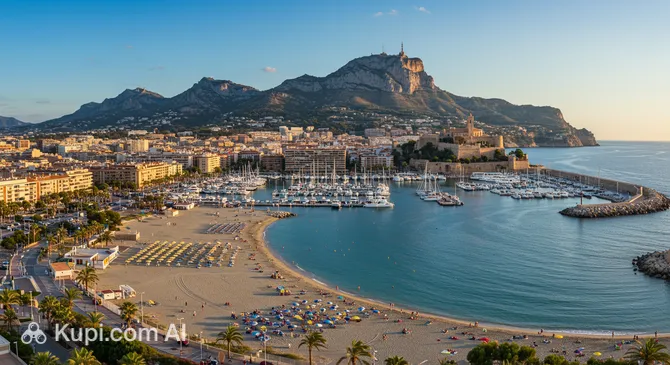
Denia. Illustration.
Source: Kupi.com AI

The city covers an area of about 66 square kilometers, and its population is approximately 43,899 people. Denia's unique geographical position, washed on one side by the turquoise waters of the Mediterranean Sea and protected by mountain ranges on the other, ensures a mild and comfortable climate throughout the year, making it an attractive vacation spot at any time.

One of Denia's main attractions is its 20-kilometer coastline, offering both endless sandy beaches in the north and picturesque rocky coves in the south, ideal for peaceful relaxation and diving. The historic city center has preserved its old-world charm with narrow streets, white houses, and an ancient fortress built during the Moorish era, which offers magnificent views. Additionally, Denia is a major port with ferries departing for Ibiza and Mallorca, and the local Marina de Denia is always buzzing with life, offering restaurants, boutiques, and opportunities for boat trips.

Denia offers an amazing combination of natural beauty, rich history, authentic cuisine, and true Spanish flavor. This city is undoubtedly worth a visit to enjoy the beauty of the Mediterranean, explore its historical heritage, and immerse yourself in an atmosphere of serene relaxation and gastronomic discovery.

You can find more interesting facts on the history of Denia page.
Weather Overview

The weather in Denia is characterized by a warm Mediterranean climate. Summers here are hot and sunny, with average temperatures in July and August around 25-26°C, and maximum values can reach 29°C. Rainfall in the summer months is minimal, especially in July, when there is practically none. Winters in Denia are mild, with the average temperature in January-February staying around 11-12°C, with occasional precipitation. Spring and autumn are pleasant times to visit, with comfortable temperatures and a moderate number of rainy days, especially in March and September. Overall, expect a hot, predominantly dry summer and mild winters with little rainfall. You can find more detailed information about the weather on the Denia Climate page.

Average monthly temperature

Average monthly precipitation

Interesting Facts

Beyond its sunny beaches and lively atmosphere, Denia hides many amazing stories and curious details. Are you ready to discover this charming city in Spain from an unexpected side?

Denia Castle. Illustration.
Source: Kupi.com AI

Traveler photos:

  • Denia owes its name to the ancient Roman goddess Diana. Legend has it that a temple dedicated to her once stood on this site. The historic heart of the city, the majestic Denia Castle, still preserves traces of many eras, starting from the Roman period.

  • Montgó Mountain, which is a symbol of Denia and a natural park, is shrouded in many legends. One of the most famous says that the mountain is a sleeping giant who has guarded the peace of the city and its residents for centuries.

  • Thanks to constant and fresh winds, Denia is recognized as one of the best places in Spain for kiting and windsurfing. Spacious beaches, such as Les Marines, regularly serve as venues for national and international competitions in these spectacular sports.

  • Few people know that Denia is home to one of the oldest toy museums in Spain. Its collection tells the story of toy production in the region, which flourished here in the early 20th century.

How to Get There

Denia is located on the Costa Blanca, roughly halfway between two major transport hubs — Alicante and Valencia. This makes the city easily accessible for travelers arriving by both air and rail. You can find out more about how to get to Denia by exploring all available routes and modes of transport.

There is no airport in Denia itself, so most tourists fly into Alicante-Elche Airport (ALC), located in Alicante, about 85 km from the resort. This is a major international hub receiving flights from all over Europe. A trip from the airport to Denia by taxi or rental car will take about 1 hour, and by bus, about 1.5–2 hours. Another convenient option is Valencia Airport (VLC), located in Valencia, 88 km from Denia. The travel time from here will be approximately the same.

For clarity, here is summary information on the main airports:

AirportPassenger trafficDistance
Alicante-Elche Airport18.4 mln85 km
Valencia Airport9.9 mln88 km
Ibiza Airport9.1 mln110 km
Castellon Airport280 000152 km
Corvera International907 668157 km

As for rail connections, there is no high-speed long-distance train station in Denia itself. The nearest major hub is Alicante Railway Station in Alicante, located about 76 km away. AVE trains from Madrid and other Spanish cities arrive here. From Alicante station, Denia can be reached by tram (TRAM) or bus. An alternative is Valencia Station (Estació del Nord or Joaquín Sorolla) in Valencia, located 81 km away. Buses run regularly from there to Denia.

Below is a table with information on the nearest railway stations:

StationPassenger trafficDistance
Alicante Railway Station3.8 mln76 km
Valencia Railway Station14 mln81 km
Castellón de la Plana Railway Station2.5 mln128 km
Albacete Railway Station915 608170 km
Teruel Railway Station166 000197 km

Main Attractions

Denia, a charming town on Spain's Costa Blanca, offers its guests not only magnificent beaches but also a rich history and culture. Here, everyone will find something to their liking, from exploring ancient castles to walking along picturesque nature trails.

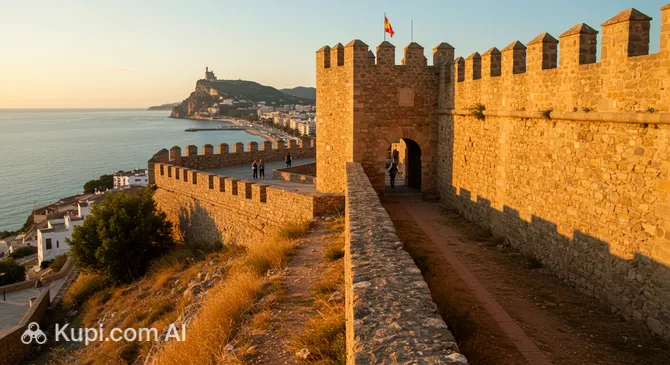
One of the city's main landmarks is the majestic Denia Castle. This ancient fortress, built by the Moors in the 11th-12th centuries on the site of Roman fortifications, rises on a hill, offering breathtaking panoramic views of the city, the port, and the Mediterranean Sea. Inside the castle is the Archaeological Museum, where you can learn more about the region's history. Walking along its walls is a true journey back in time.

Denia Castle. Illustration.
Source: Kupi.com AI

Traveler photos:

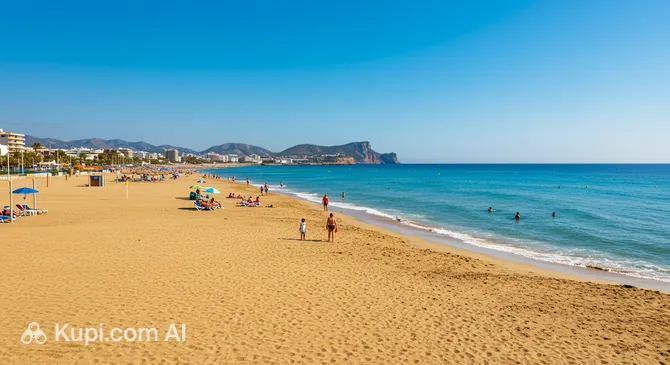
For beach lovers, Denia offers many options, and one of the most popular is Les Marines Beach. This long sandy beach is famous for its golden sand, clean water, and well-developed infrastructure. It is ideal for families, sunbathing, and water sports. You can find many cafes and restaurants here serving fresh seafood.

Les Marines Beach. Illustration.
Source: Kupi.com AI

Traveler photos:

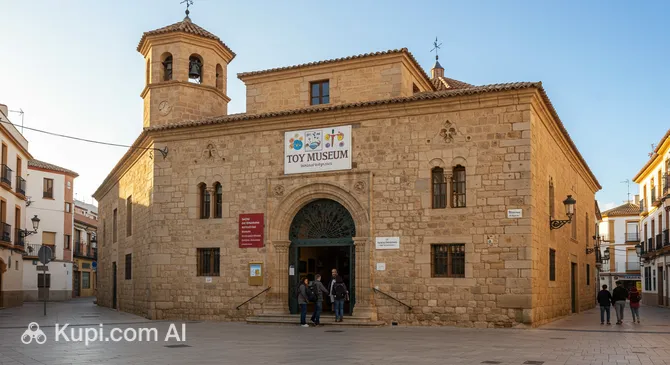
If you are traveling with children or are simply interested in the history of everyday life, be sure to visit the Denia Toy Museum. Located in a former railway station building, the museum showcases a collection of toys produced in Denia in the first half of the 20th century, when the city was an important production center. It is a nostalgic place that will be interesting for both adults and young visitors.

Denia Toy Museum. Illustration.
Source: Kupi.com AI

Traveler photos:

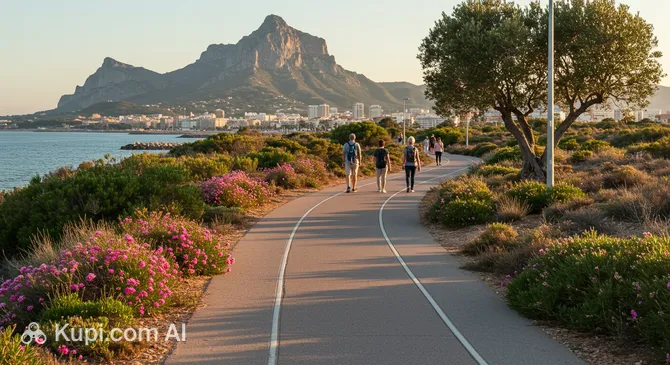
For those who prefer active outdoor recreation, the Denia Greenway (Vía Verde de Dénia) is an excellent choice. This walking and cycling route follows a former narrow-gauge railway line that connected Denia with other towns. The trail passes through picturesque orange groves and offers beautiful views of Montgó mountain, allowing you to enjoy the peace and beauty of the local nature.

Dénia Greenway. Illustration.
Source: Kupi.com AI

Traveler photos:

Local Cuisine

Denia is rightfully proud of its gastronomy, which is recognized far beyond Spain. The city is considered a true culinary capital of the Costa Blanca, and for good reason. The local cuisine is based on the freshest gifts of the Mediterranean Sea, aromatic vegetables, and, of course, rice, which is prepared here in dozens of variations.

The main gastronomic jewel of Denia is the famous red shrimp (gamba roja de Dénia). This delicacy, caught in local waters, has a unique delicate taste and aroma, and every gourmet should definitely try it. In addition to shrimp, you will find a variety of fish and seafood dishes on the menus of local restaurants: arròs a banda (rice cooked in fish broth and served separately from the fish), suquet de peix (a thick fish stew), and octopus in various forms, including pulpo seco (dried octopus) – a local specialty. Of course, you cannot overlook paella, especially seafood paella, and rice with cuttlefish ink.

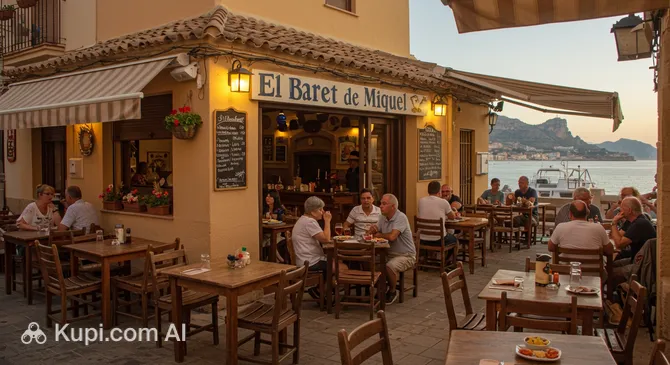
El Baret de Miquel. Illustration.
Source: Kupi.com AI

Traveler photos:

Popular drinks in Denia include local wines, especially whites and rosés, which perfectly complement seafood dishes. On a hot day, horchata, a sweet drink made from tiger nuts, is refreshing. Sweet lovers will appreciate mistela, a fortified dessert wine. Many restaurants and bars will also offer classic sangria.

The dining culture in Denia is diverse. You can find everything from award-winning fine-dining restaurants to cozy tapas bars where locals and tourists enjoy small snacks with a glass of wine or beer. One such place to experience authentic cuisine with a modern twist is El Baret de Miquel. It is definitely worth stopping by the Municipal Market (Mercado Municipal), where the freshest seafood, fruits, and vegetables are sold – it's a great place to feel the local flavor. Gastronomic festivals, such as the Red Shrimp Festival in summer and "Rice Days," attract food lovers from all over the world, turning the city into a true culinary hub.

Travel Tips

Welcome to charming Denia! To make your journey through this sunny corner of Spain as comfortable and pleasant as possible, we have prepared some practical tips. They will help you navigate the area better and enjoy every moment of your vacation.

  1. Clothing and useful items:

    The climate in Denia is Mediterranean, so in summer (June-September), bring light, breathable clothing, swimwear, a hat, sunglasses, and sunscreen with high SPF. In spring and autumn, a light jacket or sweater will come in handy for the evenings. In winter, a warm jacket is sufficient. Be sure to bring comfortable shoes for walking through the old town, climbing to the castle, and along the beaches. Don't forget an adapter for electrical appliances (Spain uses type F sockets).

  2. Getting around the city:

    Denia is a quite compact city, especially its central part and the port area, which are easily explored on foot. For longer trips, you can use local buses. Taxis are available, and popular ride-hailing apps may also work. Renting a car will be useful if you plan to explore the Costa Blanca surroundings, but keep in mind that parking in the center of Denia, especially in high season, can be difficult.

  3. Financial matters:

    The official currency is the Euro (EUR). You can exchange money at banks or exchange offices ("cambio"). Credit and debit cards (Visa, Mastercard) are widely accepted in most shops, restaurants, and hotels. ATMs ("cajeros automáticos") are easy to find. Tipping in Spain is not strictly mandatory but is always welcomed for good service (usually 5-10% in restaurants or rounding up the bill in taxis and bars).

  4. Health and safety:

    Denia is generally a safe city. Follow standard precautions: keep an eye on your belongings in crowded places (markets, beaches, public transport), and do not leave valuables unattended. Pharmacies ("farmacias") are marked with a green cross; there is always a duty pharmacy ("farmacia de guardia") open 24/7. For EU citizens, it is recommended to carry a European Health Insurance Card (EHIC). Tourists from other countries are strongly recommended to take out travel insurance.

  5. Language and communication:

    The official language is Spanish (the Valencian dialect is also common). In the tourist areas of Denia, many people speak English, especially in hotels and restaurants. However, locals will greatly appreciate it if you learn a few basic phrases in Spanish, such as: "Hola" (Hello), "Adiós" (Goodbye), "Por favor" (Please), "Gracias" (Thank you), "¿Cuánto cuesta?" (How much does it cost?). Wi-Fi is available in most hotels, cafes, and restaurants. A local SIM card can be purchased at mobile operators' stores.

  6. Local etiquette and traditions:

    Spanish people are open and friendly. The greeting "Hola" is appropriate almost always. When meeting, a light kiss on both cheeks (starting with the left) is customary between women or between a man and a woman in informal settings; men usually shake hands. Lunchtime (almuerzo) is usually from 14:00 to 16:00, and dinner (cena) starts late, from 21:00. Don't be surprised if restaurants are empty before this time.

  7. What to avoid:

    Try not to walk in swimsuits outside the beach or pool area – this is considered bad manners in urban settings. Also, avoid excessively loud behavior in public places, especially during the traditional siesta (approximately from 14:00 to 17:00), when many locals rest, although in tourist centers this rule is observed less strictly.

  8. A special tip for Denia:

    Denia is famous for its gastronomy and is a UNESCO Creative City of Gastronomy. Be sure to try the famous red shrimp from Denia (gamba roja de Dénia) and other local delicacies. Also, ferries depart from the port of Denia to the Balearic Islands (Ibiza, Formentera, Mallorca), which can be a great addition to your vacation.

We hope these tips make your stay in Denia even more memorable and worry-free. Enjoy the sun, the sea, and the hospitality of this beautiful city!

Entertainment & Nightlife

The nightlife in Denia is diverse and capable of satisfying the tastes of a wide variety of travelers. When the sun sets behind Montgó mountain, the city is transformed: the doors of numerous bars, pubs, and clubs open, where the fun continues until morning. Here you can find both noisy discos and cozy lounge areas by the sea, making the resort attractive for young people and couples alike.

Fans of dancing and energetic music should check out the Mistico nightclub. This is one of the most popular spots in town, regularly hosting themed parties and DJ performances that create an electrifying atmosphere. For those who prefer a combination of great cocktails and a relaxing setting with sea views, Agua de Mar is a wonderful choice. This lounge club in the port area is perfect for summer nights under the stars, offering guests a chance to enjoy the sea breeze and contemporary music.

If you want to spend the evening in a more relaxed atmosphere, immersing yourself in the local "tapeo" culture (bar-hopping with snacks), head to La Tapita del Papi. A friendly atmosphere prevails here, and the variety of tapas will allow you to appreciate traditional Spanish flavors. Another colorful establishment is Bar Troya, where you can enjoy a glass of wine or a cold beer with friends while discussing the day's impressions.

Gastronomic pleasures in Denia often seamlessly flow into evening entertainment. The restaurant Mala Vita, located in a picturesque spot, offers not only delicious food but also a great atmosphere for a long dinner that transitions into a pleasant evening. A walk along the promenade and the Marina de Denia port after sunset is a pastime in itself, allowing you to enjoy the city lights and the live music often heard from the terraces of seaside venues.

Parks & Museums

Denia offers its guests not only magnificent beaches but also interesting green spaces for walks, as well as places where you can touch the city's history and culture. Everyone will find something for themselves here, whether it's a quiet rest in nature or an informative dive into the past.

For those seeking active recreation in nature, the Denia Greenway (Vía Verde de Dénia) will be a true discovery. This route, laid along a former railway line, invites you to leisurely bike rides or walks. Stretching for several kilometers, the path allows you to enjoy views of orange groves and foothills, offering a peaceful atmosphere and the opportunity to observe local flora and fauna away from the city bustle.

Dénia Greenway. Illustration.
Source: Kupi.com AI

Traveler photos:

While Denia is famous for its beaches, Les Marines Beach deserves special mention as an extensive natural area for relaxation. Its golden sand and calm waters make it an ideal place for families, sunbathing, and long walks along the coast. It is not just a beach, but a whole space for relaxation and enjoying the sea breeze.

To get to know the daily life of the city and rest in the shade of trees, it is worth visiting Torrecremada Park (Parque de Torrecremada). It is not only a pleasant place for walks but also a venue for local fairs and cultural events, where you can feel the authentic atmosphere of Denia and see how the residents themselves relax.

The dominant feature of Denia's historic landscape is Denia Castle. In addition to impressive views, its ancient walls house the Archaeological Museum. The museum's exhibition is dedicated to the city's centuries-old history, presenting artifacts from Iberian and Roman times to the era of Muslim rule and the Christian conquest. The castle grounds themselves are an extensive space for exploration, where every stone breathes history, allowing visitors to imagine the life of past eras.

Denia Castle. Illustration.
Source: Kupi.com AI

Traveler photos:

A unique cultural site is the Denia Toy Museum, located in a former railway station building. Its collection focuses on toys produced in Denia in the first half of the 20th century, making it not just an exhibition of antique objects but a witness to an important period in the city's industrial history. A visit to the museum will be interesting not only for families with children but for everyone who appreciates craft heritage and local stories.

Denia Toy Museum. Illustration.
Source: Kupi.com AI

Traveler photos:

For an authentic experience, head to the old fishing quarter of Baix la Mar. Its narrow streets, brightly colored houses, and numerous restaurants offering the freshest seafood create a unique atmosphere and allow you to feel the soul of old Denia.

Getting Around

Getting around Denia and its surroundings is quite convenient thanks to a developed public transport system and available alternatives. The transport network is based on buses and a suburban tram, which connect different areas of the city and neighboring settlements.

Buses are the main form of public transport within Denia itself. City routes cover the main districts, beaches, and tourist zones. Buses run with reasonable regularity, especially during the tourist season. You can usually pay for your fare directly to the driver upon boarding; the approximate cost of a single trip on a city bus is about 1.50 – 2.50 euros. There are also travel passes for multiple trips or for a certain period (e.g., bono bus), which can be more economical with frequent use. Route and schedule information can be found at stops or on the local transport company's website.

An important part of the region's transport system is the narrow-gauge railway TRAM Metropolitano de Alicante, whose L9 line connects Denia with towns such as Calpe, Altea, Benidorm, and Alicante. This is a scenic and convenient way to reach neighboring resorts. The TRAM station in Denia is located near the center. TRAM tickets can be purchased from machines at stations or, in some cases, on the train itself. Different tariff zones exist, so the cost of the trip depends on the distance; for example, short-distance trips within the nearest zones usually start from 2-4 euros. It is recommended to check the schedule in advance, especially if you plan to travel late in the evening.

In addition to public transport, other modes of travel are available in Denia. Taxis can be found at special ranks or called by phone. This is a more expensive but comfortable option, especially for trips with luggage or at night. A taxi ride within the city for a short distance can cost about 7-15 euros, depending on the distance, time of day, and number of passengers. Bicycle rental is also popular, which is not surprising given the pleasant climate and the presence of bike lanes along the promenade and in some parts of the city. Renting a bike is a great way to explore Denia at your own pace.

For tourists, it is useful to know that it is better to purchase tickets for most types of transport in advance if possible, or have small change to pay the driver. Pay attention to the information boards at stops and stations – they usually show up-to-date schedules and route maps. Tourist information centers can also provide detailed advice on transport matters.

Accommodation

When planning a trip to Denia, you will find a wide range of accommodation options to suit every taste and budget. The city offers everything from cozy apartments and guesthouses to comfortable hotels and luxury villas. Here you can find budget options for thrifty travelers, as well as mid-range hotels and luxury resorts for more demanding guests.

When choosing a place to stay, pay attention to the areas that are particularly popular with tourists. Many prefer to stay near the port and the promenade, where many restaurants and cafes are concentrated. Areas adjacent to famous beaches, such as Les Marines Beach, are also in demand, which is especially convenient for beach lovers. The historic city center, located at the foot of Denia Castle, attracts those who want to immerse themselves in the atmosphere of the old town and be within walking distance of the main attractions.

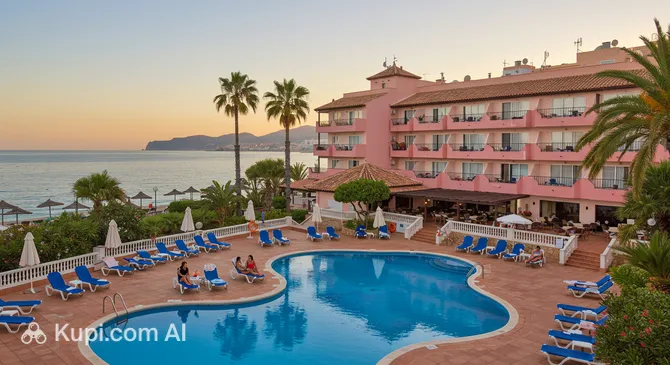
Hotel Rosa. Illustration.
Source: Kupi.com AI

Traveler photos:

Among the many options, you can highlight, for example, Hotel Rosa, which offers comfortable accommodation. The choice of a specific hotel or apartment depends on your preferences and budget.

Regarding the price range, you can find housing in Denia for every pocket: from budget options to luxury offers. It is most convenient to book accommodation through popular online platforms or directly on hotel websites. It is recommended to book your stay in advance, especially if your trip falls during the peak tourist season (summer months), to ensure the best choice and prices.

Nearby Cities

For those who want to explore the surrounding area, Denia serves as an excellent starting point for day trips to several interesting nearby places:

CityPopulationDistance
Teulada11 94412 km
Benissa11 87115 km
Oliva25 17921 km
Calpe24 09622 km
Altea23 01029 km

For example, Gandia attracts visitors with its magnificent beaches and rich historical heritage, including the famous Borgia Palace. Benidorm, known for its impressive skyscrapers, golden beaches, and lively atmosphere, offers a completely different type of vacation. And for connoisseurs of authentic culture and nature, a trip to Alcoy, with its unique Modernist architecture and proximity to natural parks, will be a true discovery.

These nearby destinations provide a more complete picture of the diverse culture, history, and landscapes of the Costa Blanca region.

Shopping & Souvenirs

Denia offers a pleasant experience for those who like to combine relaxation with shopping. The city is not a large shopping hub like major metropolises, but here you can find many charming local shops, boutiques, and colorful markets. The main emphasis is on locally produced goods, fresh products, and souvenirs reflecting the spirit of the Costa Blanca.

The main shopping thoroughfare in Denia is undoubtedly Calle Marqués de Campo. This is a lively boulevard lined with plane trees, where clothing, shoe, jewelry, and perfume shops are concentrated, as well as banks and numerous cafes where you can rest between purchases. The adjacent streets of the historic center, such as Calle Diana, Calle Cop, and Calle La Vía, will also delight you with a variety of small shops and boutiques with unique finds.

In Denia itself, there are no large shopping centers in the traditional sense. Shopping here is more focused on street shops and markets. However, in the vicinity of the city, within a short distance, you can find larger commercial zones if you need a wider selection of chain stores.

A must-visit place is the Municipal Market (Mercado Municipal), located in the city center. This is a true gastronomic paradise where you can buy the freshest seafood, meat, fruit, vegetables, cheeses, olives, and other local delicacies. The atmosphere here is always lively and authentic. In addition, Denia regularly hosts street markets (mercadillos). On Mondays and Fridays, a large market unfolds selling clothes, shoes, accessories, home goods, and souvenirs. It is also worth paying attention to the antique market (rastro), which usually runs on Fridays and offers vintage items and collectibles.

From Denia, it's worth bringing home traditional Spanish and local souvenirs. Look for handmade ceramic products, colorful fans, and leather goods. Gastronomic souvenirs are an excellent choice: local olive oil, wine (especially Moscatel from the Marina Alta region), almonds, turrón (Spanish nougat), as well as cured sausages and cheeses. Souvenirs with a nautical theme and city symbols, such as an image of Denia Castle, are also popular.

Most shops in Denia operate on a traditional Spanish schedule: approximately from 10:00 to 14:00 and then after the siesta from 17:00 to 20:00 or 21:00. Large supermarkets and some chain stores may work without a lunch break. On Sundays, most shops, except for some souvenir stalls and grocery stores in tourist areas during the high season, are usually closed. Both cash and bank cards (Visa, Mastercard) are accepted in most shops. At markets, it is preferable to have cash on hand.

Tourists from non-EU countries can take advantage of the VAT refund system (Tax Free) when making purchases over a certain amount (usually over 90.15 euros on one receipt). Look for stores with the "Tax Free" logo. Don't forget to ask the seller for a special tax refund check (form) and present it along with your purchases at customs when leaving the EU.

Nearby cities

Reached the end of the page?

That means the route is fully explored