Support

Altea

About

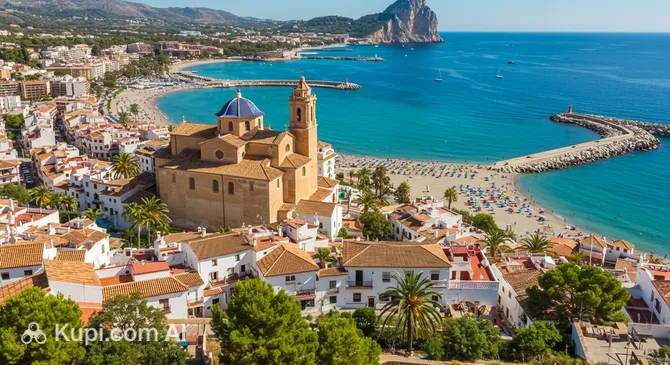
Altea is a true gem of the Costa Blanca in Spain, nestled on a hillside between the popular resorts of Benidorm and Calpe. This charming town in the province of Alicante is famous for its unique bohemian atmosphere, whitewashed houses adorned with vibrant flowers, and narrow cobbled streets leading to the famous church with blue domes. On one side, Altea is washed by the azure waters of the Mediterranean Sea, while on the other, it is sheltered by the majestic Sierra Bernia mountains, creating picturesque landscapes.
Altea. Illustration.
Source: Kupi.com AI

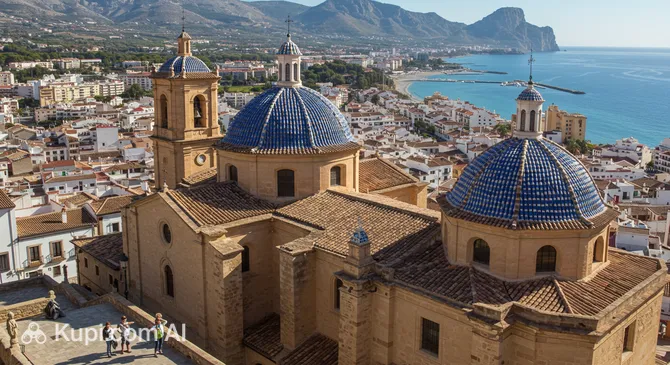
With a population of about 23,000 people, Altea preserves the spirit of a traditional Mediterranean town, where time flows slowly, inviting leisurely walks and contemplation. The town has long been a favorite spot for artists, musicians, and creative individuals, which is reflected in its numerous art galleries, craft workshops, and creative studios. The heart of the old town is the square by the church of Nuestra Señora del Consuelo, whose bright blue and white domes have become the symbol of Altea. From here, breathtaking views of the surroundings open up.

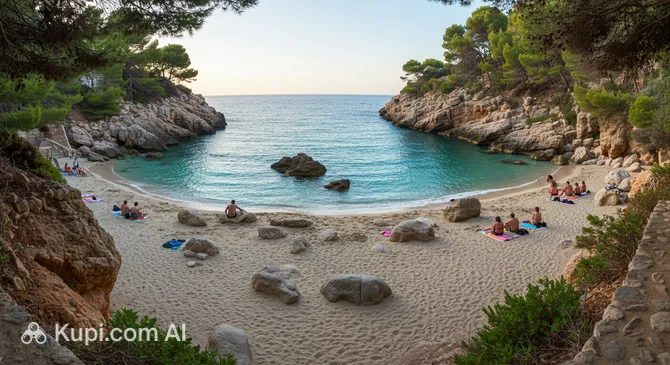
Altea's coastline stretches for almost six kilometers, offering tourists both pebble beaches and secluded coves. Numerous cafes and restaurants line the promenade, where you can enjoy fresh seafood and local cuisine. Altea is a place that enchants at first sight with its authenticity, beauty, and tranquility, inviting everyone to discover its unique flavor and inspiring atmosphere.

You can find more interesting facts on the history of Altea page.
Weather Overview

The weather in Altea is characterized by a warm Mediterranean climate. Expect hot and very dry summers, with average temperatures in July and August around 26°C and maximum values reaching 30°C, while rainfall is minimal. Winters here are mild, with an average temperature in January around 10°C and a few rainy days. Spring and autumn are pleasant transitional seasons with comfortable temperatures; in March, April, and September, there might be slightly more precipitation compared to other months. Overall, Altea offers many sunny days throughout the year.

To learn more about seasonal changes and plan your trip in the best way possible, check out the detailed information about the climate of Altea.

Average monthly temperature

Average monthly precipitation

Interesting Facts

Beyond its charming white houses and stunning Mediterranean views, Altea holds many fascinating secrets and little-known details that make it a truly unique place. This town is not just a beautiful postcard, but a treasure box of surprises for the curious traveler.

Church of Our Lady of Consolation. Illustration.
Source: Kupi.com AI

Traveler photos:

  • City of Artists and Bohemians: Since the 1960s, Altea has become a real magnet for creative people. Artists, writers, and musicians from all over Europe flocked here, inspired by its unique light, picturesque streets, and peaceful atmosphere. Even today, in the Old Town, you will find many art galleries, craft workshops, and studios, and the spirit of creativity literally lingers in the air.

  • A Symbol with a Challenge: The famous Church of Our Lady of Consolation (Iglesia Nuestra Señora del Consuelo) with its bright blue and white tiled domes visible from afar is not only Altea's main architectural symbol. To reach it and enjoy the panoramic view, you must overcome 257 steps—a kind of pilgrimage for every guest of the city.

  • Fire Show Over the Sea: Every August, on the Saturday closest to the feast of San Lorenzo, a grand musical fireworks display called "Castell de l'Olla" takes place in Altea. This unique pyrotechnic show is launched directly from platforms set up in the sea and is considered one of the most spectacular and beautiful on the entire Costa Blanca, attracting tens of thousands of spectators.

  • Melodies from Around the World: Altea is home to a unique private museum—the Villa Gadea Music House-Museum (Casa Museo de la Música Villa Gadea), which houses an impressive collection of over 500 musical instruments from all over the world, some dating back to the 17th century. It is a real find for lovers of music and history.

How to Get There

When planning a trip to this picturesque corner of the Costa Blanca, you will find that getting here is quite easy thanks to the region's well-developed transport infrastructure. You can find more details on how to get to Altea, including all available routes and modes of transport, on a separate page.

Since Altea itself does not have its own airport, most travelers arrive via the airports of neighboring major cities. The closest and most popular option is Alicante-Elche Airport (ALC). It is located in the city of Alicante, about 57 km from Altea. This is a major international hub receiving many flights from different countries. The journey from the airport to the resort by taxi or rental car will take about 45–50 minutes. You can also get here by bus or by transferring to the tram.

An alternative option is Valencia Airport (VLC), located in the city of Valencia at a distance of about 105 km. This is also a major transport hub, convenient for those combining a visit to Altea with a tour of Valencia. The driving time is approximately 1 hour 15 minutes. For tourists heading to or arriving from the Balearic Islands, Ibiza Airport (IBZ) may be relevant, although it requires a ferry crossing to the mainland.

For convenience, here is a summary of the main airports:

AirportPassenger trafficDistance
Alicante-Elche Airport18.4 mln57 km
Valencia Airport9.9 mln105 km
Ibiza Airport9.1 mln127 km
Corvera International907 668130 km
Castellon Airport280 000179 km

If you prefer rail transport, keep in mind that Altea itself does not have a station for long-distance trains (only the TRAM light rail line passes through here). The nearest major station is Alicante Railway Station (YJE), located in the city of Alicante, about 49 km from your destination. High-speed AVE trains from Madrid and other regions of Spain arrive here. From the station, Altea can be reached by the TRAM (with a transfer) or by bus.

Another important railway hub is Valencia Station (YJV) in the city of Valencia, about 100 km from Altea. It is the largest station in the region, serving a huge flow of passengers. From here, the Costa Blanca can be reached by renting a car or using intercity bus services.

Below is a table with the nearest railway stations:

StationPassenger trafficDistance
Alicante Railway Station3.8 mln49 km
Valencia Railway Station14 mln100 km
Castellón de la Plana Railway Station2.5 mln154 km
Albacete Railway Station915 608163 km
Teruel Railway Station166 000214 km

Main Attractions

Altea, a charming town on the Costa Blanca, is famous for its bohemian atmosphere, whitewashed houses, and, of course, its iconic landmarks. Here, everyone will find something to their liking, from historical monuments to picturesque beaches.

One of the most recognizable and photographed attractions is the Church of Our Lady of Consolation (Iglesia Parroquial de Nuestra Señora del Consuelo). Its famous blue and white domes, covered with glazed tiles, tower over the old town and are visible from afar. Having climbed up to the church, you can not only admire its architecture but also enjoy panoramic views of the Mediterranean Sea and the surroundings. This place is the heart of old Altea, full of charm and history.

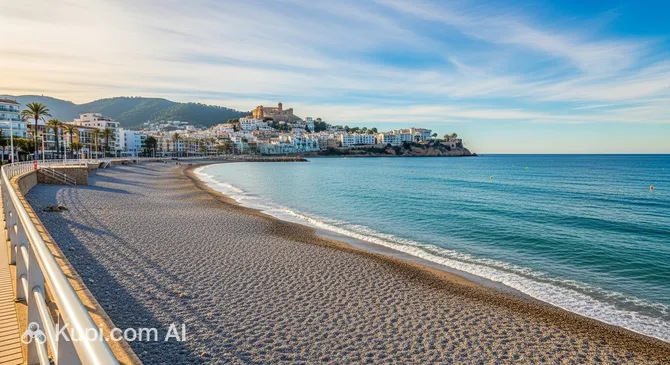
For beach lovers, Altea offers several wonderful options. For example, La Roda Beach (Playa de la Roda) is a long pebble beach located near the city center. It is well-equipped, with many cafes and restaurants, as well as a promenade perfect for leisurely walks. The beach attracts visitors with its cleanliness and calm atmosphere, suitable for family vacations.

La Roda Beach. Illustration.
Source: Kupi.com AI

Traveler photos:

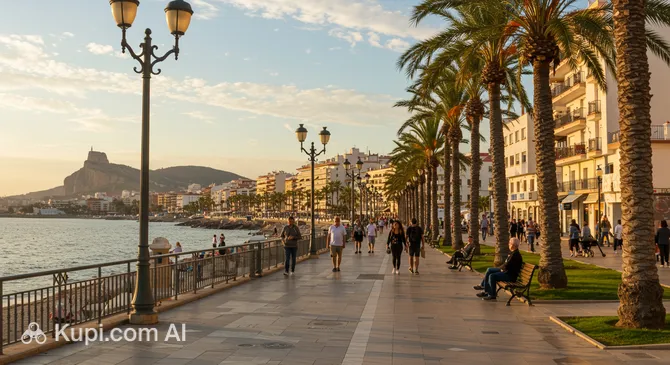
Take a stroll along the Paseo de las Estrellas (Walk of Stars), the promenade that is a popular spot for evening walks. It is not just a promenade, but a place where you can enjoy the sea breeze, views of the marina, and choose one of the many restaurants to taste local delicacies. The name "Walk of Stars" hints at the atmosphere of this place, which is particularly beautiful at sunset.

Nature lovers should pay attention to the Mouth of the Algar River (Desembocadura Rio Algar). This is a picturesque spot where the river flows into the Mediterranean Sea, creating a unique ecosystem. Here you can observe birds, walk along nature trails, and enjoy the silence away from the city bustle. It is a wonderful place for those seeking solitude and contact with nature.

Local Cuisine

The gastronomy of Altea is a true reflection of its Mediterranean spirit and proximity to the sea. The cuisine here is famous for the freshest seafood: squid, mussels, shrimp, and a variety of fish delivered daily from the local fish market form the basis of many dishes. The hallmark of local culinary arts is undoubtedly "arroz a banda"—rice with seafood, prepared according to a special recipe of coastal fishermen. This dish, saturated with the aromas of the sea, is a must-try for every guest of the town.

In addition to "arroz a banda," other culinary delights are popular in Altea. A special place is held by dishes made from vegetables grown on nearby farms and homemade cheeses. Be sure to appreciate the delicate garlic sauce "aioli", which perfectly complements fresh bread or seafood. And, of course, one cannot overlook tapas—various small snacks that represent an entire cultural layer of Spanish gastronomy. These can be as simple as olives or pieces of cheese, or more complex mini-dishes of meat, fish, or vegetables.

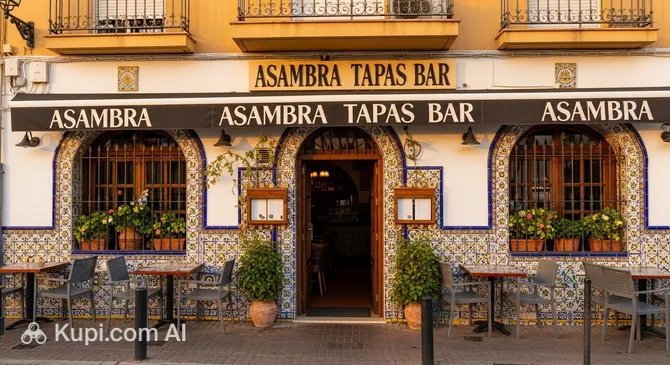
Asambra Tapas Bar. Illustration.
Source: Kupi.com AI

Traveler photos:

Traditional Spanish drinks accompany the meal. Local wines, especially white and rosé, pair perfectly with seafood. On a hot day, a glass of chilled sangria will be refreshing. Beer lovers can stop by the Althaia Brewery to try local varieties. Among non-alcoholic drinks, freshly squeezed juices, especially orange, and horchata—a sweet drink made from tiger nuts—are popular.

The dining culture in Altea is diverse. Locals and tourists love to dine in numerous restaurants offering both traditional cuisine and modern gastronomic solutions. To dive into the atmosphere of real Spanish life, it's worth visiting one of the tapas bars, such as Asabra Bar de Tapas, where you can have a snack and socialize. On Fridays, a large farmer's market unfolds in the town, where you can buy fresh produce, local delicacies, fruits, nuts, honey, and homemade pastries. Altea is also known for its gastronomic festivals, which are often held in summer and autumn, offering a unique opportunity to taste dishes made according to old recipes and learn the secrets of local chefs.

Travel Tips

Welcome to charming Altea! To make your journey to this picturesque corner of Spain as comfortable and memorable as possible, we have prepared some practical tips. They will help you better navigate the area and enjoy every moment of your stay.

  1. Clothing and Essentials:

    The climate in Altea is Mediterranean, with hot summers and mild winters. In summer, bring light, breathable clothing made of natural fabrics, a hat, sunglasses, and sunscreen. In spring and autumn, a light jacket or sweater will be useful for evening walks. In winter, mid-season clothing is sufficient. A key element of your wardrobe is comfortable shoes, as Altea's old town with its cobbled streets is perfect for long walks. Don't forget an adapter for electrical appliances (Type F sockets are used in Spain). When visiting churches, such as the famous Nuestra Señora del Consuelo with its blue domes, it is customary to follow a dress code: shoulders and knees should be covered.

  2. Transport in the City:

    Altea is a city that is pleasant to explore on foot, especially its historical center and promenade. For traveling longer distances or to neighboring towns, you can use local buses—they run regularly. Taxis are also available and can be found at stands or called by phone. Renting a car can be convenient if you plan to travel actively around the Costa Blanca region; however, keep in mind that parking in the old town can be difficult, especially during high season.

  3. Finances:

    The official currency in Spain is the Euro (€). You can exchange currency at banks or exchange offices, but bank rates are usually more favorable. Credit and debit cards (Visa, Mastercard) are widely accepted in most hotels, restaurants, and shops. ATMs (cajeros automáticos) are easy to find throughout the city. It is recommended to have a small amount of cash for minor purchases, for example, at the market or in small cafes. Tipping in Spain is not strictly mandatory but is always welcomed for good service; usually, it is 5-10% of the bill or simply rounding up.

  4. Health and Safety:

    Altea is considered a very safe city. However, standard precautions won't hurt: watch your belongings in crowded places and on the beach. Pharmacies (farmacias) are easy to recognize by the green cross; usually, one pharmacy in the area is always on duty and open 24 hours (farmacia de guardia). If medical assistance is needed for tourists, you can contact a local health center (centro de salud) or, with insurance, private clinics. The emergency number is 112.

  5. Communication:

    The main language is Spanish (Castilian), and Valencian is also spoken. In tourist areas, hotels, and many restaurants, the staff speaks English. Nevertheless, knowing a few basic phrases in Spanish (e.g., "Hola" – hello, "Gracias" – thank you, "Por favor" – please, "¿Cuánto cuesta?" – how much does it cost?) will be very helpful and will be appreciated by the locals. You can buy a local SIM card at mobile phone shops. Free Wi-Fi is available in many hotels, cafes, and some public places.

  6. Local Etiquette:

    Spaniards are an open and friendly people. It is customary to say hello when entering small shops or cafes ("Hola" or "Buenos días/tardes"). Using the informal "tú" (you) is common, but it is better to use "Usted" (formal you) with elderly people or in formal settings. Loud talking or noisy behavior in public places, especially during the siesta (roughly from 2:00 PM to 5:00 PM), is not encouraged, although this rule is followed less strictly in tourist centers.

  7. What to Avoid:

    Try not to criticize local traditions or customs, even if they seem unusual to you. Also, avoid taking photos of people without their permission, especially when it concerns private life. In restaurants, don't rush the waiters; eating in Spain is a leisurely process intended for enjoyment.

  8. A Special Feature of Altea:

    Altea is famous for its bohemian atmosphere and is home to many artists. Be sure to walk through the narrow streets of the old town, peeking into the numerous art galleries and craft shops. Every week on Tuesday, there is a large market in the city where you can find fresh products, souvenirs, and works by local craftsmen—it is a great opportunity to immerse yourself in local life.

We hope these tips make your stay in Altea even more pleasant and carefree. Enjoy the beauty of this unique city, its creative atmosphere, and its hospitality!

Entertainment & Nightlife

When the sun sets over the Mediterranean, Altea transforms, offering its guests a cozy yet lively nightlife. This charming town on the Costa Blanca is famous not only for its white houses and pebble beaches but also for its pleasant atmosphere for evening relaxation. There are no deafening mega-clubs here like in neighboring large cities, but it has its own charm and a variety of establishments for every taste.

The main nightlife in Altea is concentrated along the promenade (Paseo Marítimo) and in the streets of the old town (Casco Antiguo). On the promenade, you will find many restaurants that turn into lively bars with music and cocktails in the evening. The old town, with its cobbled streets and the square by the Church of Our Lady of Consolation, offers a more bohemian and relaxed atmosphere with small tapas bars, wine cellars, and artisanal cocktail bars. The crowd here is a mix of locals and tourists enjoying a peaceful Spanish evening. The dress code in most places is casual, but for some more stylish bars and clubs, smart casual would be appropriate.

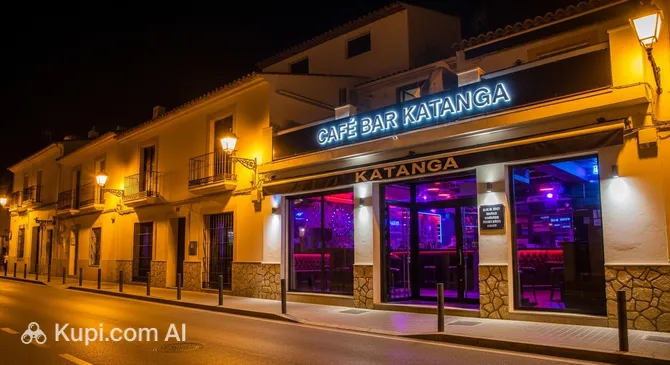
Café Bar Katanga. Illustration.
Source: Kupi.com AI

Traveler photos:

Among the popular spots for evening entertainment is Asabra Bar de Tapas, where you can enjoy traditional Spanish snacks with a modern twist and have a glass or two of local wine. For those looking for a more club-like atmosphere, it's worth checking out Zero Zero or Katanga Coffee Bar, offering music and dancing until late at night. Craft beer lovers can stop by the Althaia Brewery. Bars usually start coming to life after 9:00 PM - 10:00 PM, while clubs open closer to midnight and operate until 3:00 AM - 4:00 AM, or even later during the peak season.

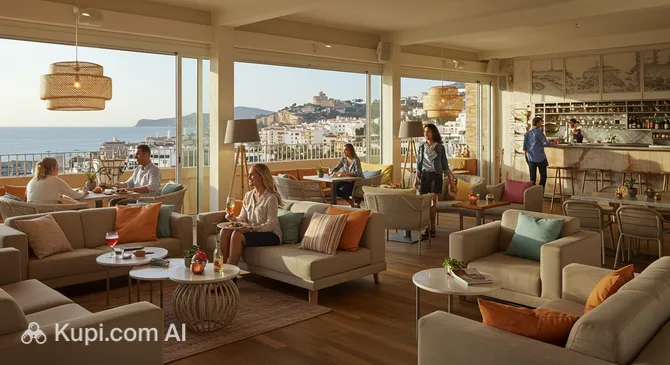
Zero Zero. Illustration.
Source: Kupi.com AI

Traveler photos:

Practical tips: the best time to start the evening is after dinner, around 10:00 PM. Average drink prices in Altea's bars are quite moderate. At night, it is most convenient to get around town on foot if you are staying near the center, or by taxi. You can call a taxi by phone or find one at designated taxi stands. Altea is considered a fairly safe city, but as everywhere, you should take basic precautions, especially at night.

During the day, Altea also offers plenty of entertainment. You can explore the picturesque old town, visit the Church of Our Lady of Consolation with its famous blue and white dome, or relax on one of the beaches, such as Espigó Beach or La Roda Beach. The town has small art galleries and craft shops. While there are no large theaters or amusement parks here, the cultural life is rich with local festivals and events, especially during the summer period.

Parks & Museums

Altea, a charming town on the Costa Blanca, offers its guests not only magnificent beaches but also a rich cultural heritage reflected in its architecture and old town atmosphere. Here you can enjoy both natural beauty and immerse yourself in the world of art and history.

For nature and beach lovers, Altea is a true paradise. One of the most popular is La Roda Beach, known for its wide pebble strip and clear water, ideal for family vacations and water sports. Next to it is Espigó Beach, which is newer and quieter, offering beautiful views of the Mediterranean Sea. If you are looking for seclusion with nature, head to the Mouth of the Algar River. This place attracts with its picturesque delta, where you can watch birds and enjoy the silence away from the city hustle.

La Roda Beach. Illustration.
Source: Kupi.com AI

Traveler photos:

Mouth of the Algar River. Illustration.
Source: Kupi.com AI

Traveler photos:

While Altea is better known for its artistic atmosphere and numerous small galleries than for major museums, its cultural heart beats in the Old Town. The crown of the historical center is the famous Church of Our Lady of Consolation (Nuestra Señora del Consuelo) with its recognizable blue and white domes. This church is not only an important religious site but also the symbol of the city, offering stunning panoramic views. Walking through the narrow cobbled streets of the Old Town is a cultural experience in itself, with art studios and craft shops at every turn.

Church of Our Lady of Consolation. Illustration.
Source: Kupi.com AI

Traveler photos:

For pleasant walks along the sea, the Paseo de las Estrellas promenade is ideal, where you can enjoy the sea breeze and coastal views. While there are no large traditional museums in Altea, its artistic soul is manifested in the many private galleries and workshops that can be discovered while exploring the town.

Paseo de las Estrellas. Illustration.
Source: Kupi.com AI

Traveler photos:

Don't miss the chance to peek into the small art galleries and craft shops in the Old Town—that's where you can find unique souvenirs and get acquainted with the works of local masters. It's also worth strolling through the lesser-known beach coves, such as Solsida Beach, for a more secluded getaway.

Getting Around

Altea, a charming town on the coast, offers several convenient ways to get around both within the town and for trips to neighboring settlements. Although Altea is a small town, its transport system allows tourists to easily explore its beauty and surroundings.

The main form of public transport in Altea is buses. Local bus routes connect different areas of the city, including the beach area, the old town, and residential quarters. There are also intercity buses that can take you to nearby towns such as Calpe or Benidorm. Tickets for local buses are usually purchased directly from the driver upon boarding. Fares are generally low, but it is recommended to have small change for payment.

A significant role in Altea's transport connection is played by the L9 line of the TRAM Metropolitano de Alicante tram-train. This scenic line runs along the coast, connecting Altea with cities such as Denia in the north and Benidorm in the south, from where you can transfer to reach Alicante. The TRAM station in Altea is conveniently located, and it is a great way for day trips. TRAM tickets can be purchased from machines at the stations or, in some cases, at ticket offices. There are various types of tickets, including single trips and multi-trip passes (e.g., Bono 10), which can be more economical with frequent use.

When planning your trips, keep in mind that bus and TRAM schedules can change depending on the season and day of the week, becoming less frequent in the evenings and on weekends. Information on TRAM schedules and routes is best checked on the official carrier's website or on information boards at the stations. TRAM tickets must be validated before boarding or immediately after if purchased on board at stops without machines. For buses, validation occurs when purchasing the ticket from the driver.

In addition to public transport, other modes of transportation are available in Altea. Taxis can be found at designated stands or called by phone; this is a more expensive but comfortable option, especially for trips with luggage or at night. For those who wish to explore the Costa Blanca region more freely and at their own pace, renting a car is an excellent choice. Bicycle rentals can also be found in the city, which is particularly pleasant for leisurely rides along the promenade and through less hilly parts of the town. Don't forget that the historical center of Altea, with its charming narrow streets and steep climbs, is best explored on foot, enjoying the atmosphere and views.

Accommodation

When planning a trip to Altea, you will discover a variety of accommodation options to suit different preferences and budgets. The town offers a wide range of housing: from cozy guest houses and apartments, ideal for independent travelers and families, to more luxurious villas and boutique hotels offering a high level of comfort and exclusive services.

For those who want to immerse themselves in the atmosphere of the old town, consider staying in the Casco Antiguo district. Here you can find charming small hotels and apartments located among narrow cobbled streets, close to iconic spots like the Church of Our Lady of Consolation. If you prefer proximity to the sea, look for accommodation along the promenade and near the beaches, such as La Roda Beach or Espigó Beach. These areas offer both sea-view apartments and hotels of various categories.

The price range for accommodation in Altea varies: you can find budget options as well as mid-range and high-end offers. To search for and book accommodation, it is convenient to use popular online platforms, aggregator sites, or contact the chosen hotel or apartment owners directly. It is recommended to book your stay in advance, especially if your trip coincides with the peak tourist season (summer months and holiday periods), to ensure the best choice and prices.

Nearby Cities

For those who want to explore the surroundings, Altea serves as an excellent starting point for day trips to several interesting nearby locations:

For instance, just 10 km away is the lively Benidorm, known for its skyscrapers, the beautiful beaches of Levante and Poniente, and its vibrant nightlife. A bit further, about 48 km away, lies Alicante—a large port city with a rich history. Here you can climb up to the Santa Bárbara Castle for breathtaking views, stroll along the picturesque Explanada de España, or explore the charming old town (Barrio de la Santa Cruz).

CityPopulationDistance
La Nucia18 6247 km
Calpe24 0969 km
Benidorm69 73810 km
Benissa11 87115 km
Villajoyosa34 82819 km

These nearby destinations provide a glimpse into the diverse culture and landscapes of Spain. Each of these cities offers its own unique attractions, from bustling promenades and historic centers to scenic natural landscapes.

Shopping & Souvenirs

Shopping in Altea is more of a leisurely stroll through charming streets in search of unique items than a race through large shopping centers. The town is famous for its numerous art galleries, craft workshops, and small boutiques, where you can find original souvenirs, designer ceramics, handmade jewelry, and works of art. The atmosphere here encourages contemplative selection and interaction with the artisans.

Main shopping spots are concentrated in the Old Town (Casco Antiguo). Wandering through its cobbled streets, you will find many shops featuring works by local artists and craftsmen. It is also worth taking a walk along the promenade, such as Paseo de las Estrellas, where you can find souvenir shops and small boutiques with beach goods and clothing. This is a wonderful place to combine a pleasant walk with shopping.

In Altea itself, there are no large shopping malls characteristic of big cities. For that type of shopping, it's better to head to neighboring, larger cities such as Benidorm or Alicante. Altea, however, offers a more intimate and authentic shopping experience.

Be sure to visit the weekly market, which takes place in Altea on Tuesdays. It is a great place to buy fresh local produce, fruits, vegetables, cheeses, olives, as well as clothing, shoes, leather goods, and various souvenirs at attractive prices. The market is usually located in the newer part of town and attracts both locals and tourists.

As souvenirs from Altea, it is worth bringing back handmade ceramic items, paintings by local artists, original jewelry, leather goods, or textiles with local flair. Gastronomic souvenirs are also popular: local olive oil, wine, turrón (Spanish nougat), or jams made from local fruits.

Shops in Altea usually open in the morning (around 10:00 AM) until lunch (around 2:00 PM), followed by the traditional Spanish siesta, after which they reopen from about 5:00 PM and work until 8:00 PM - 9:00 PM. During the tourist season, some shops may work without a long break or stay open later in the evening. Most places accept both cash and credit cards.

Tourists from non-European Union countries can take advantage of the Tax Free system when making purchases over a certain amount in participating stores. To do this, you must ask the seller for a special Tax Free check and present it along with your purchases at customs when leaving the EU to receive a VAT refund.

Reached the end of the page?

That means the route is fully explored