Support

Mostoles

About

Móstoles is a dynamic and welcoming city located in the heart of Spain, just 18 kilometers southwest of Madrid. As the second most populous municipality in the metropolitan region, it harmoniously combines the energy of a major urban center with the cozy feel of a traditional suburb. Home to approximately 210,000 people, the city serves as an important economic and educational hub for the Community of Madrid.

Geographically, the city stretches across a flat plain, offering residents and visitors comfortable conditions for living and walking. The eventful history of Móstoles has seen it evolve from a small settlement into a modern metropolis, growing rapidly during the second half of the 20th century. Today, the city is known not only as a "bedroom community" for the capital but also as a place with its own character, where traditions are honored and science is actively developed thanks to the Rey Juan Carlos University.
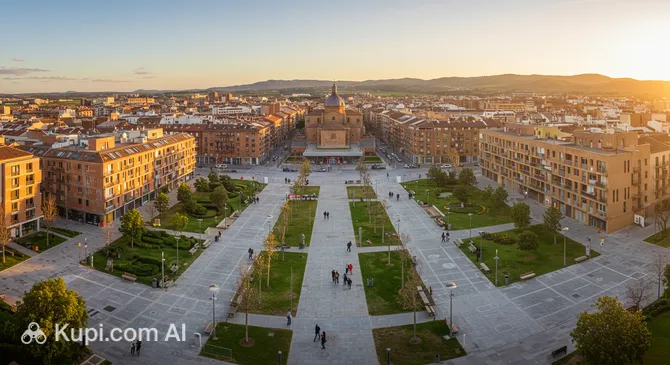
Móstoles. Illustration.
Source: Kupi.com AI

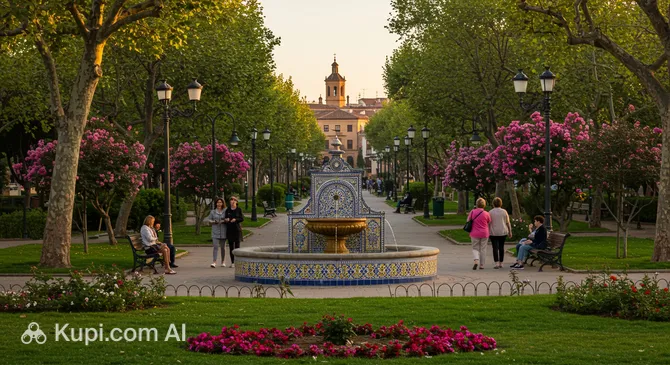
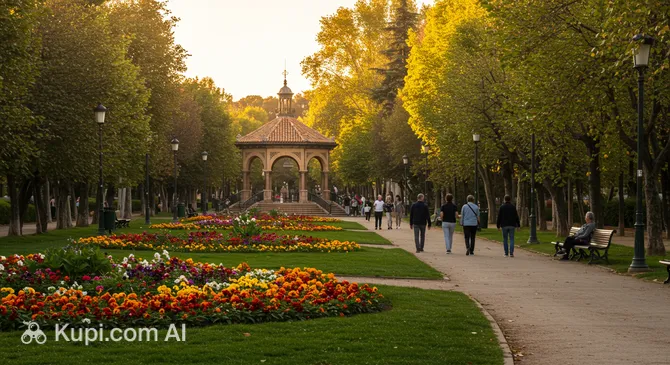
For tourists, the city is attractive for its green parks, modern cultural spaces, and the authentic atmosphere of everyday Spanish life. Here, you can enjoy walks through pedestrian zones or visit a unique contemporary art center. We invite you to discover this distinctive corner of the region, which serves as an excellent starting point for exploring central Spain.
Weather Overview

The climate in Móstoles is typical of the central part of the Iberian Peninsula and is characterized as moderate continental with a noticeable Mediterranean influence. This means that visitors can expect hot, dry summers and mild, though sometimes cool, winters. The heat peaks in July and August, when daytime temperatures often rise to +33...+34°C, and city streets accumulate heat, creating a "heat island" effect.

Winter months, such as January and February, offer moderate daytime temperatures ranging from +5°C to +13°C, though nighttime drops to +1...+2°C are possible. Precipitation is unevenly distributed throughout the year: the rainiest periods are spring (March and April) and autumn (October and November). Before your trip, it is always useful to check the current weather in Móstoles to choose your wardrobe correctly.

Spring and early autumn are perhaps the most rewarding times to visit. May and September offer an ideal balance: temperatures hover around a comfortable +20...+25°C, perfect for long walks through the city's numerous parks. Keep in mind that due to its proximity to the capital, air quality may decrease slightly on windless days, but the abundance of greenery in residential neighborhoods helps maintain a pleasant atmosphere.

Average monthly temperature

Average monthly precipitation

Interesting Facts

  • A First Challenge to Napoleon: Móstoles went down in history as the first Spanish city to officially declare war on Napoleon Bonaparte in 1808 following the Dos de Mayo Uprising.

  • Demographic Explosion: In just a few decades of the 20th century, the city transformed from a small village with 4,000 residents into a major metropolis with over 209,000 inhabitants today.

  • Center for Contemporary Art: The city is home to the famous CA2M Museum, which houses one of the most significant contemporary art collections in the entire Community of Madrid.

  • Municipal Scale: The city covers an area of over 45 square kilometers and officially holds the status of a second-rank municipality, second in importance in the region only to the capital.

  • University Status: Thanks to the Rey Juan Carlos University campus, the city is considered one of the primary youth and research centers in central Spain.

How to Get There

The city's transport accessibility is one of its main advantages, as it is integrated into the extensive communication network of the metropolitan region. Most travelers arrive from Madrid using the well-developed public transport system or high-speed highways.

The nearest major air hub is Madrid-Barajas International Airport (MAD). It is located approximately 40–50 km away, and you can reach the city from there by taxi, rental car, or metro with a transfer to a commuter train. The trip by public transport takes about 1–1.5 hours, depending on the chosen route and time of day.

AirportPassenger trafficDistance
Adolfo Suárez Madrid-Barajas Airport61.8 mln31 km
Torrejón Airport21 00041 km
Matacan Airport21 100155 km
Valladolid Airport212 000174 km
Teruel Airport225 km

Railway communication is provided by the C-5 line of the Cercanías commuter trains. The main station is Móstoles Central, which provides a fast connection to Atocha Station in central Madrid. This is the most reliable and fastest way to travel, helping to avoid traffic jams during peak hours. Detailed information on how to get to specific locations can always be found on official transport portals.

StationPassenger trafficDistance
Atocha Railway Station108 mln18 km
Chamartín Station36 mln23 km
Toledo Railway Station1.9 mln53 km
Segovia Guiomar Railway Station1.1 mln68 km
Guadalajara Railway Station70 km

For those traveling by car, the main artery is the A-5 (Extremadura Highway), connecting the city with the capital. A trip without traffic takes only 20–30 minutes, though heavy traffic during morning and evening rush hours should be taken into account. Additionally, EMT intercity buses (lines 522 and 523) run regularly between Madrid and Móstoles.

Main Attractions

Even though the city is primarily residential, it boasts several interesting locations well worth a visit. A great place to start your journey is the Móstoles City Museum. This cultural space provides a deeper understanding of the settlement's transformation and showcases archaeological finds that tell the story of its ancient roots.

For those who prefer outdoor recreation, Finca Liana Park is the perfect spot. It is one of the city's largest green zones, featuring picturesque alleys, picnic areas, and playgrounds for active recreation. The park is a favorite meeting place for locals and a venue for city festivals.

Finca Liana Park. Illustration.
Source: Kupi.com AI

Traveler photos:

Another natural gem is El Soto Park in Móstoles. This vast area with a natural landscape offers a sense of privacy and tranquility away from the urban noise. It features convenient paths for walking and jogging, making it a must-visit for eco-tourism enthusiasts.

Soto Park of Móstoles. Illustration.
Source: Kupi.com AI

Traveler photos:

Don't forget to stop by the CA2M Contemporary Art Center (Centro de Arte Dos de Mayo). This modern building houses an impressive collection of avant-garde works, marking Móstoles as an important point on the region's cultural map.

Local Cuisine

The city's gastronomy is inextricably linked to the rich traditions of central Spain. Here you can enjoy classic Castilian dishes characterized by heartiness and simplicity. Be sure to try the legendary cocido madrileño—a thick stew of chickpeas, meat, and vegetables that will warm you up on a cool day. Local establishments also always serve the freshest jamón and a variety of tapas, which have become symbols of the Spanish lifestyle.

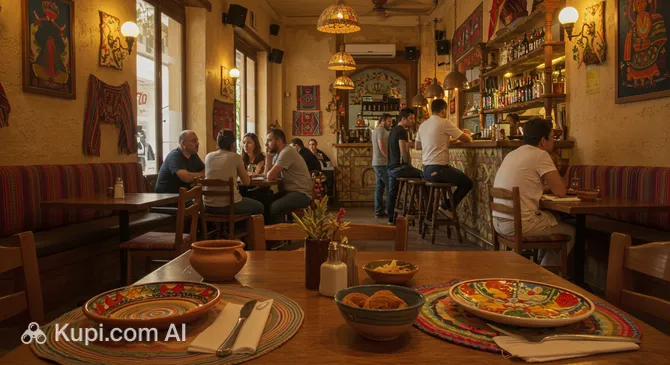
If you want to explore culinary diversity, stop by La Cúspide Móstoles Peruvian Restaurant. This establishment offers an interesting blend of local products with exotic South American flavors, which is very popular among students and gourmets. For a more traditional lunch in a cozy setting, Parque Miraflores Restaurant is an excellent choice, known for its attentive service and classic menu.

La Cúspide Móstoles Peruvian Restaurant. Illustration.
Source: Kupi.com AI

Traveler photos:

Dining culture here is based on socializing: locals love spending time in small bars, ordering the "menu of the day" (menú del día). For a reasonable fee of 10–15 euros, you get a full lunch consisting of two courses, a dessert, and a drink. Favorite drinks remain the local Mahou beer, refreshing sangria, and, of course, magnificent red wines from the Rioja region or the neighboring Ribera del Duero.

To finish your meal, try traditional sweets such as churros with hot chocolate, which are served in many cafes in the central squares of Móstoles. The city's gastro scene is about honest, home-cooked food focused on quality and tradition rather than pretension, making every restaurant visit truly heartfelt.

Travel Tips

Planning a trip to Móstoles will be easier and more enjoyable if you take advantage of tips from those already familiar with the region's features. These practical recommendations will help you avoid minor inconveniences and focus on gaining vivid impressions.

  1. Clothing and Seasonality: Summers in central Spain can be very hot (up to +35°C), so be sure to bring light clothing made from natural fabrics, sunglasses, and sunscreen. In winter, a transitional jacket is sufficient, as temperatures rarely drop below freezing. For walking in parks, comfortable shoes are essential.
  2. Transport Expenses: To save money, buy a pass for the metro and bus. If you plan to travel to Madrid frequently, choose a 10-trip pass—it is significantly cheaper than single tickets.
  3. Financial Matters: The local currency is the Euro. Cards are accepted everywhere, from supermarkets to small cafes, but having some cash for markets or tipping in bars (around 5-10%) is a good idea.
  4. Safety: The city is generally safe, but in the evenings near metro stations and in industrial zones on the outskirts, you should exercise normal vigilance. Keep valuables in the inner pockets of your bags.
  5. Language Barrier: The primary language is Spanish. In the university and large hotels, people speak English, but in local shops, knowing a few phrases like "¡Hola!" (Hello) and "La cuenta, por favor" (The bill, please) will be very helpful.
  6. Local Etiquette: Spaniards are friendly and expressive. Greeting when entering a shop or cafe is standard. Remember the siesta: many small shops may close from 2:00 PM to 5:00 PM.
  7. What to Avoid: Don't try to plan important errands or car trips during rush hour towards Madrid—you risk spending a lot of time in traffic jams on the A-5 highway.
  8. Additional Tip: Be sure to visit the CA2M museum on a weekday morning when there are fewer visitors—this will allow you to fully enjoy contemporary art in silence.

We hope these tips help you feel at home in Móstoles. We wish you a pleasant journey and only positive emotions from discovering this wonderful city!

Entertainment & Nightlife

Entertainment in the city is primarily local in character, yet it possesses a special charm. Most evening activity is concentrated around Avenida de Portugal, where many cozy bars and pubs are located. This is where Rey Juan Carlos University students and locals gather to enjoy a glass of cold beer or wine before the weekend.

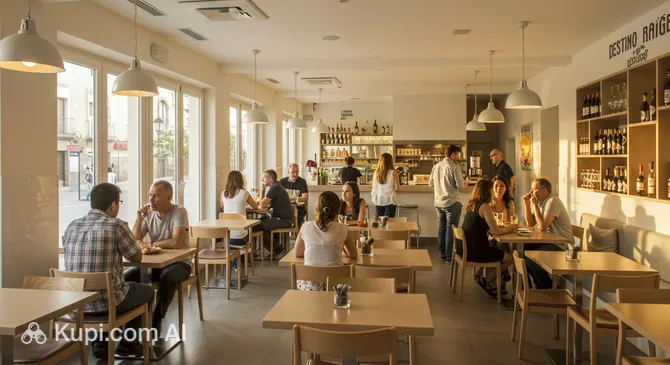
If you're looking for a place with a pleasant atmosphere for an evening out, consider Destino Raíz Restaurant-Cafe. This establishment is known for its hospitality and excellent selection of drinks, perfect for a peaceful end to the day. Craft beer lovers should visit La Maltería HFL Tap Room, where you can sample unique local variations of the brew.

Destino Raíz Restaurant Café. Illustration.
Source: Kupi.com AI

Traveler photos:

For those who prefer a more energetic pace, the Gotham nightclub operates in the city. It is a popular dance venue often featuring DJs, with music playing until dawn. Despite having its own venues, many residents often travel to nearby Madrid to visit Europe's largest clubs, returning to quiet Móstoles on night buses.

During the day, entertainment shifts towards major shopping centers and city parks. Cinemas and game zones in shopping malls are very popular with families. Overall, the city offers a safe and friendly environment for walks at any time of day, and taxis can be easily called through mobile apps to any point in the municipality.

Parks & Museums

For a city of its size, Móstoles offers surprisingly pleasant opportunities for outdoor recreation. A true favorite among residents is Parque Natural El Soto. This is a spacious natural park with a lake, shaded paths, and specially equipped relaxation areas. It is ideal for those who want to trade city bustle for birdsong and rustling leaves. Another wonderful place is Finca Liana Park, where well-maintained gardens and wide alleys create excellent conditions for family walks.

Soto Park of Móstoles. Illustration.
Source: Kupi.com AI

Traveler photos:

The cultural life of the city is represented by unique institutions. The main pride is the CA2M Museum (Centro de Arte Dos de Mayo). This is a cutting-edge contemporary art center that hosts bold temporary exhibitions, educational workshops, and concerts. The museum attracts artists and avant-garde enthusiasts from all over the country, offering a fresh perspective on contemporary social and cultural processes.

If you are interested in learning more about the city's origins, be sure to visit the Móstoles City Museum. It is located in a historic building and houses a collection of items telling the story of the life, traditions, and key events of local history. The combination of such diverse sites—from quiet natural zones to avant-garde galleries—makes the city's cultural profile multifaceted and interesting for any traveler.

Getting Around

The public transport system here is developed to a very high level, typical for Madrid's suburbs. The main link is the M-12 (Metrosur) metro, which circles the southern municipalities. Within the city itself, there are several stations, including "Móstoles Central" and "Universitario," allowing for quick and convenient travel between districts.

In addition to the metro, the city has an excellent network of local and intercity buses. They run at short intervals of 5–15 minutes, providing access even to the most remote neighborhoods. For payment, it is most convenient to use the Madrid region's unified transport card (Tarjeta Transporte Público), which can be topped up at station machines. This is significantly more economical than buying single tickets from the driver.

If you plan to travel by taxi, Uber and Cabify services operate reliably here, providing quick car arrivals. For fans of an active lifestyle, bike lanes are gradually being developed, although the center remains quite densely built up. Walking is also an excellent option for exploring the central part, as the main administrative and commercial facilities are compactly located.

It is important to remember that during morning (7:00 to 9:00) and evening (18:00 to 20:00) rush hours, public transport can be crowded due to the flow of people commuting to the capital. At other times, travel is as comfortable as possible. Tickets must be validated upon entry, and metro operating hours are usually from 6:00 AM to 1:30 AM.

Accommodation

Accommodation in the city is primarily geared towards business travelers, students, and those seeking a more affordable alternative to expensive housing in central Madrid. While you won't find luxury five-star palaces here, there is a good selection of mid-range hotels (2–3 stars) and apartments for short-term rent.

The most convenient areas to stay are the City Center and the area around the University. Proximity to M-12 metro line stations and commuter train stops makes these locations ideal for those planning frequent trips to the capital. Price ranges for standard rooms typically vary between €50–€80 per night, which is significantly cheaper than in Madrid's central districts.

Apartment rental services like Airbnb are popular in the city, offering cozy accommodation in residential areas with developed infrastructure. This is an excellent option for those who want to feel like a local and have access to neighborhood markets and small local bakeries.

When planning your trip, it is recommended to book accommodation in advance, especially if your visit coincides with the start of the academic year or major cultural events in the region. Most accommodation options are available through international booking systems, and card payments are accepted almost everywhere.

Nearby Cities

The city is an excellent starting point for exploring central Spain, as it is surrounded by interesting historical and modern centers. Thanks to superb transport links, visitors can easily plan day trips to discover new facets of the region.

Very close by is the city of Alcorcón, known for its large shopping complexes and modern parks. It is a great destination for shopping and strolls. You should also visit Villaviciosa de Odón—a cozy town with a rich history and beautiful architecture. If you are looking for a peaceful getaway and picturesque views, head to Arroyomolinos, where the natural landscapes are perfect for leisurely walks.

CityPopulationDistance
Alcorcón170 8174 km
Villaviciosa de Odón28 1526 km
Arroyomolinos34 8337 km
Fuenlabrada192 2337 km
Humanes de Madrid19 8388 km

Of course, one cannot forget the legendary Madrid, which can be reached in just half an hour. And for lovers of deep antiquity, a trip to Toledo (about 50 km away) is an excellent option, where every stone is steeped in the history of three cultures. Exploring the surroundings of Móstoles will give you plenty of vivid impressions and allow you to see Spain in all its diversity.

Shopping & Souvenirs

Shopping in the city is represented by both large modern complexes and traditional shopping streets. The main commercial artery is the pedestrian zone on Avenida de Portugal. Here, you'll find numerous boutiques, well-known clothing stores, and small shops selling everything from everyday essentials to original accessories.

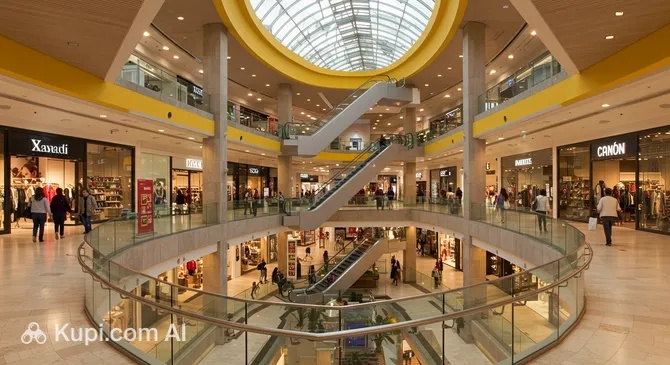
For those who prefer to do all their shopping in one place, the Móstoles Shopping Center is ideal. It brings together popular international brands like Zara and H&M, as well as relaxation areas, food courts, and cinemas. It is a convenient space for comfortable shopping in any weather.

Móstoles Mall. Illustration.
Source: Kupi.com AI

Traveler photos:

You can experience a special atmosphere by visiting the Cuatro Caminos Market. This is a great place to buy fresh produce: local cheeses, olives, fruits, and delicacies. A visit to the market is also an opportunity to get to know the local flavor and the culture of everyday communication among residents.

Cuatro Caminos Market. Illustration.
Source: Kupi.com AI

Traveler photos:

Common souvenirs from the city include high-quality olive oil, traditional Spanish fans (abanicos), or local wines. Most shops are open from 10:00 to 21:00-22:00, although smaller shops may close for siesta. Cards are accepted almost everywhere, and a Tax-Free refund system is available for non-EU tourists at major retail outlets.

Nearby cities

Reached the end of the page?

That means the route is fully explored