Support

Real Santuario de Nuestra Señora de las Nieves

About

The majestic Royal Sanctuary of Our Lady of the Snows towers over the picturesque landscapes of La Palma—a vital spiritual center rightfully considered the "heart" of the region. Located in the municipality of Santa Cruz de la Palma, this unique architectural ensemble attracts pilgrims and tourists with its rich history and special royal status, granted back in the 17th century.
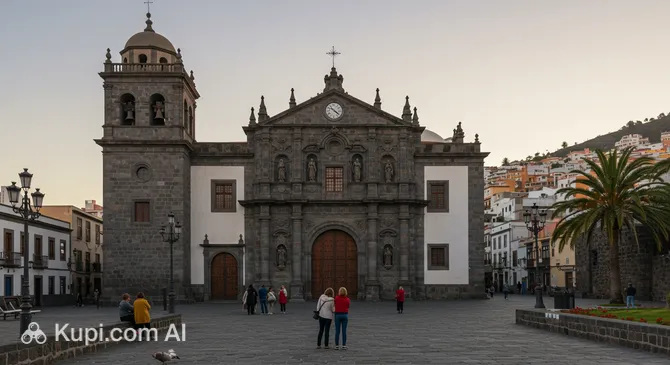
Royal Sanctuary of Our Lady of the Snows
Royal Sanctuary of Our Lady of the Snows. Иллюстрация. Источник: Kupi.com AI

The sanctuary, representing Spain in all its cultural diversity, is home to a priceless treasure—a 14th-century terracotta statue of the Virgin Mary de las Nieves. The temple harmoniously combines features of traditional 16th-century Canarian architecture with magnificent Baroque decoration. Surrounded by historic buildings such as the Pilgrims' House, the sanctuary forms a unique open-air historical and artistic complex.

This site is not just a religious landmark but a living symbol of the island's identity. For its contribution to the cultural and aesthetic life of the island, the sanctuary was awarded the Gold Medal of La Palma. Visiting this serene spot allows you to touch centuries-old traditions and enjoy tranquility away from the city bustle.

Contacts

For details regarding your visit or service times, you can use the official contact information of the sanctuary.

How to contactContact
AddressCarretera las Nieves, 17, 38700 Santa Cruz de la Palma, Santa Cruz de Tenerife, Spain
Phone+34 922 41 63 37
Websiteobispadodetenerife.es

What to Do

Inside the sanctuary, a world of high art and deep faith opens up to visitors. The main focus of attention is the Gothic terracotta statue of the Virgin Mary, whose delicate features have been preserved since the 14th century. Be sure to examine the 1707 Baroque altar and the unique silver throne, consisting of 42 intricately crafted pieces. Flemish sculptures and ancient paintings adorn the walls, turning the visit into a true journey through art history.

History buffs will find it interesting to study the archival documents and votive offerings (ex-votos), which testify to centuries of veneration at this site. If you are lucky enough to be here during the Lustral Bajada, you will witness a grand celebration as the island's patroness is carried through the city in a solemn procession. This event fills the air with a special sense of triumph and energy.

In addition to touring the temple itself, it is worth taking time for a walk in the surrounding area. The Morro de las Nieves viewpoint offers breathtaking panoramic views of the island and the ocean. The calm atmosphere of this place is perfect for reflection, while the authentic architecture of the Pilgrims' House and adjacent estates provides opportunities for magnificent photos in the style of old Spain.

Getting There

Reaching the sanctuary, located in the upper part of the city at Carretera las Nieves, 17, can be done in several ways. From the capital's center, which is about 7 kilometers away, Guagua buses (lines 10 or 300) run regularly and will drop you off almost at the entrance. If you prefer more comfort, a taxi ride from La Palma Airport or the city port will take about 20 minutes and cost approximately 15–20 euros.

For those traveling by rental car, the route follows the scenic LP-1 or LP-3 roads through the mountain ranges. Parking is available near the temple complex. Driving allows you to enjoy breathtaking views of the Canarian nature and lava fields on your way to the destination.

For the more adventurous travelers and hiking enthusiasts, we recommend walking up to the sanctuary via the marked PR LP 7 trail. The ascent from the city center takes about 1.5 hours. It is an excellent opportunity to combine a pilgrimage with active recreation, breathing in the scent of pine forests and admiring the island's panoramas.

Ближайший город: Santa Cruz de la Palma

History & Facts

The history of this site is rooted in antiquity, predating the Spanish conquest. The island's indigenous inhabitants, the Benahoarites, revered the image of the Virgin on the hill of Morro de las Nieves. The first official written mention of the temple dates back to 1507, and by 1517, the first small church stood here, which was later significantly expanded.

The current sanctuary building appeared in 1646, replacing the previous structure following a volcanic eruption. King Philip IV granted the temple special significance by taking it under his royal patronage in 1649. Since then, the complex has been continuously adorned: an exquisite sacristy, the Pilgrims' House, and a magnificent main altar created by master Marcos Hernández in 1707 were added.

The sanctuary has hosted many distinguished guests over the years. In 1977, King Juan Carlos I and Queen Sofia visited, with the Queen becoming the honorary steward of the temple. In 2013, the sanctuary's role in the life of the island was recognized with the Gold Medal of La Palma, further confirming its status as the region's primary spiritual and cultural center.

One of the most vibrant traditions is the Lustral Bajada (Bajada de la Virgen), established by episcopal decree in 1680. Every five years, the statue of the patron saint is solemnly carried from the sanctuary to the capital. This festival brings thousands of people together and is the most important event in the cultural calendar of the Canary Islands.

Time Needed

To leisurely explore the temple's interiors, admire the ancient relics, and walk around the grounds, a typical visitor will need about 1.5–2 hours. This is enough time to soak in the peaceful atmosphere and appreciate the craftsmanship of past architects.

If you plan to visit the sanctuary during a solemn mass or on religious holidays, you should add an extra hour or an hour and a half to your schedule. It is also worth setting aside time to enjoy the panoramic views from Morro de las Nieves hill, which are particularly impressive in clear weather.

Working Hours

The sanctuary is open to visitors daily, making it easy to include in any travel itinerary around the island. The doors of the temple are welcomingly open from 9:00 AM to 7:30 PM Monday through Sunday.

Please note that on religious holidays or during special cultural events, opening hours may vary slightly. For a more peaceful experience without large groups of pilgrims, it is recommended to plan your visit in the morning or mid-weekday.

9:00 – 19:30

Nearby

A visit to the sanctuary can be perfectly combined with a walk through the surrounding areas, which are home to many historical and cultural landmarks. Its location in the upper part of the city allows for easy access to old quarters and cozy squares, each holding a piece of the island's rich past.

Exploring nearby sites will help you better feel the atmosphere of the Canaries and see how harmoniously nature and ancient architecture blend here. The table below lists the most interesting places within a few kilometers.

NameDistance
Maroparque Exotic Animal Rescue Center1.4 km
Tasca Luis2 km
Casa Osmunda2.1 km
Castle of the Virgin2.1 km
Church of El Salvador2.1 km
Balconies of Avenida Marítima2.2 km
Tè con Te Bar & Lounge2.2 km

Reached the end of the page?

That means the route is fully explored