Support

Oskarshamn

About

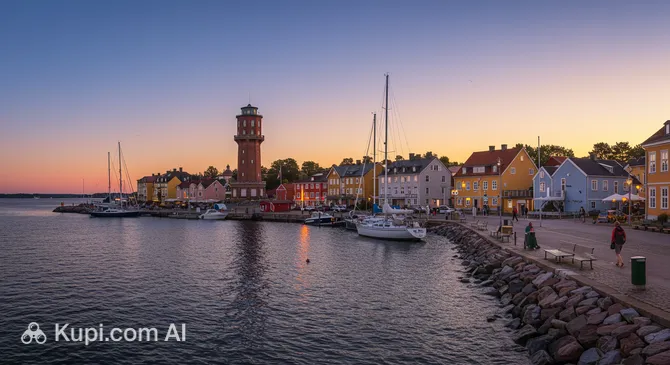
Oskarshamn is a picturesque "gateway" to the Swedish archipelago, located on the southeast coast of Sweden. This cozy town in Kalmar County is washed by the waters of the Baltic Sea and attracts travelers with its unique maritime romance. Here, rocky shores harmoniously coexist with dense forests, creating stunning landscapes that look as if they belong on a postcard.

Oskarshamn. Illustration.
Source: Kupi.com AI

Despite its relatively small population of about 17,000, the town plays a vital role as a regional transport hub. A busy port and regular ferry connections make it a convenient starting point for sea voyages. The atmosphere of the town itself invites leisurely strolls: clean streets and historic buildings serve as a reminder of the rich history of Oskarshamn, where fishing traditions are interwoven with the development of modern infrastructure.

Tourists come here to enjoy authentic Scandinavian coziness and explore local landmarks. The town is famous for its interesting museums, well-maintained parks, and the opportunity to go on a boat tour of the nearby islands. Oskarshamn is the perfect place to relax the soul away from the bustle of big cities, breathing in the fresh sea air and enjoying the beauty of Northern nature.

Weather Overview

Oskarshamn's climate can be described as moderate maritime, largely shaped by the influence of the Baltic Sea. The proximity to water softens temperature fluctuations, so it is rarely extremely cold in winter or unbearably hot in summer, making the city pleasant to visit at any time of year.

The summer season is the most popular time for tourists. In July and August, the air usually warms up to a comfortable 22°C during the day, while the average temperature stays around 17–18°C. These are ideal conditions for boat trips and exploring the archipelago. However, even in the height of summer, be prepared for precipitation: on average, there are 11–12 rainy days per month, so a light windbreaker is recommended.

Winters in the city are mild by Scandinavian standards, but quite damp. In January and February, the thermometer fluctuates around 0...+3°C, only occasionally dropping to slight sub-zero values at night (around -1.5°C). Expect a comfortable warm summer with occasional rain and a cool winter without severe frosts. To choose the best dates for your trip and properly prepare your wardrobe, we recommend checking what weather in Oskarshamn is expected during your visit.

Average monthly temperature

Average monthly precipitation

Interesting Facts

Beyond its well-known harbor atmosphere and maritime landscapes, Oskarshamn hides many curious historical details and cultural features that reveal themselves only to the attentive traveler. Here are a few facts to help you get to know this Swedish town better.

  • A Royal Name. For a long time, the settlement existed as a modest fishing village named Döderhultsvik. It was only in 1856, after receiving city status, that it was renamed in honor of the reigning monarch — King Oscar I.

  • The Master of Wood Miniatures. The town is inextricably linked with the name of Axel Petersson, nicknamed "Döderhultarn." His unique style of wood carving, full of humor and life's truth, made the region famous across the country. Today, the Döderhultarmuseet operates in the town, housing the largest collection of his works.

  • The Gateway to Gotland. Oskarshamn is often called the "gateway" to the island of Gotland — one of Sweden's most popular tourist destinations. The local port is a major transport hub from which ferries regularly depart for this gem of the Baltic.

  • Living History. In the vicinity of the town lies the unique museum village of Stensjö By. This place represents an untouched corner of 19th-century Swedish rural life, featuring authentic old farmsteads, barns, and picturesque pastoral landscapes.

How to Get There

When planning a trip to this scenic coastal corner, it is important to consider the logistics in advance. Oskarshamn is conveniently located, allowing for a combination of different modes of transport. You can find out more about how to get to Oskarshamn by considering all available routes, and below we will focus on the key transport hubs most frequently used by tourists.

For those choosing to fly, the most comfortable option is Kalmar Öland Airport (KLR). It is the closest airport to the city, at a distance of 65.6 km. A trip by car or taxi from the terminal will take about 50–60 minutes. This is a popular regional airport that accepts regular flights and provides convenient connections to the rest of the country.

An alternative solution is Växjö Airport (VXO), located 110.7 km from Oskarshamn. Travel time by car is approximately 1.5 hours. If you plan to travel by public transport, you should allow more time for transfers. This airport also serves a significant number of passengers and can be convenient if tickets to Kalmar are unavailable.

Below is information about the main airports serving this region:

AirportPassenger trafficDistance
Kalmar Öland Airport113 00066 km
Vaxjo Airport210 000111 km
Visby Airport491 000122 km
Kallinge Airport231 562133 km
Linkoping City Airport145 000135 km

Traveling by rail is also popular in Sweden. Although there is a railway line in Oskarshamn itself, large hub stations in neighboring cities are often used for long-distance trips. One important point is Norrköping Central Station (XYK), located 149 km away. If you rent a car at the station, the drive to Oskarshamn will take about 2 hours. Traveling by bus or regional train will take longer.

It is also worth mentioning Karlskrona Railway Station. It is located approximately 133 km from the destination. This is another option for planning a route, especially if you are traveling from the south of the country. Travel time by car from this station is about 1 hour and 45 minutes.

List of nearby major railway stations for planning transfers:

StationPassenger trafficDistance
Karlskrona Railway Station133 km
Ronneby Railway Station138 km
Norrköping Central Station2.5 mln149 km
Hässleholm Station3.5 mln206 km
Eskilstuna Central Station2.2 mln234 km

Main Attractions

Oskarshamn is a city where history and nature intertwine in a wonderful way. Here you can find both unique architectural monuments and natural gems known far beyond the region. A walk through the local attractions will give you a complete picture of the maritime soul of this Swedish corner.

One of the most mysterious and attractive spots on the map is Blå Jungfrun National Park. This solitary island, rising as a granite dome in the middle of the Kalmarsund Strait, is steeped in legends. According to Swedish folklore, this is the location of the mythical Blåkulla — the gathering place of witches. Today, tourists take a ferry here to walk through dense deciduous forests, explore caves, and enjoy panoramic sea views from the island's summit.

For those who prefer quiet walks within the city, a mandatory stop is Långa Soffan (The Long Bench). This unusual landmark, built back in 1867, long held the title of the longest wooden bench in the world, stretching 72 meters. It is located on a terrace overlooking the harbor and the strait, and historically served as a place where sailors' wives waited for ships to return. It is an ideal location for panoramic photos and peaceful contemplation of the seascapes.

To dive into the region's maritime past, visit the Oskarshamn Maritime Museum (Sjöfartsmuseet). The exhibition details the development of shipping, port life, and local shipyards. It features ship models, navigational instruments, paintings, and everyday items used by sailors. The museum carefully preserves the memory of the times when sailing ships were Sweden's main link to the outside world, and will be interesting for both adults and children.

Another cultural magnet is the Cultural Center (Kulturhuset), where a library, an art gallery, and the famous Döderhultarn Museum share one roof. Although we mentioned the master of wood carving earlier, this place is worth a visit just to see over 200 of his original works. The expressive figures of peasants, animals, and scenes from village life are striking in their emotionality and craftsmanship.

Local Cuisine

Oskarshamn's gastronomic map is inextricably linked to the Baltic Sea, and its bounty forms the basis of local cuisine. In the town's restaurants and taverns, the main focus is on the freshness of ingredients. Travelers should definitely try the smoked salmon, tender shrimp, and crayfish, which are considered true delicacies here. Those looking for hearty lunches will enjoy traditional fish soups and stews with seasonal vegetables, and for dinner, fried pike-perch or cod with mashed potatoes and a thick cream sauce is often served.

For those seeking thrills and wishing to dive into the authentic traditions of Sweden, Oskarshamn offers a gastronomic adventure called surströmming. This fermented herring with a very specific smell causes a storm of emotions among tourists, but locals appreciate it for its unique taste. If you prefer more familiar aromas, head to the summer embankments, which turn into impromptu gastronomic zones. Here, the king of street food is smörrebröd — open-faced sandwiches with fish, egg, and greens.

The sweet side of the city is revealed in cozy cafes and at markets. It is impossible to imagine a visit to the country without a break for "fika" — the traditional coffee break with fresh pastries. In Oskarshamn, the hot cinnamon buns (kanelbullar) and seasonal rhubarb pies are especially good. As for drinks, it is customary to serve local light beer or a shot of ice-cold aquavit (herbal schnapps) with fish dishes to help bring out the flavor of the salted herring, while berry juice is a popular non-alcoholic alternative.

Dining culture in Oskarshamn is very democratic: people love visiting farmers' markets to buy artisanal cheeses, marmalades, and fresh berries directly from producers. Gastronomic festivals are regularly held in the city, where local chefs compete in the art of preparing seafood. This is the best time to see how a careful approach to old recipes combines with modern culinary trends.

Travel Tips

A trip to Oskarshamn promises to be peaceful and filled with maritime romance, but a little preparation will make it even more comfortable. We have compiled a list of useful recommendations to help you easily navigate this port city, avoid typical tourist mistakes, and feel confident in any situation.

  1. Clothing and Gear. The weather on the Baltic coast is changeable, so the principle of layering is your best friend. Even in summer, be sure to bring a windproof jacket and a warm sweater for evening walks by the sea. If you plan a trip to the island of Blå Jungfrun or walks along rocky shores, you will need comfortable, non-slip, flat-soled shoes.
  2. Transport. The city center is compact and best explored on foot. For trips around the surrounding area, use the Kalmar Länstrafik (KLT) regional bus network — it is more economical to buy tickets in advance through the mobile app, as drivers do not accept cash. If you want to freely explore remote beaches and forests, renting a car is the optimal solution.
  3. Finance. The official currency is the Swedish krona (SEK). Sweden is one of the most "cashless" countries in the world: cards are accepted everywhere, from museums to tiny kiosks, and in many places (for example, on public transport), cash may not be accepted at all. Tipping is not mandatory, as service is included in the bill, but rounding up the amount is appreciated.
  4. Health and Safety. Oskarshamn is a very safe city with a low crime rate, where you can walk safely at any time. Pharmacies are easy to find by the Apotek sign, but remember that they usually close early (around 18:00–19:00) and do not operate 24/7. For emergencies (police, ambulance, fire), the single number is 112.
  5. Communication. The language barrier is practically non-existent here: most locals, including the older generation, speak excellent English. However, Swedes will appreciate it if you learn a couple of words: "Hej" (Hello) and "Tack" (Thank you). Free Wi-Fi is available in most cafes, hotels, and at the port terminal, and a SIM card can be purchased at any Pressbyrån convenience store.
  6. Local Etiquette. Swedes value personal space and quiet. In public places, try not to talk loudly on the phone. Queueing is an unwritten law: whether boarding a bus or waiting at a checkout, never try to cut ahead of others, as this is considered highly impolite.
  7. What to Avoid. Do not walk on bicycle paths — these are active traffic zones, and a pedestrian can create a hazardous situation. Also, keep in mind strict alcohol regulations: wine and spirits can only be purchased at state-run Systembolaget stores, which close early on weekdays and are often closed on Sundays.
  8. Planning Crossings. Since Oskarshamn is a major port, many tourists use it for transit to the island of Gotland. Ferry tickets sell out very quickly during the summer season, so book them several weeks before your trip. Arrive at the terminal at least 45 minutes before departure to check in and board without rushing.

By following these simple tips, you can avoid minor organizational hassles and fully focus on the beauty of the Swedish archipelago. Oskarshamn is open and friendly to guests who respect its way of life, so your trip is sure to leave only warm memories.

Entertainment & Nightlife

Entertainment and nightlife in Oskarshamn are characterized by a restrained Scandinavian charm. You won't find noisy metropolis-style clubs operating until dawn here; instead, the town offers a cozy atmosphere for those looking to relax after a busy day. The epicenter of evening activity is concentrated in the harbor area and around the central square (Stora Torget). This is where the main establishments are located, where locals and tourists gather to socialize and enjoy drinks.

Leisure in Oskarshamn tends toward classic pub culture and gastronomic evenings. Most venues combine the functions of a restaurant and a bar: people have dinner here in the evening, and as night approaches, the music gets louder, and the atmosphere shifts to something more casual. During the summer season, the Badholmen area right in the harbor is particularly popular, featuring terraces overlooking the sea and frequent live music concerts.

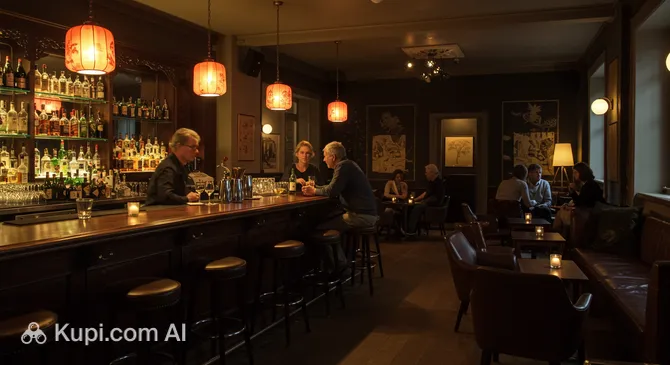
Chinese Cecil Restaurant. Illustration.
Source: Kupi.com AI

Traveler photos:

Among the noteworthy establishments is the Cecil Chinese Restaurant. Despite its culinary name, this place is popular not only for its food but also for its bar area, where you can spend a pleasant evening with friends. The interior is conducive to long conversations, and its location makes it a convenient stop on an evening walk through town. You can also find classic sports bars in the city center, such as O'Learys, which broadcasts matches and offers a wide selection of beer, as well as cozy hotel pubs, such as the one in the Clarion Collection Hotel Post, famous for its historic atmosphere.

When planning an evening out, keep local characteristics in mind. The dress code in most places is casual — "smart casual" is appropriate everywhere. Bars usually close around 01:00 or 02:00 AM, so it is better to start your evening early. Alcohol prices in Sweden are traditionally high: a glass of beer or wine costs on average 70–90 SEK, and cocktails start from 120 SEK. Be sure to have your ID with you, as age control (usually 18+ or 20+) is strictly enforced.

In terms of safety, Oskarshamn is an ideal city. Night walks here pose no threat; the streets are well-lit and quiet. However, public transport runs infrequently at night, so if you stay out late, it is most convenient to call a taxi. Local services like Sverigetaxi operate 24/7, but it is better to order a car via an app or by phone in advance, as hailing one on the street can be difficult.

During the day, the town offers calmer types of leisure. Active recreation enthusiasts can visit the local bowling center or head to the Saga Bio cinema, which often screens films in their original language with subtitles. For families, the city park (Stadsparken) is perfect, as it frequently hosts cultural events and open-air festivals.

Parks & Museums

Oskarshamn harmoniously combines maritime ruggedness with the coziness of green spaces, offering tourists not only walks along the embankments but also immersion into the cultural environment. The city carefully preserves its heritage in museums and galleries, while local parks serve as ideal places to relax after a busy day of exploration.

Among the green zones, the City Park (Stadsparken) holds a special place. It is a true oasis in the city center, famous for its well-kept alleys, flower beds, and sculptures. The park is perfect for leisurely strolls or picnics on the grass in the shade of century-old trees. In summer, it often hosts concerts and community events, making it a hub of social life. Another important natural location is the Fallebo Gård nature reserve. This is a unique combination of an old farm environment and wild nature: here you can walk along marked trails through forests and pastures, see traditional Swedish wooden buildings, and enjoy the silence of the countryside without traveling far from the city.

The cultural heart of Oskarshamn beats within the walls of the Cultural Center (Kulturhuset). This comprehensive space brings together the city's main treasures under one roof. In addition to the famous Döderhultarn woodcarving museum and the Maritime Museum, the Oskarshamn Art Gallery (Oskarshamns Konsthall) is located here. The gallery specializes in contemporary Swedish art, regularly updating its exhibitions of paintings, sculptures, and installations. This place attracts lovers of aesthetics and provides insight into the lives of the region's modern artists.

Also located in the Cultural Center building is the lesser-known but curious Biological Museum. Its collection is dedicated to the flora and fauna of Småland and the Baltic coastal zone. This is an excellent opportunity for nature lovers to get acquainted with the region's ecosystem, seeing taxidermy of birds and animals that inhabit the local forests and waters.

History and architecture buffs should visit the Fnyket district. This is the oldest part of Oskarshamn, located near the port. A walk through the narrow cobblestone streets among tiny wooden houses from the 18th and 19th centuries transports you to the past, when fishermen and craftsmen lived here. These quarters miraculously survived and today represent a living historical monument where every house breathes with antiquity.

Insider Tip: For unique impressions, head to the Havslätt recreation area. This is not just a beach, but a full-scale recreational park with a cafe, a mini-golf course, and scenic trails along the sea. Locals love to come here at sunset: the view of the archipelago in the rays of the setting sun is simply fantastic, and the place is much less crowded than the central embankment.

Getting Around

The public transport system in Oskarshamn, as befits a small and cozy town, is simple, efficient, and intuitive. You won't find a metro, trams, or trolleybuses here — the scale of the city makes them unnecessary. The center is so compact that most attractions, shops, and restaurants are within walking distance of each other, making walking the primary and most pleasant way to get around.

For trips to remote areas or neighboring settlements, buses are used, managed by the regional operator Kalmar Länstrafik (KLT). The bus network connects the city center (the main hub is the Resecentrum station near the port) with residential quarters, shopping areas, and suburbs. Transport runs strictly according to a schedule that is followed with enviable precision. The buses are modern, clean, equipped with air conditioning, and have spaces for strollers.

An important point for tourists regarding the payment system: drivers do not accept cash. The most convenient and cost-effective way to pay for your fare is through the Kalmar Länstrafik mobile app. In the app, you can link a bank card, plan a route, and buy a ticket, which you then need to activate and show to the driver or tap against the reader upon boarding. Tickets can also be purchased at machines at major stops, at station ticket offices, or by paying with a bank card directly on the bus (contactless payment), though the price when buying on board may be slightly higher.

Since Oskarshamn is a port city, water transport plays a special role here. In addition to the large ferries departing for the island of Gotland, local motor ships such as the M/S Solkust operate during the summer season. They function as a kind of "water bus," taking passengers to the picturesque islands of the archipelago or to the Blå Jungfrun National Park. Tickets for such sea trips are best booked in advance on the carrier's website or purchased at the tourist center near the harbor.

As an alternative to public transport, taxis and bicycles are popular. Taxi services, such as Sverigetaxi, operate reliably, but trip prices are quite high, so it is better to call a car via an app or by phone, confirming the cost in advance. Car sharing is poorly represented in the city, but renting a bicycle is a great idea. A developed network of bike paths allows you to safely and quickly reach beaches or forest areas on the outskirts.

Tourists should remember that the frequency of public transport depends on the time of day and the season. On weekends and late in the evening, intervals between buses increase. If you plan an early departure or a return after midnight, be sure to check the schedule in the app or book a taxi in advance, as night bus routes may be limited.

Accommodation

The choice of accommodation in Oskarshamn, while not boasting metropolitan scale, is capable of satisfying the needs of most travelers. The town offers a balanced range of options: from classic mid-range city hotels and cozy bed and breakfasts (B&Bs) to scenic coastal campsites. You won't find luxury five-star resorts here, but quality service and the authentic atmosphere of a port city are plentiful.

In terms of location, the most convenient area to stay is the City Center (Centrum). By staying here, you will be within walking distance of the main attractions, restaurants, and, importantly, the ferry terminal and bus station. This is an ideal choice for those planning active walks or an early departure for Gotland. If you are traveling by car and prefer proximity to nature, look into the Havslätt district and other coastal zones where campsites and cottages with sea views are located.

Both well-known hotel chains and independent historic hotels operate in the city. Many of them are located in renovated buildings like the old post office or former merchant houses, offering guests unique interiors and breakfasts featuring local products. For budget travelers, hostels are available, which in Sweden are known for their cleanliness and high level of comfort, along with the option of renting private apartments.

Booking Tip: Oskarshamn is a popular transit point and summer resort, so demand for accommodation rises sharply during the high season (July–August). It is highly recommended to book rooms several months before your trip, especially if your visit coincides with festival dates or weekends.

Prices range from moderate to high, which is typical for Scandinavia. Booking is most convenient through major international online platforms where most local properties are listed. However, for booking a spot at a campsite or a small guesthouse, it is sometimes more advantageous to contact them directly through their official websites.

Nearby Cities

For those who want to explore the surroundings, Oskarshamn serves as an excellent starting point for day trips to several interesting nearby locations. The town's convenient location makes it easy to reach the cultural and historical centers of the region, each with its own unique character.

One of the most popular destinations is Vimmerby. This place is known worldwide as the birthplace of the famous author Astrid Lindgren. The town is perfect for a family trip: it houses the "Astrid Lindgren's World" theme park, where the tales of Pippi Longstocking and Emil of Lönneberga come to life, allowing both children and adults to immerse themselves in a magical atmosphere.

Fans of maritime history and architecture should visit Karlskrona. This city, spread across many islands, is a UNESCO World Heritage site as an outstanding example of European naval planning. Here you can stroll through grand squares, visit the fascinating Naval Museum, and enjoy views of the archipelago.

Also worth visiting is Linköping — a vibrant university city where modernity meets the Middle Ages. Its main landmark is the magnificent cathedral, and the "Old Linköping" open-air museum allows you to see how Sweden lived in past centuries. Additionally, it features an impressive Air Force Museum, which is interesting for technology enthusiasts.

CityPopulationDistance
Hultsfred5 60044 km
Västervik36 74756 km
Vimmerby100 93457 km
Kalmar41 85267 km
Nybro13 58367 km

These nearby destinations provide an overview of the region's diverse culture and landscapes.

Shopping & Souvenirs

Shopping in Oskarshamn is a calm and pleasant activity, devoid of the bustle of large metropolises. You won't find endless rows of luxury boutiques here, but you can enjoy the cozy atmosphere of small shops where owners often know their customers by name. The city's shopping scene focuses on quality and local flavor, offering guests a combination of well-known Swedish clothing brands, home goods, and unique creations by local artisans.

The heart of the city's commercial life beats in its center (Centrum). The pedestrian zones around Lilla Torget and Stora Torget squares, as well as the connecting streets such as Köpmangatan, are the main arteries for shopping enthusiasts. Strolling along the cobblestones past historic buildings, you will find clothing stores, bookstores, interior design salons, and cozy cafes for a "fika" break. It is an ideal place for a leisurely promenade where shopping is combined with sightseeing.

For those who prefer to shop under one roof, the Flanaden shopping center operates in the city center. This is a popular meeting place for locals, housing clothing stores, a pharmacy, a supermarket, and several cafes. Although the mall is not giant in size, it offers an excellent selection of essential goods and fashion novelties. There is also a large commercial area at the entrance to the city with hypermarkets and electronics stores, convenient for those traveling by car.

Market trade gives Oskarshamn a special charm. The traditional market in the main square, Stora Torget, usually comes to life on Wednesdays and Saturdays (in the morning). Here, local farmers sell fresh seasonal vegetables, berries, flowers, and local honey. In the summer, they are joined by antique and craft sellers, turning the square into a colorful and lively space where you can find unexpected treasures or simply observe city life.

When choosing souvenirs, look for products that the region is famous for. Oskarshamn is known as the home of Liljeholmens — the world's largest factory for the production of stearin candles. The factory has a flagship store where you can buy candles of all shapes and colors at great prices — this is the most popular and "warm" gift from the city. Wooden items in the style of local master Döderhultarn and the famous glass from the neighboring Småland region are also highly valued. In home decor shops (Hemslöjd), look for high-quality textiles and handmade ceramics.

When planning your shopping trip, keep the typical Swedish schedule in mind. Most boutiques in the center are open from 10:00 to 18:00 on weekdays and from 10:00 to 14:00 or 15:00 on Saturdays. On Sunday, small shops are usually closed, and only large supermarkets and shopping centers remain open. Sweden is a country that has embraced cashless payments: bank cards (Visa, Mastercard) are accepted almost everywhere, and in many places, cash may not be accepted at all. Therefore, having a card is key to comfortable shopping.

Tourists living outside the European Union can use the Tax Free system. Look for the "Global Blue" logo in shop windows. When purchasing goods for a certain amount (usually from 200 SEK), you can issue a special check for a VAT refund. Refund points are often located in major airports or ports, so keep your receipts and do not unpack your purchases until you leave the country.
Reached the end of the page?

That means the route is fully explored