Support

Håga mound

About

Imagine a majestic monument of antiquity rising above the green expanses of the valley — this is the Håga Mound (Hågahögen), also known as King Björn's Mound. Located on the outskirts of Uppsala, this site is one of the most significant archaeological treasures that Sweden takes pride in.
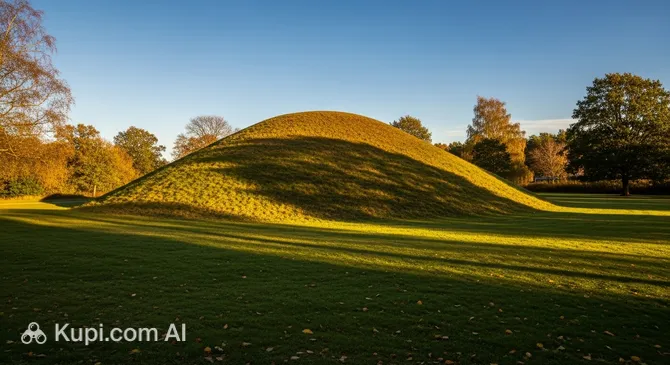
Håga Mound
Håga Mound. Иллюстрация. Источник: Kupi.com AI

Built around 1000 BC, the mound reaches 7 meters in height and nearly 50 meters in diameter. During the Bronze Age, it served as the resting place of a powerful chieftain. Excavations here unearthed the richest collection of gold artifacts, including gilded buttons and a magnificent bronze sword, making Håga the richest "gold" mound in Scandinavia from that period.

Today, it is not just a historical monument but part of a picturesque landscape where ancient legends are closely interwoven with natural beauty. Visitors can see not only the hill itself but also the remains of settlements, ritual structures, and traces of ancient manufacturing that predated the famous Old Uppsala.

Contacts

For those planning a visit, below is the contact information for this unique archaeological site:

How to contactContact
AddressHågavägen 51, 752 63 Uppsala, Швеция
Phone+46 70 549 75 31
Websitewww.upplandsstiftelsen.se

What to Do

A visit to the Håga Mound is an opportunity to touch the mysteries of the Bronze Age in a peaceful, almost mystical atmosphere. The highlight is to climb to the top of the mound. From there, a beautiful panoramic view of the Hågadalen valley opens up, allowing you to imagine what this landscape looked like thousands of years ago when sea waters still reached these shores.

Explore the surrounding necropolis and find the cult enclosures — symbolic roofless structures used for ancient rituals over centuries. Information plaques are installed throughout the area to help decode the significance of the stone house foundations and the remains of an ancient iron smithy. This site is excellent for a thoughtful study of open-air archaeology.

For active recreation enthusiasts, the area around the mound offers a network of hiking trails passing through the nature reserve. Here you can enjoy a picnic on the grass or practice landscape photography. During the summer season, organized tours and themed archaeological events are sometimes held; it's worth checking the official nature reserve website in advance for details.

Getting There

Reaching this historical site from the center of Uppsala is easy, as the mound is located just 3 kilometers to the west. The most pleasant way to get there is a walk or bike ride along Hågavägen, enjoying the local scenery.

If you prefer public transport, take bus No. 110 or 115 from the central station. The journey to the Håga or Gamla Uppsala stop takes about 10–15 minutes. For those traveling by car, free parking is available directly at the entrance to the archaeological area.

Tourists arriving from Arlanda International Airport can reach the site in about 40 minutes via the E4 motorway. Alternatively, you can take a walk from Old Uppsala along forest trails, which takes about 20–30 minutes and allows for a deeper immersion into the atmosphere of ancient Scandinavia.

Ближайший город: Uppsala

History & Facts

The Håga Mound was constructed around 1000 BC, during the Late Bronze Age. At that time, it was situated on the shores of a sea inlet, which emphasized the high status of the person buried here. It is believed to be the resting place of a powerful chieftain or a "god-like king" whose influence extended far beyond the valley.

Scientific interest in the site flared up in the early 20th century when large-scale excavations began in 1902–1903. The research was led by archaeologist Oscar Almgren with the participation of Gustaf VI Adolf, who later became the King of Sweden. The excavation results amazed the world: more than a third of all Bronze Age gold items ever found in the country were discovered here.

The name Håga comes from the Old Norse word "haugr," meaning "hill" or "high mound." In ancient sagas, such as the "Hervarar saga," this place is associated with King Björn, who, according to legend, ruled from his Håga estate while his brother ruled in Old Uppsala. Modern research confirms that this complex was a major religious and political center long before the rise of Gamla Uppsala.

In addition to the mound itself, archaeologists discovered remains of settlements with stone foundations and traces of one of the oldest iron-smelting operations in Scandinavia, dating back to approximately 900 BC. This site is rightfully considered a key monument revealing the secrets of the life and rituals of the ancient Scandinavians.

Time Needed

To get acquainted with the mound itself and study the nearby information plaques, 1–2 hours is usually sufficient. This is enough time to climb to the top of the mound and take memorable photos of the Hågadalen valley panorama.

If you plan a leisurely walk through the entire archaeological complex, including viewing the ancient house foundations and cult enclosures, as well as hiking the nature reserve trails, you should set aside 2–3 hours. This place is ideal for those who want to combine a historical excursion with outdoor recreation.

Working Hours

As the Håga Mound is part of the natural landscape and an open-air archaeological zone, it is open to visitors 24/7. You can visit at any time that suits you, whether it's early morning to catch the sunrise from the top of the hill or a quiet evening hour.

Entry to the site is free; however, it is recommended to check the Upplandsstiftelsen website before your trip for information on any temporary restrictions or the schedule of special tours during the summer period.

Круглосуточно

Nearby

Exploring the surroundings of the Håga Mound allows for a deeper acquaintance with the cultural and natural heritage of the region. Nearby, you will find both cozy historical buildings and interesting natural sites that will make your trip even more fulfilling.

NameDistance
Museum of Evolution2.4 km
Uppsala University Museum of Evolution2.6 km
Uppsala Botanical Garden2.8 km
The English Park3 km
Uppsala Castle3.2 km
Biotopia3.2 km
Hodja Restaurant3.5 km

Reached the end of the page?

That means the route is fully explored