Support

Chenggong

About

Chenggong is a charming coastal town located in Taitung County on the east coast of Taiwan. It is known for its vibrant fishing harbor, stunning natural landscapes, and relaxed atmosphere, making it an attractive destination for those wishing to explore the island's less-traveled corners. With a population of approximately 13,000, the town offers a unique blend of maritime culture and natural beauty.
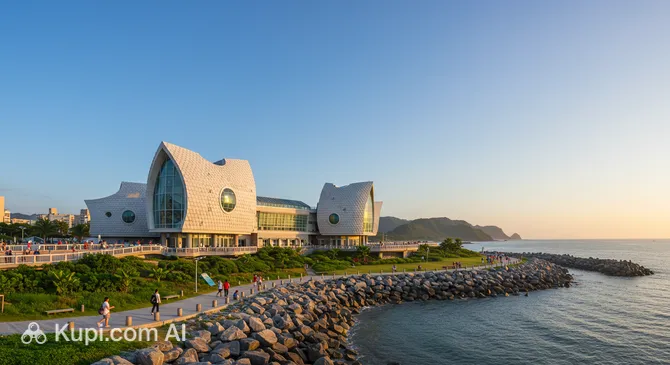
Chenggong. Illustration.
Source: Kupi.com AI

One of Chenggong's main attractions is its fishing harbor, one of the largest on the east coast. Here, you can observe the daily life of fishermen, witness fresh catch auctions, and, of course, sample delicious seafood at local restaurants. Not far from the town is the famous natural landmark Sanxiantai (Terrace of the Three Immortals)—a picturesque rocky headland connected to the mainland by an impressive arched bridge. This spot is perfect for walking and enjoying breathtaking views of the Pacific Ocean.

Chenggong also serves as an excellent starting point for exploring the East Coast National Scenic Area, offering tourists the chance to enjoy pristine beaches, unique rock formations, and rich biodiversity. The climate here is subtropical, with warm weather throughout most of the year, making it pleasant to visit at any time.

If you are looking for an authentic experience, fresh seafood, and beautiful coastal scenery away from the city bustle, Chenggong is certainly worth your attention during your travels through Taiwan.

You can find more interesting facts on the Chenggong history page.

Weather Overview

The weather in Chenggong is characterized by a warm and humid climate throughout the year. The average monthly temperature ranges from about 14.5°C in January (minimum around 12.1°C, maximum up to 16.9°C) to 24.9°C in July (minimum around 22.2°C, maximum up to 27.7°C). Precipitation is distributed relatively evenly throughout the year, averaging between 7 to 13 mm per month. A characteristic feature is the high number of days with precipitation—from 18 days in July to 30 days in January—which suggests frequent, but generally not very intense, rainfall.

In general, expect warm summers with periodic rainfall and mild, damp winters. The warmest months are June, July, and August, while the coolest are December and January. For more detailed information on weather conditions, you can visit the Chenggong Climate page.

Average monthly temperature

Average monthly precipitation

Interesting Facts

In addition to its picturesque landscapes and lively fishing port, Chenggong, a small town on the east coast of Taiwan, hides many curious details and stories. Here are a few little-known facts that will help you see it in a new light:

  • The name Chenggong (成功) was given to the city after World War II in honor of the Chinese national hero Zheng Chenggong (鄭成功, also known as Koxinga). During the period of Japanese rule, the settlement was known as Shinko (新港). Interestingly, the original name for this area, given by the indigenous Amis people, is Madawdaw.

  • Chenggong is rightfully considered the "home of the swordfish" in Taiwan. The local fishing port is one of the most important on the east coast, and the daily auctions of freshly caught swordfish, marlin, and other large migratory fish are a thrilling sight for visitors.

  • Located near Chenggong is the famous natural landmark Sanxiantai (三仙台), which means "Terrace of the Three Immortals." According to local legend, three of the Eight Immortals of the Taoist pantheon once rested on this headland, leaving their footprints on the rocks. An impressive eight-arched bridge leads to the island, its shape resembling a sea dragon.

  • The town is an important cultural center for the Amis people—one of the largest officially recognized indigenous groups in Taiwan. Travelers have the opportunity to experience rich Amis traditions, especially during annual harvest festivals such as Ilisin, which are famous for folk music, ritual dances, and unique local cuisine.

How to Get There

A journey to Taiwan's scenic east coast is an adventure in itself. Although the town is located somewhat away from bustling metropolises, getting here is not difficult if you plan your route correctly. You can find all the ways to get to Chenggong on our dedicated page.

There is no airport in the town of Chenggong itself, so travelers will need to take a combined route. The nearest hub is Taitung Airport (IATA: TTT), located in the city of Taitung. It is about 48 km from Chenggong. This is the most convenient option for domestic flights. A trip from the airport to the town by taxi or bus takes about 1.5 hours, allowing you to enjoy ocean views along the way.

For international travelers, the main gateway is often Kaohsiung International Airport (IATA: KHH), located in the city of Kaohsiung. This is a major transport hub with high passenger traffic. The distance to Chenggong is about 120 km. The drive can take over 3 hours, so many tourists prefer to travel from the airport to the railway station, take a train to Taitung, and then transfer to a bus to Chenggong.

You can also consider flying through Hualien Airport (IATA: HUN) if you plan to move from north to south along the coast. It is located in Hualien City, about 105 km from Chenggong. The drive along the coastal highway from here is very scenic.

For clarity, here is a summary of the main airports used to reach the region:

AirportPassenger trafficDistance
Taitung Airport332 22148 km
Hualien Airport39 115105 km
Chiayi Airport100 000108 km
Kaohsiung International Airport5.9 mln120 km
Tainan Airport469 338121 km

In addition to air travel, railway transport plays an important role. There is no train station in Chenggong itself, as the town is located directly on the coast, away from the main railway line. Most tourists take a train to the station in Taitung or Hualien. Buses run regularly from Taitung station (for example, the Taiwan Tourist Shuttle East Coast Line), taking passengers directly to the center of Chenggong and stopping at major attractions.

Main Attractions

Chenggong, located on Taiwan's scenic east coast, offers travelers a unique combination of natural beauty, marine life, and indigenous culture. Although the town is small, there are several iconic sites that are definitely worth a visit to experience the region's authentic atmosphere.

One of the most famous attractions near Chenggong is Sanxiantai (Sanxiantai / 三仙台), which translates to "Terrace of the Three Immortals." This site is famous for its impressive eight-arched bridge that connects the mainland to a small coastal island. Legend has it that three of the Eight Immortals of the Taoist pantheon once rested here, leaving behind their footprints. In addition to the photogenic bridge, the island attracts visitors with its whimsical rock formations carved by erosion and its rich coastal ecology. It is an excellent place for hiking and enjoying panoramic views of the Pacific Ocean.

The heart of local life and a major draw for gourmands is the Chenggong Fishing Harbor (Chenggong Fishing Harbor / 成功漁港). This is one of the largest and most active fishing ports on the east coast. Here, you can watch the daily work of fishermen, see the unloading of the fresh catch, and, of course, sample seafood delicacies at one of the many small restaurants. It is particularly interesting to visit the harbor during the fish auctions, where you can see the full variety of marine life caught in the Pacific, including the famous marlin.

Near Chenggong is the Pisirian Cultural Village (Cihalaay Cultural Landscape Area / 比西里岸部落), belonging to the Amis people. This site immerses visitors in the culture of one of Taiwan's indigenous tribes. The village is known for its colorful murals, driftwood installations (especially the famous wooden goats), and traditional music, specifically the "pau-pau" drumming. A visit to Pisirian is an opportunity to learn more about the traditions, art, and lifestyle of the Amis people while enjoying a peaceful atmosphere and beautiful views.

These attractions provide just a general idea of what Chenggong and its surroundings have to offer. Taiwan's east coast is full of hidden gems, and exploring this region is sure to provide you with unforgettable impressions.

Local Cuisine

The culinary world of Chenggong is a true immersion into the culture of coastal Taiwan, where the freshness of products—especially seafood—is paramount. This town, famous for its fishing port, offers unique culinary experiences based on the gifts of the sea and local traditions.

Be sure to try dishes made from freshly caught fish. The signature dishes of Chenggong are considered to be those made with marlin (qiyu) and mahi-mahi (guityoudao). This could be delicate sashimi, flavorful fried fish, hearty fish soups, or even fish balls. Additionally, you can enjoy a variety of other seafood here: shrimp, crab, and squid prepared in many different ways—from simple steaming to complex sauces. Don't miss the chance to try Taiwanese classics like oyster omelet, if available at local spots.

Among drinks in Chenggong, both traditional and refreshing options are popular. Of course, you should try the famous Taiwanese tea—Oolong or Black—which perfectly complements any meal. On a hot day, fresh juices from local tropical fruits are very refreshing. Among alcoholic beverages, Taiwanese beer is common, and in some places, you can also find stronger local drinks, such as rice wine.

The dining culture in Chenggong is centered around freshness and simplicity. The main places to enjoy local cuisine are seafood restaurants, often located near the harbor, where you can choose the freshest catch right from the display. Small family-run eateries offering authentic dishes at affordable prices are also popular. While Chenggong is not known for massive night markets like big cities, you can find street food stalls offering quick and tasty snacks. This is a great opportunity to observe the daily life of townspeople and try something truly local.

Chenggong's gastronomic scene attracts tourists with its authenticity and focus on the freshest seafood. The opportunity to try marlin or mahi-mahi prepared according to traditional recipes, while enjoying the atmosphere of a fishing town, makes a culinary journey to Chenggong truly memorable. It is an ideal place for those who appreciate the taste of a fresh catch and want to experience authentic Taiwanese coastal cuisine.

Travel Tips

Planning a trip to the charming coastal town of Chenggong? These practical tips will help you better prepare for your journey and get the most out of your acquaintance with this corner of Taiwan.

  1. Clothing and Essentials: Chenggong is located on the east coast of Taiwan, where a subtropical climate prevails. It is hot and humid here in summer, while winters are mild. Bring light, breathable clothing, definitely comfortable shoes for walking along the coast, sunscreen, a hat, and sunglasses. Don't forget a raincoat or umbrella, especially if your trip coincides with the typhoon season (usually from summer to autumn). For electrical appliances, you may need an adapter (Taiwan uses types A and B sockets, 110V voltage, 60 Hz frequency).
  2. Transport: Chenggong is a small town. The main public transport is buses, connecting it with other settlements in Taitung County. Taxis are also available. For more freedom in exploring Taiwan's scenic east coast, consider renting a scooter (usually requires an international driving permit) or a car.
  3. Finances: The local currency is the New Taiwan Dollar (TWD). You can exchange currency at banks in larger cities or upon arrival at Taiwan's international airports. Credit cards (Visa, MasterCard) are accepted in most hotels, large restaurants, and shops. However, cash is preferred at local markets and small family establishments. ATMs are quite common. The tipping culture in Taiwan is not as strong as in some other countries, but tips are always welcome for good service (usually 10% in restaurants if a service charge is not included in the bill).
  4. Health and Safety: Pharmacies (藥局 - yàojú) can be found in Chenggong, but their selection and opening hours may be limited compared to large cities. If serious medical assistance is needed, it is available at hospitals in Taitung County. Chenggong, like Taiwan in general, is considered a very safe place for tourists. Observe standard precautions: keep an eye on your belongings, especially in crowded places, and drink bottled or boiled water.
  5. Communication: The official language is Mandarin Chinese. The Taiwanese dialect (Hokkien) is also common. English is used in the tourism sector, hotels, and among young people, but difficulties may arise in daily communication with locals, especially the older generation. Learn a few basic phrases in Mandarin, such as “你好” (Nǐ hǎo – Hello), “謝謝” (Xièxie – Thank you), “多少錢?” (Duōshao qián? – How much?). You can purchase a local SIM card with mobile internet at the airport or in convenience stores (e.g., 7-Eleven, FamilyMart). Free Wi-Fi (iTaiwan) is available in many public places.
  6. Local Etiquette: Taiwanese people are known for their friendliness and hospitality. A greeting is usually accompanied by a slight nod of the head. When passing or receiving items (e.g., business cards, money), it is customary to use both hands as a sign of respect. It is considered impolite to point at someone or something with one finger; it's better to use an open palm. In temples, behave with restraint and respect.
  7. What to Avoid: Try to avoid engaging in discussions on sensitive political topics. Also, remember that you should not stick chopsticks vertically into a bowl of rice, as this is associated with funeral rituals.
  8. Specialty of Chenggong: This town is famous for its Chenggong Fishing Harbor and the freshest seafood. Don't miss the opportunity to visit local fish markets and restaurants to enjoy the gifts of the Pacific Ocean. Chenggong is also a convenient starting point for exploring the natural beauty of Taiwan's east coast, including the famous Sanxiantai (三仙台) rock bridge.

We hope these tips help you plan an unforgettable trip to Chenggong! Enjoy the unique atmosphere of this coastal town, its natural beauty, and the hospitality of the local people.

Entertainment & Nightlife

Chenggong, being a charming coastal town, offers its guests primarily peaceful and authentic evening activities, distinct from the bustling nightlife of major metropolises. You won't find large nightclubs or districts entirely dedicated to partying until dawn here, but you can enjoy a cozy atmosphere and local flavor.

Evening life in Chenggong is centered around local restaurants and eateries, especially those offering the freshest seafood—the pride of the region. Many establishments stay open until late evening, allowing for a leisurely dinner while observing the town's life. The atmosphere here is generally very relaxed and friendly. Since information about specific venues, their popularity, and opening hours can change, we strongly recommend asking for current advice from local residents or your hotel staff—they can point you to the best places for a seafood dinner or simply a pleasant evening. The main crowd consists of locals and tourists who appreciate good food and a quiet rest. There is no specific dress code; casual clothing is welcomed.

While there are few dedicated bar streets in Chenggong, you can find small establishments where it is pleasant to spend time over a drink. These might be modest bars or cafes offering local beer and other beverages. As with restaurants, for finding the most suitable spot, it is best to rely on recommendations from locals or hotel staff. The best time to visit such places is in the evening, after dinner. Prices are usually moderate. Regarding night markets, in a small town like Chenggong, you are unlikely to find the large, noisy night markets typical of Taiwan's big cities. Instead, you may encounter small evening food stalls or open-air cafes. You can get around central Chenggong on foot in the evening. For longer distances, it is better to use a taxi; you can ask a restaurant or hotel to call one for you.

In terms of safety, Chenggong, like most small towns in Taiwan, is considered a fairly safe place for evening strolls. Nevertheless, it is always worth taking standard precautions. Since there are no specialized nightclubs or large concert venues in Chenggong, evening entertainment here is more focused on socializing, enjoying food, and a quiet setting.

As for daytime entertainment, Chenggong and its surroundings offer opportunities for connecting with nature and local culture. You can visit the picturesque fishing harbor, walk along the coast, explore local temples, or visit small markets. While there are no large museums or amusement parks here, Chenggong's charm lies in its natural beauty and the authentic atmosphere of a coastal Taiwanese town.

Parks & Museums

Chenggong, nestled between majestic mountains and the Pacific Ocean, offers tourists a harmonious blend of scenic natural areas and cultural venues. The green spaces here are inextricably linked to the coast's unique geology, while museums and centers serve as a window into the rich traditions of indigenous peoples and the region's maritime history.

Among the natural attractions, Sanxiantai is the absolute leader. While this site is often mentioned as the region's main landmark, it should be viewed specifically as an extensive natural park. There are convenient walking trails leading across the famous eight-arched bridge to a small island. A walk around the island allows you to see unique erosional rocks and rare coastal plants. Another interesting green zone is the Shiyusan (Stone Umbrella) area. This is a small landscape park north of town, known for its whimsical rock formations that resemble umbrellas and a cozy bay where you can relax in silence and enjoy the ocean view.

The cultural life of Chenggong is vividly represented at the Amis Folk Center. This is a sort of open-air museum located on a hillside overlooking the sea. The complex includes full-sized traditional dwellings, an exhibition hall with artifacts, and a performance area. Here, visitors can not only learn about the life and rituals of the Amis people but also see live performances with traditional music and dance, as well as try their hand at archery or making crafts.

Given Chenggong's status as an important fishing port, an educational site is the Taitung Marine Ecology Center (often called the Clownfish Aquarium). Although the exhibition is not very large, it tells in detail about the marine biodiversity of Taiwan's east coast. Here you can see various types of clownfish and learn about the Kuroshio Current, which brings life to these waters. It is a great place for a family visit, allowing for a better understanding of the region's underwater world.

For those looking for lesser-known spots, we suggest paying attention to the small trails around Chenggong Harbor. In the evening, the waterfront turns into a peaceful walking area where you can watch the sunset without the tourist crowds, feeling the true rhythm of life in this coastal town.

Getting Around

The main form of public transport in Chenggong is buses. They connect the town with other settlements in Taitung County and larger cities in the region. Given the compact size of Chenggong, the internal bus network may not be very extensive, but it is usually sufficient for basic travel around town and to the nearest points of interest.

For paying fares on buses, cash is most commonly accepted. It is recommended to have small bills and coins with you, as the driver may not always have change. A more convenient and widespread way to pay is transport cards such as EasyCard (悠遊卡) or iPASS (一卡通). These cards work on many bus routes and can be topped up at most convenience stores (e.g., 7-Eleven, FamilyMart). Specific fares depend on the distance traveled.

Bus tickets, if paying with cash, are usually purchased from the driver upon boarding. If you are using a transport card, you must tap it against the reader when entering, and on some routes, also when exiting to ensure the correct fare is deducted. Buses generally follow a schedule, which can be found at bus stops or checked on the online resources of the transport companies serving the region. It is worth noting that the number of trips may be reduced in the evening and on weekends.

Taxis serve as an alternative to public transport in Chenggong. They can be found at designated stands or ordered by phone. For independent exploration of the town and its picturesque surroundings, many tourists prefer to rent scooters or bicycles. This is particularly convenient for trips along the coast and visiting remote beaches or natural attractions, providing greater flexibility in planning your route.

Accommodation

In Chenggong, travelers will find various accommodation options to suit different needs and budgets. The choice includes cozy guesthouses and budget hostels, ideal for cost-conscious tourists, as well as more comfortable mid-range hotels. For those seeking special privacy or increased comfort, rental apartments or small resort hotels may be available.

When choosing a place to stay in Chenggong, it is worth looking at areas located near the picturesque coast or in the central part of town. Central areas usually offer convenient access to main infrastructure facilities, such as cafes, restaurants, and shops, as well as transport hubs, making it easier to get around the town and its surroundings.

Various types of hotels are represented in Chenggong, from small family-run establishments to larger hotel complexes. To find the most suitable option, it is recommended to study offers and reviews on popular online booking platforms. This will help you get an idea of the available amenities and the level of service.

When planning a trip to Chenggong, especially if it falls during peak tourist season or local festivals, it is highly recommended to book accommodation in advance. Early booking not only guarantees availability but often allows you to take advantage of better prices and special offers.

The price range for accommodation in Chenggong is quite wide: from very budget-friendly options to mid-range and higher-priced offers. Most hotels and guesthouses can be easily found and booked through well-known international and local online services. In some cases, direct booking is also possible by contacting the administration of the chosen accommodation.

Nearby Cities

For those who want to explore the surroundings, Chenggong serves as an excellent starting point for day trips to several interesting nearby locations:

CityPopulationDistance
Fuli9 68115 km
Yuli22 35632 km
Ruisui10 94144 km
Taitung108 90545 km
Beinan16 79846 km

These nearby destinations provide insight into the diverse culture and landscapes of the region.

Shopping & Souvenirs

Shopping in Chenggong is an immersion into the authentic atmosphere of a coastal Taiwanese town, where the emphasis is on fresh seafood, local products, and handmade goods rather than large retail chains. The town is not famous for any specific types of stores, but it is here that you can find unique souvenirs and try local delicacies that reflect the spirit of this place.

The main shopping points in Chenggong are usually concentrated along the central streets or near the harbor. Here you will find small family shops, stalls with fresh produce, pharmacies, and convenience stores. A walk through these streets will allow you not only to make purchases but also to better feel the rhythm of local life.

You likely won't find large, modern shopping centers with international brands in Chenggong, which is typical for small settlements. If your goal is large-scale shopping, you should consider a trip to larger cities on the island, such as Taitung.

Markets hold a special place in the Chenggong shopping scene. The main attraction is undoubtedly the local fish market, where early in the morning you can see an incredible variety of freshly caught fish and seafood. It is not just a place for shopping, but a vibrant spectacle. You may also find small markets offering fresh fruits, vegetables, and other local specialties.

As souvenirs from Chenggong, it is worth bringing back items that reflect its seaside character and local culture. These could be shell products, crafts by local artisans, dried fish and other seafood, as well as high-quality Taiwanese tea or unique local sweets. Items depicting marine life or the region's picturesque landscapes are also popular.

Shops in Chenggong are usually open in the morning, starting around 9:00-10:00, and work until the evening, approximately 18:00-20:00. Fish markets start their work very early. Regarding payment methods, cash is preferred in small shops and at markets. Some larger stores or hotels may accept bank cards, but it is always better to have a sufficient amount of local currency (New Taiwan Dollar) with you.

Tourists in Taiwan have the opportunity to use the tax refund system (Tax-Free Shopping) when making purchases over a certain amount in participating stores. Look for "Tax Free" signs and don't forget to check with the sellers for the conditions and procedure for a VAT refund, which usually requires presenting your passport at the time of purchase and processing special receipts.

Reached the end of the page?

That means the route is fully explored