Support

Guangfu

About

Guangfu is a charming and cozy town nestled among the picturesque expanses of eastern Taiwan. Located in Hualien County, between majestic mountains and emerald rice fields, it possesses a special, unique charm. The Hualien River flows through the town, and its surroundings are rich in nature parks and reserves where you can admire untouched nature and spot rare birds.

With a population of about 12,000 people, Guangfu maintains an atmosphere of friendliness and hospitality typical of small settlements. It is a place where every passerby is ready to smile at you, and locals are happy to share stories about their traditions. Guangfu does not strive for the fame of a metropolis, and its main appeal lies in this simplicity and authenticity—here you can feel the genuine spirit of the Taiwanese province.
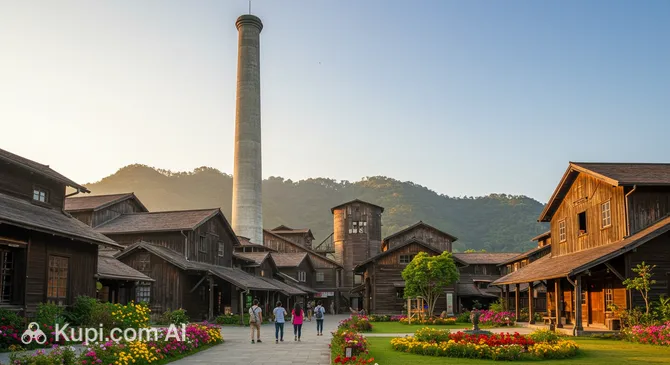
Guangfu. Illustration.
Source: Kupi.com AI

The town and its surroundings are ideal for those seeking leisurely relaxation and wishing to get acquainted with the local culture. Tourists are attracted by unique geological landscapes, scenic trails for hiking and cycling. After a busy day of exploring, it is particularly pleasant to relax in the local hot springs.

Guangfu is a corner where centuries-old traditions, breathtaking nature, and the simple joy of life harmoniously combine. Visit Guangfu to take a break from the hustle and bustle of the city, breathe in the fresh air, and discover the amazing Taiwan with its hospitality, flavors, and vivid impressions.

You can find more interesting facts on the Guangfu history page.

Weather Overview

The weather in Guangfu is characterized by a warm and humid climate all year round. Expect warm summers, especially from June to August, with average temperatures around 22-23°C (maximums can reach 25-26°C) and significant rainfall, usually peaking in May and June. Winters are mild here, with average temperatures from December to February ranging between 12-14°C, and with regular, though less abundant, rain, as the number of rainy days remains high.

To better plan your trip based on weather conditions, check out the detailed information on the Guangfu Climate page.

Average monthly temperature

Average monthly precipitation

Interesting Facts

In addition to its scenic views, Guangfu holds many amazing stories and features that make it a truly unique place in Taiwan. Ready to learn a few interesting secrets of this corner?

  • Guangfu is known for its unique geological landscape. Here you can see unusual landforms created by millennia of interaction between rocks and water. These natural formations attract not only tourists but also scientists studying the nature of Taiwan.

  • Traditional villages of the Amis people—one of the largest indigenous ethnic groups in Taiwan—are preserved in the town's surroundings. By visiting them, you can experience unique crafts, music, and dances, as well as participate in vibrant seasonal festivals filled with songs and traditional treats.

  • Guangfu hosts a colorful Lily Blossom Festival annually. During this time, the surrounding fields turn into a real sea of fragrant flowers, and the town itself is filled with an atmosphere of joy and fun, attracting nature and photography lovers.

  • According to local legend, a guardian spirit of the river lives in these parts. The legend says that he helps fishermen and protects the town from floods. Locals are happy to share this story with guests, suggesting they make a wish by the water.

How to Get There

There are several ways to reach the picturesque town of Guangfu, located in the heart of the Huadong Valley. Traveling here is an excellent opportunity to enjoy views of mountains and rice fields. You can choose the most convenient route, whether it's a flight or a train ride. Find out more about how to get to Guangfu to plan your trip as efficiently as possible.

There is no airport in the town of Guangfu itself, so travelers usually use the air harbors of neighboring cities. The closest and most convenient option is Hualien Airport (HUN), located in Hualien City, about 44 km from Guangfu. This is a small regional airport that accepts domestic flights. The journey from here to Guangfu by taxi or bus takes about an hour and a half. You can find details on the Hualien Airport page.

Another available option is flying into Taitung Airport (TTT), located in Taitung City, 107 km south of Guangfu. This is also a regional hub, convenient for those traveling along the east coast of Taiwan. A car trip from this airport takes approximately 3 hours. Additional information can be found at: Taitung Airport.

If you are considering international flights, you should look at Taichung International Airport (IATA: RMQ), located in Shalu (about 105 km in a straight line). However, keep in mind that it is separated from the east coast by a mountain range, so ground transfer may take significantly longer than it appears on a map. Taichung International Airport serves many more flights and has a high passenger traffic.

For clarity, here is a summary of the main airports:

AirportPassenger trafficDistance
Hualien Airport39 11544 km
Taichung Airport2.1 mln96 km
Taichung International Airport2.1 mln105 km
Taitung Airport332 221107 km
Chiayi Airport100 000108 km

Rail travel is one of the most popular and scenic ways to get to Guangfu. The town is served by its own railway station—Guangfu Station—located on Taiwan's East Rift Valley line. Trains from major cities like Taipei, Hualien, and Taitung arrive here regularly. A train ride from Hualien takes less than an hour, and from Taipei, it takes about 3-4 hours, depending on the type of train. This mode of transport allows you to avoid traffic jams and enjoy the magnificent landscapes of the East Rift Valley right from the train window.

Main Attractions

Guangfu, cozily situated in Hualien County, offers its guests several notable places where they can get acquainted with the history, culture, and nature of the region. Here are some of the main attractions worth visiting:

One of the most famous landmarks is the Guangfu Sugar Factory. This former large-scale sugar production facility has been transformed into a charming cultural and tourist park. Visitors can stroll among well-preserved Japanese-style wooden buildings, relax by scenic ponds, and, of course, try the famous locally-produced ice cream. The factory attracts visitors with its historical atmosphere and the opportunity to learn more about Taiwan's industrial heritage.

For lovers of nature and authentic culture, the Matai'an Ecological Park is a must-see. This unique wetland area is not only a nature reserve but also a site for preserving the traditions of the indigenous Amis people. Guests can learn about their distinctive way of life, see traditional "palakaw" fishing methods, and enjoy the peace and beauty of the local flora and fauna. Walking trails and observation decks make a visit here particularly informative.

If you are looking for outdoor activities, head to Danongdafu Forest Park. This is one of Taiwan's largest lowland forest parks, spanning many hectares. It features numerous cycling and walking paths that wind through picturesque forests and open meadows. The park is also decorated with various art objects, adding interest to your walks. It is an ideal place for a picnic, family vacation, or simply enjoying nature.

An interesting place to visit, especially with children, is the Fuyuan Butterfly Museum. The museum offers an introduction to the amazing world of Taiwan's butterflies, showcasing various species of these insects and teaching about their life cycle. Often, such museums have nature trails in the surrounding forests where you can observe butterflies in their natural habitat, making the visit even more exciting.

Local Cuisine

The cuisine of Guangfu is a true discovery for foodies traveling through Taiwan. The gastronomic traditions of this town in Hualien County will delight you with a variety and freshness of local products. Nature's gifts are highly valued here, so dishes are often prepared from the freshest fish, seafood, seasonal vegetables, and fruits.

Be sure to try Guangfu's specialty dishes. One of these is eel rice, prepared according to an old recipe with the addition of local herbs and spices. No less popular is the traditional rice noodle soup with vegetables, as well as delicate dumplings filled with sweet potato—a favorite treat for both locals and visitors. Dishes made from fresh fish and seafood caught in nearby clean rivers and lakes also hold a place of honor on the menu.

Street food in Guangfu is a gastronomic adventure in itself. Numerous stalls offer delicious desserts made from fresh exotic fruits such as mango, lychee, and pineapple. And, of course, you can't leave Taiwan without trying the famous Taiwanese bubble tea—tea with tapioca pearls, which is prepared excellently here.

The food culture in Guangfu is closely linked to local markets and street cafes. This is where you can feel the true spirit of the town and try authentic dishes. Local markets often host gastronomic festivals, where you can get acquainted with the traditional cuisine of the indigenous Amis people, taste dishes made from wild herbs, and even participate in cooking workshops. This is a wonderful opportunity not only to eat well but also to learn more about the culture of the region.

If you are looking for a place where you can not only enjoy picturesque nature but also discover new flavors, the Guangfu food scene will surely impress you with its variety and authenticity.

Travel Tips

Welcome to Guangfu! To make your trip to this charming town in Taiwan's Hualien County as comfortable and memorable as possible, we have prepared a few useful tips.

  1. Clothing and Essentials: The climate in Guangfu is subtropical, with warm, humid summers and mild winters. Bring light, breathable clothing, and a raincoat or umbrella (especially in summer and autumn due to potential typhoons). Comfortable walking shoes are a must. Don't forget sunscreen, a hat, and insect repellent. For electronics, you'll need an adapter (Taiwan uses Type A and B sockets, 110V). When visiting temples, choose modest clothing that covers shoulders and knees.

  2. Transport: Guangfu is a small town, so the best ways to get around are walking or cycling; bikes can be rented, for example, to explore the grounds of the former Sugar Factory. A railway line passes through Guangfu, connecting it with other East Coast towns. Local buses also run, but their schedules should be checked in advance. Taxis are available, but there may not be as many as in large cities.

  3. Finances: The official currency is the New Taiwan Dollar (TWD). It's best to exchange currency at banks or exchange offices in major cities or upon arrival at the airport, as options in Guangfu itself may be limited. Credit cards are accepted in hotels and some large stores, but cash is preferred in small establishments and markets. ATMs are available, but ensure your card is compatible with international networks. Tipping in Taiwan is not mandatory; a service charge is often already included in the bill.

  4. Health and Safety: Taiwan in general, and Guangfu in particular, is a very safe place. However, standard precautions against petty theft are always wise. Pharmacies (look for the 藥 sign) exist, but 24-hour ones may be absent in a small town. For serious medical assistance, you may need to go to clinics or hospitals in larger cities like Hualien. Be sure to take out travel insurance. Drinking tap water is not recommended—it's better to boil it or buy bottled water.

  5. Communication: The main language is Mandarin Chinese. English may be common among young people and in tourist areas, but in Guangfu, knowing a few basic phrases in Chinese (e.g., "Ni hao" – Hello, "Xiexie" – Thank you) will be very helpful. A SIM card with internet access is easy to buy at the airport or at mobile phone shops in Taiwan. Wi-Fi is available in many hotels, cafes, and public areas.

  6. Local Etiquette: Taiwanese people are very friendly and polite. You can greet people with a slight nod. Try not to be noisy in public places. When visiting temples, act respectfully, remove your shoes if required, and do not take photos of people without their permission. If you are invited to someone's home, a small gift is appropriate.

  7. What to Avoid: Try not to discuss sensitive political issues, especially those concerning relations with mainland China, unless a local resident starts the conversation themselves. Also avoid public displays of anger or criticism, as this can cause another person to "lose face." Do not stick your chopsticks vertically into a bowl of rice—this is associated with funeral rituals.

  8. Special Tip: Guangfu is famous for its former Sugar Factory (Hualien Sugar Factory), which is now a popular tourist site with a park area and cafes. Be sure to try the local ice cream produced there and rent a bicycle to explore the factory's scenic grounds and surroundings, including nearby parks like Danongdafu Forest Park. It's a great place to experience the region's industrial heritage and nature.

We hope these tips help you better prepare for your adventure in Guangfu. Enjoy the unique atmosphere, friendly locals, and beautiful surroundings of this Taiwanese gem!

Entertainment & Nightlife

Evening in Guangfu offers travelers a quiet and authentic experience rather than the vibrant nightlife typical of large metropolises. This small town in Hualien County is perfect for leisurely walks and immersing oneself in the local atmosphere after sunset. It is important to understand that you won't find noisy nightclubs or entire districts dedicated to partying until dawn here. However, this doesn't mean the evening will be boring—it will simply be different, more intimate and cozy.

Since the choice of specialized night venues in Guangfu is limited, evening entertainment is mainly centered around local restaurants and snack bars. To find a place for dinner or evening relaxation, look for small family-run restaurants in the central part of town or at guesthouses; some of them may stay open late and offer not only delicious Taiwanese cuisine but also drinks in a calm setting. The atmosphere in such places is usually very friendly and family-oriented. You might find a small cafe or hotel bar where you can enjoy local beer or tea while chatting with the hosts or other travelers. The dress code everywhere is casual, and prices are pleasantly affordable.

When planning an evening in Guangfu, it's worth noting that public transport at night may be limited. It's better to plan your return route to the hotel in advance or use a taxi service, which can be called through your accommodation or restaurant. The town is generally considered safe for evening walks, though standard precautions should always be taken. The optimal time for evening outings is early evening, as many establishments may close relatively early, matching the measured pace of life in the town.

During the day, Guangfu offers other leisure opportunities. You can explore the local culture and visit iconic sites like the well-known Guangfu Sugar Factory (Hualien Sugar Factory), which is a popular tourist attraction telling the story of the region's history. The surroundings of the town, like the rest of Hualien County, are famous for their natural beauty, making daytime perfect for outdoor walks and discovering Taiwan's picturesque landscapes.

Parks & Museums

Guangfu, cozily nestled in scenic Hualien County, offers travelers an enchanting blend of natural beauty and a touch of local history and culture. Here you can enjoy the tranquility of green zones and learn more about the unique heritage of the region.

One of the main gems for nature lovers is Danongdafu Forest Park. This vast space is perfect for leisurely walks, cycling along well-maintained paths, and admiring art installations harmoniously integrated into the landscape. You can spend an entire day here, enjoying the fresh air and picturesque views.

Another notable location is the Matai'an Wetland Ecological Park. This park is important not only for its rich flora and fauna but also as a site for preserving the culture of the indigenous Amis people. Visitors can learn about their traditional lifestyle and unique fishing methods, as well as enjoy the tranquility of this natural oasis.

Although Guangfu is a small town, it holds interesting pages of history. A key cultural and historical site is the former Guangfu Sugar Factory (Hualien Sugar Factory). This place offers a true immersion into the past, with well-preserved Japanese-era buildings, old equipment, and even the chance to try local ice cream, the recipe for which is linked to the factory's history. The factory grounds often resemble a park, where you can stroll and take atmospheric photos. Occasionally, small exhibitions are held here detailing the history of sugar production in Taiwan.

Guangfu may not have large art galleries or museums in the traditional sense, but the spirit of the town and its history are reflected in places like the Sugar Factory, as well as in local temples, which are often centers of community life and guardians of cultural traditions. Visiting these places provides an opportunity to deeper understand the local way of life.

For a more authentic experience, stop by the local markets where you can observe the daily lives of townspeople and sample fresh produce. It's also worth looking for small family-run eateries offering local cuisine—an excellent way to connect with the region's gastronomic traditions.

Getting Around

When planning your travel around Guangfu and its surroundings, it is worth considering that this is a small settlement, and the public transport system here has its own characteristics. The main form of public transport is likely to be buses, which connect Guangfu with other towns and villages in Hualien County and may serve several routes within the town itself.

Cash is most often used for paying bus fares. We recommend having small bills and coins with you, as the driver may not be able to provide change. Some regional buses may accept universal transport cards common in the region, but it is better to clarify this in advance or be prepared to pay in cash. The fare usually depends on the distance.

You can try to find bus schedules at bus stops (if they are equipped with information stands) or on the official websites of Hualien County transport companies. Keep in mind that buses in small towns like Guangfu may not run very frequently, especially in the evening and on weekends. To make a bus stop, you usually need to signal the driver with your hand. Entry is typically through the front door, where payment is made.

As an alternative to public transport in Guangfu, you can consider taxis. They can be found at specialized stands or called by phone (it is better to find out the numbers of local taxi services in advance, for example, at your hotel). For a leisurely exploration of Guangfu itself and its picturesque surroundings, renting a bicycle can be a wonderful option. Bike rental points may be located in tourist-oriented spots or at hotels. Given the size of Guangfu, many attractions within its limits may be quite accessible for walking.

Accommodation

When planning a trip to Guangfu, you will find various accommodation options to suit different preferences and budgets. In and around the town, you can find cozy guesthouses and small hotels, as well as more traditional lodging options. While Guangfu is not a major metropolis with an abundance of luxury resorts, mid-range options and budget housing predominate, making it attractive for travelers seeking an authentic experience.

When choosing a place to stay in Guangfu, it's worth paying attention to the location relative to the attractions or natural beauties of Hualien County that interest you. Many accommodation options offer convenient access to local markets, temples, and nature trails. There may not be specific tourist areas with a high concentration of hotels in Guangfu, but the hospitality of the locals compensates for this, creating a cozy atmosphere everywhere.

Although the provided data does not include specific examples of famous hotels in Guangfu itself, travelers can usually find information about available options on popular online booking platforms. It is recommended to check reviews and compare prices in advance, especially if your trip coincides with a popular tourist season or local festivals. Booking early will help ensure the best selection and possibly better rates.

The price range for housing in Guangfu mainly varies from budget to mid-range. You can find both inexpensive rooms in guesthouses and more comfortable rooms in small hotels. The main booking methods are popular international and local travel websites, and in some cases, direct booking through hotel websites or by phone, if available.

Nearby Cities

For those who want to explore the surrounding area, Guangfu serves as an excellent starting point for day trips to several interesting nearby locations:

CityPopulationDistance
Fenglin10 5529 km
Ruisui10 94120 km
Shoufeng17 11925 km
Yuli22 35631 km
Hualien110 00040 km

These nearby destinations provide insight into the diverse culture and landscapes of the Taiwan region. Each trip promises new discoveries and impressions, complementing your journey to Guangfu.

Shopping & Souvenirs

Shopping in Guangfu offers an introduction to local flavor and daily life rather than a hunt for global brands. Being a small town, Guangfu is not famous for huge shopping centers, but here you can find authentic goods and feel the atmosphere of traditional Taiwan trade. The main focus should be on local products and handmade items, if available.

The main shopping opportunities in Guangfu are likely concentrated along the main street or in the central part of town. Here you will find small shops offering everyday items, food products, and perhaps stalls with local specialties. A walk through these streets allows for a better understanding of the local residents' daily lives.

You shouldn't expect major modern shopping centers common in big cities in Guangfu. Shopping here is more intimate. Instead of malls, look for small family shops and stalls where you can find something unique and chat with the vendors.

Special attention should be paid to local markets, if available. Traditional markets in Taiwanese towns are the heart of local life. Here you can find fresh fruits, vegetables, local delicacies, and sometimes souvenir products. Visiting the market is an excellent way to immerse yourself in the atmosphere of Guangfu and try local treats.

As souvenirs from Guangfu and this region of Taiwan, you might consider purchasing local tea, which is famous for its quality across the island. Local sweets, preserved fruits, or small handmade items may also be of interest if they are characteristic of the area. Look for products with local symbols or those produced in Hualien County.

Shops in Guangfu likely operate on a schedule standard for small Taiwanese towns: opening around 10:00-11:00 AM and closing by 9:00-10:00 PM. Small stalls and markets may open earlier. Regarding payment, cash is the most universal method, especially at markets and in small shops. Some places may accept credit cards, but it's better to have enough local currency—the New Taiwan Dollar (TWD)—with you.

Tourists shopping in Taiwan may be eligible for a VAT refund (Tax Free) under certain conditions: the purchase must be made in shops participating in the Tax Free system, for an amount exceeding the established minimum (usually 2,000 TWD in one shop in one day). Check the possibility of a tax refund directly with the sellers when making large purchases.

Reached the end of the page?

That means the route is fully explored