Support

Hualien City

About

Hualien is a charming city located on the picturesque east coast of Taiwan. It is famous for its relaxed atmosphere and, above all, serves as the gateway to one of Asia's most spectacular natural wonders – Taroko National Park. The city attracts travelers seeking a connection with nature and unforgettable landscapes.

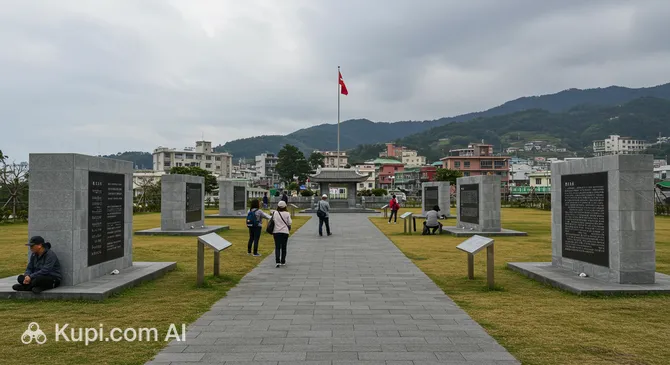
Hualien City. Illustration.
Source: Kupi.com AI

Geographically, Hualien is nestled between the mighty mountains of the Central Range and the vast Pacific Ocean, providing stunning views and a generally pleasant climate throughout much of the year. The city is home to 82,840 people, creating a cozy and hospitable feel that sets it apart from the hustle and bustle of major metropolises.

The crown jewel that draws tourists from around the world is undoubtedly Taroko National Park, with its breathtaking marble gorges, scenic trails, and ancient shrines. Equally popular is the expansive, pebbled Qixingtan Beach, an ideal spot for leisurely strolls, admiring the ocean waves, and flying kites. Additionally, Hualien and its surroundings offer excellent opportunities for outdoor activities, including hiking mountain trails, cycling along the coast, and whale watching.

If you dream of a journey filled with the beauty of wilderness, tranquility, and vivid impressions, Hualien will be a true discovery for you. This city is a wonderful place to take a break from the urban rush and fully enjoy the splendor and diversity of Taiwan's nature.

You can find more interesting facts on the Hualien City history page.
Weather Overview

The weather in Hualien City is characterized by a mild and humid climate throughout the year. Summers, particularly from June to September, are warm: average air temperatures hover around 22-23°C, with maximums reaching 25-26°C. Winters, from December to February, are cool but without severe cold, with average temperatures around 12-14°C and minimums around 10-11°C. A characteristic feature of Hualien's climate is the high frequency of precipitation: there are many rainy days each month (from 23 to 30 days), although the total amount of rainfall is usually moderate, ranging from 8-14 mm per month.

When planning your trip, be prepared for a warm summer with occasional rain and a cool, also quite humid winter. You can learn more about the climatic features of each month on the Hualien City climate page.

Average monthly temperature

Average monthly precipitation

Interesting Facts

Beyond its world-famous natural beauties like the Taroko Gorge, Hualien City hides many surprising stories and lesser-known facts that make it even more alluring for curious travelers. Discover some of them:

Four-Eight Highlands. Illustration.
Source: Kupi.com AI

Traveler photos:

  • Did you know that the name "Hualien" has a poetic past? Originally, the area was called "Kiray" in the language of the indigenous Sakizaya people. Later, Chinese settlers, impressed by the turbulent waters at the mouth of the local river, named it "Huilan" (洄瀾), meaning "whirling waves" or "eddies." Over time, this name was simplified to the modern "Hualien" (花蓮), which translates as "Lotus Flower."

  • Hualien is home to the largest indigenous group in Taiwan – the Amis (阿美族). Their vibrant culture, infectious music, and traditional festivals, especially the Harvest Festival, are an integral part of life in the city and its surroundings, offering tourists a unique opportunity to experience ancient traditions.

  • The scenic Four-Eight Highland (Qixingtan Four-Eight Highland), which offers breathtaking views of Qixingtan Beach, didn't get its name by accident. "Four-Eight" refers to its elevation – approximately 48 meters above sea level. In the past, this location held significant strategic importance, and observant visitors can still find remains of former structures.

  • The famous pebbled Qixingtan Beach (七星潭) bears a name that translates to "Seven Star Lake" or "Seven Star Pond." According to local legend, a long time ago, when looking at the bay from the heights at night, the lights of fishing boats on the water resembled seven bright stars. Interestingly, there is actually no lake here – the name refers to the picturesque bay.

How to Get There

There are several ways to reach the picturesque city of Hualien, the primary one being air travel, especially if you are arriving from abroad. The city also has excellent rail connections with other parts of Taiwan.

The closest airport to the city is Hualien Airport (IATA: HUN), located just 3.7 km from the center. This small airport mainly serves domestic flights, connecting Hualien with major Taiwanese cities like Taipei. A taxi ride from the airport to the city center takes about 10-15 minutes.

For most international travelers, the main gateway to Taiwan is Taiwan Taoyuan International Airport (IATA: TPE). This major international hub is located in Taipei, approximately 126 km from Hualien. From Taoyuan Airport, you can reach Hualien in several ways: take a domestic flight to Hualien Airport (if flights are available) or travel to one of Taipei's railway stations and take a train to Hualien. An express train journey from Taipei to Hualien usually takes between 2 to 3 hours and offers scenic views along the way. A direct taxi ride from Taipei to Hualien is possible but will be significantly longer (about 3-3.5 hours) and more expensive compared to the train or a domestic flight.

Another option is Songshan Airport (IATA: TSA), also located in Taipei (about 119 km from Hualien). This airport serves both some international flights (mostly regional) and domestic ones. From Songshan Airport, it is also convenient to get to Taipei's railway stations for a subsequent train trip to Hualien, or you can look for direct domestic flights to Hualien Airport.

For convenience, here is a summary of the main airports through which you can reach Hualien:

AirportPassenger trafficDistance
Hualien Airport39 1154 km
Taichung Airport2.1 mln100 km
Taichung International Airport2.1 mln104 km
Taipei Songshan Airport5.4 mln119 km
Taiwan Taoyuan International Airport48.7 mln126 km

Rail travel plays a vital role in Taiwan's transport system, and Hualien is a major hub on the eastern railway line. Trains from Taipei, Taichung, Kaohsiung, and other major cities arrive regularly in Hualien, making rail travel a convenient and popular way to reach the city, especially for those already on the island. The train ride also allows you to enjoy Taiwan's beautiful landscapes.

Main Attractions

Hualien City and its surroundings are rich in attractions capable of impressing any traveler. Here are just a few key places to include in your itinerary:

It is impossible to talk about Hualien without mentioning Taroko National Park – a natural wonder of global scale. Its main attraction is the gorge of the same name, carved by the Liwu River through thick marble mountains. Visitors can expect breathtaking views, sheer cliffs, tunnels cut directly into the rock (such as the famous Tunnel of Nine Turns), suspension bridges, and numerous hiking trails of varying difficulty leading to temples, waterfalls, and observation decks. This place is a must-visit for all nature and photography enthusiasts.

Qixingtan Beach is not your typical sandy beach, but a picturesque coastline covered with smooth pebbles, offering magnificent views of the Pacific Ocean. It is a great place for leisurely walks, especially at sunrise or sunset, cycling along the specially equipped path, flying kites, or simply contemplating the powerful waves. Occasionally, you can see aircraft from the nearby airbase, which adds a unique atmosphere to the location.

Located near Qixingtan Beach, Four-Eight Highland offers some of the best panoramic views in Hualien. From this small elevation (about 48 meters above sea level), you get a stunning view of the beach's curve, the endless ocean, and distant mountains. It is a popular spot for photos, particularly at sunset, and for quiet relaxation in nature. Historically, the plateau had strategic importance, and traces of this past can still be noticed today.

Four-Eight Highlands. Illustration.
Source: Kupi.com AI

Traveler photos:

For lovers of art and local flavor, the A-Zone Hualien Cultural and Creative Industries Park is a mandatory stop. Located on the site of a former winery, this park has transformed into a vibrant space with galleries, designer shops, artisan workshops, cozy cafes, and performance venues. Here you can find unique souvenirs, get acquainted with the works of Taiwanese artists, and simply enjoy time in a creative atmosphere.

To experience the true taste of Hualien, head to the Dongdamen Night Market. It is one of the largest and most popular night markets on the east coast of Taiwan. It is divided into several themed zones, including streets with local delicacies, indigenous cuisine, and Chinese dishes. Here you can try all kinds of street food, from grilled squid and oyster omelets to sweet desserts and fruit juices, as well as play arcade games and buy souvenirs. This bright and noisy place is perfect for an evening walk and gastronomic discoveries.

Local Cuisine

The culinary scene in Hualien City will delight you with its diversity and authenticity. Here, the traditions of Taiwan's indigenous peoples, classic Taiwanese cuisine, and, of course, the freshest gifts of the Pacific Ocean are closely intertwined. The city offers many opportunities for delicious discoveries, from street stalls to cozy little restaurants.

Be sure to try the local specialties that have become Hualien's trademark. First is mua-chi (麻糬, mochi) – delicate glutinous rice cakes with various fillings, ranging from sweet bean paste to peanut crumbles. Hualien is famous for its mochi, which is often handmade. Second, you cannot miss bianshi (扁食) – local dumplings or wontons served in a fragrant broth. They are distinguished by their thin dough and juicy meat filling. And, of course, being a coastal city, Hualien offers an abundance of fresh seafood – from fish and shrimp to oysters and squid, prepared in many different ways.

As for drinks, as in all of Taiwan, bubble tea with all sorts of flavors and toppings is popular in Hualien. You can also refresh yourself with freshly squeezed juices from local tropical fruits. For alcoholic beverages, it's worth trying the local Taiwanese beer or, for a stronger experience, the traditional kaoliang liquor made from sorghum.

The dining culture in Hualien is very accessible. Locals and tourists alike enjoy eating at the vibrant night markets, where you can find a huge variety of street food and local delicacies at affordable prices. The Dongdamen Night Market, mentioned earlier, is a prime example of such a place. There are also many small family-run restaurants in the city specializing in specific dishes, as well as larger establishments offering a wide selection of Taiwanese and Chinese cuisine. Hualien's gastronomic scene is a vivid combination of tradition, fresh products, and hospitality that will not leave any gourmet indifferent.

Travel Tips

Welcome to Hualien City! This charming city on Taiwan's east coast is ready to give you an unforgettable experience, especially if you plan to explore the famous Taroko Gorge. To make your journey smooth and comfortable, we've prepared some practical tips.

  1. Clothing and Essentials: The climate in Hualien is humid, with warm summers and mild winters. Be sure to bring a light raincoat or umbrella, as rain is common throughout the year. In summer, light, breathable clothing, sunscreen, and a hat will come in handy. For cool evenings and winter months, pack a sweater or jacket. Comfortable shoes are your best friend, especially if you plan to hike in Taroko National Park or walk along Qixingtan Beach. Don't forget an adapter for electrical appliances (Taiwan uses type A and B sockets, 110V). When visiting temples, such as those in Taroko Gorge, choose modest clothing that covers shoulders and knees.

  2. Transport in and around the city: In Hualien itself, you can get around by local buses, but for more flexibility, especially when visiting Taroko or remote beaches, consider scooter rental (a popular and convenient option, international license required) or car rental. Taxis are easy to find at the station and main attractions; make sure the driver turns on the meter or agree on a price beforehand for long trips. Bicycles are a great choice for rides around town and along the coast.

  3. Finances and Payments: The local currency is the New Taiwan Dollar (NTD). You can exchange currency at banks (usually the best rate), the airport, or some hotels. Credit cards (Visa, Mastercard) are accepted in most hotels, large stores, and restaurants. However, at night markets like Dongdamen and in small shops, it's better to have cash on hand. ATMs are widespread and many work with international cards. Tipping is generally not expected in Taiwan, as a 10% service charge is often already included in restaurant bills.

  4. Health and Safety: Hualien City is considered very safe. Standard precautions, such as watching your belongings in crowded places, are applicable. Pharmacies (e.g., Watsons or Cosmed chains) are easy to find, but not all staff may speak English. In case of serious medical needs, the city has large hospitals like Hualien Tzu Chi Hospital. It is recommended to have travel insurance. Eastern Taiwan is prone to earthquakes and typhoons (especially in summer and autumn), so keep an eye on local news and warnings.

  5. Communication and Connectivity: The official language is Mandarin Chinese. In tourist spots, hotels, and among the youth, many speak English, but knowing a few basic Mandarin phrases (e.g., "Ni hao" - hello, "Xiexie" - thank you) will be very helpful and appreciated. You can buy a local SIM card with internet access at the airport upon arrival in Taiwan or at mobile stores in Hualien. Free Wi-Fi (iTaiwan) is available in many public places, including stations and tourist centers.

  6. Local Etiquette and Interaction: Taiwanese people are very friendly and hospitable. You can greet people with a light nod. In public places, especially on transport, try to be quiet. Queueing is the norm. If offered a treat or a gift, accept it with both hands. When photographing people, especially members of indigenous groups, it's best to ask for permission.

  7. Things to Avoid: Try not to stick your chopsticks vertically into a bowl of rice, as this resembles ritual incense for the deceased. Also, avoid writing people's names in red ink, as this has negative connotations. Overall, a respectful attitude toward local traditions and customs will help avoid misunderstandings.

  8. Extra Tip for Hualien: If your trip coincides with the Amis Harvest Festival (usually in July-August), try to attend this colorful event—it's a unique opportunity to experience indigenous culture. Also, remember that trains to/from Hualien, especially on weekends and holidays, should be booked in advance as they are in high demand.

We hope these tips help you better prepare for your trip and fully enjoy all the wonders Hualien City and its incredible nature have to offer. Have a pleasant journey!

Entertainment & Nightlife

In the evening, Hualien City offers its own special charm, distinct from the frantic pace of larger cities. While the city is better known for its natural beauty, you can still find pleasant ways to spend the evening and soak up the local atmosphere. The nightlife here is more relaxed and cozy rather than boisterous and club-oriented.

The main center for evening entertainment is undoubtedly the Dongdamen Night Market. It’s not just a place to eat well, but a lively space for walking, playing games, and socializing. The market usually stays open until late evening, offering guests a variety of Taiwanese delicacies, drinks, and souvenirs. The atmosphere here is always festive and crowded, making it an excellent spot for people-watching and enjoying the evening.

In addition to the night market, Hualien City has several areas where you can find bars and pubs. Their main concentration is in the city center, on the streets adjacent to the main transport arteries and the train station. Here you can find cozy little establishments serving local beer and snacks, as well as bars with more modern music. The crowd is mostly local, along with tourists relaxing after daytime excursions. The dress code is usually casual, and the atmosphere encourages conversation. Many bars stay open until midnight or slightly later, especially on weekends. While specific bar or club names aren't listed, a stroll along central streets like Zhongshan Road or Heping Road will help you find a spot to your liking.

Regarding nightclubs in the traditional sense, Hualien City is not a major clubbing hub. Instead, evening entertainment is often centered around karaoke bars (KTV), which are very popular in Taiwan, or live music in some restaurants and pubs. If you are specifically looking for dance clubs, your options will be limited.

Practical tips for evening leisure: The best time to visit the night market is after 19:00, when it fully comes to life. For getting around at night, taxis are most convenient. They can be found near the market, hotels, or called by phone. Make sure the driver turns on the meter. Hualien City is generally safe for nighttime walks, especially in the central and tourist areas. However, as with anywhere, you should follow basic safety precautions.

During the day, Hualien City also offers various entertainment options. You can visit the A-Zone Hualien Cultural and Creative Industries Park, which often hosts exhibitions and events, or explore local temples. For nature lovers, the picturesque surroundings are always open, including Four-Eight Highland, which offers beautiful views. The city also has small museums dedicated to local history and culture.

Parks & Museums

Hualien City is not only the gateway to majestic natural wonders but also a place where you can enjoy peaceful green zones and get acquainted with a rich cultural heritage through its museums and historical corners. The city offers a pleasant mix of park spaces for relaxation and interesting exhibits that reflect its identity.

Among Hualien's green oases, Pine Garden (松園別館) stands out. This historical site, located on a picturesque hill overlooking the ocean, is enveloped in the tranquility of century-old pine trees. Once a Japanese naval office, it is now a popular spot for leisurely walks and frequently hosts art exhibitions. Its unique atmosphere and beautiful scenery attract both locals and tourists seeking peace and inspiration.

For those who prefer active recreation in nature without traveling far from the city, Meilunshan Park (美崙山公園) is a perfect choice. This expansive park, spread across a hill, offers visitors a network of hiking trails leading to observation decks with panoramic views of Hualien and the coast. It also has spots for picnics and sports, making it a favorite relaxation spot for residents.

One cannot overlook the coastal recreation areas, such as Beibin Seaside Park (北濱公園). Stretching along the oceanfront, this park is ideal for cycling on specially equipped paths, morning jogs, or simply enjoying the sea breeze and the view of the Pacific Ocean. You can often see locals practicing Tai Chi or flying kites here.

To dive deeper into the region's culture and art, it is worth visiting the Hualien County Stone Sculpture Museum (花蓮縣石雕博物館). Hualien County is famous for its stone-working traditions and talented craftsmen, and this museum presents an impressive collection of works by both local and international sculptors. The exhibits cover various styles and techniques, from traditional to contemporary, making it a must-visit for art lovers.

An interesting place to learn about the city's history and development is the Hualien Railway Culture Park (花蓮鐵道文化園區). Located on the grounds of the old railway station, it preserves historical buildings, sections of track, and various artifacts that tell the story of the vital role the railway played in the life of eastern Taiwan. It is a sort of open-air museum where you can enjoy a pleasant walk and learn much about the history of transport in the region.

For a unique cultural experience, a visit to the Chihsing Tan Katsuo Museum (七星柴魚博物館), located near the beach of the same name, is recommended. This small but very informative museum is dedicated to the traditional fishing and production of katsuobushi (dried bonito flakes), which was historically important to the local economy. Visitors can learn about the manufacturing process, its history, and even try dishes that use it.

For a more authentic experience, beyond the large museums, don't pass by the small art galleries and craft workshops found, for example, in the A-Zone Hualien Cultural and Creative Industries Park or simply while walking through the city's quieter streets. It is also worth visiting one of the local temples, such as Sheng An Temple, to touch upon the daily spiritual life of Hualien's residents.

Getting Around

Getting around Hualien City and its immediate surroundings is fairly straightforward, even though the city does not boast an extensive metro system like major metropolises. The core of public transport here consists of buses, which connect various city districts and take passengers to popular tourist sites, including Taroko National Park.

The bus network in Hualien is operated by several companies, including Hualien Bus and Taroko Bus. Routes cover both the city center and more remote areas, as well as tourist destinations like Qixingtan Beach and the entrance to Taroko Gorge. Buses are generally modern and air-conditioned. Schedules can be found at stops, on bus company websites, or through navigation apps.

The payment system for Hualien's buses is quite convenient. You can pay your fare in cash upon boarding (it's recommended to have exact change, as drivers may not provide change). A much more convenient option is using universal rechargeable smart cards, such as EasyCard (悠遊卡) or iPASS (一卡通). These cards are widely used throughout Taiwan and are accepted not only on transport but also in many shops. You need to tap the card on the reader when entering the bus, and on some routes (especially intercity or tourist ones), also when exiting for correct fare calculation. You can purchase and top up these cards at convenience stores (e.g., 7-Eleven, FamilyMart), at train stations, and at airports. Fare depends on the distance; city trips are usually inexpensive.

Practical tips for tourists: Bus stops are marked, but the information isn't always translated into English, so it's useful to have your destination's name in Chinese or use online maps. Buses run on schedule, but slight delays are possible during peak hours or due to traffic. Operating hours for most city routes are roughly from early morning to late evening. Special tourist buses (e.g., to Taroko) may have their own specific schedules.

Besides buses, popular alternatives for getting around Hualien and its surroundings include: Taxis: Readily available, especially at the railway station, airport, and major attractions. Ensure the driver turns on the meter or agree on a price in advance for long trips (e.g., to Taroko). Scooter Rental: A very popular way to get around, offering maximum freedom. International driving permits are usually required for rental. Scooters allow you to easily explore both the city and the surrounding natural beauty. Bicycle Rental: An excellent choice for leisurely rides through the city, along the waterfront (e.g., near Qixingtan Beach), or on dedicated cycling paths. Rental points can be found in the city center and near popular tourist spots. Walking: Hualien's center is quite compact, and many interesting places, shops, and cafes are within walking distance of each other.

There are no unique historical modes of transport in Hualien like old subways or cable cars within the city itself (except those that might be part of tourist attractions in the mountains). The main focus is on bus services and individual transport, which perfectly suits the city's size and the needs of tourists who come here primarily for the nature.

Accommodation

In Hualien City, travelers will find a variety of accommodation options to suit any budget and preference. The city offers a wide range of lodging: from budget hostels and cozy guesthouses (minsu), which are very popular in Taiwan and allow for a deeper immersion into local culture, to comfortable mid-range hotels and a small number of more upscale options. Apartments and rooms for short-term rent are also available, which can be convenient for families or long stays.

When choosing a place to stay, it's worth paying attention to a few key areas. Many tourists prefer staying near Hualien Railway Station as it provides easy access to transport for trips to Taroko National Park and other parts of the island. The downtown area is attractive for its proximity to the Dongdamen Night Market, restaurants, shops, and cultural sites. For those seeking a quieter atmosphere and beautiful views, accommodation options near Qixingtan Beach are suitable, although it is located a bit away from the main city center.

While specific hotel names haven't been provided in this context, rest assured that Hualien City has many well-regarded hotels and guesthouses. You can find both modern hotels with a full range of services and charming family-run guesthouses offering a more personalized touch. The choice is truly extensive and depends on your individual needs and budget.

When planning your trip, especially during peak tourist season (such as national holidays or major events like the Taroko Marathon), it is highly recommended to book accommodation in advance. Prices vary from very affordable in hostels to moderate and high in higher-class hotels. The most common booking methods are popular international online platforms like Booking.com or Agoda, as well as direct booking through hotel or guesthouse websites.

Nearby Cities

For those who want to explore the surrounding area, Hualien City serves as an excellent starting point for day trips to several interesting nearby locations.

For instance, the city of Yilan, located about 80 km to the north, attracts travelers with its National Center for Traditional Arts, where you can experience Taiwanese culture, as well as the opportunity to relax at the famous Jiaoxi hot springs. It is a wonderful place for cultural enrichment and relaxation.

Another popular option is Luodong, also located in Yilan County, about 77 km from Hualien. It is famous for one of Taiwan's largest and liveliest night markets, where you can sample many local delicacies. Additionally, Luodong features the Forestry Culture Park, which introduces the history of the region's logging industry.

Below is a table with some nearby cities that might be interesting for short trips from Hualien City:

CityPopulationDistance
Hualien110 0001 km
Xincheng20 3085 km
Shoufeng17 11916 km
Xiulin17 06827 km
Fenglin10 55232 km

These nearby destinations allow for a more complete understanding of the diverse culture, history, and natural landscapes of eastern and central Taiwan, complementing the experience of staying in Hualien.

Shopping & Souvenirs

Hualien City, primarily known for its natural beauty, also offers opportunities for pleasant shopping, especially if you are looking for authentic local goods and souvenirs. The city is not a hub for global brands like Taipei, but here you can find unique items reflecting the culture of eastern Taiwan and the skill of local artisans.

The city's main commercial arteries, where most shops are concentrated, are Zhongshan Road and Zhongzheng Road. Strolling along them, you will find many small shops offering clothing, shoes, accessories, as well as local delicacies and tea shops. The atmosphere here is more relaxed than in the large shopping malls of major cities.

If you prefer larger shopping formats, Hualien has a few department stores, such as the Far Eastern Department Store (Hualien). Here you can find a wider range of products, including well-known clothing, cosmetics, and electronics brands. However, the main focus of shopping in Hualien is still toward local markets and specialized stores.

The main place for evening shopping and gastronomic discoveries is undoubtedly the Dongdamen Night Market. While it is famous primarily for street food, you can also find rows with clothing, accessories, toys, and small souvenirs. Daytime markets in Hualien are more oriented toward fresh produce, but you can sometimes encounter interesting local crafts there as well.

Souvenirs worth bringing from Hualien City include: Mochi (Mua-chi) – the famous glutinous rice cakes with various fillings, considered the city's trademark. Stone and Jade Crafts – Hualien is known for its marble quarries, so you can find beautiful sculptures, jewelry, and other stone souvenirs here. Indigenous Handicrafts – especially items from the Amis tribe culture, such as textiles, jewelry, and carved items. Local Tea, for example, Oolong from the mountains of the east coast, or other agricultural products like honey or preserved fruits.

Most shops in Hualien City are typically open from 10:00-11:00 AM to 9:00-10:00 PM. Night markets start operating closer to the evening, around 6:00 PM, and continue until midnight or even later. Regarding payment, cash (New Taiwan Dollar, NTD) is preferred in small shops and at markets. Department stores and larger shops accept credit cards (Visa, MasterCard). Mobile payments and smart cards like EasyCard or iPASS are also widely used for small purchases in chain stores.

For tourists in Taiwan, a Tax Free Shopping (TRS) refund system is available. If you make purchases of a certain amount (usually starting from 2000 NTD in one store in one day), you can apply for a VAT refund. Look for stores with the "Tax Free" logo and don't forget to present your passport when purchasing and processing refund documents.

Reached the end of the page?

That means the route is fully explored