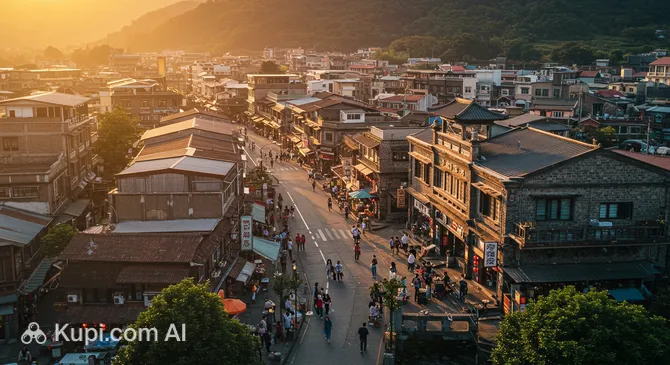
Wujie is a charming town nestled in a picturesque valley in northeastern Taiwan, within Yilan County. Its prime location, just a few kilometers from the Pacific coast, makes Wujie an excellent starting point for exploring the region's natural treasures: from rivers and emerald rice fields to stunning seascapes. Every day here is filled with vibrant colors that invite discovery.
With a population of about 40,750 residents, Wujie maintains a cozy and leisurely atmosphere while serving as one of the administrative centers of Yilan County. The town plays an important role in the local economy and culture, carefully preserving a traditional way of life while remaining open to new trends. There is a special harmony in Wujie, where you can immerse yourself in the steady pace of local life and get to know the unique culture of the northeastern part of the island.
Wujie. Illustration.
Source: Kupi.com AI
Wujie attracts travelers with its unique atmosphere, where ancient traditions harmoniously coexist with modern comfort. Guests can enjoy magnificent nature, exploring the picturesque surroundings, and discover the distinctive culture of northeastern Taiwan. Many come here seeking tranquility and leave with warm memories of local hospitality, delicious food, and stunning landscapes.
If you are looking for a place for a peaceful getaway, an introduction to authentic Taiwanese culture, and an opportunity to enjoy scenic nature, Wujie will be a pleasant discovery and will provide a wealth of unforgettable impressions.
You can find more interesting facts on the history of Wujie page.
Weather Overview
The weather in Wujie is characterized by a warm and humid climate. Expect warm summers here with frequent rain, with average temperatures in June, July, and August hovering around 25-26°C, and maximums reaching 27-29°C. Winters are mild but also rainy, with average temperatures in January and December around 14-15°C. The highest amount of precipitation usually falls in October (about 17 mm), while May and June stand out with the highest number of rainy days (27 and 28 days respectively). Even in relatively "dry" months like March and February, rain is not uncommon, although the total amount of precipitation during these periods is lower.
To get a more detailed idea of weather conditions in different seasons and plan your trip in the best way, we recommend checking the detailed information on the Climate of Wujie page.
Average monthly temperature
Average monthly precipitation
Interesting Facts
In addition to its well-known attractions, Wujie hides many interesting details and unexpected facts that make it even more appealing to curious travelers. The town has prepared several surprises that can reveal its character in a new light.
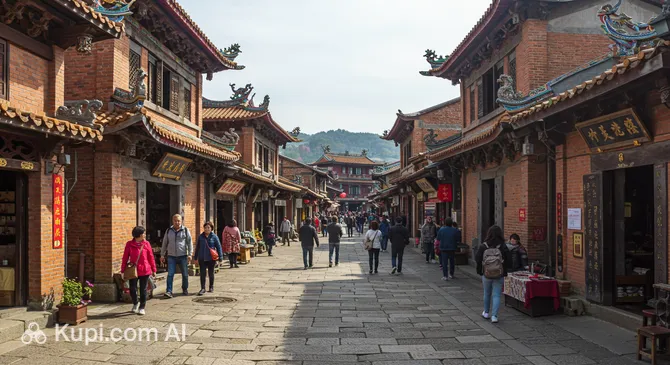
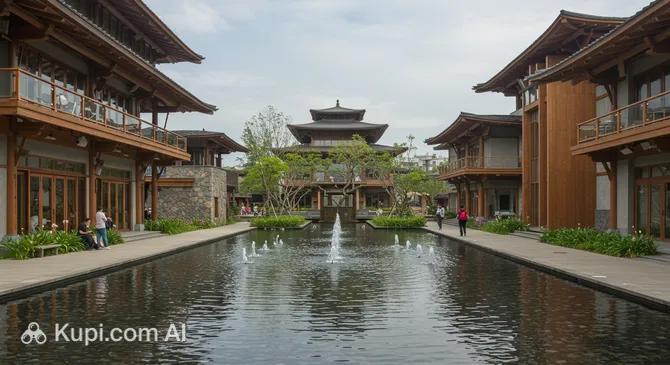
National Center for Traditional Arts. Illustration.
Source: Kupi.com AI
Traveler photos:
Wujie is an important part of the large-scale "Northeast Coast" tourism project. This project unites 14 towns and villages in the region with the aim of turning northeastern Taiwan into an international tourism hub showcasing its unique culture and natural riches.
In the town and its surroundings, ancient traditions of folk crafts are carefully preserved. Basket weaving, pottery, and other crafts are still practiced here today. You can dive deeper into the world of Taiwanese art and even participate in workshops by visiting, for example, the National Center for Traditional Arts.
Yilan County, of which Wujie is a part, is famous for its duck production. This gastronomic specialty is reflected in the tourism sector as well: the town has a curious Duck Shack Museum, where you can learn more about this industry which is so important to the region.
Thanks to its riverside location, Wujie offers excellent opportunities for water recreation and vibrant events. For instance, the Dongshan River Water Park is not only a popular spot for family leisure but also a venue for various annual festivals that attract many guests.
How to Get There
The most convenient way to reach Wujie, nestled in Yilan County in northeastern Taiwan, is by air followed by a ground transfer. Wujie does not have its own airport, but several of Taiwan's major air hubs are within reachable distance.
The main international hub through which most tourists arrive in Taiwan is Taiwan Taoyuan International Airport (TPE). It is located in Taipei, approximately 71.8 km northwest of Wujie. This is the country's largest airport, receiving flights from all over the world. A trip from Taoyuan Airport to Wujie by taxi, bus, or a combination of public transport usually takes about 2 to 2.5 hours, depending on traffic.
Another convenient option is Songshan Airport (TSA), also located in Taipei but slightly closer to Wujie—at a distance of about 48.9 km. This airport primarily serves domestic flights and some international destinations within Asia, which can be convenient for those arriving from neighboring countries or transferring in Taipei. Reaching Wujie from Songshan Airport takes about 1.5 to 2 hours.
For those traveling from other regions of Taiwan or preferring less busy airports, you might consider flying into Hualien Airport (HUN). It is located in Hualien City, about 75.5 km south of Wujie. This regional airport mainly serves domestic flights. The travel time to Wujie from here is about 2 to 2.5 hours.
For clarity, here is summary information on the main airports used to reach Wujie:
After arriving at one of the airports, you can reach Wujie by long-distance buses, shuttle vans, regular taxis, or by renting a car. It is recommended to check local transport schedules in advance or consider booking a private transfer for greater convenience.
Main Attractions
Wujie, a charming town in Taiwan's Yilan County, offers travelers many interesting places to experience local culture and nature. Everyone will find something to enjoy here, from traditional arts to active water recreation.
One of the town's main gems is the National Center for Traditional Arts. This large-scale complex is dedicated to preserving and promoting Taiwanese heritage. Visitors can stroll through recreated old streets, watch performances by folk groups, learn about traditional crafts, and even participate in workshops. The center is perfect for a deep dive into Taiwan's culture and understanding its roots.
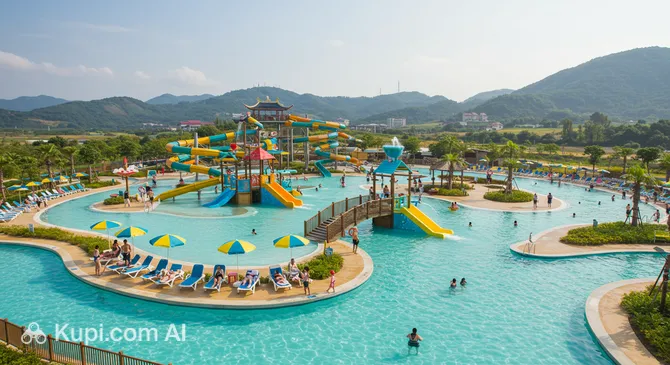
For outdoor enthusiasts and families with children, the Dongshan River Water Park is an excellent choice. This expansive park offers a variety of water activities, especially popular during the warmer months. Here, you can not only cool off but also enjoy scenic views, take a walk, or ride a bike along specially equipped paths by the river. The park is also famous for hosting the annual International Children's Folklore and Folkgame Festival, which attracts guests from all over the world.
Dongshan River Water Park. Illustration.
Source: Kupi.com AI
Traveler photos:
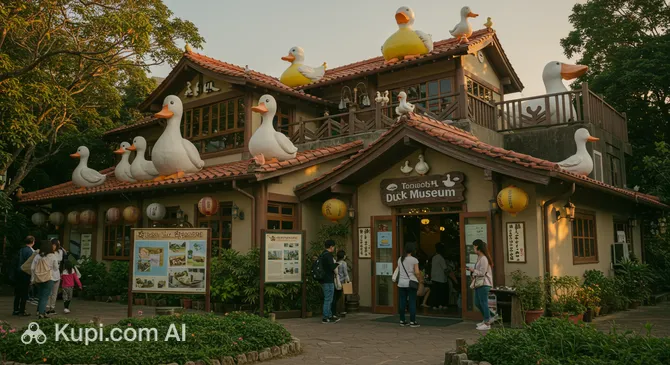
An unusual and educational spot is the Duck Shack Museum. Yilan County is famous for its duck production, and this museum provides a unique opportunity to learn more about this important industry for the region. The exhibition tells the history of duck breeding, different breeds, and technologies. This place will be interesting for both adults and children, offering a fun and educational experience.
Duck Shack Museum. Illustration.
Source: Kupi.com AI
Traveler photos:
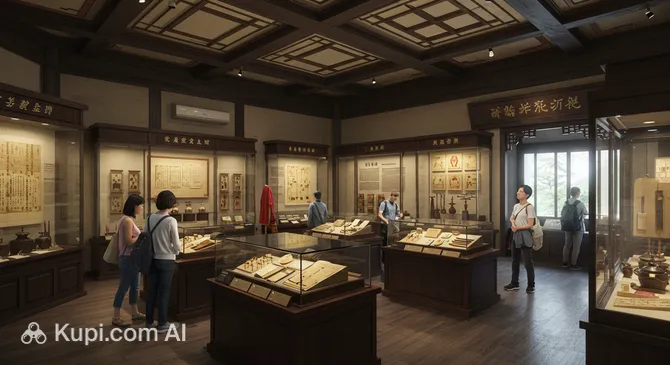
Another noteworthy location is the Den Yi Museum of Traditional Chinese Medicine. Here, visitors can learn about the ancient practices and principles of Chinese medicine. The center often hosts exhibitions dedicated to medicinal herbs, acupuncture, and other healing methods. It is a wonderful opportunity to broaden your horizons and learn about traditional approaches to health that have been used in Asia for centuries.
DengYi Traditional Chinese Medicine Experience Center. Illustration.
Source: Kupi.com AI
Traveler photos:
Local Cuisine
The cuisine of Wujie is a true gastronomic journey where the main roles are played by the freshest gifts from the sea and the fertile land of the Yilan region. Proximity to the coast and rivers ensures an abundance of fresh seafood, which forms the basis of many local dishes. If you want to get acquainted with the authentic flavors of Taiwan, Wujie will not disappoint you.
Among the dishes definitely worth trying are culinary masterpieces made from fresh fish, such as fragrant fried fish, and shrimp in spicy sauces. Hearty seaweed soups are also popular. An integral part of the local meal is rice dishes: look out for a variety of rice cakes and sweet rice balls with fillings. A true culinary signature is the "Yilan Cake"—a traditional delicacy that is best sampled right here.
Street food in Wujie is a separate adventure and an important part of the local food culture. At bustling markets and small street stalls, you will be offered appetizing scallion pancakes, fresh seasonal fruits, and various local pickles. Among the drinks, local tea deserves special mention—it is grown and brewed here according to ancient recipes, revealing the full depth of its flavor. Refreshing herbal and fruit-based drinks are also popular for quenching thirst.
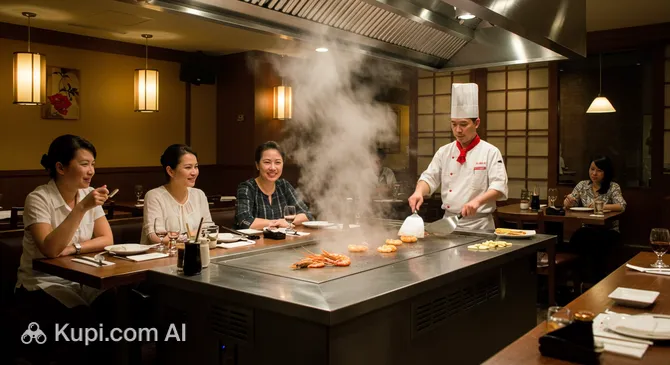
Shen Yen Teppanyaki. Illustration.
Source: Kupi.com AI
Traveler photos:
Locals and tourists alike often choose both small family restaurants and lively street stalls for their meals, where you can have a quick and delicious snack. To enjoy the skill of chefs while watching the preparation of dishes, you can visit one of the local establishments, such as Shen Yan Teppanyaki, which offers teppanyaki-style dining. The gastronomic scene in Wujie is very lively and diverse, and food festivals often take place throughout the year, allowing for an even deeper immersion into the culinary traditions of the region and all of Taiwan.
Travel Tips
Planning a trip to charming Wujie? Wonderful! To ensure your journey goes smoothly and leaves only pleasant impressions, we have prepared some practical tips.
Clothing and items for the season: Taiwan, where Wujie is located, has a subtropical climate. In summer (roughly May to September), it is hot and humid, so bring light, breathable clothing made of natural fabrics, a hat, and sunscreen. In winter (December to February), the weather is mild, but it can be cool in the evenings—layered clothing, a sweater, or a light jacket will be useful. A raincoat or umbrella won't go amiss at any time of year, especially considering potential rain and the typhoon season (summer-autumn). A key point is comfortable walking shoes, as there is much to see on foot in Wujie and its surroundings. Don't forget a universal adapter for electronics (Taiwan uses Type A and B sockets, 110V).
Getting around town: In Wujie and across Yilan County, you can travel on local buses—this is an economical option. Taxis are also available but will cost more. For greater flexibility and exploring the surroundings, consider renting a scooter (if you have an international driver's license of the appropriate category) or a bicycle, especially if you plan to go out into nature. Check upon arrival for the availability of taxi-hailing apps, as their operation may be limited outside of major cities.
Financial matters: The local currency is the New Taiwan Dollar (TWD). You can exchange currency at banks or exchange points at the airport and in major cities. Credit cards (Visa, Mastercard) are widely accepted in hotels, restaurants, and large stores. However, at local markets, in small shops, and for paying fares on some types of transport, it's best to always have cash with you. ATMs are quite common. The tipping culture in Taiwan is not as developed as in some other countries; tips are usually not mandatory but are always welcome for excellent service.
Health and safety:Wujie, like Taiwan in general, is considered a very safe place for tourists. Pharmacies (look for the characters 藥局 on signs) are not hard to find, but not all of them work 24/7. If serious medical help is needed, it's better to go to hospitals located in the larger cities of Yilan County. Follow standard precautions: watch your belongings in crowded places and drink bottled or boiled water.
Language and communication: The official language is Mandarin Chinese (traditional script is used). In tourist areas of Wujie and among young people, some may speak English, but you shouldn't count on it everywhere. Learn a few basic Mandarin phrases like "Nihao" (你好 - hello) and "Xiexie" (謝謝 - thank you)—this will help a lot with communication and will be appreciated by the locals. You can purchase a local SIM card with internet access at the airport upon arrival or at communication stores. Wi-Fi is fairly common in hotels, cafes, and some public places.
Local etiquette: Taiwanese people are known for their friendliness and politeness. A greeting usually involves a slight nod of the head; handshakes are more common in business settings. Show respect to elders. When giving or receiving items (such as business cards, money, or gifts), it is customary to use both hands. In public places, especially on transport, try not to speak too loudly. When visiting temples, behave discreetly and respectfully.
Things to avoid: Try not to stick your chopsticks vertically into a bowl of rice—this is associated with funeral rituals and is considered a bad sign. It is not customary to point at people with your finger. Also, be careful about discussing political topics if you're not sure of the person's views, to avoid awkward situations.
Special tip for Wujie: One of the main gems of Wujie is the National Center for Traditional Arts. Be sure to set aside a few hours or even half a day to visit it and immerse yourself in the culture and art of Taiwan. Additionally, Yilan County, where Wujie is located, is famous for its picturesque landscapes, hot springs, and delicious local cuisine—don't miss the chance to explore these too!
We hope these tips make your stay in Wujie as comfortable and fulfilling as possible. We wish you an unforgettable journey and vibrant discoveries in this corner of Taiwan!
Entertainment & Nightlife
Evening in Wujie offers guests a calm and cozy experience rather than rowdy parties until dawn. This town in Yilan County is a great place to soak up the local atmosphere, enjoy delicious food, and relax after a busy day. There are no prominent nightlife districts like in major metropolises, but there are definitely charms for evening leisure.
In the evening, the primary focus in Wujie should be on gastronomic delights. The town is full of restaurants and cafes offering both traditional Taiwanese dishes and other Asian cuisines. Dining establishments can be found in the busier central parts of town, along main streets, and near hotels. For example, you can visit Shen Yan Teppanyaki to enjoy the chefs' skill and fresh ingredients, or stop by Good Time Brunch for a pleasant dinner. Resort hotels, such as Loherb Sunlight Yilan, also often have their own restaurants or lounge bars where you can spend the evening in a comfortable setting. The atmosphere in these venues is usually relaxed and welcoming.
Shen Yen Teppanyaki. Illustration.
Source: Kupi.com AI
Traveler photos:
While Wujie is not famous for large nightclubs, you can find small local bars where it is pleasant to spend time with a drink in the company of friends. These establishments are most often concentrated in more crowded areas or may be part of hotel complexes. Be sure to look out for night markets if you encounter any during your trip—they are an integral part of Taiwanese culture, where you can try street food, buy souvenirs, and simply immerse yourself in the lively local life. It is worth noting that operating hours for most places might not be as late as in big cities, so it is better to plan your evening in advance, especially on weekdays.
In terms of practical tips, the dress code in most places in Wujie is quite casual—comfortable everyday wear is perfectly appropriate. For getting around in the evening, using a taxi is most convenient; your hotel staff can always help with calling a car. Prices in Wujie establishments are generally moderate, making evening relaxation accessible to most tourists.
Regarding safety, Wujie, like Taiwan as a whole, is considered a very safe place. Most areas of the town are safe for evening walks. Nevertheless, you should always follow standard precautions: stick to well-lit streets, especially if walking late at night alone, and keep an eye on your belongings.
During the day, there is also plenty to do in Wujie. Culture lovers can visit the National Center for Traditional Arts to learn about the region's rich heritage. Other interesting places for a daytime visit include the Den Yi Museum of Traditional Chinese Medicine, Dongshan River Water Park, or the Duck Shack Museum, each offering unique experiences.
National Center for Traditional Arts. Illustration.
Source: Kupi.com AI
Traveler photos:
Parks & Museums
Wujie, a charming corner of Taiwan, offers its guests a harmonious blend of natural beauty and rich cultural heritage. Here, you can enjoy the tranquility of green zones and immerse yourself in local traditions through fascinating museums and historical sites.
The main green gem of Wujie is undoubtedly the Dongshan River Water Park. This is a vast space for recreation and entertainment, particularly popular during the warmer months. The park offers various water attractions, bicycle paths along the scenic Dongshan River, and picnic areas. It is perfect for family vacations and active outdoor pastimes. Festivals and cultural events are often held here, including the famous Yilan International Children's Folklore and Folkgame Festival.
Dongshan River Water Park. Illustration.
Source: Kupi.com AI
Traveler photos:
In addition to this large park, other small squares and green areas can be found around Wujie, providing pleasant places to stroll and escape the urban bustle while enjoying the natural beauty of Yilan County.
For those seeking a deeper understanding of the region's culture and history, Wujie offers several unique museums. One of the most significant is the National Center for Traditional Arts. This large-scale complex is dedicated to preserving and showcasing Taiwanese folk arts and crafts. Visitors can watch traditional theater performances, observe master craftsmen at work, visit themed exhibitions, and even try their hand at some crafts. This place allows you to immerse yourself in the authentic atmosphere of Taiwanese culture.
National Center for Traditional Arts. Illustration.
Source: Kupi.com AI
Traveler photos:
Another interesting spot is the Den Yi Museum of Traditional Chinese Medicine. This museum introduces ancient practices and the philosophy of Chinese medicine, featuring displays of medicinal herbs, tools, and treatment methods. It is an educational journey into the world of Eastern wisdom and health care.
DengYi Traditional Chinese Medicine Experience Center. Illustration.
Source: Kupi.com AI
Traveler photos:
Fans of unusual exhibitions should visit the Duck Shack Museum. It is dedicated to the history of duck breeding in the Yilan region, which is an important part of the local agricultural culture. Here, you can learn many interesting facts about traditional farming methods and even taste duck products.
Duck Shack Museum. Illustration.
Source: Kupi.com AI
Traveler photos:
Among the architectural landmarks, the Eternal Water Chapel stands out. This modern structure with an interesting design, located in a picturesque setting, often attracts photographers and admirers of contemporary architecture. While not an ancient monument, the chapel has become a symbol of harmony between nature and human creativity.
Eternal Water Chapel. Illustration.
Source: Kupi.com AI
Traveler photos:
For more authentic experiences, do not limit yourself only to the major tourist sites. Stroll through local streets and peek into small markets where you can try fresh farm products and observe the daily lives of the residents. Sometimes the most vivid impressions are hidden away from the well-trodden tourist paths.
Getting Around
Getting around Wujie and its surroundings can be done in several ways, but the main emphasis of the public transport system is on bus services. The town does not have a subway or tram lines, which is typical for settlements of this size.
Buses are the main form of public transport in Wujie. The route network connects different parts of the town and provides links to neighboring settlements in Yilan County. Buses are usually easy to recognize by their appearance and route number. To board a bus, it is customary to signal the driver by raising your hand, and to exit, you must press the stop signal button in the cabin in advance.
The fare payment system in Wujie is quite convenient. The most common method is using the EasyCard (悠遊卡) transport card, which is accepted on most buses throughout Taiwan. This card can be purchased and topped up at convenience stores (e.g., 7-Eleven, FamilyMart), at stations, or in special vending machines. Paying with a card is often cheaper than with cash. It is also possible to pay the fare in cash directly to the driver, but in this case, it is recommended to have the exact amount as change may not be given. The approximate cost of a bus trip is low and depends on the distance.
Buses in Wujie usually run from early morning until evening. Exact schedules and intervals can vary depending on the route and the day of the week (weekdays or weekends). Information on routes and schedules can be found at bus stops or on specialized websites and apps. Additionally, Wujie has a railway station with trains passing through that connect the town to other parts of Yilan County and larger cities in Taiwan. Trains can be convenient for longer trips across the region.
In addition to public transport, alternative ways of moving around are available in Wujie. Taxis can be found at stands or called by phone. Given the picturesque surroundings, bicycle rentals can be popular, especially for leisurely rides and sightseeing. Car-sharing services are less common compared to major cities.
Accommodation
In the town of Wujie, travelers will find a variety of accommodation options to suit different preferences and budgets. There are economical guesthouses and small hotels, as well as comfortable mid-range hotels and resort complexes offering a wide range of services. Apartment rentals are also available, which can be convenient for families or long-term stays.
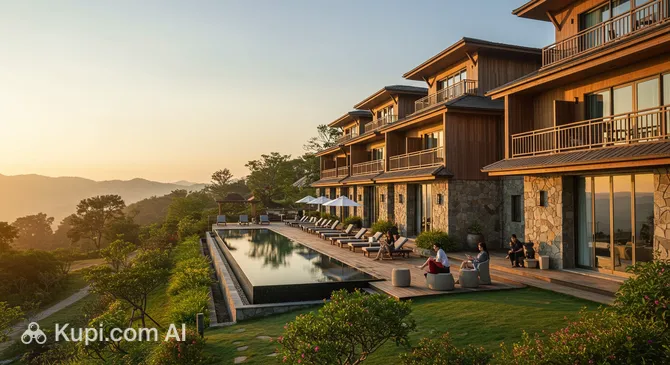
When choosing a place to stay, it is worth paying attention to areas close to major attractions, such as the National Center for Traditional Arts or Dongshan River Water Park, as well as those with convenient transport links. Although Wujie does not have clearly defined tourist enclaves, many hotels are located to provide easy access to interesting sites and restaurants. Notable options include the Loherb Sunlight Yilan resort hotel, which offers comfortable accommodation.
Loherb Sunlight Yilan. Illustration.
Source: Kupi.com AI
Traveler photos:
The price range for housing in Wujie varies from budget to high-end, depending on the level of comfort and services provided. You can book accommodation through popular online platforms or directly on hotel websites. It is recommended to book your stay in advance, especially if your trip coincides with the peak tourist season or public holidays, to ensure the best choice and prices.
Nearby Cities
For those looking to explore the surrounding area, Wujie serves as an excellent starting point for day trips to several interesting nearby locations:
One of the most popular destinations is Taipei, the vibrant capital of Taiwan. Located just 45 kilometers from Wujie, Taipei offers a rich cultural program, modern skyscrapers, numerous markets, and excellent cuisine, making it ideal for a packed day trip.
Very close by, only 6 kilometers away, is Yilan. This city attracts visitors with its picturesque landscapes, hot springs, and calm atmosphere, offering a great opportunity for a relaxing getaway and a chance to experience a local culture that differs from the bustle of Wujie.
These nearby destinations provide a glimpse into the diverse culture and landscapes of the region.
Shopping & Souvenirs
While Wujie may not be a major shopping hub compared to the metropolises of Taiwan, it offers its own unique opportunities for purchasing authentic goods and souvenirs. Here, the focus shifts from massive shopping malls to finding locally-made products that reflect the culture and traditions of the Yilan region.
In Wujie, there are no clearly defined huge shopping streets lined exclusively with stores. Instead, interesting stalls and small shops can be found by strolling through the central parts of town or near popular tourist sites. Special attention should be paid to areas adjacent to cultural attractions, where souvenir shops and workshops are often located.
Large modern shopping centers are not a characteristic feature of Wujie. Shopping here is more about visiting small specialty stores and boutiques where you can find unique items. If you are looking for more large-scale shopping, it might be worth considering a trip to larger cities in Taiwan.
Although there are no major markets in the provided list of attractions, in Wujie, as in many Taiwanese towns, you may stumble upon small local markets. These can be morning markets offering fresh produce, local delicacies, and snacks, or small weekend markets where locals sell handmade items. Visiting such a market is a great way to immerse yourself in the local atmosphere.
The primary place to find authentic souvenirs and traditional crafts is undoubtedly the National Center for Traditional Arts. Here you can buy unique handmade items, ceramics, textiles, art pieces, and much more, which will serve as a wonderful reminder of your trip to Wujie. It is also worth looking out for local teas, pastries (such as pineapple cakes), and other products characteristic of the Yilan region.
Most shops in Wujie, as in Taiwan generally, typically open around 10:00-11:00 and stay open until 21:00-22:00. Small stalls and markets may have their own more flexible schedules. Most shops and restaurants accept credit cards; however, at markets and in small family-owned stores, it is preferable to have cash—Taiwanese Dollars (TWD)—on hand.
For foreign tourists in Taiwan, there is a VAT Refund system. If you make purchases of a certain amount at participating stores (look for the "Tax Free Shopping" sign), you can arrange a tax refund when leaving the country. Don't forget to check the details and keep your receipts.