Support

Keelung

About

Keelung, also known as Jilong or Kilung, is a vibrant port city serving as the northern maritime gateway to Taiwan. It possesses a unique atmosphere where maritime traditions are closely interwoven with modern urban life, attracting travelers with its authenticity and picturesque landscapes.

Located on the northeast coast of the island, Keelung is washed by the waters of the East China Sea. The city is characterized by a humid subtropical climate, which is why it is often called the "Rainy Port," especially during the winter months. With a population of about 370,000 people, Keelung serves as an important administrative and cultural center of the region.
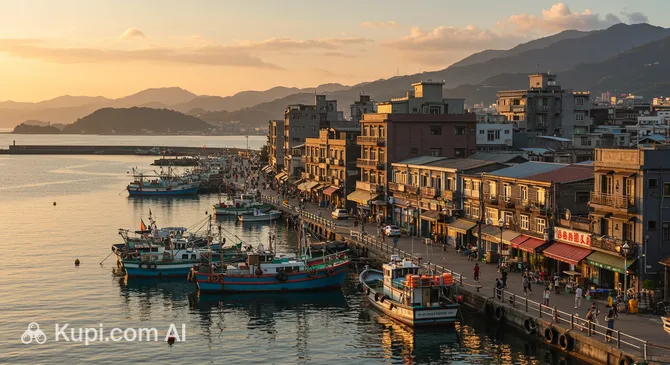
Keelung. Illustration.
Source: Kupi.com AI

Keelung offers tourists many interesting places to explore. One of the main attractions is the famous Miaokou Night Market, where you can sample a wide variety of local cuisine and immerse yourself in the bustling atmosphere. Equally attractive is Zhongzheng Park, which is crowned by a massive statue of the Goddess Guanyin, offering magnificent panoramic views of the city and its harbor.

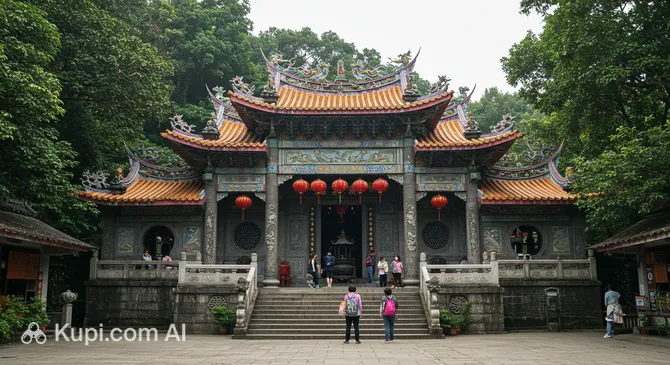
History buffs will enjoy visiting one of the old forts, such as Ershawan Fort, which serves as a reminder of the city's rich past. Additionally, Keelung is famous for its colorful temples, like the Dianji Temple, and its scenic waterfront, perfect for leisurely strolls.

Visiting Keelung is an excellent opportunity to get acquainted with Taiwan's port culture, enjoy unique culinary delights, and discover a city with a rich history and unmistakable charm.

You can find more interesting facts on the Keelung city history page.
Weather Overview

The weather in Keelung fully lives up to its unofficial name, the "Rainy Port." The city is characterized by a warm and very humid subtropical marine climate, with many rainy days almost year-round, which gives it a special atmosphere.

When planning your trip, be prepared for a warm and humid summer: from June to August, the average air temperature is around 27-28°C. Rain is frequent during this period, though usually not extremely heavy in volume. Winters in Keelung are mild, with average temperatures in December-February staying around 16-17°C. The autumn-winter period, especially October and December, features the highest number of rainy days. You can learn more about the climate conditions on the Weather in Keelung page.

Average monthly temperature

Average monthly precipitation

Interesting Facts

Beyond its famous port views and lively markets, Keelung holds many curious details and stories that make it an even more intriguing place to explore. Here are a few interesting facts about this unique city:

Zhengbin Fishing Port Colorful Houses. Illustration.
Source: Kupi.com AI

Traveler photos:

  • It is believed that the city's original name, "Jilongshan" (雞籠山), meant "Chicken Cage Mountain" due to the distinctive shape of one of the local mountains. Later, the name was shortened to "Jilong" (雞籠 – "chicken cage"), and eventually, the characters were changed to the modern spelling (基隆), which has the same pronunciation but a more auspicious meaning: "prosperous base" or "foundation of prosperity."

  • Keelung is famous throughout Taiwan for its Mid-Summer Ghost Festival (Zhongyuan Jie), which is celebrated here with exceptional scale. Local rituals and parades, including the impressive floating of lanterns on the water to guide spirits, are considered among the most authentic and grand in the country, attracting many spectators.

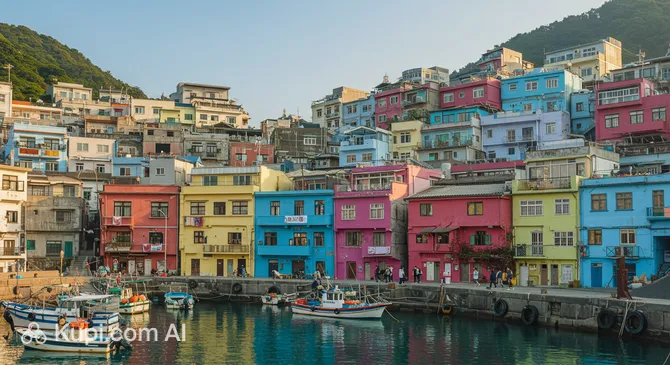
  • A relatively recent but already incredibly popular spot is the Zhengbin Port Color Houses. What was once an ordinary, somewhat neglected fishing port was transformed by an initiative to paint the building facades in bright colors, turning it into one of the city's most photogenic landmarks, reminiscent of European coastal towns.

  • The famous Miaokou Night Market, one of Keelung's primary culinary destinations, historically grew around the Dianji Temple (Dianji Gong). Originally, food vendors gathered at the temple entrance (miaokou literally means "temple entrance") to feed the many pilgrims. Over time, this informal cluster of stalls grew into one of Taiwan's most famous and beloved night markets.

How to Get There

The most convenient way to get to Keelung is by air, as the city does not have its own airport. The nearest major air hubs are located in the capital of Taiwan, Taipei, from where Keelung is easily accessible by ground transport.

The main point of arrival for most international travelers is Taiwan Taoyuan International Airport (IATA: TPE). This is Taiwan's largest airport, receiving flights from all over the world. It is located in Taipei, about 51 km west of Keelung. A taxi or bus ride from Taoyuan Airport to Keelung usually takes about 1 hour 30 minutes to 1 hour 50 minutes, depending on traffic conditions.

Another convenient option is Songshan Airport (IATA: TSA), also located in Taipei. This airport primarily handles domestic flights and some international routes within Asia. It is much closer to Keelung, about 20 km away. You can reach Keelung from Songshan Airport by taxi or public transport in approximately 45-60 minutes.

For clarity, here is a summary of the main airports used to reach Keelung:

AirportPassenger trafficDistance
Taipei Songshan Airport5.4 mln20 km
Taiwan Taoyuan International Airport48.7 mln51 km
Hualien Airport39 115123 km
Yonaguni Jima177 041144 km
Taichung International Airport2.1 mln148 km

While Keelung is a major port city, direct rail service from the airports may require transfers in Taipei. Once in Taipei, in addition to taxis and buses, you can consider taking a train to Keelung from Taipei's central stations. It is recommended to check local transport schedules and routes in advance to plan the most convenient journey.

Main Attractions

Keelung offers its guests many fascinating places to experience the culture, history, and natural beauty of this port city. Here are just a few of the main attractions that are definitely worth including in your itinerary:

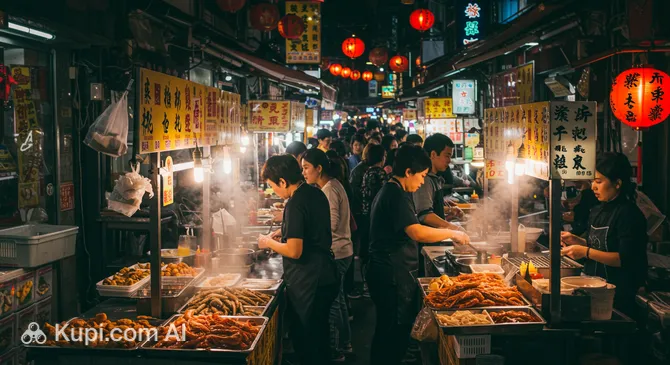
One of the city's hallmarks is the famous Miaokou Night Market. Centered around the historic Dianji Temple, this market is a true paradise for foodies. Here you can immerse yourself in the vibrant atmosphere and try countless local dishes, from fresh seafood to traditional Taiwanese snacks. It is the perfect place to feel the pulse of Keelung's nightlife and enjoy authentic flavors.

Miaokou Night Market. Illustration.
Source: Kupi.com AI

Traveler photos:

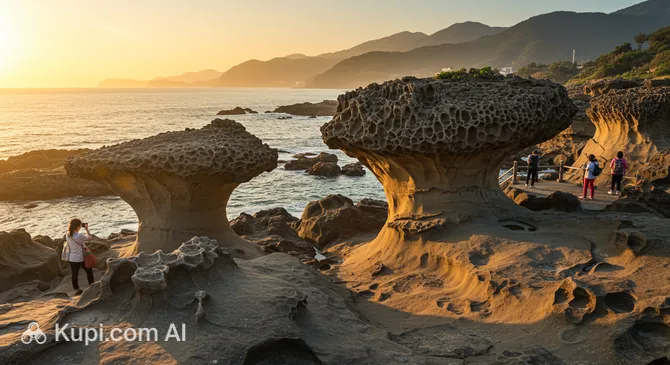
For nature lovers and fans of unusual landscapes, the Heping Island Geopark is a must-visit. This stunning coastal park is famous for its unique rock formations, created by thousands of years of sea and wind erosion. The bizarre shapes of the rocks, resembling mushrooms, tofu, or honeycombs, create a truly fantastic landscape perfect for walking and photography.

Heping Island Geopark. Illustration.
Source: Kupi.com AI

Traveler photos:

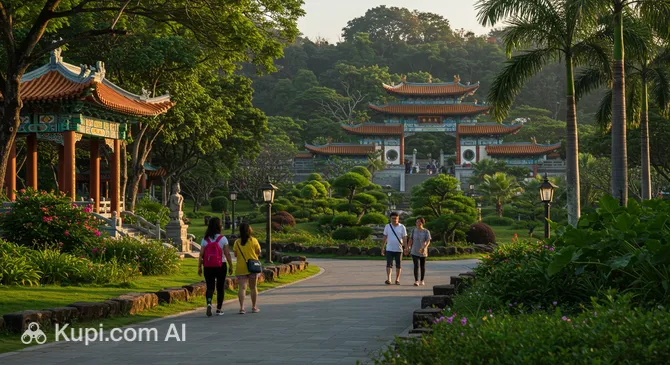
Equally impressive is Zhongzheng Park, which spreads across a hillside overlooking Keelung Harbor. The park's main landmark is a massive white statue of the Goddess of Mercy, Guanyin, one of the tallest in Southeast Asia. Besides the statue, the park features various temples, pagodas, and observation decks offering breathtaking panoramic views of the city and port. It is a wonderful place for a peaceful rest and a glimpse into local culture.

Zhongzheng Park. Illustration.
Source: Kupi.com AI

Traveler photos:

A relatively new but already incredibly popular attraction is the Zhengbin Port Color Houses. Once ordinary buildings in an old fishing port, their facades were transformed with bright colors, making this spot one of the most photogenic corners of Keelung. A walk along these colorful houses reflecting in the water will provide plenty of positive emotions and great photos.

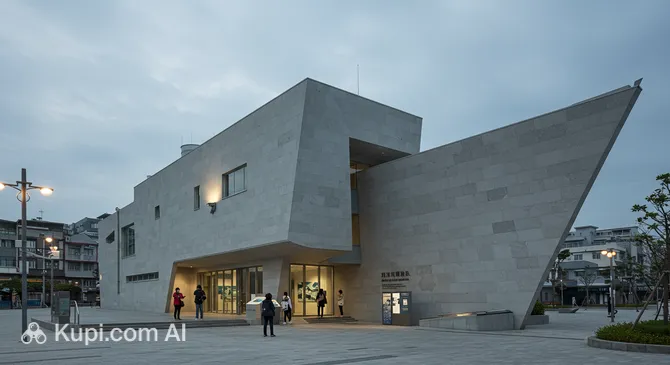
Another place deserving the attention of culture enthusiasts is the YM Museum of Marine Exploration Keelung. Located in a former port authority building, the museum offers interesting exhibits dedicated to the maritime history of Keelung and Taiwan, the development of shipping, and port infrastructure. It is a great opportunity to gain a deeper understanding of the sea's significance for this city.

YM Oceanic Culture and Art Museum. Illustration.
Source: Kupi.com AI

Traveler photos:

Local Cuisine

The gastronomic scene of Keelung is a true reflection of its port character and rich maritime history. The city is famous for its incredible variety of the freshest seafood, a vibrant street food culture, and unique local delicacies that attract foodies from all over Taiwan and abroad.

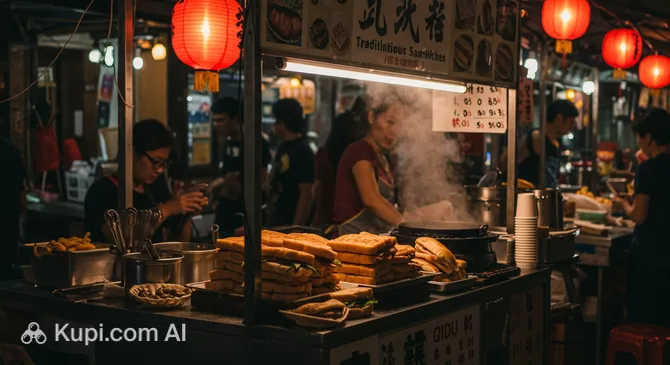
Be sure to try dishes made from freshly caught fish and seafood, prepared in many ways: grilled, steamed, in thick soups, or as snacks. Particularly popular are crab soup (螃蟹羹), oyster omelets (蚵仔煎), and various seafood skewers. Another iconic dish worth tasting is the Qi Du Traditional Nutritious Sandwich—a hearty and delicious snack consisting of a deep-fried bun filled with cucumber, tomato, ham, and mayonnaise, often with braised meat. You also shouldn't miss Ding Bian Cuo (鼎邊趖), thin sheets of rice batter cooked in a fragrant broth with seafood and vegetables.

Qidu Traditional Nutritious Sandwich. Illustration.
Source: Kupi.com AI

Traveler photos:

The heart of Keelung's culinary life is undoubtedly the famous Miaokou Night Market. It's not just a market but a real open-air food festival where dozens of stalls offer countless dishes. You can find everything here, from traditional snacks to exotic delicacies. Locals and tourists also love visiting small family-run restaurants and eateries scattered throughout the city, where you can enjoy authentic home-style cooking. For a more refined dinner, there are also restaurants specializing in seafood dishes.

As for drinks, bubble tea (珍珠奶茶) in its many variations is incredibly popular in Keelung, as it is throughout Taiwan. Be sure to try freshly squeezed juices from local tropical fruits—they are great for quenching thirst. For those who prefer something stronger, local beer like Taiwan Beer is always available. And if you want a sweet end to your meal, you can stop by a local cafe or, for instance, Shi Yun Dessert Bar to try traditional Taiwanese desserts.

Travel Tips

Welcome to Keelung, the charming port city of Taiwan! To make your trip as comfortable and rewarding as possible, we have prepared some practical tips. They will help you navigate better and enjoy all the delights of this unique place.

  1. Clothing and Essentials:

    Given Keelung's humid subtropical climate, earned by its nickname "Rainy Port," light, breathable clothing and a raincoat or umbrella will be useful year-round. In summer (June-August), it is hot and humid, so choose natural fabrics. In winter (December-February), the weather is mild but rainy, so layering is a good idea. Be sure to bring comfortable shoes for walking around the city, markets, and parks. Don't forget a universal adapter (Taiwan uses Type A and B sockets, 110V) and a power bank. When visiting temples like Dianji Temple, show respect by choosing modest clothing that covers shoulders and knees.

  2. City Transport:

    The most convenient way to get around Keelung is by city buses—the route network is well-developed and covers major attractions. Taxis are also available and relatively inexpensive; they can be hailed on the street or ordered via your hotel. Ride-hailing apps like Uber may be available, but check their status upon arrival. Car rental is possible but may not be the most convenient option due to urban traffic and parking, especially for short city trips.

  3. Finance and Payments:

    The local currency is the New Taiwan Dollar (TWD). You can exchange currency at the airport, banks, or some hotels; banks usually offer the best rates. Major hotels, restaurants, and shops accept international credit cards (Visa, Mastercard). However, at night markets like the famous Miaokou and in small shops, cash is preferred. ATMs are widespread. An estimated daily budget (excluding accommodation) might be 1,500-3,000 TWD. Tipping is not mandatory in Taiwan; often a service charge is already included in restaurant bills.

  4. Health and Safety:

    Keelung is generally a safe city for tourists. Pharmacies (look for the green cross) are in many areas, though not all are open 24/7. If you need medical assistance, head to local hospitals; travel insurance is highly recommended. Follow standard precautions: keep an eye on your belongings in crowded places, especially markets. There are no specifically "dangerous" neighborhoods for tourists, but always stay alert, especially after dark.

  5. Communication:

    The official language is Mandarin Chinese. In tourist areas and hotels, staff may speak English, but overall proficiency is not universal. Learn a few simple phrases: "Ni hao" (Hello), "Xiexie" (Thank you), "Duibuqi" (Sorry). A SIM card with internet access can be purchased at the airport or in convenience stores (7-Eleven, FamilyMart). Free Wi-Fi (iTaiwan) is available in many public places, cafes, and hotels. Google Maps works excellently for navigation.

  6. Local Etiquette:

    A slight nod is sufficient when greeting; a handshake is also acceptable. Taiwanese people are polite and appreciate the same in return. In public places, try not to speak too loudly. Queueing is the norm. Be quiet and respectful in temples. When giving or receiving items (like business cards or money), use both hands—it's a sign of respect. Do not point at people or objects with a single finger; it's better to use an open palm.

  7. Things to Avoid:

    Never stick your chopsticks vertically into a bowl of rice—this resembles incense used at funerals and is considered a bad omen. Also, try to avoid discussing sensitive political topics to prevent awkward situations.

  8. Special Tip for Keelung:

    Remembering its "Rainy Port" reputation, always check the weather forecast before heading out for a walk, even if the morning seems sunny. And, of course, don't miss the chance to visit the famous Miaokou Night Market—come hungry and try as many local delicacies as possible in small portions!

We hope these tips make your stay in Keelung even more pleasant and memorable. Enjoy every moment in this amazing port city!

Entertainment & Nightlife

As evening falls, Keelung transforms, offering its guests various opportunities for relaxation and entertainment. Although the city cannot boast a nightlife scene on the scale of Taipei, its port character and local flavor create a unique atmosphere for evening strolls and gatherings. The main hub of activity after dark is undoubtedly the area around the famous Miaokou Night Market, but there are interesting places to find beyond it as well.

The heart of Keelung's nightlife is, of course, the Miaokou Night Market. It comes alive at sunset and stays busy late into the night. Here, an incredibly lively and authentic atmosphere reigns: crowds of locals and tourists mix in search of delicious street food, from fresh seafood to traditional Taiwanese desserts. It’s not so much a place for clubbing as it is for gastronomic discoveries and cultural immersion. The crowd here is diverse, ranging from families with children to young people. There is no specific dress code—comfort is key.

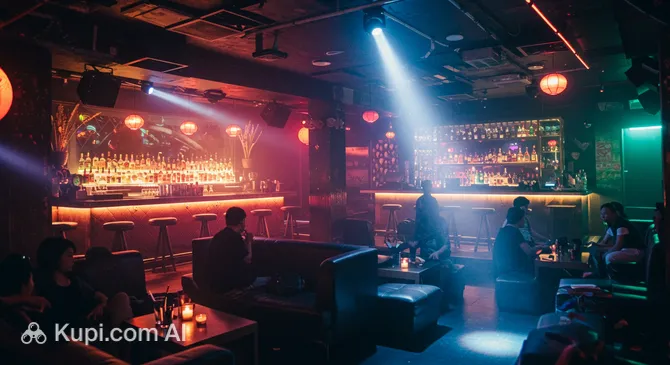
For those seeking more active entertainment, Keelung has karaoke clubs (KTV), which are very popular in Taiwan. One such venue is YES KTV in Keelung. Here, you can rent a private room with friends and have a fun time singing your favorite songs. KTVs usually operate late into the night or even until morning, especially on weekends. The atmosphere in such establishments is generally relaxed and cheerful.

YES KTV Keelung. Illustration.
Source: Kupi.com AI

Traveler photos:

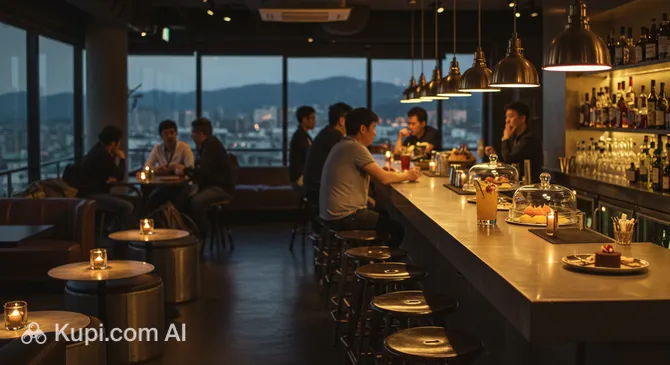
If you prefer a quieter evening, you can stop by one of the local bars or cafes. While the selection of classic nightclubs in Keelung is limited, you can always find a cozy spot for a conversation over a drink. For example, Shi Yun Dessert Bar offers a pleasant atmosphere for those wanting a sweet end to their evening. Some venues may offer live music or themed nights, but this is more of an exception than a rule in Keelung.

Shi Yun Dessert Bar. Illustration.
Source: Kupi.com AI

Traveler photos:

Practical tips: The best time to visit Miaokou Night Market is from 7:00 PM to 11:00 PM, though some stalls stay open later. Street food prices are very affordable. In KTVs and bars, prices are generally moderate. At night, the most convenient way to get around the city is by taxi. They can be hailed on the street or ordered through your hotel. Make sure the driver turns on the meter or agree on a price in advance for longer trips.

Regarding safety, Keelung is generally considered a safe city. The night market area is well-lit and always crowded. However, as with anywhere, standard precautions apply: keep an eye on your belongings and avoid poorly lit, deserted streets late at night. Getting a taxi is usually not an issue, especially in central areas.

During the day, Keelung offers other types of entertainment. You can visit the YM Museum of Marine Exploration Keelung to learn more about the city's maritime history or take a walk in one of the scenic parks, such as Zhongzheng Park. For families with children, the Keelung Zhongzheng Indoor Children's Park might be of interest. However, the primary focus of Keelung in the evening remains its unique night market atmosphere and cozy local spots.

Parks & Museums

Keelung is not only a bustling port and a gastronomic paradise but also a city where you can find peace in green parks and touch history in its museums and ancient corners. Here, natural beauty harmoniously blends with cultural heritage, offering a variety of experiences for inquisitive travelers.

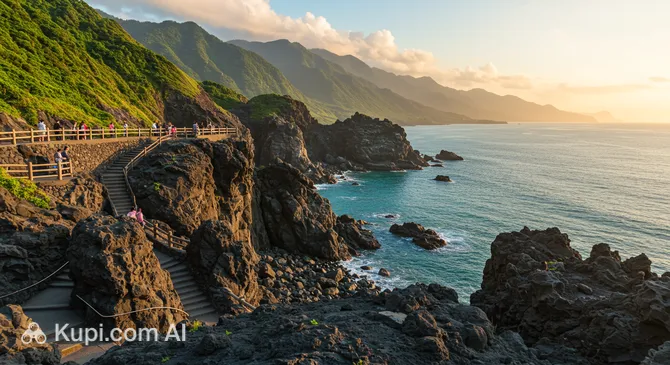
Among Keelung's green oases, the Waimushan Seaside Scenic Area stands out, offering magnificent views of the ocean and the rocky coastline. It is a great place for leisurely walks while enjoying the fresh sea breeze. For beach lovers, Dawulun Beach is ideal for relaxing on the sand or taking a swim. If you prefer active outdoor recreation, the Lovers' Lake Circular Trail offers scenic hiking routes with panoramic views. Of course, one cannot forget iconic spots like Zhongzheng Park with its majestic Guanyin statue and the unique Heping Island Geopark with its bizarre rock formations, which have already become the city's symbols.

Waimushan Seaside Scenic Area. Illustration.
Source: Kupi.com AI

Traveler photos:

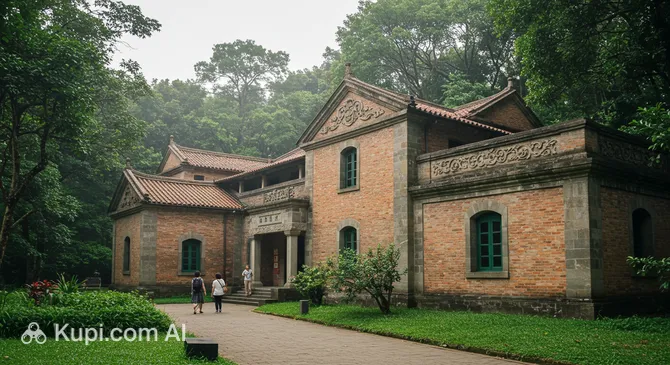
You can dive into Keelung's history by visiting its museums. Keelung Fort Command is a place where you can learn about the city's military past and its strategic role in the defense of Taiwan. The exhibits tell the story of the fortifications and significant events. Another important cultural site is the YM Museum of Marine Exploration Keelung, which covers the region's maritime history and the development of the port industry in detail.

Keelung Fortress Command. Illustration.
Source: Kupi.com AI

Traveler photos:

Keelung is rich in historical monuments. The Keelung Fort Commander's Official Residence is a well-preserved historical building providing insight into the architecture and lifestyle of the past. A spiritual center and architectural gem is the Xiandong Yan (Xiandong Cave Temple), attracting both worshippers and connoisseurs of traditional temple architecture. The Keelung Tower offers beautiful views of the city and port, making it a popular observation deck.

Xiandongyan Zuisheng Temple. Illustration.
Source: Kupi.com AI

Traveler photos:

For those looking for off-the-beaten-path experiences, the Buddha's Hand Cave is worth noting—a small but intriguing natural attraction with interesting rock formations. Also, while walking along the Waimushan Shore Walkway, you can find secluded spots with breathtaking views, perfect for meditation or simple peaceful contemplation of nature.

Getting Around

Getting around Keelung is fairly simple thanks to a well-developed public transport system, primarily represented by buses. The city does not have its own metro system, but the bus network effectively connects all major districts and attractions.

Buses are the main form of public transport in Keelung. Routes cover the city itself as well as its surroundings, including popular tourist spots. Buses run quite frequently, especially during the day. You can pay for your fare in cash (prepare the exact amount, as drivers usually do not give change) or using the universal EasyCard (悠遊卡, Yōuyóukǎ) smart card. This card is very popular across Taiwan and can be used not only for bus fares but also in some shops, for parking, etc. You can purchase or top up an EasyCard at convenience stores (e.g., 7-Eleven, FamilyMart) or at certain bus stations. Bus fares are usually low and depend on the distance.

Practical tips for tourists: When paying with cash, bus tickets are purchased directly from the driver upon boarding. When using an EasyCard, you need to tap it on the validator when boarding and, in some cases (depending on the fare system of the specific route), when exiting. Timetables and routes can be found at stops, as well as on online maps and transport apps. Buses typically run from early morning until late evening, though the frequency may decrease in the evening and on weekends.

As an alternative to public transport, taxis are widely available in Keelung. They can easily be hailed on the street or ordered through your hotel. Taxis operate by meter and are a convenient, albeit more expensive, way to get around, especially if you are traveling in a group or with luggage. Popular taxi-hailing apps may also function in the city.

For short trips and exploring the city at your own pace, you might consider bike rentals. Public bike-sharing systems, similar to those in other Taiwanese cities (e.g., YouBike), may be available in some areas. This is a great way to explore the waterfront or park zones. Car-sharing is less common in Keelung compared to major metropolises.

There are no unique historical modes of transport, like vintage subways or cable cars, directly within Keelung's urban transport system. However, given the city's port nature, boat trips and ferries to nearby islands (for example, to Heping Island Geopark if separated by a strait) can be considered part of the transport and excursion infrastructure.

Accommodation

In Keelung, travelers will find various accommodation options to suit any budget and preference. The city offers a wide selection, from affordable hostels and guesthouses, ideal for backpackers, to comfortable mid-range hotels and more luxurious options. Apartments are also available for those who prefer more independence and a home-like feel during their trip.

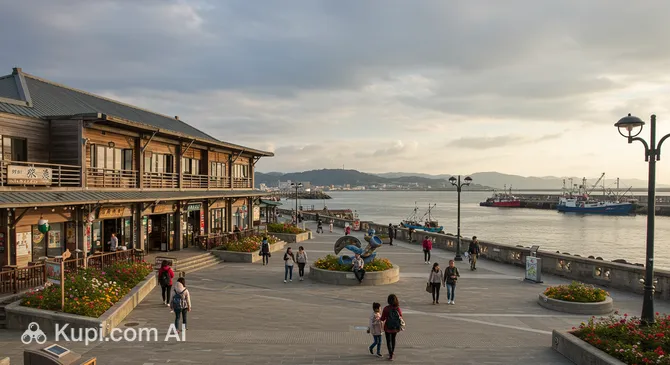
When choosing a place to stay in Keelung, it's worth considering areas near major attractions and transport hubs. Hotels and guesthouses around the famous Miaokou Night Market are particularly popular, allowing for easy immersion into the city's culinary scene. Accommodations near Keelung Harbor and Maritime Plaza are also convenient. Areas with good transport links, such as those near Keelung Railway Station, are practical for exploring both the city and its surroundings.

Maritime Plaza. Illustration.
Source: Kupi.com AI

Traveler photos:

To ensure the best choice and prices, especially if your trip coincides with the peak tourist season or major local festivals, it is recommended to book your accommodation in advance. This also gives you more time to read reviews and choose the most suitable option.

The price range for accommodation in Keelung varies from budget to mid-range and high-end, making it possible to find an option for almost any wallet. The most common booking methods are popular international online platforms for booking hotels and apartments. In some cases, direct booking via hotel websites or by phone is also possible.

Nearby Cities

For those looking to explore the surrounding areas, Keelung serves as an excellent starting point for day trips to several interesting nearby locations:

CityPopulationDistance
Taipei9 078 00020 km
Banqiao550 00031 km
Toucheng28 43831 km
Jiaoxi34 80734 km
Linkou128 92936 km

These nearby destinations offer a glimpse into the diverse culture and landscapes of the Taiwan region. Each trip promises new discoveries, whether it's exploring the lively capital or charming small towns.

Shopping & Souvenirs

Shopping in Keelung offers tourists a fascinating mix of traditional markets, modern shopping centers, and unique local goods. While the city might not match the scale of Taipei for shopping, there is definitely plenty to see and buy, especially if you are looking for authentic souvenirs and local delicacies. Keelung is famous for its seafood, so many edible souvenirs are related to the gifts of the sea.

The main shopping areas in Keelung are concentrated around the port and the central streets adjacent to the famous Miaokou Night Market. This area is always bustling, and you can find many small shops selling clothing, accessories, tea, and local sweets. Walking through these streets is a pleasure in itself, allowing you to immerse yourself in the city's daily life.

For those who prefer a more modern shopping format, Keelung has several shopping malls. One notable example is the Keelung E-Square (East Coast Mall). It offers a good selection of well-known brand stores, restaurants, and entertainment areas. Here you can find clothing, cosmetics, electronics, and more, all while enjoying the comfortable atmosphere of air-conditioned premises.

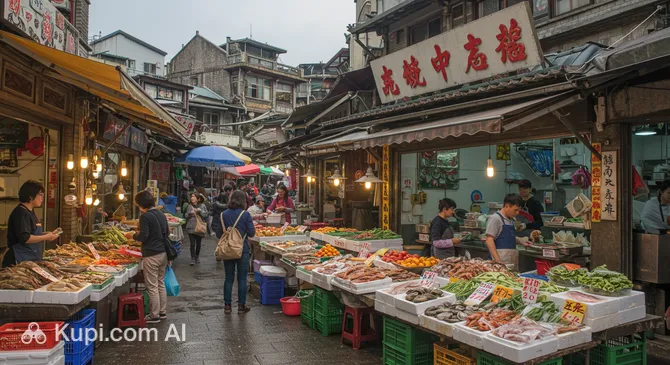
Markets are the soul of Keelung, and visiting them is a must for any tourist. Of course, you cannot miss the Miaokou Night Market. While it is primarily known for its street food, you can also find interesting souvenirs, small trinkets, and local products here. Another interesting market is the Ren'ai Market. This is a traditional daytime market where locals buy fresh produce, meat, and seafood, as well as prepared food. The second floor of the market houses numerous food courts offering authentic dishes. It's a great place to observe local life and try something new.

Ren'ai Market. Illustration.
Source: Kupi.com AI

Traveler photos:

As souvenirs from Keelung, it is worth bringing back seafood products (dried squid, fish snacks), Taiwanese tea (especially Oolongs), traditional sweets like pineapple cakes (feng li su), or products made by local artisans. In a port city, you can also find maritime-themed souvenirs. Don't forget to look into the small shops near temples—they often sell interesting amulets and incense.

Most shops and shopping centers in Keelung operate from approximately 10:00-11:00 AM to 9:00-10:00 PM. Night markets usually start their operations toward the evening (around 5:00-6:00 PM) and are open until late at night. Daytime markets, like Ren'ai Market, open early in the morning. As for payment, credit cards (Visa, Mastercard) are accepted in large stores and shopping centers. In markets and small shops, it is preferable to have cash (New Taiwan Dollar, TWD). Mobile payments and the EasyCard are also popular in Taiwan and can be used in some places.

For foreign tourists in Taiwan, there is a Tax-Free Shopping system for VAT refunds. If you make purchases of a certain amount (usually starting from 2,000 TWD in one store in one day) at shops with the corresponding Tax Refund logo, you can apply for a VAT refund. You will need your passport for this. Check the details and application procedure directly in the stores or at tourist information centers.

Reached the end of the page?

That means the route is fully explored