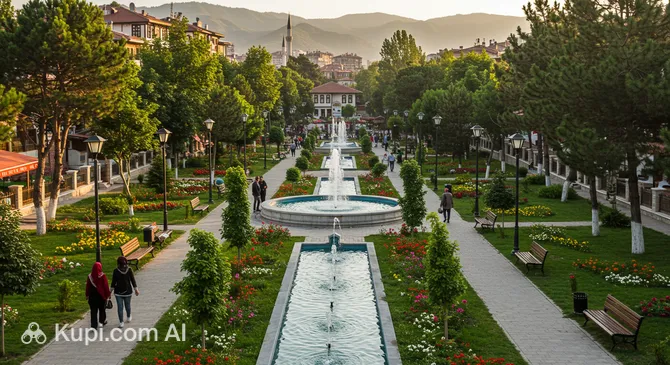
Uşak is a cozy and atmospheric city in western Anatolia, often referred to as a hidden gem of the Aegean region. Unlike bustling metropolises or overcrowded seaside resorts, a laid-back pace of life prevails here, allowing travelers to enjoy genuine Turkish hospitality and authenticity. Located at the crossroads of cultural and trade routes, the city harmoniously combines ancient traditions with the dynamics of modern life.
Geographically, the city is well-situated between picturesque hills and fertile valleys, providing a mild, though changeable, climate. With a population of about 252,000 people, Uşak is an important administrative center while still retaining its provincial charm. While traveling through Turkey, many tourists choose this city as a stop to discover its unique nature and crafts.
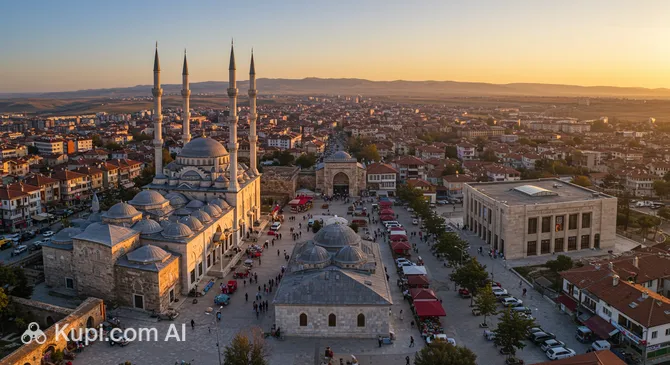
Usak. Illustration.
Source: Kupi.com AI
The rich past of this region is of particular value to explorers. The fascinating history of Uşak spans millennia, from the first settlements of the Hittites and Phrygians to its prosperity during the Ottoman period. It was here, on this land, that the fates of great civilizations intertwined, leaving behind unique monuments of architecture and art.
The city and its surroundings offer guests impressive attractions. A hallmark of the region is the majestic Ulubey Canyon, which is second in size only to the Grand Canyon in the USA. Lovers of antiquity will be captivated by the Archaeological Museum, which houses the legendary "Karun Treasures" of the Lydian period. Additionally, Uşak is famous for its handmade carpets, which for centuries decorated the palaces of European monarchs and are considered a symbol of high craftsmanship.
Visiting Uşak is an ideal choice for those seeking new experiences off the beaten path. This city will surprise you with its diversity, soulfulness, and tranquility, leaving you with vivid memories and a desire to return.
Weather Overview
Weather:
The climate in Uşak has features transitioning from Mediterranean to continental, which provides the city with four distinct seasons. Summer here is traditionally hot and dry, making it a popular time for visits if you enjoy warmth. In the hottest months, July and August, the average temperature is about 25°C, with daytime highs often exceeding 32°C. Precipitation during this period is very rare, and rainy days are almost non-existent.
In contrast, the winter period brings coolness and moisture. The coldest month is January, with an average temperature of 3.1°C and nighttime frosts reaching -1.4°C. Expect a hot, sunny summer and cool winters with occasional precipitation, which is most frequent in the spring months, such as March and May (up to 11 rainy days). The transitional seasons, especially April and October, offer comfortable temperatures in the 12–15°C range, which is excellent for sightseeing.
To plan your wardrobe properly and choose the ideal time for your trip, we recommend checking the detailed weather in Uşak by month in advance. This will help you avoid surprises from the elements and enjoy your holiday to the fullest.
Average monthly temperature
Average monthly precipitation
Interesting Facts
Beyond its well-known attractions, Uşak hides surprising facts and records that make it a truly unique place on the map of Turkey. Here are a few intriguing details that will allow you to see this city from a new perspective:
Second largest in the world. Uşak boasts a grand natural monument — Ulubey Canyon. Surprisingly, this canyon is the second longest in the world, surpassed only by the famous Grand Canyon in the USA. Its scale and beauty are breathtaking, though it still remains relatively unknown to mass tourism.
The gold of a legendary king. Part of the famous "Karun Treasures" (the Lydian Hoard), associated with the fabulously wealthy King Croesus, is kept here. You can see these priceless artifacts, including the famous brooch in the shape of a winged seahorse, by visiting the Uşak Archaeological Museum.
Carpets on the canvases of masters. Uşak carpets were so highly valued in Renaissance Europe that they were depicted in paintings by great artists such as Hans Holbein and Lorenzo Lotto. Today, these carpets are considered a symbol of prestige and high art, and their patterns are recognized by art historians worldwide.
A bridge built in a night. Local legend has it that the historic Cilandiras Bridge, spanning a river in a picturesque gorge, was built in just one night. Although historians date its construction to the Roman period, the elegant stone arch truly looks as if it appeared through magic.
A city of firsts. Uşak is known for its pioneering spirit in the history of the Republic of Turkey. It was here, through the initiative of local entrepreneur Nuri Şeker, that the country's first sugar factory was established, marking a major milestone in the region's industrialization.
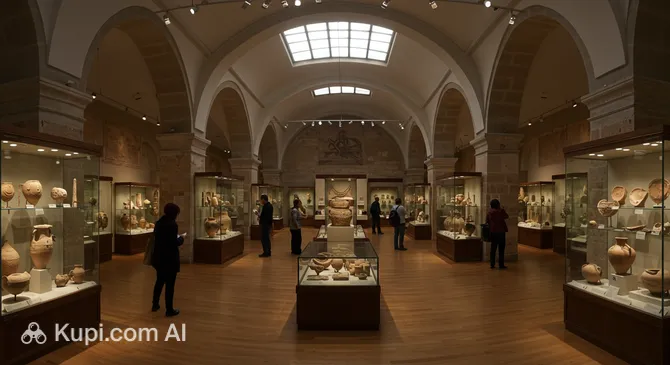
Usak Archaeology Museum. Illustration.
Source: Kupi.com AI
Traveler photos:
How to Get There
When planning your trip, it is important to think through the logistics in advance, as the city itself does not have a major international air hub. You can find all the details and choose the best route by visiting the page for all the ways to get to Uşak, but below we will look at the most popular options via neighboring regions.
The most convenient way for international tourists is to fly into Adnan Menderes Airport (ADB). It is located in Izmir, approximately 200 km from Uşak. This is a major international hub with significant passenger traffic, receiving flights from many countries around the world. The journey from here by taxi or rental car takes about 2.5–3 hours, and regular bus services are also available.
An alternative is flying into Çardak Airport (DNZ) in Denizli. It is much closer, at a distance of about 102 km from Uşak. This is a medium-sized airport serving mostly domestic flights, but it can be convenient if you have a connection in Istanbul. The travel time by car from this airport is approximately 1.5 hours.
For your convenience, here is summary information on the main airports in the vicinity:
In addition to air travel, Uşak has a well-developed bus network connecting it to most major Turkish cities. Intercity buses are comfortable and offer a budget-friendly way to reach the city from Izmir, Ankara, or Istanbul. A railway line also passes through the city, connecting Izmir with the internal regions of Anatolia, allowing lovers of romantic travel to take the train.
Main Attractions
Uşak is a city in western Turkey with a rich history, offering travelers not only world-famous carpets but also many interesting sites to visit. Here, you can get acquainted with the heritage of ancient civilizations, stroll through picturesque parks, and immerse yourself in the authentic atmosphere of the Turkish province.
Usak Archaeology Museum. Illustration.
Source: Kupi.com AI
Traveler photos:
The city's main cultural treasure is undoubtedly the Uşak Archaeological Museum. This modern museum complex houses the world-renowned "Karun Treasures" collection — Lydian artifacts that amaze with their elegance and historical value. The museum's exhibition spans several millennia, featuring finds from the Neolithic era to the Ottoman period, and is a must-visit for anyone interested in ancient history.
To gain a deeper understanding of the city's culture and daily life, it is worth visiting the Uşak City History Museum. Located in a historic building, it tells the story of Uşak's development, its famous crafts — primarily carpet weaving — and key events in the region's life. Ethnographic exhibits and old photographs allow you to literally travel back in time and feel the spirit of the old city.
Among the architectural monuments, the Burmalı Mosque (Burmalı Camii) stands out. Its name translates as the "Twisted Mosque" due to its unique spiral-shaped minaret, resembling a Serpentine Column. Built in the 16th century, it is one of the oldest and most recognizable buildings in Uşak, drawing attention with its unusual form for Islamic architecture.
For a peaceful break and outdoor walks, Atapark is ideal. This central city park is a favorite leisure spot for locals. Here, you can sit in the shade of the trees, enjoy a cup of Turkish tea in one of the cafes, or simply soak in the leisurely atmosphere. The park also features the Atatürk Monument, dedicated to the founder of the Republic of Turkey.
Local Cuisine
Local Cuisine:
Uşak's cuisine is a true feast for foodies, harmoniously blending the traditions of the Aegean region and Central Anatolia. The city's main gastronomic pride lies in dishes prepared according to old family recipes using the freshest local products: meat, vegetables, and milk. A special place on the table is reserved for various flour-based products, from crispy flatbreads to hearty pastries, as well as all sorts of kebab variations.
A journey into the local gastronomy should start with traditional soups. Be sure to try "tandır çorbası" — a rich and aromatic soup that is perfect for starting a meal, especially in cool weather. Local chefs are also famous for their mastery of meat. A signature dish of the region is "kuzinet" — tender meat that is slow-cooked in the oven with fragrant herbs and spices, achieving a unique softness and flavor.
Street food in Uşak is a cultural layer of its own. Walking through the city, it is impossible to pass by the bakeries emitting the aroma of fresh pastries with various fillings. For dessert, we recommend trying local quince sweets, which feature a delicate flavor and a pleasant, non-cloying sweetness.
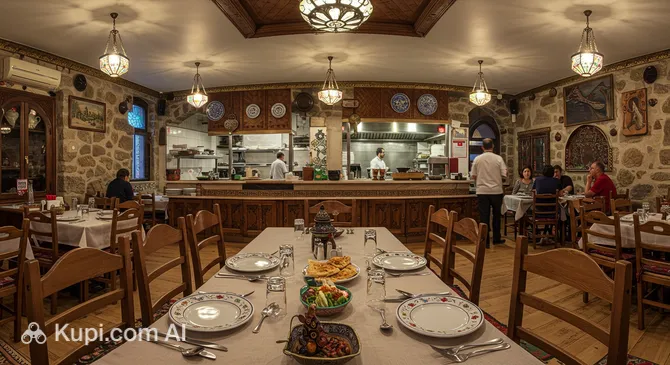
Yumak Restaurant. Illustration.
Source: Kupi.com AI
Traveler photos:
As for drinks, it is customary here to accompany a meal with traditional Turkish tea, served in elegant tulip-shaped "armud" glasses. On a hot day, ayran — a cold yogurt drink that perfectly complements meat dishes — is very refreshing. For alcoholic beverages, raki (aniseed spirit) is often ordered at dinner, typically sipped slowly alongside good appetizers (meze) and conversation.
The food culture in the city is diverse: locals love visiting farmers' markets to buy homemade cheeses, olives, honey, and spices. For a full lunch or dinner, tourists and residents alike choose cozy venues that honor tradition. One such place is Yumak Restaurant, where you can enjoy an authentic atmosphere and try the best examples of regional cuisine. The city also regularly hosts gastronomic festivals that bring together top chefs and food lovers.
Travel Tips
Welcome to Uşak! To ensure your journey to this authentic corner of Anatolia is as comfortable and hassle-free as possible, we have prepared a list of practical recommendations. These tips will help you easily navigate local realities and feel confident in any situation.
Clothing and Seasonality. Uşak is located in a transitional climate zone, so the weather here can be changeable. In summer, you should choose light clothing made of natural fabrics, but avoid overly revealing outfits (short shorts and deep necklines), as the city adheres to traditional views. In winter and the shoulder seasons, be sure to bring a warm jacket and waterproof shoes. To visit mosques, women will need a headscarf, and shoulders and knees should be covered for all visitors.
Transport. The city center is compact and pleasant to explore on foot. For trips to distant districts or the university campus, it's most convenient to use dolmuş (minibuses) — they are a fast and budget-friendly way to get around. Taxis here are relatively inexpensive and run on meters; you can find a car at dedicated ranks or ask the hotel reception to call one. Taxi apps do not work as stably as in major cities.
Finances and Payment. The official currency is the Turkish Lira. While large supermarkets and hotels accept cards (Visa, Mastercard), you will need cash in small shops, tea houses, and minibuses. It is better to exchange money at official exchange offices (Döviz) or banks in the city center, avoiding exchanges at the airport. Tipping in restaurants is welcomed (about 5–10% of the bill) but remains at your discretion.
Health and Safety. Turkey has a well-developed pharmacy network. Pharmacies (Eczane) are easily recognized by the logo with the letter "E"; many basic medicines are available without a prescription. Drinking tap water is not recommended; it's better to buy bottled water, which is sold everywhere. The city is safe for tourists, but standard vigilance in crowded places is always wise.
Communication and Language. The main language of communication is Turkish. Unlike resort areas, few people know English here (mostly young people and staff at large hotels). We strongly recommend downloading an offline translator to your smartphone. Buying a local SIM card (Turkcell, Vodafone, Türk Telekom) will provide you with stable internet for navigation. Wi-Fi is available in almost all cafes and restaurants.
Local Etiquette. The residents of Uşak are very hospitable. If you are offered tea, do not refuse — it is an important ritual of politeness and social connection. When entering a private home or a mosque, always remove your shoes. It is customary to greet with a handshake, and special respect should be shown when interacting with elders.
What to Avoid. Try not to photograph local residents (especially women) without their prior consent. Also, refrain from consuming alcohol on the street and in public places not designated for it. During the holy month of Ramadan, out of respect for those fasting, try not to eat or drink on the go during daylight hours.
Local Hack. If you plan to buy the famous Uşak carpets or kilims, do not hesitate to bargain. It is part of the culture, and sellers are often willing to give a discount for polite interaction. Also, be sure to try and buy some dry "tarhana" soup mix to take home — in Uşak, it is made according to unique ancient recipes.
By following these simple tips, you can avoid awkward situations and focus on the main thing — discovering the rich history and culture of Uşak. We wish you a smooth journey and unforgettable impressions from your trip!
Entertainment & Nightlife
Nightlife and entertainment in Uşak have their own unique flavor. Unlike the noisy coastal resort towns, you won't find massive nightclubs with booming music until dawn here. Evening in Uşak is more about cozy gatherings, long dinners with friends, and live music in atmospheric venues. Thanks to the local university, there are many young people in the city, giving the evening streets a sense of dynamism and liveliness.
The hub of evening activity is the area around İsmet Paşa Street (İsmet Paşa Caddesi) and the famous Atapark. This is the heart of the city's social life. At nightfall, the park and its adjacent streets fill with people: families go for strolls, and students and young adults take over the tables at numerous cafes and tea gardens. It is safe and comfortable to walk here late into the night, enjoying the cool air and conversation.
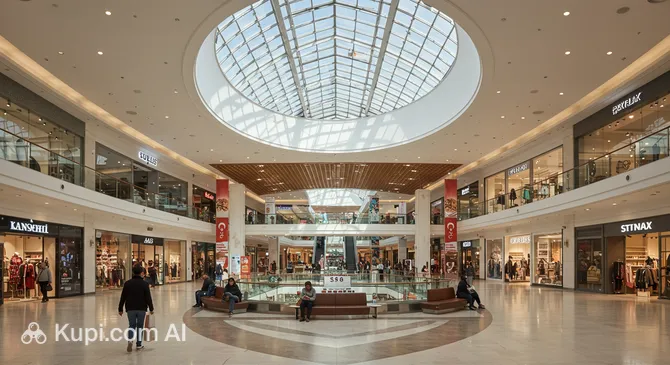
If you are looking for cultural leisure or modern entertainment, look toward the large shopping complexes. For example, Usak Festiva Shopping Center offers not only shopping but also leisure opportunities: there are cinemas where you can watch the latest releases (often in the original language with subtitles or in Turkish), as well as food courts and coffee shops open late. Another popular location is the Özdilek Shopping and Entertainment Center, which frequently hosts entertainment events.
Ozdilek Shopping and Entertainment Center. Illustration.
Source: Kupi.com AI
Traveler photos:
For fans of gastronomic tourism and quiet evenings, we recommend visiting local restaurants. Dinner in Turkey is an important ritual that can last several hours. Yumak Restaurant is an excellent choice, where you can sample traditional dishes in a pleasant setting. "Türkü Bar" venues are also popular in the city, where you can listen to live Anatolian folk music accompanied by the bağlama (saz). This is a unique experience that allows you to feel the soul of provincial Turkey.
Practical Tips and Safety:
Opening Hours: Most cafes and restaurants are open until midnight, while bars may stay open until 1:00 AM or 2:00 AM.
Dress Code: A casual style is standard in Uşak. You can go to restaurants and bars in neat everyday clothes; there are no strict requirements.
Transport: Public transport runs infrequently at night, so the most convenient way to get around is by taxi. Yellow taxis can be found at special ranks or called using a button on a post (taksi zili).
Safety: Central areas, especially the well-lit streets around Atapark, are safe for walking. However, as with anywhere, it is best to avoid unlit outskirts when alone.
While the city's nightlife is more geared toward relaxation, Uşak offers a rich cultural program during the day. Don't miss the chance to visit the Uşak Archaeological Museum or walk to historic monuments to get a full impression of this ancient land before diving into its evening lights.
Parks & Museums
Uşak offers travelers a harmonious blend of natural beauty and deep historical heritage. A city where eras intertwine, it invites both leisurely walks through shaded alleys and educational excursions through museum halls housing the treasures of ancient civilizations.
The green heart of the city is undoubtedly Atapark. It is a favorite relaxation spot for locals and tourists, located in the center of Uşak. Here, you can take a break from the city bustle, enjoying the well-kept flowerbeds and the cool shade of the trees. The park often serves as a venue for cultural events and concerts. While walking along its paths, you will certainly notice the majestic Atatürk Monument, an important symbol of respect for the founder of the republic and a popular spot for souvenir photos.
Atapark. Illustration.
Source: Kupi.com AI
Traveler photos:
When discussing the region's natural zones, it is impossible not to mention the famous Ulubey Canyon. Although it is located outside the city limits, it is one of the province's main natural attractions. The canyon impresses with its scale and breathtaking views, offering excellent opportunities for hiking tours and photoshoots against a wild nature backdrop.
To dive into the rich history of the region, the Uşak Archaeological Museum is a must-visit. This modern complex gained worldwide fame for its "Karun Treasures" (the Lydian Hoard) exhibition. The museum halls display unique artifacts from various eras — from the Paleolithic to the Roman period — including gold jewelry, ceramics, and statues that tell of the greatness of civilizations that inhabited these lands thousands of years ago.
Usak Archaeology Museum. Illustration.
Source: Kupi.com AI
Traveler photos:
To better understand the daily life and traditions of the city itself, it's worth visiting the Uşak City History Museum. The exhibition here is dedicated to the region's development over recent centuries: from the establishment of the famous carpet weaving to the appearance of the first industrial enterprises, including the sugar factory. Dioramas and ethnographic items allow you to vividly imagine how residents lived during the Ottoman era and the early years of the Republic.
Architecture enthusiasts will find the Çakoloz Mosque interesting. This historic building draws attention with its understated beauty and the atmosphere of peace characteristic of Ottoman architecture. Exploring such monuments helps you feel the spiritual component of the city's life.
Insider Tip: After visiting the museums, take a stroll through the old quarters around the historic center. Traditional wooden houses are preserved there, many of which are currently being restored, creating a unique setting for a quiet evening walk.
Getting Around
The transport system in the city of Uşak is characterized by its simplicity and compactness, making it easy to understand even for first-time visitors. Unlike metropolises, there are no metro or tram lines here. The entire task of passenger transport falls to ground-based wheeled vehicles, which operate stably and cover all key areas, including the center, the university campus, and distant residential neighborhoods.
The primary means of travel for locals and tourists are municipal buses and the ubiquitous minibuses (dolmuş). Buses are typically painted in specific colors (often red or blue) and follow a set schedule. Dolmuş are a more flexible and faster form of transport. They run on fixed routes but can stop at a passenger's request almost anywhere, provided it doesn't violate traffic rules. The names of the final stops and major areas served are always displayed on the windshield of the minibuses.
Fare payment on municipal buses is made using a special transport card called Uşak Kart. It's worth noting that the region's vehicle code is 64, and this number often appears in city symbols; however, the current payment system is named after the city itself. The card can be purchased and topped up at kiosks near major stops or in shops with the appropriate sign. In minibuses (dolmuş), paying the driver in cash upon entry is still common, although the system is gradually being modernized. Fares are affordable and significantly lower than in major tourist hubs.
Tourists should keep a few practical nuances in mind. Most routes operate from early morning (around 06:30) until 11:00 PM or midnight. Entry to municipal buses is only through the front door with mandatory card validation. If you plan a trip during rush hours (morning and evening), be prepared for the transport to be crowded, especially on routes leading to the university.
As an alternative to public transport, taxi services are widely developed in the city. Yellow cars can be found at dedicated ranks or called by pressing a call button on poles installed at many intersections. All taxis operate by meter (taximeter). This is a convenient, though more expensive, way to get to your destination, especially if you are returning late in the evening.
For trips to out-of-town attractions, such as Ulubey Canyon, public transport may run infrequently or require transfers. In such cases, it is more sensible to use car rental services. Rental points are available in the city center. For walks around the historic center, especially in the İsmet Paşa Street area, transport is not needed at all — everything of interest is within walking distance, and a walk will give you much more pleasure.
Accommodation
Accommodation options in Uşak mainly consist of functional city hotels and cozy pensions. Since the city is not a mass-market beach resort, you won't find huge all-inclusive complexes or luxury global chains here. The primary housing stock is aimed at business travelers, transit tourists, and those coming to explore the region's history. Travelers can choose from mid-range hotels (3-4 stars), small boutique hotels in restored historic buildings, as well as budget guest houses.
The most convenient and popular area for tourists to stay is the city center (Merkez). By staying here, you will be within walking distance of the main attractions, museums, and restaurants. The area around the central park, Atapark, and the main shopping street, İsmet Paşa, is considered particularly comfortable. This is a safe and lively part of the city where it is pleasant to stroll in the evening, and the transport links make it easy to reach any point, including the university campus or the bus station.
Regarding cost and the booking process, Uşak is pleasantly surprising with its affordable prices. The general price range varies from budget to mid-range; the cost per night here is typically significantly lower than in Istanbul or on the Aegean coast. Popular international online platforms or Turkish booking services are convenient for finding accommodation.
Booking Tip: While room shortages are rare, we recommend booking in advance if your trip coincides with the summer months or national holidays. It is also worth noting that during major university events or festivals, demand for hotels in the center may increase.
Nearby Cities
For those looking to explore the surroundings, Uşak serves as an excellent starting point for day trips to several interesting nearby locations. The city's location allows you to reach unique natural and historical sites, known far beyond the region, in just an hour or an hour and a half.
An absolute favorite for tourists is Pamukkale, located less than 100 km from the city. It is a UNESCO World Heritage site famous for its snow-white travertine terraces with thermal water and the ruins of the ancient city of Hierapolis. Another interesting destination is Alaşehir, known in antiquity as Philadelphia. Here you can see the remains of the Byzantine Church of St. John and taste the local grapes for which the area is famous. Nature lovers should visit Çivril, near which lies the picturesque Lake Işıklı, covered in a carpet of water lilies during the summer.
City
Population
Distance
Banaz
36 373
31 km
Gediz
49 827
35 km
Karahalli
10 457
41 km
Selendi
20 291
47 km
Esme
34 932
49 km
These nearby destinations provide a glimpse into the diverse culture and landscapes of the region, making a trip to Uşak even more exciting and rewarding.
Shopping & Souvenirs
Shopping in Uşak is an opportunity to combine pleasant purchases with an immersion in local culture. Unlike huge metropolises, there isn't an endless row of luxury boutiques here, but the city is famous for its craft traditions and quality textiles. Trading here is conducted at a leisurely pace, sellers are friendly, and prices are often lower than in Turkey's popular tourist centers. This is an ideal place to buy authentic goods and feel the real rhythm of life in an Anatolian province.
The heart of the city's commercial life is İsmet Paşa Street (İsmet Paşa Caddesi). This is a lively pedestrian zone lined with dozens of clothing and shoe stores, jewelry shops, and confectioneries. Here you can find products from well-known Turkish brands as well as small private shops with unique assortments. A walk along this street allows you not only to update your wardrobe but also to enjoy the city's atmosphere, browsing window displays and watching the locals.
For those who prefer the comfort of modern malls and a wide selection of international brands, several large complexes operate in the city. A popular spot is the Usak Festiva Shopping Center. This is an open-air outlet center where you can find great deals on clothing, sports goods, and home products. Thanks to the outlet format, attractive discounts on past collections are often available here.
Usak Festiva Shopping Mall. Illustration.
Source: Kupi.com AI
Traveler photos:
Another important destination for shoppers is the Özdilek Shopping and Entertainment Center. The Özdilek brand is famous throughout Turkey for its high-quality home textiles, so it's worth stopping by for excellent towels, robes, and bedding. Additionally, the center features a wide range of clothing, a supermarket, and lounge areas, making it convenient for a family visit.
An integral part of Turkish shopping is the market. In Uşak, traditional bazaars open on different days of the week in different districts, but the central market is the most colorful. Here, a riot of colors and aromas prevails: stalls overflow with fresh vegetables, fruits, farm cheeses, and olives. This is the best place to buy spices, nuts, and dried fruits at great prices, and also to practice the art of bargaining.
If you are looking for souvenirs to bring home, consider the following items:
Uşak Carpets. This is the region's main brand with a centuries-old history. Handmade carpets from Uşak were valued by European monarchs as far back as the Renaissance. Even a small rug will become a true family heirloom.
Tarhana. Uşak is considered the birthplace of this famous soup. A dry mix for preparing tarhana is a tasty and healthy gastronomic souvenir.
Textiles and Leather. The region is known for its leather and textile industry, so you can find high-quality jackets, bags, and cotton products at good prices.
Sweets. Local halva and lokum (Turkish delight) make excellent gifts for those with a sweet tooth.
Hours and Payment. Large shopping centers are usually open from 10:00 AM to 10:00 PM daily. Shops on commercial streets work roughly from 9:00 AM to 7:00 PM or 8:00 PM, though many small shops may be closed on Sundays. Bank cards (Visa, Mastercard) are accepted almost everywhere; however, it is always better to have cash in Turkish Lira for purchases at the market, in souvenir kiosks, or for transport fares.
The Tax Free system (tax refund) is available in large chain stores and shopping centers. Look for a "Tax Free" or "Global Blue" sticker on the window or at the checkout. If you make a purchase over a certain amount (usually above 1,000 Lira + VAT, but limits can change), ask the salesperson to fill out a special form. You can receive your refund at the departure airport upon presenting your receipts, passport, and the goods.