Support

Booth Museum of Natural History

About

In a quiet district of Brighton hides a true treasure for natural history buffs — the Booth Museum of Natural History. This unique space, which opened its doors in 1874, transports visitors back to the golden age of Victorian discovery. Founded by naturalist Edward Thomas Booth, the museum became home to one of the most impressive bird collections in the world, preserving the authentic spirit of 19th-century science.
\n
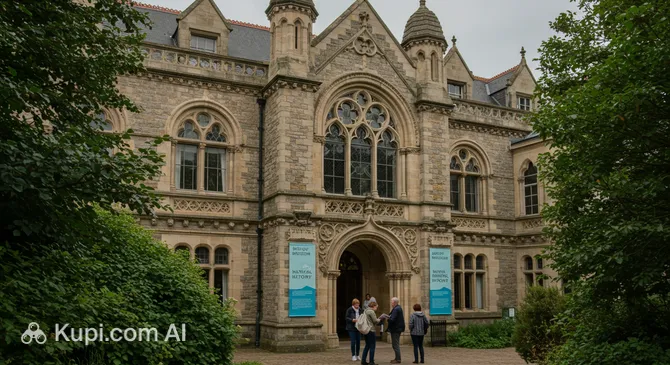
Booth Museum of Natural History
Booth Museum of Natural History. Иллюстрация. Источник: Kupi.com AI
\n

Today, it is not just a collection of exhibits, but a genuine historical monument housed in a classic Victorian building. Great Britain is famous for its traditions of collecting, and this museum is a brilliant reflection of them. Here, under one roof, more than 500 bird species are presented in their natural environments, alongside extensive collections of insects, minerals, and fossils of ancient giants.

\n

Of particular value are the famous dioramas, which were a pioneering way of displaying wildlife. Unlike modern interactive centers, the Booth Museum offers guests a chance to experience the classic school of natural science. Because admission remains free, it is one of the most accessible and educational attractions for all types of travelers.

Contacts

For the latest information on special exhibitions or educational programs, you can contact the museum administration directly. The Booth Museum of Natural History is always happy to welcome guests and provide the necessary details to help plan your visit.

\n
How to contactContact
Address194 Dyke Rd, Brighton and Hove, Brighton BN1 5AA, Великобритания
Phone+44 300 029 0900
Websitebrightonmuseums.org.uk

What to Do

The main highlight of the museum is, of course, viewing the legendary Victorian dioramas. You can see hundreds of British birds captured in realistic poses against recreated natural landscapes. This fascinating sight allows you to examine the details of plumage and behavioral traits that are difficult to notice in the wild.

\n

In addition to the ornithological collection, be sure to stop by the paleontology hall. Here, you'll find fossilized remains of dinosaurs and ancient marine creatures discovered in England. For those who love fine details, the collection of butterflies and beetles is of particular interest, with a diversity of colors and shapes that boggles the mind. You can also study rare minerals that formed deep underground over centuries.

\n

For a family outing, the museum offers a tranquil and educational atmosphere. It lacks the typical noise of major tourist hubs, allowing parents and children to explore the exhibits together, discuss what they see, and learn about the evolution of life on Earth. It is a great place to get a closer look at the methods used by scientists of the past and appreciate their contribution to modern biology.

Getting There

Finding this scientific oasis is easy: it is located at 194 Dyke Rd, Brighton BN1 5AA, in the western part of the city. If you prefer public transport, take bus routes No. 2, 10B, 14, 27, 48, or 77X — they all stop on Dyke Road right by the museum entrance.

\n

The journey from the city center, such as from Brighton Pier or the main railway station, takes just 10–15 minutes by bus. Those who enjoy walking can reach the museum from the station in about half an hour while taking in the local architecture. If you are traveling from London, the most convenient way is by train to Brighton Station (about an hour's journey), then transferring to a taxi or bus.

\n

For those traveling by car, parking is available on Dyke Road itself or on neighboring streets. However, keep in mind that traffic can be heavy during peak hours, so public transport is often the faster and more convenient option for tourists.

Ближайший город: Brighton

History & Facts

The history of this place began in 1874, fueled by the passion and eccentricity of one man — Edward Thomas Booth. An avid naturalist and collector, Booth designed the building specifically to house his colossal bird collection. Originally, the museum was private and located on his own estate, reflecting the Victorian spirit of scientific inquiry and a passion for systematizing nature.

\n

Edward Booth made a major breakthrough in the museum world of his time: he was one of the first to create dioramas. Instead of simply displaying stuffed specimens on shelves, he placed them in detailed settings that mimicked their natural habitats. To achieve maximum realism, Booth used real plants and recreated the landscapes of the locations where the specimens were collected.

\n

After the founder's death in 1890, the museum and its priceless collections were gifted to the city. Since the beginning of the 20th century, it has been a public institution, while still retaining its unique Victorian layout and "cabinet of curiosities" atmosphere. This allows modern visitors to see 19th-century science through the eyes of its contemporaries.

\n

Today, this museum is recognized as one of the best-preserved examples of Victorian natural science collections in England. The collections, started over a century and a half ago, continue to serve as an important resource for studying biodiversity and the history of ornithology in the UK.

Time Needed

To leisurely explore all the details of the famous dioramas and examine the paleontological finds, the average visitor will need between 1 and 2 hours. This is plenty of time to immerse yourself in the Victorian era and appreciate the skill of the taxidermists of the past.

\n

If you are planning a visit with children, who will likely want more time to look at the butterflies or dinosaur skeletons, or if you are a nature enthusiast, it is worth setting aside about 2–3 hours. The museum features a tranquil atmosphere, making it ideal for a thoughtful study of the exhibits without the usual crowds or queues.

Working Hours

The museum is generally open to visitors from Tuesday to Sunday, 10:00 AM to 5:00 PM. Please note that the museum is closed on Mondays. It is also typically closed on major public holidays, such as Christmas and New Year's Day.

\n

As the schedule may change depending on the season or special events, visitors are strongly encouraged to check for up-to-date information on the official website before their trip to ensure a smooth visit.

Nearby

A stroll around the Dyke Road area is a great opportunity to see a less touristy but equally charming side of Brighton. Exploring this neighborhood allows you to complement your museum visit with trips to parks, cozy cafes, and other interesting locations situated just a couple of kilometers away.

\n
NameDistance
Brighton Toy and Model Museum1.3 km
The Old Market1.4 km
The Hole in The Wall1.7 km
Brighton Bandstand1.7 km
Churchill Square Shopping Centre1.7 km
Burnt Orange1.9 km
Brighton Museum & Art Gallery1.9 km

Reached the end of the page?

That means the route is fully explored