Support

National Trust - Ditchling Beacon

About

Imagine a breathtaking panoramic view where the blue sea sparkles to the south and endless green plains stretch away to the north. Ditchling Beacon is the highest point in East Sussex, rising 248 meters above sea level. This majestic chalk hill is located just a few kilometers from Brighton and is one of the crown jewels of the South Downs landscape in the United Kingdom.
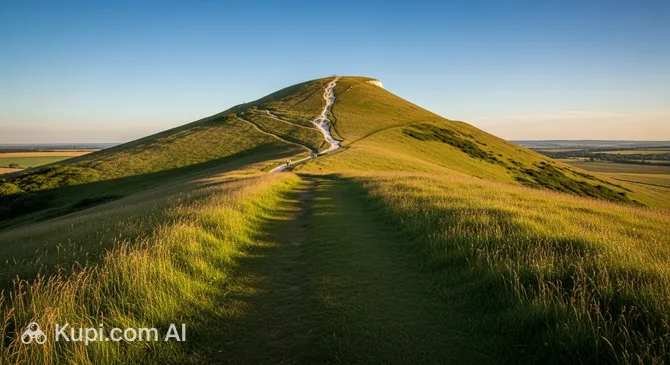
Ditchling Beacon
Ditchling Beacon. Иллюстрация. Источник: Kupi.com AI

The landmark is an open grassy expanse where sheep graze on steep slopes and the air is filled with the scent of wild herbs. Ditchling Beacon is recognized as a Site of Special Scientific Interest (SSSI), as its chalk grasslands are home to rare plant species and unique fauna. It's an ideal spot for those looking to escape the city bustle and reconnect with pristine nature.

As part of a nature reserve managed by the Sussex Wildlife Trust, the area attracts both nature enthusiasts and history buffs. From the summit, you can enjoy a 360-degree view of the picturesque Weald and the curves of the chalk cliffs winding to the east and west.

Contacts

For more details about your trip or to get up-to-date information on trail conditions, you can use the following contact information:

How to contactContact
AddressУэстмстон, Брайтон BN6 8XG, Великобритания
Phone+44 1323 423197
Websitewww.nationaltrust.org.uk

What to Do

At the top of Ditchling Beacon, visitors can find a variety of activities to suit every taste. Hiking enthusiasts can choose from routes of varying difficulty, including a popular six-stage National Trust trail. During the walk, you can spot dew ponds (ancient livestock ponds), old farmsteads, and mysterious medieval burial sites nestled among the green hills surrounding Brighton.

For those interested in archaeology, exploring the earthworks of the Iron Age hillfort is a must. This site offers a chance to connect with history dating back over two thousand years. In spring and summer, the slopes are carpeted in wildflowers, providing the perfect backdrop for photography and spotting rare birds and insects.

Families with children often visit the beacon for kite flying, as the open summit enjoys steady, favorable winds. Additionally, Ditchling Beacon is a wonderful spot for a picnic; there’s nothing like relaxing on the grass with views of the English Channel. For those seeking a longer journey, you can continue along the famous South Downs Way, which leads into the neighboring picturesque valleys.

Getting There

Traveling to the hilltop from Brighton, which lies just 7 kilometers to the south, won't take long. If you're planning to travel by car, use the postcode BN6 8XG to navigate to the official Ditchling Beacon car park. The drive takes you through picturesque rural landscapes, setting the stage for your nature getaway.

For those preferring public transport, bus route No. 79 (Brighton and Hove Route) is an excellent choice. Buses depart from central city locations like Old Steine or the railway station and run on weekends and bank holidays throughout the year. During the summer season, open-top buses often serve this line, turning a simple trip into an exciting open-air tour.

If you're coming by train, the nearest railway stations—Falmer and Hassocks—are about 8 kilometers away. From there, you can take a taxi or continue on foot if you're up for a long hike. The famous South Downs Way also passes through Ditchling Beacon; the route is well-marked and integrated into the regional trail network.

Ближайший город: Brighton

History & Facts

The history of this elevated spot in the United Kingdom stretches back to ancient times. One of the most significant archaeological features here is the remains of an Iron Age hillfort. This ancient stronghold was once one of the largest fortifications in Sussex, with its defensive rampart and ditch spanning about 5.5 hectares, providing control over the vast lowlands to the north.

During the Middle Ages, important agricultural routes known as "bostal roads" crossed these lands. Shepherds from the outskirts of Brighton and nearby settlements used them to drive livestock to rich pastures. These trails are still visible in the landscape today, serving as a reminder of the centuries-old lifestyle of local communities.

The name of the landmark itself comes from the signal beacon installed here in the 1600s. It was part of a warning network designed to alert the country to enemy invasions from the sea. Legend has it that this very beacon was lit to warn the Queen of the approaching Spanish Armada.

In modern history, Ditchling Beacon gained fame as a grueling stage for professional cyclists. In 1994, it was part of the Tour de France route, where the steep climb was classified as Category 4. Later, in 2014, the summit once again hosted high-level cycling during the prestigious Tour of Britain.

Time Needed

To fully appreciate the beauty of Ditchling Beacon, most visitors need between 2 to 4 hours. This provides enough time for a leisurely walk along the historic trail, exploring the remains of the ancient fort, and taking memorable photos of the rolling hills.

If you're only planning a short stop to enjoy the panoramic views and a quick picnic in the fresh air, 1 to 2 hours will be sufficient. However, experienced hikers on the South Downs Way may spend much longer here, making the beacon a key stop on a multi-mile trek through the national park.

Working Hours

The Ditchling Beacon area is open to the public daily from 10:00 AM to 5:00 PM. This allows tourists to plan their walks on both weekdays and weekends during daylight hours.

Please note that opening hours may vary slightly depending on the season or special events. Before your visit, it is recommended to check the official National Trust website to confirm the current schedule and parking availability.

10:00–17:00

Nearby

A visit to Ditchling Beacon can easily be combined with exploring other local attractions. Its proximity to the coast and historical towns allows for a packed full-day itinerary, alternating nature walks with cultural experiences.

Below are some nearby points of interest that might appeal to travelers:

NameDistance
Booth Museum of Natural History7.8 km
Brighton Toy and Model Museum8.4 km
Lewes Castle & Museum8.7 km
Lewes Priory9 km
Brighton Museum & Art Gallery9 km
Royal Pavilion9.1 km
Permit Room Brighton9.2 km

Reached the end of the page?

That means the route is fully explored