Support

Dyffryn Gardens

About

Dyffryn Gardens is a magnificent example of Edwardian garden art located near the city of Cardiff in Great Britain. These historic gardens, under the care of the National Trust, attract visitors with their refined beauty and peaceful atmosphere. A walk through Dyffryn Gardens is an opportunity to immerse yourself in a world of carefully planned landscapes and enjoy the silence away from the bustle of the city.
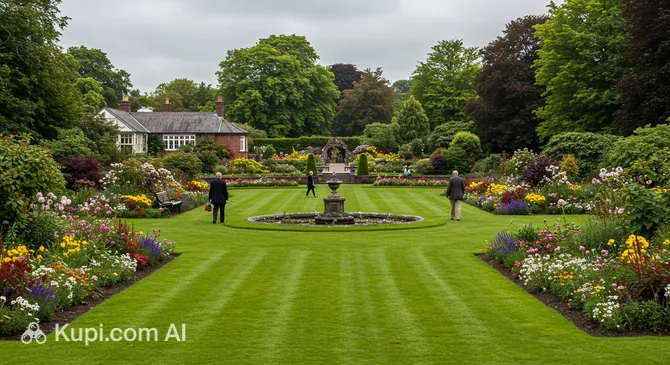
Dyffryn Gardens. Illustration.
Source: Kupi.com AI

Traveler photos:

The garden territory covers over 55 acres and includes several themed zones, each with its own unique character. Here you can find formal gardens with perfectly manicured hedges, a picturesque rose garden, an exotic garden with rare plants, as well as extensive lawns and woodland areas. The arboretum, with its collection of unique trees and shrubs, deserves special attention, offering visitors a true botanical journey.

In addition to their botanical value, Dyffryn Gardens are interesting from a historical perspective. They were established at the beginning of the 20th century by coal magnate John Cory and the famous landscape architect Thomas Mawson, whose ideas came to life in this green oasis. Today, it is a popular spot for leisurely walks, family vacations, cultural events, and, of course, for taking inspiring photographs. Regardless of the season, Dyffryn Gardens offer visitors a soothing experience and the chance to touch the living heritage of garden design.

Contacts

To find the latest information on opening hours, admission prices, and how to get to Dyffryn Gardens, we recommend checking the official National Trust website, which manages this site, or contacting tourist information centers in Cardiff. There, you can obtain the most up-to-date details to plan your visit.

How to contactContact
AddressDuffryn Ln, St Nicholas, Wenvoe, Cardiff CF5 6FZ, UK
Phone number+44 29 2059 3328
Websitewww.nationaltrust.org.uk

What to Do

Visitors to Dyffryn Gardens can enjoy a variety of experiences while exploring their extensive grounds. The main activity here is, of course, leisurely strolls through the numerous "garden rooms," each revealing new views and design solutions. You can spend hours wandering along well-kept paths, admiring the changing landscapes from strict geometric shapes to more natural wild corners, discovering all the charm of Edwardian garden art.

Special attention should be paid to the themed zones: admire the elegance of the formal gardens with their symmetrical flowerbeds and perfectly manicured hedges, breathe in the scent of roses in the picturesque rose garden (especially during blooming season), or discover amazing and rare plants in the exotic garden. The arboretum offers a fascinating introduction to a collection of unique trees and shrubs from around the world, while shady forest paths and spacious lawns are ideal for secluded relaxation and nature contemplation.

Dyffryn Gardens is also a wonderful place for photography enthusiasts, as every corner here is photogenic in its own way and inspires creativity. You can spend a whole day here just enjoying the silence, the singing of birds, and the beauty of the surrounding world. It is the perfect place to take a break from the hustle and bustle of Cardiff, get a boost of inspiration from the harmony of nature and the skill of landscape designers, and learn more about botanical diversity.

Getting There

Dyffryn Gardens are located in the picturesque Welsh countryside near Cardiff, making them relatively accessible for visitors. One of the most convenient ways to reach the gardens is by car. The drive from central Cardiff usually takes about 20-30 minutes, depending on traffic. Parking is generally available for visitors near the gardens, but it is recommended to check conditions and availability in advance, especially during peak season.

For those who prefer public transport, there are bus routes connecting Cardiff with the surrounding area where Dyffryn Gardens are situated. You may need to take a bus to the stop nearest the gardens and then perhaps walk a short distance. It is best to check schedules and route numbers on the websites of local transport companies or at tourist information centers in Cardiff, as they can change.

An alternative option is a taxi, which will provide a direct and comfortable transfer from your hotel in Cardiff or from the railway station straight to the entrance of Dyffryn Gardens. This may be a more expensive but faster method, especially if traveling in a group or with luggage. In any case, it is recommended to check the latest routes and options on the official National Trust website or on maps before your trip to plan the most optimal route.

Nearest city: Cardiff

History & Facts

The history of Dyffryn Gardens is inextricably linked to the peak of industrial Great Britain and the desire of wealthy individuals to create islands of beauty and harmony around themselves. Established at the very beginning of the 20th century, these gardens were the result of a collaboration between two prominent figures of their time: coal magnate John Cory, who had the means and ambition for such a large-scale project, and the famous landscape architect Thomas Mawson. It was Mawson, one of the leading masters of Edwardian garden design, who brought Cory's vision to life, creating a true work of art on this land that became a gem near Cardiff.

The Dyffryn Gardens project reflected the characteristic features of the Edwardian style, which sought to create structured yet picturesque spaces. One of Mawson's key ideas was the creation of a series of so-called "garden rooms"—separate zones, each with its own unique character, mood, and selection of plants. This approach allowed visitors to experience a variety of impressions as they moved through the garden, transitioning from strict formal parterres and geometrically precise flowerbeds to more secluded and romantic corners with ponds and woodlands. One can also sense the influence of the Arts and Crafts movement in the design, with its emphasis on craftsmanship and harmony with nature.

Throughout their more than century-long history, Dyffryn Gardens have seen various periods, including times of some neglect, but thanks to their original thoughtful design and enduring beauty, they have managed to retain their charm. A crucial role in preserving and restoring this unique heritage today is played by the National Trust, under whose careful stewardship the gardens are maintained. Through the efforts of this organization, the historical appearance of the gardens is upheld, necessary restoration work is carried out, and public access is ensured. Thus, Dyffryn Gardens remain not just a beautiful place for walks, but a living monument to the Edwardian era and an outstanding example of early 20th-century landscape art, continuing to inspire visitors.

Time Needed

To get a general idea of Dyffryn Gardens and enjoy their primary beauty, most visitors will need about 2-3 hours. During this time, you can leisurely stroll through the main "garden rooms," view the formal plantings, look into the rose garden and exotic garden, and appreciate the scale of the arboretum. This amount of time is usually sufficient to form an impression of this remarkable place in Cardiff.

If you plan to dive deeper into the atmosphere of the gardens, wish to study the plant collection in detail, dedicate time to photographing every picturesque corner, or simply want to spend more time in the peaceful setting, then it is worth allocating half a day for the visit. The extensive territory of Dyffryn Gardens, including various themed zones, forest trails, and secluded lawns, is perfect for long walks and quiet relaxation.

Ultimately, the duration of your visit to Dyffryn Gardens will depend on your personal interests and pace. Some will be charmed after just a two-hour walk, while others will happily spend most of the day here, enjoying every moment in this beautiful corner of Great Britain.

Working Hours

Opening hours for Dyffryn Gardens may vary depending on the season and scheduled events. Although the gardens are usually open to visitors for most of the year, we highly recommend checking the official National Trust website, which manages Dyffryn Gardens, for the most accurate and up-to-date information. Useful information can also be obtained at tourist information centers in Cardiff.

Regarding the need for advance booking of tickets, it is also best to clarify this on official resources. During periods of high attendance or during special events, such a measure may be desirable or even mandatory. Generally, Dyffryn Gardens delight with their beauty year-round, but the availability of certain zones or displays may be seasonal, so checking current data before your visit will help make your trip as comfortable as possible.

10:00 – 16:00

Nearby

Visiting Dyffryn Gardens is undoubtedly a highlight, but exploring the surrounding area can make your trip to Cardiff even more fulfilling and memorable. Studying nearby attractions will allow you to dive deeper into the culture and history of the region, see it from different angles, and discover interesting new places.

There are several notable sites near Dyffryn Gardens that can complement your itinerary. From historic castles to resort hotels and outdoor activity spots, everyone will find something to their taste. This is an excellent opportunity to broaden your travel horizons and get the most out of your stay in this part of Great Britain.

NameDistance
Cottrell Resort3 km
St Fagans Castle5.1 km
St Fagans National Museum of History5.1 km
Barry Island Pleasure Park6.2 km
Barry Island Beach6.4 km
Fonmon Castle6.6 km
Vale Resort7.7 km

Have you reached the end of the page?

So the route has been studied inside and out