Support

Blenheim Palace

About

Blenheim Palace, also known as Blenheim, is one of the most majestic and impressive palace and park ensembles in Great Britain. It is located in Oxfordshire, near the famous city of Oxford. This palace is the ancestral home of the Dukes of Marlborough, and since 1987, it has been rightfully included in the UNESCO World Heritage list, highlighting its immense cultural and historical significance.
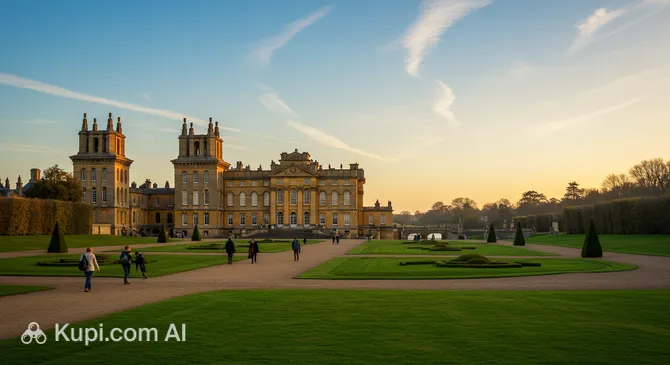
Blenheim Palace. Illustration.
Source: Kupi.com AI

Traveler photos:

The palace is an outstanding example of English Baroque, a style also referred to as the "Queen Anne style." Its scale is breathtaking: the architectural ensemble features strict symmetry, with two additional courtyards on either side of the vast central court, connected to the main building by elegant colonnaded galleries. Construction took place from 1705 to 1724 based on the designs of architects John Vanbrugh and Nicholas Hawksmoor.

Visiting Blenheim Palace is a unique opportunity to touch the aristocratic history of England, enjoy magnificent architecture, and stroll through endless park landscapes. The site is particularly famous as the birthplace of Sir Winston Churchill, one of the most famous British Prime Ministers, in 1874. The palace leaves an unforgettable impression and is rightfully considered one of the country's main gems.

Contacts

For planning your visit, checking current opening hours, ticket prices, and information about ongoing events, it is recommended to consult official sources. You will always find the most accurate and up-to-date information on the official Blenheim Palace website.

How to contactContact
AddressWoodstock OX20 1PS, UK
Phone number+44 1993 810530
Websitewww.blenheimpalace.com

What to Do

A visit to Blenheim Palace is an immersion into the world of aristocratic Great Britain, where every room and corner of the park tells its own story. Inside, visitors can explore the magnificent state rooms, which house priceless collections of art, tapestries, fine furniture, and porcelain. Although contemporaries considered the interior rooms uninviting, today their decor, combining the austerity of Classicism and the opulence of Baroque, makes an indelible impression. Special attention should be paid to the architectural details: the powerful portico of the main entrance, the ornate corner towers, and the triumphal arch on the park facade.

Of particular interest to many guests is the exhibition dedicated to Sir Winston Churchill, who was born at the palace in 1874. The exhibition details the life of the great Prime Minister and includes the room where he was born. Furthermore, at certain times of the year, even the private apartments where the current Duke of Marlborough's family resides are open to visitors, as well as the historic kitchens and servants' quarters, providing a glimpse into the behind-the-scenes life of the palace.

The vast parkland deserves no less attention, being a masterpiece of landscape art in itself. Here you can walk for hours, enjoying the views created by the famous Lancelot Brown. Visitors can enjoy several themed gardens, including the Italian Garden, the Rose Garden, and the mysterious Secret Garden. For family leisure, the Pleasure Gardens are ideal, featuring a giant hedge maze and a butterfly pavilion. There is also a miniature train running through the grounds to take you to different parts of the park, and those interested can even go fishing on the large lake.

Getting There

Getting to Blenheim Palace is quite simple, especially if you are traveling from Oxford. The palace is located in the picturesque town of Woodstock, just a few kilometers from the university center, making it an ideal destination for a day trip. Thanks to well-developed transport links, visitors can choose the most convenient method for themselves — from public transport to car or taxi.

The most popular and economical way to reach the palace is by bus. Stagecoach offers regular services from central Oxford directly to the palace grounds gates. Look for bus routes S3 and S7, which depart from Gloucester Green bus station and Oxford railway station approximately every 30 minutes. The journey takes about 35-40 minutes and allows you to enjoy views of the countryside. A nice bonus: by traveling on public transport, you can get a 20% discount on your admission ticket by presenting your bus ticket upon purchase.

If you prefer traveling by train, the nearest major railway station is in Oxford. From there, you can easily transfer to one of the aforementioned buses (S3 or S7), which stop right by the station. You can also use a taxi — the trip from central Oxford will take about 20-30 minutes but will cost significantly more. For those traveling by car, the palace is conveniently located near the A44 road, and there is ample parking for visitors on-site.

Nearest city: Oxford

History & Facts

The history of Blenheim Palace is a tale of military glory, royal generosity, and family ambition. The palace owes its existence to the victory of the first Duke of Marlborough over French forces at the Battle of Blenheim in 1704. In recognition of his outstanding service, Queen Anne gifted him the land where an old royal palace had previously stood and promised that the construction of a new residence would be state-funded. Work began in 1705 under the direction of architects John Vanbrugh and Nicholas Hawksmoor; however, the Duke himself, absorbed in military and political affairs, took little interest in the process.

The main driving force behind the project was his wife, the ambitious and powerful Sarah Churchill. It was she who took control of the construction, but she soon faced serious difficulties. After Queen Anne's death in 1714, it was discovered that no official documents existed to confirm the promise of state funding. As a result, all further expenses fell on the shoulders of the Marlborough family, which significantly complicated and prolonged the palace's construction.

Architect John Vanbrugh aimed to create not just a home, but a true monument that would immortalize the Duke's military exploits in stone. His grandiose designs, however, often conflicted with the more pragmatic and sometimes capricious demands of Duchess Sarah. These disagreements between the client and the architect added drama to the construction history. Despite all the challenges, Blenheim Palace was completed and became a magnificent symbol of the era and one of the most significant aristocratic residences in Great Britain.

Time Needed

When planning a visit to Blenheim Palace, it is worth setting aside a significant part of the day. To fully enjoy the grandeur of the palace and the beauty of the park and gardens without rushing, it is recommended to plan for at least 4–5 hours. This will be enough time to see the main state rooms, walk through the grounds, and perhaps even have time for a snack at one of the local cafes.

The duration of your visit will depend on your interests. A quick tour of the main palace rooms with an audio guide can take about 40 minutes. However, if you want to explore the exhibition dedicated to Winston Churchill and the priceless art collections in detail, the palace itself will take at least one and a half to two hours. The extensive gardens and park deserve no less attention: a walk through the formal gardens, the landscape park, and around the lake can easily take another couple of hours.

If you are traveling with children or want to explore every corner of the estate, you will need even more time. There are additional attractions on-site, such as a giant hedge maze, a butterfly house, and a miniature train, which will add at least an hour to your visit. Thus, 2-3 hours might suffice for a brief overview, but to truly experience the atmosphere of this unique place, it is better to dedicate half a day or even more to it.

Working Hours

Blenheim Palace is open to visitors most of the year, but opening hours may vary depending on the season and the specific area of the estate. It is important to remember that the park, gardens, and the palace itself have different schedules. Usually, the park opens first, around 9:00, while the formal gardens and palace begin welcoming guests from 10:00–10:30. Closing happens in stages: the palace and gardens usually close for entry around 16:30-16:45, while the park itself may be open until 18:00. Occasionally, certain rooms or the entire grounds may be closed for private events, so it is highly recommended to check current information before your visit.

To guarantee entry and avoid queues, especially during the peak tourist season or on weekends, it is strongly recommended to book tickets in advance online on the official website. This will also keep you informed of any schedule changes. Given that the estate often hosts special events, such as Christmas markets or festivals, opening hours during these periods may differ from the standard ones. Always check the official Blenheim Palace website for the most accurate and up-to-date information before planning your trip.

DayOpening hours
Monday10:00 – 16:30
Tuesday10:00 – 16:30
Wednesday10:30 – 16:30
Thursday10:00 – 16:30
Friday10:00 – 16:30
Saturday10:00 – 16:30
Sunday10:00 – 16:30

Nearby

A visit to Blenheim Palace is just part of what this historically rich corner of England has to offer. To fully experience the atmosphere of Oxfordshire, it is worth exploring its surroundings. Proximity to the famous university city of Oxford opens up a wealth of opportunities for fascinating discoveries that will make your trip even more fulfilling and memorable.

Exploring nearby attractions, from ancient museums to picturesque natural landscapes, will allow you to immerse yourself deeper into the culture and life of the region. A short trip to neighboring sites can be a wonderful addition to the impressions of the palace's grandeur, showing you another, no less interesting side of this area.

NameDistance
The Perch9.8 km
Spice Lounge9.8 km
Oxford University Museum of Natural History11.7 km
Pitt Rivers Museum11.7 km
Ashmolean Museum11.8 km
Old Delhi11.8 km
Turf Tavern12.1 km

Have you reached the end of the page?

So the route has been studied inside and out