Support

Oxford Botanic Garden

About

The Oxford Botanic Garden is more than just a picturesque spot; it is the oldest botanic garden in all of Great Britain. Founded back in 1621, it is located in the famous university city of Oxford and is an integral part of the University of Oxford.
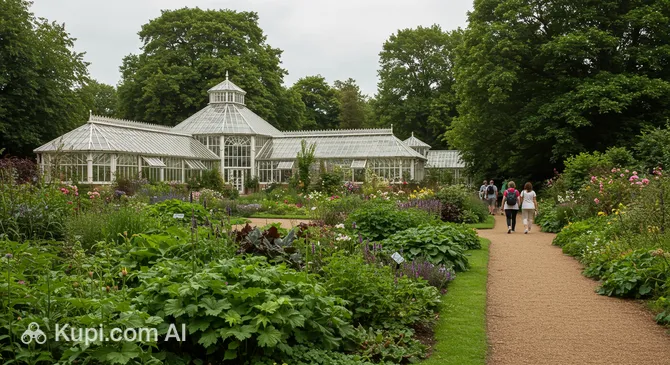
Oxford Botanic Garden. Illustration.
Source: Kupi.com AI

Traveler photos:

Originally, the garden was conceived as a "teaching garden" or, as it was known then, a "physic garden," where medicinal plants were grown for medical students. It was a place where future doctors learned the secrets of botany and plant physiology. The garden’s site, covering about 2 hectares, was a generous gift to the university from the English statesman Henry Danvers, the 1st Earl of Danby.

Despite its venerable age of four centuries, the Oxford Botanic Garden maintains its original mission to this day. It continues to serve as an important teaching and research center, carefully preserving and studying the vast collection of plants gathered over the centuries of its existence. It is a true living legacy, showcasing the diversity of flora from around the world.

A visit to this garden is a unique opportunity to connect with the history of science and enjoy the beauty and tranquility of nature in the heart of academic Oxford. Everyone will find something of interest here, from rare exotic species to traditional English garden arrangements, making it a consistently attractive destination for tourists and botany enthusiasts alike.

Contacts

For the most up-to-date information on opening hours, ticket prices, and available tours at the Oxford Botanic Garden, we recommend visiting the garden's official website or checking with local tourist centers in Oxford. You can typically find all necessary contact details there, including phone numbers and email addresses, if they are publicly available.

How to contactContact
AddressRose Ln, Oxford OX1 4AZ, UK
Phone number+44 1865 610300
Websitewww.obga.ox.ac.uk

What to Do

Visitors to the Oxford Botanic Garden can immerse themselves in the wonderful world of flora by exploring its vast and diverse plant collection. Here, you'll find both stunning ornamental species and plants of significant medicinal value. A walk through the garden offers not only aesthetic pleasure but also a chance to connect with the living history of botany, studying specimens from all over the world.

The legendary English yew, planted back in 1645, deserves special attention. Despite its venerable age, the tree—thanks to centuries of pruning and shaping—does not look as ancient or massive as one might expect, which is an interesting sight in itself. Additionally, visitors can see other historical plants, such as the common medlar (Mespilus germanica), which was included in the garden's very first plant catalog published in 1648.

Thus, a visit to the Oxford Botanic Garden offers much more than just a view of beautiful flowers. It is a unique opportunity to learn about the scientific and historical significance of plants, making it equally appealing to dedicated botanists and students, as well as curious tourists looking to enrich their experience in Oxford. You can stroll leisurely along well-kept paths, enjoying the peace and beauty of this historic site.

Getting There

The Oxford Botanic Garden is located in the heart of Oxford, on High Street, making it easily accessible for visitors. Thanks to its central location, the garden can be reached in various ways, depending on your preferences and starting point.

If you are in central Oxford, the botanic garden is well within walking distance. It’s a pleasant stroll that allows you to enjoy the city's architecture. Many of the University of Oxford's colleges are in the immediate vicinity. Additionally, Oxford has a well-developed public transport network. Numerous bus routes run along or near High Street, so you can easily find a bus heading in the right direction. Stops are usually just a few minutes' walk from the garden entrance.

For those who prefer a more comfortable way to travel or are carrying luggage, taxis are always available. They can be easily found in the city center or ordered by phone. A ride from most areas of Oxford to the botanic garden will be quick and reasonably priced. If you are arriving in Oxford by train, the garden is also accessible from the railway station by bus or taxi.

Nearest city: Oxford

History & Facts

The history of the Oxford Botanic Garden dates back to 1621, when Henry Danvers, the 1st Earl of Danby, provided the funds for its founding. However, as often happens with ambitious projects, construction moved slowly and was only completed by 1633, by which time the original funds had been entirely spent. The first superintendent of this unique place was the renowned German botanist Jacob Bobart, who was invited to Great Britain in 1642 to manage the garden. The University of Oxford's financial difficulties were so severe that Bobart went unpaid for seven years; to survive, he had to sell fruit grown in the garden.

Despite these challenges, Jacob Bobart set about developing the garden with great enthusiasm. He not only cultivated fruit trees and bushes, which were vital for food, but also actively maintained and expanded the collection of ornamental plants. Bobart was particularly known for his love of yews: he planted them in significant numbers, usually in pairs, and used skillful clipping to shape their crowns into whimsical and memorable forms. A major milestone in the garden's history was the 1648 publication of the first plant catalog for the Oxford Botanic Garden, which included various species, such as the common medlar.

Time has only confirmed the immense significance of this green haven. In 2021, the Oxford Botanic Garden celebrated its impressive 400th anniversary. This milestone firmly establishes it as one of the oldest and most prestigious botanic gardens not only in Great Britain, but in the entire world. Throughout its four centuries of existence, the garden has lost none of its scientific and educational value. It continues to serve as an invaluable resource for botanical study, important research, and, of course, a source of inspiration for everyone who appreciates the beauty and wisdom of nature in the heart of Oxford.

Time Needed

When planning a visit to the Oxford Botanic Garden, you should allow for 1.5 to 3 hours for a thorough but leisurely tour. This time is usually enough to walk through the main themed zones, including the glasshouses with exotic plants, historical plantings, and the picturesque areas along the River Cherwell. You will be able to soak up the atmosphere of the oldest botanic garden in Great Britain and appreciate its rich collection.

Of course, the duration of your visit may vary. If you are a passionate gardener, have a deep interest in botany, or simply want to spend more time in a peaceful environment, feel free to set aside half a day. The garden offers many details to explore, from medicinal plants to rare species, and every corner holds its own story. It’s also worth noting that the garden occasionally hosts exhibitions or events that might extend your stay.

In any case, even a short walk through the Oxford Botanic Garden will leave a pleasant impression and allow you to touch living history in the heart of Oxford. The most important thing is to enjoy the moment and the beauty of the surrounding nature without watching the clock too closely.

Working Hours

The Oxford Botanic Garden is usually open to visitors year-round, though opening hours may vary depending on the season. For instance, in the summer, the garden typically stays open longer than during the winter months. To find the exact schedule for the specific day of your visit, as well as information on ticket prices, it is highly recommended to check the official Oxford Botanic Garden website or contact them directly. There, you can also confirm if advance ticket booking is required, especially during peak tourist seasons or for special events.

Sometimes, separate hours or advance registration may be required for entry into certain glasshouses or exhibitions. Therefore, when planning your trip to this historic garden in Oxford, it is always best to check the most current information from official sources beforehand to ensure your visit is as comfortable and pleasant as possible.

10:00 – 16:00

Nearby

Visiting the Oxford Botanic Garden is undoubtedly a wonderful experience. However, to make your trip to Oxford even more enriching and memorable, we recommend taking some time to explore the surrounding area. This ancient university city is full of historical treasures, architectural masterpieces, and cozy corners located in the immediate vicinity of the garden.

A walk through the nearby attractions will allow you to dive deeper into the atmosphere of Oxford, feel its unique spirit, and see how harmoniously nature, science, and centuries of history blend here. Many of the city's iconic landmarks are literally just a few steps away from the Oxford Botanic Garden, making them easy to explore.

NameDistance
Magdalen College0.2 km
Radcliffe Camera0.5 km
University Church of St Mary the Virgin0.5 km
Bodleian Library0.6 km
Turf Tavern0.6 km
Christ Church0.6 km
Sheldonian Theatre0.6 km

Have you reached the end of the page?

So the route has been studied inside and out