Support

Harlow

About

Harlow is a charming town located in the county of Essex in the east of the United Kingdom, just 35 kilometers northeast of London. It is situated on the picturesque banks of the River Stort, which lends it a special charm and allows residents and visitors to enjoy an abundance of green parks and natural spots right within the town limits. Thanks to its convenient transport links, Harlow is easily accessible for travelers from the capital and guests from across the country.

With a population of around 82,000 people, Harlow successfully combines the dynamics of a modern town with the atmosphere of a peaceful English settlement. It is an important administrative and economic center for the region, where history and modern trends harmoniously intertwine. The town is known for its well-developed infrastructure, and its atmosphere charms visitors with the openness and friendliness of the locals.
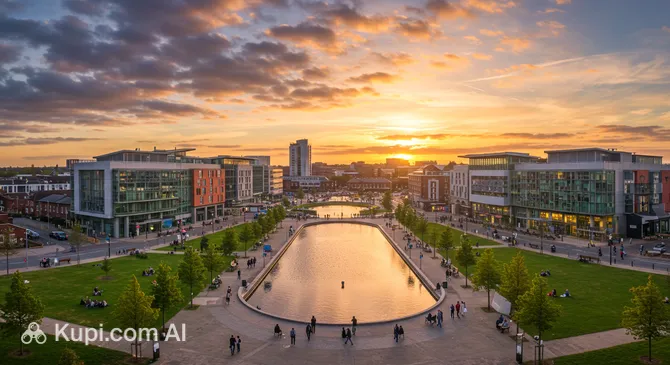
Harlow. Illustration.
Source: Kupi.com AI

Harlow offers its guests many interesting places to visit. The town is famous for its well-kept parks, unique gardens, and numerous outdoor sculptures that form part of its cultural heritage. Key attractions include Harlow Town Park, one of the largest urban parks in the country, offering space for relaxation and entertainment, and the Gibberd Garden, renowned for its exquisite landscape design and sculpture collection. The town also features art galleries and the Playhouse theatre, which offers a diverse cultural program.

Harlow is not only a place for a quiet getaway in nature but also an excellent starting point for exploring the scenic county of Essex and its surroundings, including quick access to London. If you are looking for a blend of cultural leisure, green spaces, and British hospitality, Harlow is a wonderful choice for your trip.

You can find more interesting facts on the history of Harlow page.
Weather Overview

The weather in Harlow is characterized by its moderate nature throughout the year. Summers are usually warm, with average temperatures in July and August around 18°C (with maximums reaching 22°C), while winters are mild, with an average January temperature of about 4.8°C. Precipitation is relatively evenly distributed, averaging 2-3 mm per month, with the number of rainy days ranging from 9 to 14. Expect warm summers with occasional showers and cool, damp winters. For more details, visit the Harlow Climate page.

Average monthly temperature

Average monthly precipitation

Interesting Facts

In addition to its modern amenities and green spaces, Harlow hides many surprising details and stories that make it truly special. Here are just a few interesting facts about this town:

  • Harlow is not just a town, but one of the first "New Towns" in the UK, designed after World War II by the famous architect Sir Frederick Gibberd. His "garden city" concept envisioned a harmonious blend of residential areas with vast green zones, which still defines Harlow's appearance today.

  • The town is home to the unique Gibberd Garden, created by Sir Frederick himself and his wife. It is not just a picturesque place for a stroll, but a veritable open-air museum where dozens of modern sculptures are placed among exotic plants.

  • One of the largest urban parks in the UK is Harlow Town Park. Its extensive grounds include not only recreation and sports areas but also the popular Pets’ Corner mini-farm, where children can interact with domestic animals.

  • Harlow is often called "Sculpture Town." This is no coincidence: over 70 works of art by famous 20th-century masters can be found on its streets and in its parks, turning a walk through town into a fascinating introduction to modern art.

Harlow Town Park. Illustration.
Source: Kupi.com AI

Traveler photos:

How to Get There

Harlow boasts excellent transport links due to its proximity to the capital and the country's major transport hubs. The town is conveniently located near the M11 motorway and has convenient rail connections. You can find out more about how to get to Harlow by exploring the various routes and transport modes available to travelers.

Harlow does not have its own airport, but its location makes it easily accessible for international tourists. The nearest airport, just 16.5 km away, is Stansted (IATA: STN), located on the outskirts of London. This is the most convenient arrival option: a taxi or bus ride takes about 45 minutes. Stansted handles many European flights and is a major hub. Another important option is Heathrow Airport (IATA: LHR) in London, about 50 km from Harlow. It is the country's largest aviation hub, receiving flights from all over the world. The journey from there takes about 1 hour and 35 minutes by car.

For convenience, here is summary information on the main airports used to reach Harlow:

AirportPassenger trafficDistance
Stansted Airport29.8 mln17 km
London City Airport3.6 mln29 km
London Luton Airport16.7 mln34 km
London Southend Airport172 06847 km
Heathrow Airport83.9 mln50 km

Rail travel is one of the most popular ways to get to Harlow, especially from the capital. Harlow itself has the Harlow Town station, with trains departing from major London stations. A key hub is Liverpool Street station (IATA: ZLS) in London, located about 30 km from Harlow. This is where most direct trains toward Essex depart. Also worth noting is King's Cross station (IATA: QQK) in London (30 km from Harlow), which is an important transport hub, though it may require a transfer for trips to Harlow. The journey time from London stations to the town is usually between 30 and 45 minutes by train.

Below is a table of the nearest major railway hubs for planning your route:

StationPassenger trafficDistance
Stratford International Station56.6 mln26 km
King's Cross Station20.5 mln30 km
Liverpool Street Station94.5 mln30 km
St Pancras International36 mln30 km
Euston Station36.2 mln31 km

Main Attractions

Harlow, despite its size, offers several interesting spots to enhance your stay. These include green spaces for relaxation as well as venues where you can enjoy delicious food and a pleasant atmosphere.

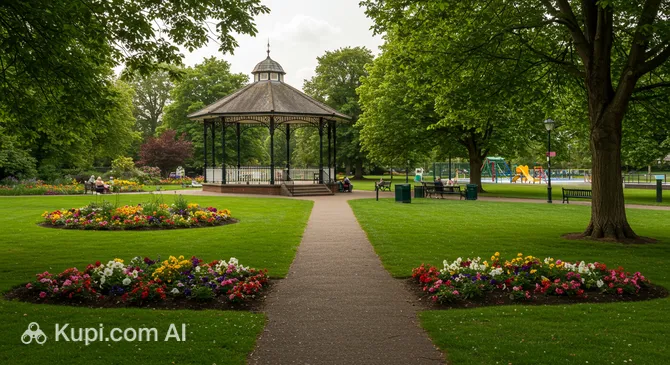
One of the main green jewels of Harlow is Harlow Town Park. It is a wonderful place for outdoor recreation, leisurely strolls, and picnics. The park features well-maintained paths, spacious lawns, and various leisure opportunities, making it attractive for both quiet downtime and active family fun.

Harlow Town Park. Illustration.
Source: Kupi.com AI

Traveler photos:

If you get hungry while exploring the town and want to try something original, check out the mui & koko noodle bar. This restaurant specializes in noodle dishes, inviting guests to dive into a world of Asian flavors. It is a great spot for a quick and satisfying lunch or dinner in a relaxed setting.

mui & koko noodle bar. Illustration.
Source: Kupi.com AI

Traveler photos:

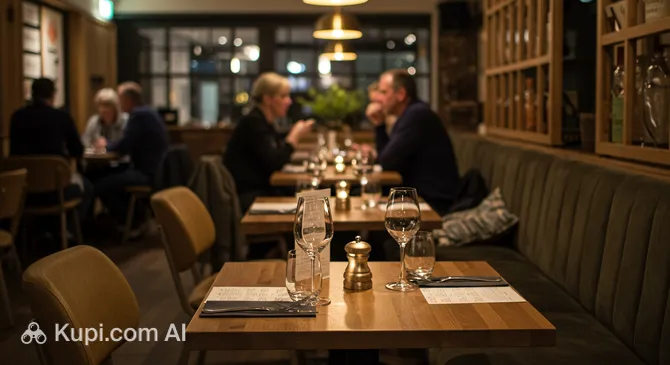
For lovers of European cuisine and a more refined atmosphere, Sevin Brasserie opens its doors. This restaurant-category establishment offers a diverse menu capable of satisfying various gastronomic preferences. "Sevin Brasserie" is suitable for both business meetings and romantic dinners, where you can enjoy quality dishes and pleasant service.

Sevine Brasserie. Illustration.
Source: Kupi.com AI

Traveler photos:

Local Cuisine

The gastronomic scene in Harlow will pleasantly surprise you with its diversity, reflecting the multinational character of modern Great Britain. Here, traditional British dishes harmoniously coexist with cuisines from around the world, offering travelers a wide range of flavors and culinary experiences. The local cuisine emphasizes the use of fresh produce from Essex farms, adding a special touch to the dishes.

Among the dishes you should definitely try in Harlow are classic British treats. Start with the legendary fish & chips (battered fish with fries), try a hearty shepherd’s pie, or enjoy aromatic meat pies with thick gravy. These dishes are hallmarks of British cuisine and are widely available in local pubs and restaurants.

As for drinks, traditional English tea remains the staple accompaniment to many meals. For those who prefer something stronger, Harlow offers a good selection of local ales and ciders. These can often be found on the menus of authentic pubs or even sampled at farmers' markets, where local producers showcase their goods.

The dining culture in Harlow is diverse. Cozy gastropubs are popular spots for lunch or dinner in a relaxed setting. Visit the farmers' markets – they are a great opportunity not only to buy fresh cheeses, pastries, homemade jams, and traditional English sweets but also to feel the local vibe. For a quick and tasty snack, you can find stalls on the town streets offering everything from traditional English snacks to Indian, Chinese, and Mediterranean cuisine. If you prefer restaurant service, Harlow has much to offer: from venues with European cuisine, such as Sevin Brasserie, offering a pleasant atmosphere and quality dishes, to places specializing in Asian flavors like mui & koko noodle bar.

Locals also love having picnics in the town's many parks, such as Harlow Town Park, especially when the weather is fine. Additionally, Harlow periodically hosts food festivals and fairs, where local chefs and farmers present their best products, providing a perfect opportunity to get acquainted with the region's culinary traditions and try something new.

Travel Tips

Planning a trip to Harlow? Wonderful! To ensure your journey through this interesting town in Essex goes smoothly and leaves only pleasant impressions, we've prepared some practical tips.

  1. Clothing and Essentials: The weather in the UK, and Harlow in particular, is quite changeable. We recommend bringing clothes that can be layered and definitely pack a waterproof jacket or an umbrella. Comfortable shoes are your best friend for walks around town and its parks. Don't forget an adapter for British sockets (Type G). There is usually no specific dress code for visiting attractions, but modest clothing is preferred when visiting religious sites.
  2. Transport: It is convenient to get around Harlow using local buses – the main form of public transport. Taxis and popular ride-hailing apps are also available. Renting a car can be useful if you plan to explore the Essex countryside, but it is not strictly necessary for moving within the town itself. The town has an extensive network of cycle paths, so you might consider this eco-friendly option as well.
  3. Finance: The local currency is the British Pound Sterling (£, GBP). You can exchange currency at banks or exchange offices, but it's usually more cost-effective to withdraw cash from ATMs or pay by card. Credit and debit cards from international systems are accepted almost everywhere. ATMs are easy to find throughout the town. Tipping in restaurants is usually 10-15% of the bill if a service charge isn't automatically included. Tipping in pubs is not customary unless you are ordering food at a table.
  4. Health and Safety: Pharmacies (often called "chemists" in the UK) are located in various districts of Harlow; some may be open on weekends or have extended hours, but 24-hour pharmacies are less common. If medical assistance is needed, tourists should contact local clinics or hospitals (NHS). Harlow is generally considered a safe town, but as with anywhere, standard precautions should be taken: keep an eye on your belongings in crowded areas and avoid poorly lit areas after dark.
  5. Communication: The main language is English. Locals are usually friendly and ready to help if you approach them. You can buy a local SIM card for mobile data and calls at supermarkets, electronics stores, or mobile phone shops. Free Wi-Fi is available in many cafes, restaurants, hotels, and public places.
  6. Local Etiquette: The British value politeness. Words like "please," "thank you," and "excuse me" are used very frequently. Queueing is a respected tradition – do not try to skip the line. In public places, try not to be too loud or draw unnecessary attention to yourself.
  7. What to Avoid: Try to avoid discussing controversial political topics loudly, especially with strangers. Also, do not forget the rule of the queue – attempting to "push in" will be perceived very negatively. Do not litter on the streets – use the bins provided.
  8. The Harlow Identity: Harlow is one of the "New Towns" designed after World War II. Pay attention to its layout, the abundance of green spaces, and the public art installations that are part of its unique heritage. A walk through parks like Harlow Town Park is a real pleasure.

We hope these tips help you better prepare for your trip and enjoy every moment of your stay in Harlow. Have a great journey!

Entertainment & Nightlife

Harlow offers its guests various opportunities for evening and night-time leisure, although it may not boast the scale of a major metropolis. As darkness falls, the town comes alive, and the main concentration of evening activity is found in its central part, where pubs, bars, and restaurants are clustered. Here you can find establishments for every taste – from traditional English pubs to modern bars.

An evening in Harlow can begin with a pleasant dinner. Notable places to enjoy a meal and spend time include mui & koko noodle bar, offering Asian cuisine, or Sevin Brasserie with a more classic European menu. These spots are perfect for a quiet evening or as a starting point before heading to livelier venues. While Harlow might not have massive nightclubs, you can find traditional British pubs that often host live music or DJ sets on weekends, as well as cozy bars with a wide selection of drinks. The atmosphere in these places is usually friendly and casual, attracting both locals and visitors.

When planning an evening out, keep in mind that most pubs close around midnight, while some bars may stay open later, especially on Fridays and Saturdays. The dress code in most Harlow venues is quite democratic, though smart casual may be appropriate for some restaurants or bars. Prices for drinks and food generally align with the average level for towns of this size in the UK. For traveling at night, it is recommended to use taxi services, which can be called by phone or through mobile apps. Central areas are generally safe for evening walks, but it is always wise to observe standard safety precautions.

During the day, Harlow also offers interesting leisure options. Nature lovers and those seeking peace can visit Harlow Town Park — a beautiful place for walks, picnics, and outdoor activities. The town also provides cultural leisure opportunities: you can visit local galleries or the Harlow Playhouse theatre, which hosts various performances, concerts, and shows. Families with children might find interest in the playgrounds and entertainment centers located throughout the town.

Overall, Harlow offers a balanced selection of entertainment for both day and evening, allowing every guest to find something to their liking and make their stay fulfilling.

Parks & Museums

Harlow is a town that offers its guests a harmonious blend of vast green spaces for outdoor relaxation and interesting cultural institutions where you can learn about its history and art. Everyone will find something to do here, whether it's a leisurely stroll through a park or a visit to a fascinating museum exhibit.

One of the town's main green jewels is Harlow Town Park. This extensive and well-maintained space is ideal for family holidays, picnics, sports, or simply peaceful walks. The park features picturesque gardens, a pond, modern children's playgrounds, and even a small zoo called Pets' Corner, which is especially popular with younger visitors. Nature enthusiasts should also visit Parndon Wood Nature Reserve, an ancient woodland with many trails where you can observe local flora and fauna. A unique feature of Harlow's layout is its "green wedges" – open spaces that penetrate the town – while walks along the River Stort, particularly around the historic Harlow Mill area, offer tranquility and beautiful views.

Harlow Town Park. Illustration.
Source: Kupi.com AI

Traveler photos:

The cultural life of Harlow is also vibrant. To get a closer look at the town's history, head to the Harlow Museum & Walled Gardens. The museum is housed in a former manor house and tells the story of the region's development from prehistoric times to Harlow's emergence as one of Britain's "New Towns" in the 20th century. The historic walled gardens adjacent to the museum are an enchanting place for a secluded walk. Art lovers will enjoy The Gibberd Gallery, located in the Civic Centre. Named after Sir Frederick Gibberd, Harlow's master planner, it houses a collection of 20th-century British art and hosts temporary exhibitions.

Harlow itself is of interest as a prime example of post-war urban planning and the "New Town" concept. One of its unique features is the large number of public sculptures created by famous artists such as Henry Moore and Barbara Hepworth. These artworks are seamlessly integrated into the urban environment and can be discovered while walking through various districts.

For a more authentic experience, explore Harlow by bike – the town has a well-developed network of cycle paths connecting its parks and residential areas. Also worth a visit is The Gibberd Garden – a unique 20th-century garden created by Sir Frederick Gibberd, featuring a collection of sculptures, architectural elements, and rare plants, making it a lesser-known but very picturesque attraction.

Getting Around

Public transport in Harlow is mainly represented by a bus network that provides travel within the town as well as connections to nearby settlements. Rail links play an important role for longer-distance travel, including trips to London and other major cities.

Buses are the primary mode of public transport for moving around Harlow. The route network, operated by companies such as Arriva and other local providers, is quite developed and covers most areas of the town. Buses run according to a schedule, which can be found at stops or on the transport companies' websites. The frequency depends on the route and time of day, but overall, the bus service is regular.

The fare payment system in Harlow is quite modern. In most buses, you can pay using a contactless bank card directly upon boarding. It is also possible to buy tickets from the driver, but it's recommended to have the exact change. The approximate cost of a single bus journey is around £2-£3. For those planning to use public transport frequently, day riders (day passes) can be cost-effective, typically ranging from £5-£10 depending on the coverage area; weekly or monthly passes are also available. It is best to check precise fares and ticket types on the websites of bus operators like Arriva or through their mobile apps, which also allow for online ticket purchases.

Harlow Town railway station is a major transport hub with trains departing for London (Liverpool Street station), Cambridge, and Stansted Airport. Train tickets can be purchased at station ticket offices, from self-service machines, or online via the websites and apps of rail operators. It is recommended to buy tickets in advance, especially for popular routes, to secure better fares.

Practical tips for tourists: When planning your trips, use popular online maps and navigation apps such as Google Maps or Citymapper to help build the best route. Apps from specific transport operators, such as the Arriva Bus app or National Rail Enquiries for trains, are also useful for finding current schedules and sometimes tracking transport in real-time. Major stops and stations usually have information displays. Public transport generally operates from early morning until late evening, though schedules may change on weekends and holidays. Always check operating hours in advance, especially if you are planning late journeys.

Alternative ways to get around Harlow include taxis, which can be ordered by phone, through mobile apps, or found at designated ranks. The town also offers opportunities for cycling; as a "new town," Harlow was originally designed with cycle paths in mind, making this mode of transport quite convenient. For short distances in the town center and residential areas, traveling on foot is perfectly comfortable.

Accommodation

When planning a trip to Harlow, you will find a variety of accommodation options to suit different preferences and budgets. The town features hotels of various categories, cozy bed and breakfasts (B&Bs), and short-term rental apartments that offer more space and amenities for self-catering stays.

For convenience, tourists are recommended to choose accommodation located near the town center or main transport hubs. This provides easy access to shops, restaurants, and local attractions such as Harlow Town Park. While the provided information does not list specific famous hotels, in Harlow, as in many British towns, you can find both hotel chains and independent establishments offering a comfortable stay.

The price range for accommodation in Harlow varies from budget options to mid-range hotels. To ensure availability and get the best prices, especially during local events or popular tourist seasons, it is recommended to book your accommodation in advance. Most options can be easily found and booked through popular online platforms or directly on the websites of hotels and guest houses.

Nearby Cities

For those looking to explore the surrounding area, Harlow serves as an excellent starting point for day trips to several interesting nearby locations:

Among them, Hoddesdon is worth highlighting; located just 7 km from Harlow, it attracts visitors with its calm atmosphere and opportunities for leisurely walks. Approximately 11 km away is Cheshunt, which is interesting for nature lovers due to its proximity to the Lee Valley Regional Park. The larger town of Enfield (about 17 km away) offers more leisure options, including shopping and historical sites.

CityPopulationDistance
Hoddesdon42 2537 km
Broxbourne15 3038 km
Epping11 0478 km
Ware18 7999 km
Waltham Abbey22 85911 km

These nearby destinations allow you to get a sense of the diverse culture and landscapes of the region.

Shopping & Souvenirs

Harlow offers visitors pleasant shopping opportunities, combining well-known British high-street chains with small independent shops. While the town isn't famous for exclusive goods, you can find everything you need here and have a pleasant time strolling through the shopping zones.

The main shopping life in Harlow is concentrated in its center. Key shopping destinations are The Harvey Centre and The Water Gardens. These modern complexes offer a wide selection of clothing, footwear, electronics, and home goods stores, as well as cafes and restaurants to relax in between shopping trips.

The Harvey Centre is a popular indoor shopping mall featuring many well-known brands, including fashion retailers and department stores. The Water Gardens is another major shopping complex, partially open-air, which also offers a diverse range of products and services, including a cinema and restaurants, making it an attractive place for both shopping and leisure.

Harlow also hosts the traditional Harlow Market, usually located in the town center. Here you can find fresh produce, clothing, household goods, and various trinkets. The market gives the town a special character and is a great place for those looking for something more authentic or who simply want to experience the local atmosphere.

As souvenirs from Harlow, you can bring back traditional British goods: tea, biscuits, and jams. You might also look for products featuring the symbols of Essex or the town itself if available in local gift shops. Occasionally, items made by local artisans can be found at the market or in small shops.

Shops in Harlow typically operate Monday through Saturday from approximately 9:00-10:00 AM to 5:30-6:00 PM. Some larger shopping centers may have extended hours, especially on Thursdays (until 8:00 PM or 9:00 PM) and on days leading up to holidays. On Sundays, most shops are open but operate on a reduced schedule, for example, from 10:00-11:00 AM to 4:00-5:00 PM. Bank cards (Visa, Mastercard, American Express) are accepted everywhere, and contactless payments are widespread. Cash is also accepted, though cashless payments are increasingly preferred.

Regarding Tax Free shopping, it is important to note that since the United Kingdom left the European Union, the Tax Free system for tourists taking goods in their personal luggage has been largely abolished. VAT refunds are now generally only possible for goods purchased and sent directly to an address outside the UK. It is recommended to check the current rules directly with stores before making large purchases.

Reached the end of the page?

That means the route is fully explored