Support

Hull Maritime Museum

About

Located in the heart of the historic city center, the Hull Maritime Museum is a true treasure trove for those wishing to discover the soul of this port city. Hull is rightfully proud of this venue, as Great Britain has always been famous for its maritime prowess, and it is here that this history comes alive in exquisite detail.
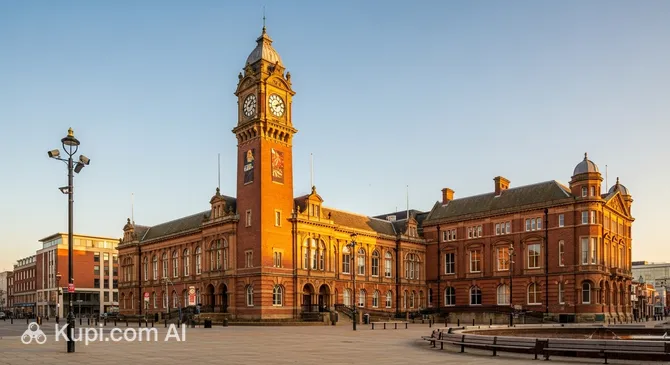
Hull Maritime Museum
Hull Maritime Museum. Иллюстрация. Источник: Kupi.com AI

The museum occupies a magnificent neoclassical building, formerly the Dock Offices. Inside, visitors will find an extensive collection dedicated to fishing, whaling, and bold Arctic exploration. The exhibition masterfully reveals the close connection between the region's inhabitants and the ocean, showcasing unique artifacts, navigational instruments, and superb ship models.

Of particular interest is the Hasholme Logboat—a cargo vessel made from a single oak timber, dating back over 2,300 years. It is displayed in a special glass chamber, allowing visitors to examine the ancient craftsmanship of the shipbuilders. The museum does more than just show sailors' everyday objects; it tells the story of how the sea shaped the character and appearance of the entire east coast.

Contacts

For information regarding upcoming events or special programs, you can contact the museum administration directly. Below are the organization's current contact details.

How to contactContact
AddressQueen Victoria Square, Hull HU1 3DX, Великобритания
Phone+44 1482 300300
Websitemaritimehull.co.uk

What to Do

A visit to the museum offers a deep dive into the atmosphere of maritime adventures. Here, you can get a close look at giant Arctic whale skeletons and learn about the harsh daily lives of whalers. Be sure to spend some time exploring the marine paintings and ancient maps that recreate the appearance of past centuries' harbors in great detail.

The museum halls feature interactive displays and educational films about the Royal Navy's contribution to the country's history. Both children and adults will enjoy looking at the intricately crafted ship models, each of which is an exact replica of real vessels that once roamed the oceans.

Don't forget to stop by the hall with the ancient Hasholme Logboat—it's a rare opportunity to see a Bronze Age object in such excellent preservation. Additionally, the museum regularly hosts temporary exhibitions dedicated to ocean environmental issues and modern maritime technologies, making every visit unique.

Getting There

Finding the Hull Maritime Museum is easy, as it is located in the heart of the city on Queen Victoria Square. If you arrive by train or intercity bus, your journey will begin at Hull Paragon Interchange. From there, the museum is just a 10–15 minute walk away, allowing you to enjoy the city's architecture.

For those who prefer public transport, numerous city buses stop in the immediate vicinity of the square. If you choose to take a taxi from outlying areas of the center, the trip will only take a few minutes. Drivers should look for multi-story car parks in the city center, as parking directly outside the museum building may be limited.

Its convenient location makes the museum an ideal starting point for a walk through the historic part of the city. Hull is located just 20 miles from the North Sea coast, emphasizing its status as a major maritime hub for the region.

Ближайший город: Hull

History & Facts

The Hull Maritime Museum was officially opened in 1975, choosing the grand building of the former Dock Offices as its home. This neoclassical structure is a monument in its own right to an era when the city was a thriving center of maritime trade.

The history of the settlement itself dates back to the late 12th century when monks from Meaux Abbey founded a port called Wyke-upon-Hull. In 1293, King Edward I purchased these lands to establish a strategic naval base, and by 1299, the city received its current official name—Kingston upon Hull. Thanks to its access to the Humber Estuary and the North Sea, the city quickly became a key English port for the trade of wool, wine, and fish.

The museum carefully preserves the memory of the "golden age" of whaling and fishing, which defined the region's economy for centuries. One of the most remarkable artifacts in the collection is the ancient Hasholme Logboat, which is approximately 2,300 years old. This oak cargo vessel, found in the river, serves as living proof that people were using these waters for trade as far back as the Iron Age.

Time Needed

To leisurely explore all the exhibitions and delve into the details of maritime history, most visitors require 1 to 2 hours. This is sufficient time to study the main halls, examine the ship models, and pay attention to the centerpiece—the ancient Hasholme Logboat.

If you plan to visit temporary themed exhibitions or watch documentary films about the ocean, your visit may take a bit longer. The museum is organized very compactly and logically, making it convenient for a quick yet informative introduction to the region's culture.

Working Hours

Currently, the Hull Maritime Museum is closed temporarily for visitors (CLOSED_TEMPORARILY). This may be due to restoration work or exhibition updates as part of large-scale maritime heritage conservation projects.

Before planning your trip, we strongly recommend checking the official museum website or social media pages for current information and potential reopening dates to ensure your visit is as productive as possible.

Nearby

The museum's location on the central square makes it an excellent base for further exploration of the city. Just a few steps away, you will find many historical monuments and cultural sites that help provide a complete picture of Yorkshire's heritage.

A walk through the surrounding area will allow you to see both the ancient gates of the city and modern interactive centers. Below is a list of the most interesting places located nearby:

NameDistance
Ferens Art Gallery0.1 km
Hull City Hall0.1 km
SEBU0.3 km
Queen's Gardens0.3 km
Hull Minster0.4 km
Service Station0.4 km
Brazilian Churrascaria & Bar0.5 km

Reached the end of the page?

That means the route is fully explored