Support

Wilberforce House

About

Wilberforce House is a unique historical museum located in the city of Hull. Built around 1660, the building is a striking example of the "Artisan Mannerism" style and is considered one of the oldest in the United Kingdom. The house owes its name to the prominent social activist and leader of the movement to abolish slavery, William Wilberforce, who was born here in 1759.
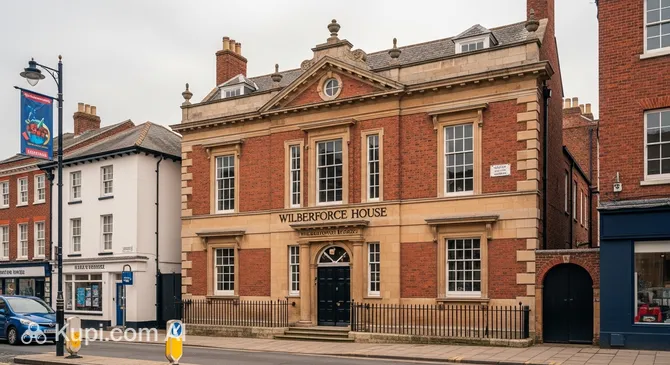
Wilberforce House
Wilberforce House. Иллюстрация. Источник: Kupi.com AI

Today, this site holds Grade I listed status and serves as the centerpiece of the city's Museum Quarter. Visitors are drawn not only by the grand red-brick facade with Dutch influences but also by the profound historical significance of the exhibitions. The museum was one of the first places in the world to openly raise the topic of ending human trafficking and the struggle for civil rights.

Inside the museum, restored 17th-century interiors sit harmoniously alongside modern multimedia exhibitions. The collections include artifacts related to the Wilberforce family's life, as well as documents and objects telling the story of Hull's maritime trade. This is a place where history comes to life, allowing guests not only to see ancient walls but also to realize the scale of the social reforms that began right here.

Contacts

To find out the latest information about special exhibitions or educational programs, you can contact the museum administration directly. Wilberforce House always welcomes guests and provides all the necessary support for comfortable visit planning.

Below are the main contact details and the physical address of the site:

How to contactContact
Address23-25 High St, Hull HU1 1NQ, Великобритания
Phone+44 1482 300300
Websitewww.hullmuseums.co.uk

What to Do

Inside the walls of the Wilberforce House museum in Hull, visitors can take a real journey back in time, exploring carefully restored merchant interiors. Particular attention should be paid to the main staircase, whose ceiling is decorated with the family's ancient coat of arms. The rooms feature authentic furniture, rare costumes, old coins, and even archery trophies, recreating the lifestyle of wealthy 18th-century citizens.

The museum's main exhibition is dedicated to the life and work of William Wilberforce. Here, you can see his personal belongings, original manuscripts, and portraits. Thanks to modern interactive installations, guests can study the history of the struggle against the slave trade in detail and learn how philanthropy transformed British society. Be sure to use the audio guide to hear fascinating stories about each exhibit.

After exploring the indoor halls, it is worth heading out to the courtyard and garden to see the famous Wilberforce statue, which has been restored and included in the National Heritage List for England. A walk along the adjacent High Street will allow you to admire the architecture of the old town and stop by historic pubs, such as Ye Olde Black Boy, which preserve the spirit of old port Hull.

Getting There

Wilberforce House is located in the heart of Hull's historic district, known as the Museums Quarter. If you are already in the city center, a walk to the building along the picturesque High Street will take no more than 15–20 minutes. From the main transport hub, Hull Paragon Interchange, the distance is about 1.2 km.

For those who prefer public transport, the museum is easily accessible by bus numbers 10, 11, or 50. You should get off at the Prospect Street stop, from where it is about a five-minute walk to the museum entrance. A taxi ride from the city center is also quick and convenient, as the site is located in a well-known tourist area.

Travelers arriving in the United Kingdom via Humberside Airport can take the No. 121 transfer and then change to a local bus to the city center. Drivers are recommended to leave their cars at the Q-Park Hull multi-story parking lot or the Old Town Parking area, as parking directly on the narrow, historic High Street can be difficult.

Ближайший город: Hull

History & Facts

Wilberforce House was built around 1660 by architect William Catlyn for the successful merchant Hugh Lister. The architectural style of the building, known as "Artisan Mannerism," incorporates Dutch influences, which are evident in its decorative brick facade and ornate trim. It is one of the oldest surviving structures in the city, having served for centuries as a symbol of the wealth and prosperity of local merchant dynasties.

The Wilberforce family purchased the mansion in 1732. It was here, on August 24, 1759, that William Wilberforce was born—a man whose name is forever etched in history as the leader of the movement to abolish slavery in the British Empire. Although the family was later forced to sell the house due to debt, its historical significance only grew, and in 1903, the City Council purchased the building to create a museum.

The museum opened in 1906, making it one of the first institutions in the world dedicated to the themes of human rights and the abolition of the slave trade. During the 1950s, neighboring Georgian houses were carefully restored and integrated into the museum complex, allowing us to see the complete face of 18th-century merchant Hull today.

An interesting interior detail is the Wilberforce family coat of arms in the form of an eagle, located on the ceiling above the main staircase. It was added around 1760 and still reminds visitors of the philanthropist's legacy. High Street itself was once a bustling commercial hub, where every house had its own access to the river via special jetties called staithes.

Time Needed

To leisurely explore all the exhibits and soak up the atmosphere of the old mansion, it is recommended to set aside 2–3 hours for your visit. The main part of the exhibition in Wilberforce House itself usually takes about an hour and a half, including studying William Wilberforce's personal belongings and the interactive displays about the fight against the slave trade.

Additionally, it is worth planning about 45 minutes to see the adjacent Georgian houses and walk through the garden, where the majestic statue of the famous philanthropist stands. If you also plan to wander along High Street itself and visit the nearby historic pubs, your journey into the past could last half a day, making it an excellent option for a relaxed cultural outing.

Working Hours

The museum is open to visitors throughout the week, making it easy to include in your travel itinerary. The standard operating hours are: from Monday to Saturday, the doors are open from 10:00 to 16:30, and on Sunday, guests are welcome from 11:00 to 16:00.

Please note that opening times may vary slightly on public holidays or during special cultural events. We recommend checking the museum's official website before your visit to confirm the current status and any possible temporary restrictions.

DayWorking hours
понедельник10:00–16:30
вторник10:00–16:30
среда10:00–16:30
четверг10:00–16:30
пятница10:00–16:30
суббота10:00–16:30
воскресенье11:00–16:00

Nearby

A walk through the historic center around the museum allows you to immerse yourself deeper into the atmosphere of the old port and see how the city's appearance has changed over the centuries. The neighboring streets hide many architectural monuments and interesting locations that perfectly complement your cultural itinerary.

Many of these sites are within walking distance, making the Museum Quarter area ideal for walking tours. Below are the nearest attractions:

NameDistance
Streetlife Museum0 km
Hull & East Riding Museum0.1 km
Queen's Gardens0.3 km
Hull Minster0.4 km
Service Station0.4 km
The Deep0.6 km
SEBU0.6 km

Reached the end of the page?

That means the route is fully explored