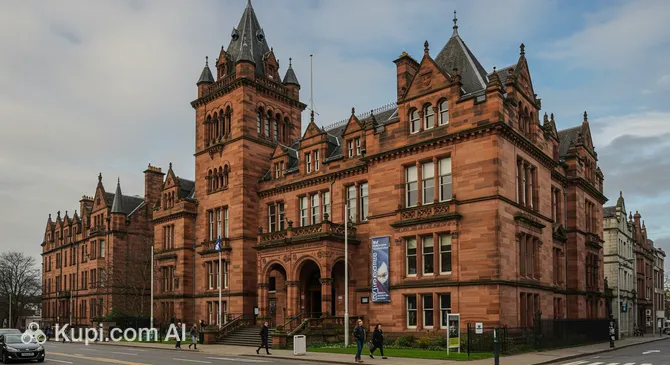
Located at the foot of the majestic castle, the Inverness Museum and Art Gallery is the primary custodian of the history of the country's northern region. This cultural hub in the city of Inverness offers travelers a unique immersion into the rich history preserved by Great Britain and, specifically, the Scottish Highlands.
Inverness Museum and Art Gallery. Illustration.
Source: Kupi.com AI
Traveler photos:
Within the museum's halls, you will find an amazing variety of exhibits: from ancient Pictish stones and archaeological finds to artifacts from the Jacobite Risings. Among the most valuable items are a 1745 gold medallion of Prince Charles Edward Stuart and rare examples of tartan. The museum building harmoniously combines the historical context of its location with modern exhibition spaces.
In addition to historical relics, the museum is famous for its art gallery and rich natural science collection, which includes rare minerals and fossils. This place is rightfully considered a must-visit for anyone who wants to understand the soul of the Highlands, its traditions, and its natural grandeur through the prism of the centuries.
Contacts
To inquire about special exhibitions or plan a group visit, you can contact the museum staff directly. The administration is always happy to help guests navigate the current cultural program.
A visit to the museum is a fascinating journey through time. Start your exploration on the ground floor, which houses permanent galleries dedicated to the history of the Highlands. Here, you can see unique artifacts ranging from ancient tools to everyday objects from the Jacobite era. Interactive displays and educational programs make learning about the past engaging even for the youngest guests.
Particular attention should be paid to the Scottish textiles collection. Be sure to look for Isabella Fraser's famous tartan wedding dress—it is one of the most elegant exhibits, showcasing the skill of local artisans. After exploring the historical halls, head to the upper floor, which regularly hosts temporary exhibitions of contemporary art and photography reflecting Scotland's current cultural landscape.
You can round off your visit at the museum's bright cafe, a pleasant place to relax after your walk and discuss what you've seen over a cup of tea. Before leaving, browse the gift shop: it offers an excellent selection of books on the region's history, as well as high-quality products from local makers that will serve as a wonderful memento of your trip to Inverness.
Getting There
Finding the Inverness Museum and Art Gallery is easy, as it is located in the heart of the city on Castle Wynd, literally at the foot of the famous castle. Thanks to its central location on the banks of the picturesque River Ness, the museum is an ideal starting point for a walking tour from the Victorian Market or the waterfront.
If you are arriving by public transport, most city buses stop within a few minutes' walk of the entrance. Inverness Railway Station is also within walking distance, making the site convenient for travelers arriving from other regions. For those flying into Inverness Airport (INV), the journey by taxi or express bus takes about 15–20 minutes.
For those traveling by car, city parking lots are available nearby. The museum is often a mandatory stop for those following the famous North Coast 500 route or heading to the legendary Loch Ness, offering a deep dive into the region's context before further discoveries.
Nearest city: Inverness
History & Facts
The history of this cultural institution dates back to 1825. The museum was founded as part of the "Northern Institution for the Promotion of Science and Literature" at the initiative of a young lawyer named George Anderson. The early collections were quite eclectic: from bishops' gloves from a crypt in Fortrose to the skin of a giant 24-foot boa constrictor, reflecting the spirit of curiosity of the Victorian era.
A significant event in the formation of the collections occurred in 1835, when the renowned naturalist Hugh Miller donated his valuable collection of rocks and fossils to the museum. In the late 19th century, the project received truly royal support: when fundraising began in 1876 for a new building on Castle Wynd, Queen Victoria personally donated £50 — a very substantial sum for those times.
The museum's modern appearance took shape in 1963, when a modernist building of concrete and glass was erected on the site of the old structures. Despite changes in architectural styles, the museum's mission has remained the same: preserving the unique heritage of the Highlands. The last major renovations took place in 1982 and 2007, creating modern galleries and a comfortable space for 21st-century visitors.
Time Needed
To explore all the main exhibitions at a leisurely pace, learn about Jacobite history, and study the geological collection, most visitors need between 1 and 2 hours. This is usually enough time to see both the permanent galleries and the temporary art exhibitions on the upper floor.
If you plan to stop by the museum's cozy cafe or browse the gift shop's selection of crafts by Scottish makers, you should allow a little more time. Thanks to its compact city-center location, the museum fits perfectly into a "quick introduction" itinerary of the city without overwhelming the tourist, while still leaving a lasting impression.
Working Hours
When planning your visit, please note that the museum follows a standard Scottish operating schedule but is closed on Sundays and Mondays.
The museum's location in the heart of the city makes it easy to combine your visit with a tour of other iconic sites. A walk around the neighborhood will help you get an even better feel for the atmosphere of the Highland capital.