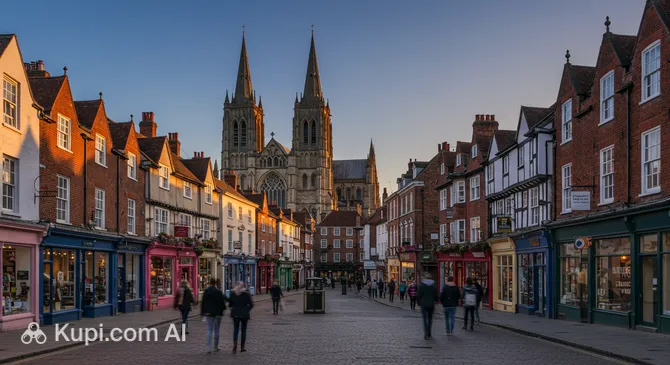
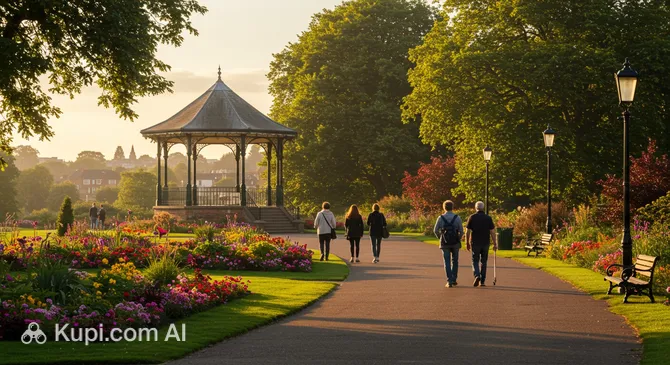
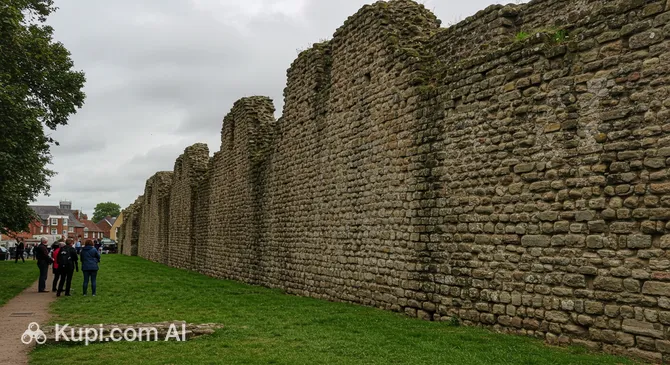
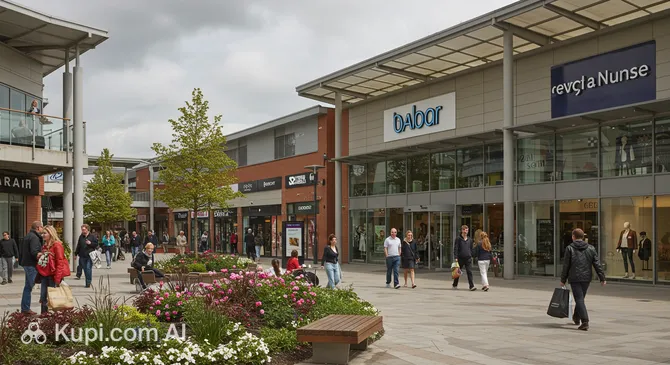
St Albans is a charming city and a true English gem, nestled just 30 kilometers north of London in the county of Hertfordshire. It is part of the United Kingdom and attracts visitors with its unique atmosphere, where history comes alive at every turn. The historic city center, with its cobbled streets and traditional pubs, is literally steeped in the spirit of old England.
St Albans. Illustration.
Source: Kupi.com AI
The city is spread across picturesque hills and has a population of about 82,000 people, allowing St Albans to remain compact and homey. Here, ancient Roman ruins, Saxon, and Norman heritage blend harmoniously with modern cultural life, creating a unique city character.
Among the key landmarks of St Albans, the majestic St Albans Cathedral stands out, being one of the oldest Christian sites in the country. History buffs will appreciate Verulamium Park, which houses the ruins of the ancient Roman city of Verulamium, and a museum dedicated to this period. It is also worth climbing the ancient Clock Tower, which offers a beautiful view of the city, and strolling through the vibrant market square, famous since the Middle Ages.
St Albans is a city that knows how to surprise and enchant. It offers the perfect combination of historical heritage, cultural events, and beautiful nature. If you are looking for an authentic English experience and want to touch thousands of years of history, be sure to include St Albans in your travel itinerary.
St Albans features a temperate climate. In summer, from June to August, the average air temperature ranges from +15.9°C to +17.9°C, with highs reaching +20.2°C to +22.1°C. The winter months, from December to February, are characterized by average temperatures from +4.7°C to +6.0°C, with minimum temperatures potentially dropping to +2.1°C to +3.8°C. Expect moderately warm summers with occasional light rain and cool, also quite damp winters: although total rainfall is low (2-3 mm per month), there are between 10 and 16 rainy days. For more detailed information, visit the St Albans climate page.
Average monthly temperature
Average monthly precipitation
Interesting Facts
In addition to its famous landmarks, St Albans holds many surprising stories and facts that make it even more attractive to curious travelers. Here are just a few of them:
The city grew on the site of ancient Roman Verulamium, one of the largest settlements in Roman Britain. Even today, you can see the remains of Roman walls and even an amphitheater in Verulamium Park, while the Verulamium Museum houses unique mosaics and artifacts over 1,800 years old.
The majestic St Albans Cathedral, whose history dates back to the 8th century, boasts the longest nave of any medieval cathedral in the UK – it is 91 meters long! According to legend, a spring gushed forth at the site of the execution of Saint Alban, the first British martyr after whom the city is named; this spring can still be seen today.
In the very heart of St Albans sits a unique medieval Clock Tower built in the 15th century. It is the only tower of its kind in England built by the townspeople rather than the church or the aristocracy. Climbing its narrow spiral staircase allows you to enjoy a panoramic view of the city.
St Albans is closely linked to the name of the famous playwright George Bernard Shaw. He lived for many years at his estate "Shaw's Corner" near the city, which is now a museum open to visitors.
St Albans Cathedral. Illustration.
Source: Kupi.com AI
Traveler photos:
How to Get There
Getting to St Albans is quite simple thanks to its convenient location near the British capital and excellent transport infrastructure. The city is connected to the country's main transport arteries, making the trip comfortable for both locals and international tourists. You can find out more about how to get to St Albans by checking the full list of routes and recommendations.
St Albans itself does not have its own airport, but it is served by several major regional aviation hubs. The closest to the city is London Luton Airport (IATA: LTN). It is located in London (effectively in its outskirts), just 13.9 km from St Albans. It is a popular airport for low-cost airlines. The journey from here by taxi or bus takes about 40 minutes.
The main international hub receiving flights from all over the world is Heathrow Airport (IATA: LHR). It is also located in London, about 32.2 km from St Albans. It is the largest airport in the country with a huge passenger flow. A trip by car or bus from Heathrow to St Albans takes approximately 1 hour and 10 minutes.
For convenience, here is a summary of the main airports:
Railway transport is one of the most convenient ways to reach the city. There is no St Pancras International station (IATA: QQS) in St Albans itself; it is located in London, about 28.7 km from the center of St Albans. However, this is a key station from which direct high-speed trains depart, delivering passengers to St Albans in just 20 minutes.
Another important transport hub is Watford Junction station (IATA: WXF), which is located in Watford, 10.5 km from St Albans. From there, you can reach the city by taxi or bus in about 35 minutes, or use the local Abbey Line railway.
Below is information about the nearest major railway stations:
St Albans, a city with a rich history dating back to the Roman Empire, offers tourists many fascinating attractions. Here, everyone will find something to their liking: from majestic cathedrals to picturesque parks and interactive museums.
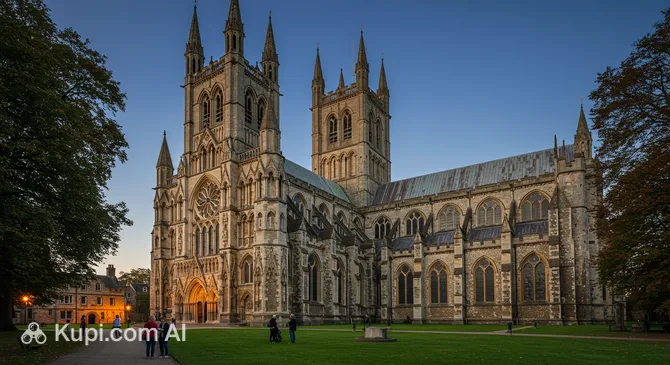
One of the city's main jewels is undoubtedly St Albans Cathedral. This impressive structure, with the longest nave in England, amazes with its architecture, which combines Norman and Gothic styles. The cathedral is named after the first British Christian martyr, Saint Alban, and its history spans over 1,700 years. Visitors can explore ancient frescoes and magnificent stained-glass windows, and learn about the significant events witnessed by this cathedral. This place attracts not only pilgrims but also everyone who appreciates history and architectural grandeur.
St Albans Cathedral. Illustration.
Source: Kupi.com AI
Traveler photos:
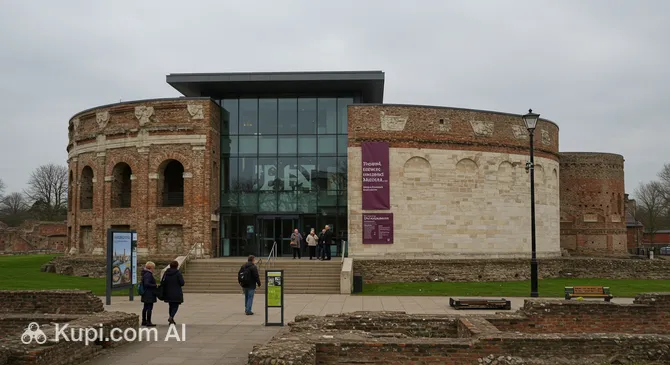
For those interested in Britain's Roman past, the Verulamium Museum is a must-visit. It is located on the site of the ancient Roman city of Verulamium, the predecessor of modern St Albans. The museum features impressive mosaics, reconstructed Roman interiors, and an extensive collection of artifacts found during excavations. The exhibits clearly demonstrate the daily life and culture of the Roman city's inhabitants, making history live and engaging.
Verulamium Museum. Illustration.
Source: Kupi.com AI
Traveler photos:
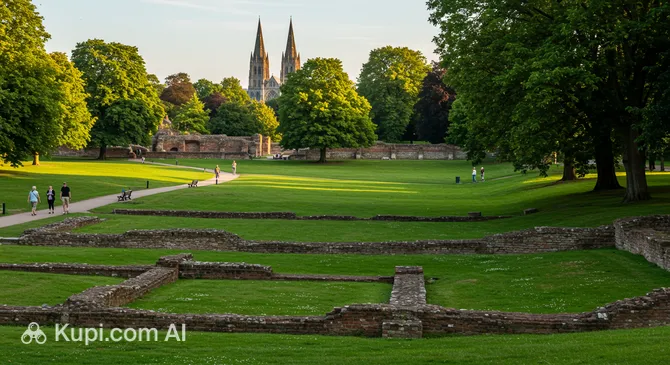
Next to the museum lies Verulamium Park – a beautiful place for relaxation and walks. This vast park, covering over 100 acres, includes the remains of the Roman city wall and a hypocaust (an underfloor heating system), a picturesque lake, sports fields, and children's play areas. The park is ideal for a picnic, a leisurely walk through historical sites, or simply enjoying nature in the heart of the city.
Verulamium Park. Illustration.
Source: Kupi.com AI
Traveler photos:
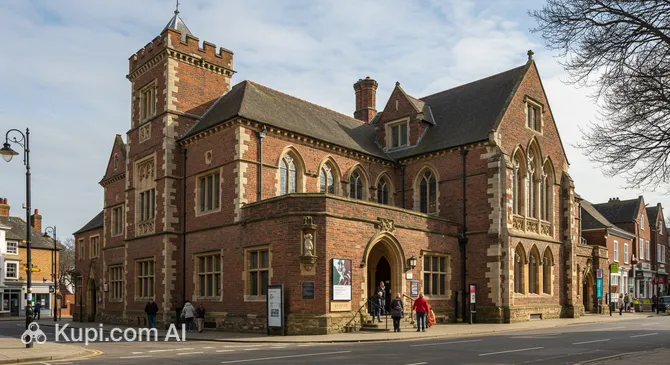
Another iconic site is the St Albans Museum + Gallery. Housed in the former Georgian Town Hall, the museum offers visitors a chance to immerse themselves in the city's history from prehistoric times to the present day. Here you can see archaeological finds, artworks, and displays telling the story of St Albans' life and development. The gallery regularly hosts exhibitions by both local and international artists.
St Albans Museum + Gallery. Illustration.
Source: Kupi.com AI
Traveler photos:
The St Albans Roman Wall is also worth noting. The surviving sections of this ancient defensive structure are reminders of Verulamium's former greatness. A walk along the wall allows you to touch history and imagine what the city looked like nearly two thousand years ago. It is an excellent addition to a visit to the Verulamium Museum and Verulamium Park, providing a deeper understanding of the city's Roman heritage.
Local Cuisine
St Albans is a true paradise for foodies, where gastronomic traditions harmoniously blend with modern culinary trends. A characteristic feature of the local food scene is the weekly traditional market in the central square. Here you can find the freshest pastries, homemade pies, farmhouse cheeses, jams, and other products from local producers. This is a great place to start your acquaintance with the city's culinary delights and feel its authentic atmosphere.
Be sure to try classic British dishes, which are prepared here with special care. In St Albans, you will be offered hearty meat pies with various fillings, the famous shepherd’s pie (a minced meat casserole topped with mashed potatoes), and, of course, a traditional Sunday roast beef with Yorkshire pudding. Don't forget the classic English breakfast served in many city establishments – it will give you a boost of energy for the whole day.
As for drinks, St Albans will delight connoisseurs of real English ale, brewed in numerous small breweries. It is also worth trying traditional English cider – a refreshing and aromatic drink made from apples. For those who prefer non-alcoholic beverages, there is always a wide selection of tea, coffee, and freshly squeezed juices. Locals are very proud of the quality of their ale, so visiting a pub is not just a meal, but a part of the cultural experience.
Those with a sweet tooth will enjoy desserts featuring local seasonal fruits and berries, such as rhubarb, apples, and blackberries. Homemade jams, marmalades, and, of course, various pies, which can be tasted in cozy cafes and traditional tea rooms, are particularly popular. Many products, including bread, are baked according to old recipes, giving them a special, unique taste.
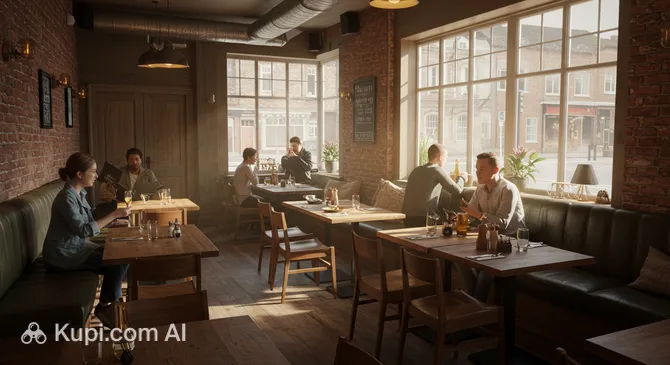
HATCH. Illustration.
Source: Kupi.com AI
Traveler photos:
The food culture in St Albans is quite diverse. Locals and tourists love spending time in traditional pubs, where you can not only have a pint of ale but also a hearty lunch or dinner. Numerous cafes and restaurants offer dishes for every taste – from simple home cooking to refined gastronomic creations. For example, you can visit the HATCH restaurant to appreciate a modern take on British cuisine. The city is also famous for its gastronomic festivals, especially the autumn food and drink festival, where you can meet top chefs, try street food, and purchase products from local farmers.
Travel Tips
Welcome to St Albans! To ensure your journey through this charming historic city in the UK is as comfortable and pleasant as possible, we have prepared some practical tips.
Clothing and Essentials:
The climate in St Albans, as in the rest of the UK, is changeable, so layering is your best friend. Bring a light waterproof jacket or an umbrella, even if the forecast promises sun. Comfortable shoes are a must, as the city invites walking on cobblestones and visiting historical sites such as St Albans Cathedral and the ruins of Verulamium. Don't forget an adapter for British sockets (Type G). When visiting the cathedral or other religious sites, dress respectfully (covering shoulders and knees is advisable).
Transportation in the City:
The center of St Albans is compact enough to explore easily on foot. For traveling longer distances, you can use local buses. The city also has excellent rail links, especially to London (trains run very frequently). Taxis are available, and popular ride-hailing apps work well. A rental car might be necessary if you plan to actively explore Hertfordshire, but for the city itself, it is not essential.
Financial Matters:
The local currency is the British Pound Sterling (£, GBP). Credit and debit cards (Visa, Mastercard) are accepted almost everywhere, especially in shops, restaurants, and hotels. ATMs are easy to find throughout the city. You can exchange currency at banks or exchange offices, but the rate might be better when withdrawing cash from an ATM. Tipping in restaurants is usually 10-12.5% if a service charge is not included in the bill. In pubs, tipping is not mandatory, but you can round up the amount or "buy the bartender a drink" (by saying "and one for yourself").
Health and Safety:
St Albans is a very safe city. However, standard precautions never hurt: keep an eye on your belongings in crowded places and be careful after dark. Pharmacies (e.g., Boots, Lloyds Pharmacy) are in the city center; some may stay open later than usual, but 24-hour ones are rare. If medical assistance is needed, National Health Service (NHS) services are available to tourists. For emergencies call 999, for non-urgent medical advice call 111.
Communication:
The official language is English. Practically the entire population is fluent in English. Wi-Fi is available in many cafes, restaurants, hotels, and public places. You can purchase a local SIM card for mobile internet and calls at supermarkets or mobile phone shops (operators include EE, O2, Vodafone, Three). You won't need any local phrases beyond the standard "Please", "Thank you", and "Excuse me".
Local Etiquette:
British people are generally polite and reserved. "Please", "Thank you", and "Sorry" are used very frequently. Queuing is sacred; never try to cut in line. In pubs, it is customary to order drinks and food at the bar. When interacting with locals, politeness and tact are valued.
What to Avoid:
Try not to speak too loudly in public places, especially on transport or in restaurants – this is considered bad manners. Also, avoid comparing St Albans solely to a London suburb; the city has its own rich history and unique atmosphere that residents are proud of.
Additional Tip:
Be sure to visit the famous St Albans Market, which takes place on Wednesdays and Saturdays. It is one of the oldest regular market events in the UK, where you can find everything from fresh produce to antiques and handicrafts. This is a great way to experience the local flavor!
We hope these tips help you plan an unforgettable trip to St Albans and enjoy every moment of your stay in this wonderful city!
Entertainment & Nightlife
Despite its rich historical appearance, St Albans offers its guests and residents a rather lively evening and nightlife, especially on weekends. While it is not a metropolis with countless clubs, there is a good selection of traditional pubs, stylish bars, and restaurants to suit diverse tastes and provide a great end to the day.
The main concentration of evening entertainment is in the city center. Streets such as St Peter's Street, High Street, and George Street come alive after dark, drawing crowds to their many venues. These areas are convenient for walking and fill with an atmosphere of fun, particularly on Friday and Saturday nights.
The nightlife atmosphere in St Albans is generally quite relaxed and friendly. Here you can find both classic English pubs with a wide selection of local ales and modern cocktail bars with signature drinks. Many restaurants also stay open late, offering dinner in a pleasant setting. Some venues feature live music or DJ sets. The dress code usually ranges from casual to smart casual, though some more upscale bars might expect a more dressed-up look. Most pubs and bars are open until about 11:00 PM or midnight, while some clubs and late-night venues can operate until 2:00 or 3:00 AM.
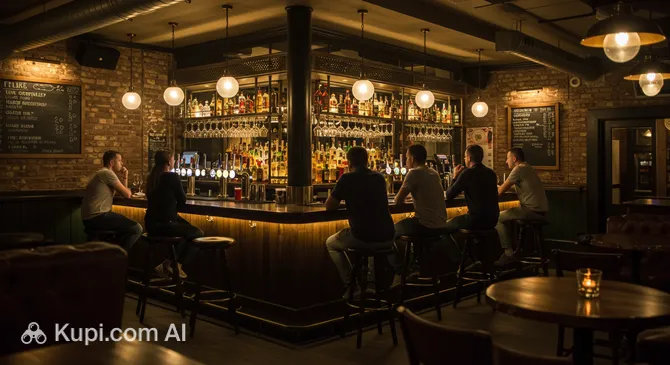
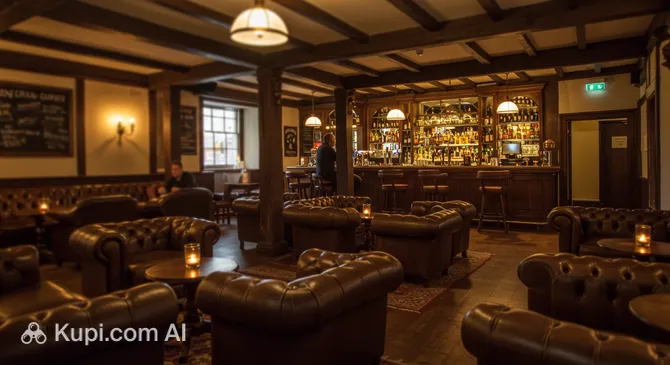
Among the popular places for evening relaxation is Craft & Cleaver, known for its excellent selection of craft beers and lively atmosphere. Another noteworthy spot is Dylan's at The Kings Arms, which attracts visitors with its cozy setting and quality drinks. If you are looking for a late dinner, the HATCH restaurant offers delicious meals in a welcoming environment.
Craft & Cleaver. Illustration.
Source: Kupi.com AI
Traveler photos:
Dylans at The Kings Arms. Illustration.
Source: Kupi.com AI
Traveler photos:
When planning an evening out, it is best to aim for around 8:00–9:00 PM. Average drink prices are consistent with the South East of England: a pint of beer or a glass of wine will cost about £5–£7, while a cocktail ranges from £8 to £12. The center of St Albans is quite compact, so many venues are within walking distance of each other. Local taxi services are available for nighttime travel and are recommended to be booked in advance, especially on weekends. Popular ride-sharing apps also operate in the city.
St Albans is considered a fairly safe city. The main nightlife areas are well-lit, and police patrols are often seen on busy evenings. Nevertheless, as in any city, standard precautions should be taken: be aware of your surroundings, especially if walking alone late at night, and use official taxis or trusted ride-hailing apps.
Of course, St Albans is attractive for more than just its nightlife. During the day, the city offers a rich cultural program. You can visit the majestic St Albans Cathedral, immerse yourself in the city's Roman past at the Verulamium Museum, or enjoy a stroll through the scenic Verulamium Park. It is also worth checking out the St Albans Museum + Gallery. Additionally, the city has theaters and various shopping opportunities, such as The Maltings shopping center.
Parks & Museums
St Albans is a city where history and nature are harmoniously intertwined, offering visitors both peaceful green corners for relaxation and rich museum collections that tell of its centuries-old heritage. Here, everyone will find something for themselves, whether it's a quiet walk in the park or a fascinating plunge into the past.
Among the city's green oases, Verulamium Park stands out particularly. It is not just a vast green area with a lake and playgrounds, but a site with a rich history, as the park is spread across the territory of the ancient Roman city of Verulamium. Here you can see the remains of Roman walls and mosaics, making a walk not only pleasant but also educational. Another wonderful place for nature lovers is Greenwood Park. This woodland park offers many paths for walking and cycling, allowing you to enjoy the silence and beauty of the local flora and fauna.
Greenwood Park. Illustration.
Source: Kupi.com AI
Traveler photos:
For those who seek to learn more about the history and culture of St Albans, the city offers several interesting museums. the Verulamium Museum is a must-visit, as it is entirely dedicated to the city's Roman past. Here you will find impressive mosaics, reconstructed Roman interiors, and many artifacts discovered during excavations. You can learn about later historical periods and local art at the St Albans Museum + Gallery. Located in the historic former Town Hall building, the museum hosts various exhibitions reflecting the city's multifaceted life.
In addition to parks and museums, the city itself is rich in historical and architectural landmarks. The heart of St Albans is undoubtedly the majestic St Albans Cathedral. It is one of the oldest sites of Christian worship in the UK, striking in its antiquity and architectural splendor. While walking around the city, look out for the surviving sections of the St Albans Roman Wall, which serve as a silent reminder of the times when one of the largest cities in Roman Britain flourished here.
Roman Wall of St Albans. Illustration.
Source: Kupi.com AI
Traveler photos:
To fully experience St Albans, we recommend taking a leisurely stroll through its ancient streets, especially in the Cathedral area, where every stone breathes history. Stop by one of the traditional pubs to feel the local flavor. And if you are looking for something less obvious but full of charm, explore the Fishpool Street area with its picturesque historic houses.
Getting Around
Getting around St Albans is quite convenient thanks to a well-developed public transport system and the city's compact size. The core of the transport system consists of buses and trains, with alternative modes of travel also available.
Buses are the primary form of public transport for traveling within the city and to the nearest suburbs. Several bus companies serve St Albans, offering an extensive network of routes. Buses run regularly, linking the city center with residential areas, railway stations, and major attractions. You can usually pay for your fare directly to the driver in cash (exact change is preferred) or with a contactless bank card. Many operators also offer mobile apps for purchasing tickets and tracking bus movements in real time. Day or weekly passes can be economical for frequent trips.
Railway links play an important role, especially for trips to London and other cities. St Albans has two main railway stations: St Albans City and St Albans Abbey. St Albans City station is on the main Thameslink line, with regular trains departing for central London (e.g., to St Pancras International, Farringdon, and Blackfriars stations), as well as Gatwick and Luton airports. St Albans Abbey station serves a local line to Watford Junction. Train tickets can be purchased at station ticket offices, at ticket machines, online, or via railway operators' mobile apps. For trips to and from London, contactless payment cards or specific transport cards valid in the capital region can often be used.
Practical tips for tourists:
Bus tickets are most often bought upon boarding from the driver or via an app. For trains, it is better to purchase tickets in advance, especially for popular destinations, or at the station before departure. Train ticket validation occurs at turnstiles when entering/exiting the station or by inspectors on the train. Buses and trains usually start running early in the morning and end late at night, but schedules may change on weekends and holidays. It is recommended to use online route planners (such as Google Maps or transport company apps) for up-to-date information.
Alternative ways to get around:Taxi services are widely available in St Albans and can be ordered by phone, through an app, or found at designated ranks, such as those at St Albans City station. Ride-hailing services like Uber are also popular. For short distances and exploring the historic city center, walking is ideal as many attractions are within easy reach of each other. Cycling is also possible; the city is fairly bike-friendly, though specialized bike rentals may not be as widespread as in large metropolises.
Accommodation
In St Albans, travelers will find a variety of accommodation options to suit different preferences and budgets. Choices include traditional hotels and cozy bed and breakfasts (B&Bs), as well as self-catering apartments. Whether you are looking for a luxury getaway or a more economical option, you will find a suitable place in the city.
Most tourists prefer to stay in the city center or in its immediate vicinity. This provides easy access to the main attractions, such as the majestic St Albans Cathedral, the historic Verulamium Museum, and the picturesque Verulamium Park. Additionally, a central location is convenient for using public transport and visiting shops and restaurants. Areas slightly further from the center may offer a quieter atmosphere and often more spacious accommodation.
To guarantee the best choice and prices, especially if your trip falls during the peak tourist season (usually the summer months) or during major events, it is recommended to book your accommodation in advance. Early booking also often allows you to take advantage of special offers and discounts.
The price range for accommodation in St Albans varies from budget options to more expensive offerings depending on the type, location, and level of comfort. You can book accommodation in various ways: through popular online booking platforms, directly on the websites of hotels or guesthouses, or by contacting local tourist information centers.
Nearby Cities
For those who want to explore the surrounding area, St Albans serves as an excellent starting point for day trips to several interesting nearby locations:
Among them is Hemel Hempstead, located just 8 km from St Albans, which charms with its Old Town featuring historic buildings and the picturesque Gadebridge Park. Another popular choice is Watford (11 km), especially for family holidays, thanks to the Warner Bros. Studio Tour London – The Making of Harry Potter and the large Cassiobury Park. It is also worth noting Welwyn Garden City (11 km), one of England's first "garden cities," known for its unique architecture and abundance of green spaces.
City
Population
Distance
Sandridge
11 451
4 km
London Colney
9 507
4 km
Abbots Langley
19 574
7 km
Harpenden
30 240
8 km
Hatfield
41 265
8 km
These nearby destinations offer a glimpse into the region's diverse culture and landscapes.
Shopping & Souvenirs
St Albans offers a pleasant and diverse shopping experience, combining the charm of a historic city with modern stores. Here you will find well-known British brands as well as many independent boutiques, bookstores, and shops selling unique goods. The city is not famous for any one specific product but provides excellent opportunities for buying clothes, gifts, antiques, and local delicacies, especially at the famous market.
The main retail life of St Albans is concentrated in its historic center. The main shopping arteries are St Peter's Street, Chequer Street, and the adjacent side streets, particularly around the majestic St Albans Cathedral. Many of these areas are pedestrianized or have wide sidewalks, making shopping particularly enjoyable. You can find clothing stores, jewelry shops, homeware stores, and much more here.
For those who prefer shopping under one roof, St Albans has several shopping centers. One of the main ones is The Maltings, located in the heart of the city. It features a good selection of popular chain stores, cafes, and restaurants. It is a convenient place for shopping, especially in bad weather.
The Maltings. Illustration.
Source: Kupi.com AI
Traveler photos:
Another option is Abbey View Retail Park, which is located slightly on the outskirts and offers larger stores, such as supermarkets and home and garden centers. It is easier to get here by car, and there is usually ample parking.
Abbey View Retail Park. Illustration.
Source: Kupi.com AI
Traveler photos:
One of the main highlights of shopping in St Albans is its historic street market (St Albans Charter Market). This market has been held for over 1,000 years and is one of the oldest in the UK. It usually operates on Wednesdays and Saturdays on St Peter's Street. Here you can find everything from fresh farm produce, cheeses, and pastries to clothing, jewelry, books, plants, and street food from all over the world. Visiting the market is not just about shopping, but a real immersion into the local atmosphere.
As souvenirs from St Albans, tourists often choose items related to its rich history. These can be books about the city's Roman past (Verulamium) or the famous cathedral, small replicas of artifacts from the Verulamium Museum or the St Albans Museum + Gallery. Local handicrafts, jams, honey, and other products from Hertfordshire are also popular. Of course, you can always find classic British souvenirs like tea, biscuits, or themed merchandise.
Shops in St Albans typically operate Monday through Saturday from approximately 9:00/10:00 AM to 5:30/6:00 PM. Some larger shops and shopping centers may have extended hours, especially on Thursdays (late-night shopping) and during pre-holiday periods. Many shops are open on Sundays, but hours are generally shorter (e.g., from 10:00/11:00 AM to 4:00/5:00 PM). Bank cards (Visa, Mastercard) are accepted everywhere, and contactless payments are widespread. Cash is also accepted, but card payment is preferred in many places.
Regarding tax refunds (Tax Free): it is important to know that from January 1, 2021, the VAT Retail Export Scheme for tourists was abolished in Great Britain (England, Scotland, and Wales). This means that tourists shopping in St Albans and taking goods outside of the UK generally cannot reclaim VAT. Exceptions may apply to goods purchased in Northern Ireland under certain conditions, but this does not apply to purchases in England.