Support

Sunderland

About

Sunderland is a city that seems to have absorbed the freshness of the North Sea and the dynamics of modern England. It literally breathes the sea breeze, and its streets are filled with an atmosphere of comfort and a leisurely pace of life, representing a unique combination of maritime romance, industrial heritage, and a fresh breath of modernity.

Located in the northeast of the United Kingdom, in the county of Tyne and Wear, Sunderland is nestled on the shores of the picturesque North Sea. With a population of 277,417, the city is a major center of the region while maintaining a surprising sense of intimacy and friendliness. Its coastal position provides residents and visitors with long sandy beaches and scenic promenades with views of the sea horizon.

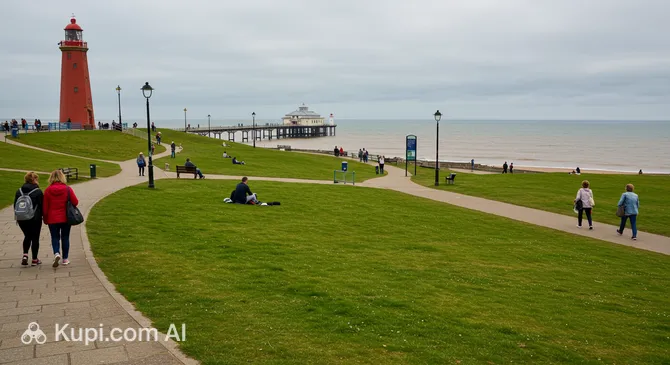
Sunderland. Illustration.
Source: Kupi.com AI

Sunderland attracts tourists with many interesting places. Highlights include the National Glass Centre, where you can learn about the art of glassmaking, and the famous Stadium of Light, the home arena of the local football club. The city is also famous for its beautiful parks, including those that have preserved the charm of the Victorian era, as well as museums and modern creative spaces.

If you are looking for a leisurely holiday by the sea, are interested in history or culture, or simply want to stroll through cozy streets and experience the hospitality of Northern England, Sunderland will be a pleasant discovery for you. This city invites you to enjoy the beauty of the coast, be inspired by creativity, and discover a sincere and original England.

You can find more interesting facts on the Sunderland city history page.
Weather Overview

The weather in Sunderland is characterized by a temperate maritime climate. Expect cool summers with frequent but light rain, with average temperatures in July and August around 15-16°C (maximum values usually do not exceed 19-20°C), and cold, damp winters with an average January temperature of about 4-5°C. Rainfall is generally low (2-3 mm per month), however, rainy days occur regularly throughout the year, ranging from 11 to 16 days per month. You can learn more about the climate features and get a detailed forecast on the Sunderland Climate page.

Average monthly temperature

Average monthly precipitation

Interesting Facts

In addition to its famous landmarks and football passion, Sunderland hides many amazing stories and little-known facts that make it a truly unique city. Here are just a few of them that can surprise even a seasoned traveler:

Roker Park. Illustration.
Source: Kupi.com AI

Traveler photos:

  • Sunderland has a rich glassmaking heritage. This is where the National Glass Centre is located, a reminder of the times when the city was one of the leading centers of the glass industry in the UK. Visitors can not only see impressive exhibits but also watch the process of creating glass masterpieces in real time.

  • The city is home to Hylton Castle, whose history dates back to the 11th century. This ancient residence of the influential Hylton family has undergone many reconstructions, and its majestic, and according to some beliefs, even somber tower is still shrouded in legends of ghosts and knightly times.

  • Sunderland is the birthplace of several world-class celebrities. Among them is musician Dave Stewart, a member of the famous duo Eurythmics. It is also believed that Lewis Carroll, author of the immortal "Alice in Wonderland," often visited these parts and may have drawn inspiration from the local landscapes for his fantastic works.

  • Every year, Sunderland hosts an impressive Festival of Light. This event transforms city parks, such as Roker Park, and the seafront into a fairy-tale space using bright light installations and shows, attracting thousands of visitors and creating an atmosphere of real magic.

How to Get There

Sunderland, located on the northeast coast of England, has excellent transport accessibility. You can get here by air, using the airports of neighboring cities, or by rail. If you want to plan your route in as much detail as possible, we recommend reading more about how to get to Sunderland, where all possible options are collected.

For travelers choosing to fly, the most convenient option is Newcastle International Airport (IATA: NCL). It is important to note that there is no airport in the city of Sunderland itself, so you will need to fly into Newcastle upon Tyne, which is only 24.5 km from your destination. This is the main regional hub, receiving many flights. The journey by taxi or car from here will take about 30–40 minutes. The airport is also connected to Sunderland by a direct metro line, making it a strategically important hub for tourists.

If you are flying on an international transit flight, it is worth considering Manchester Airport (IATA: MAN). It is located in the city of Manchester, 182.4 km from Sunderland. This is a large international airport with a huge passenger flow, offering a wide choice of flights from all over the world. The journey by car will take about 2.5–3 hours, however, many tourists prefer to get from there by train via convenient transfers.

Another alternative is Teesside International Airport (IATA: MME), located in Durham, about 44.4 km from Sunderland. This is a small airport, but it can be convenient for certain domestic or charter flights. A taxi ride from here will take about 45–50 minutes.

For clarity, here is a summary of the main airports in the region:

AirportPassenger trafficDistance
Newcastle International Airport4.9 mln24 km
Durham Tees Valley Airport228 12644 km
Leeds Bradford International Airport4.2 mln117 km
Humberside Airport150 615163 km
Edinburgh Airport14.4 mln171 km

Traveling by rail is another popular way to reach the region. The nearest major hub on the East Coast Main Line is Durham Railway Station. Please note that this station is not in Sunderland, but in the neighboring historic city of Durham, about 18.4 km away. From Durham station, you can quickly get to Sunderland by taxi or bus in about 20–30 minutes, or use a regional train.

Below is information about the nearest major railway stations that can serve as transfer points:

StationPassenger trafficDistance
Durham Railway Station2.6 mln18 km
Carlisle Central Station2.1 mln99 km
Oxenholme Lake District Station542 270109 km
Bradford railway station2.3 mln126 km
Waverley Railway Station23.1 mln163 km

Main Attractions

Sunderland, a city with a rich history and culture, offers its guests many interesting places to visit. Here, everyone will find something to their liking: from informative museums to picturesque coastal areas and cozy parks.

One of the city's main gems is the Sunderland Museum and Winter Gardens. This is a place where you can immerse yourself in the history of the region and learn about its industrial past, especially shipbuilding and coal mining. The museum features various exhibitions, including art objects, archaeological finds, and natural science collections. The Winter Garden, adjacent to the museum, is a magnificent greenhouse with tropical plants where you can relax surrounded by exotic flora.

Sunderland Museum and Winter Gardens. Illustration.
Source: Kupi.com AI

Traveler photos:

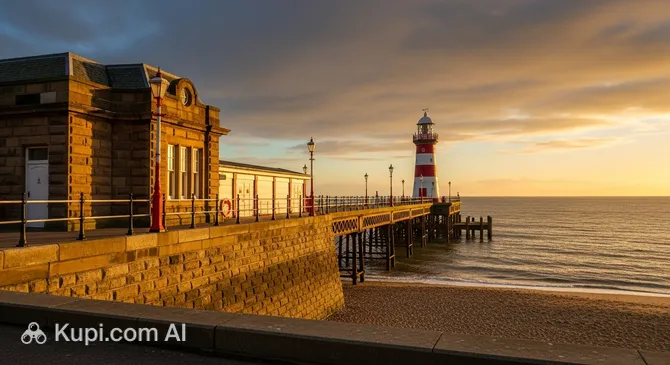
For lovers of seascapes and fresh air walks, Roker Pier is a must-visit. This impressive Victorian pier stretching into the North Sea is not only an important engineering structure but also a popular spot for walks. From here, breathtaking views of the coast, the lighthouse, and passing ships open up. It is especially beautiful here at sunset.

Roker Pier. Illustration.
Source: Kupi.com AI

Traveler photos:

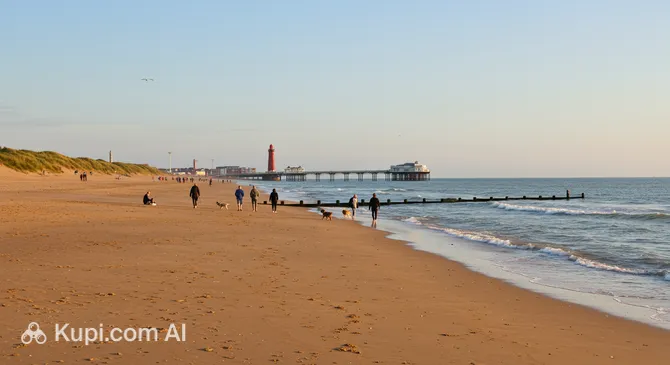
For those who prefer a beach holiday, Seaburn Beach is an excellent choice. This wide sandy beach is ideal for family holidays, sunbathing, sand games, and long walks along the water's edge. Developed infrastructure with cafes and shops makes staying here comfortable and pleasant.

Seaburn Beach. Illustration.
Source: Kupi.com AI

Traveler photos:

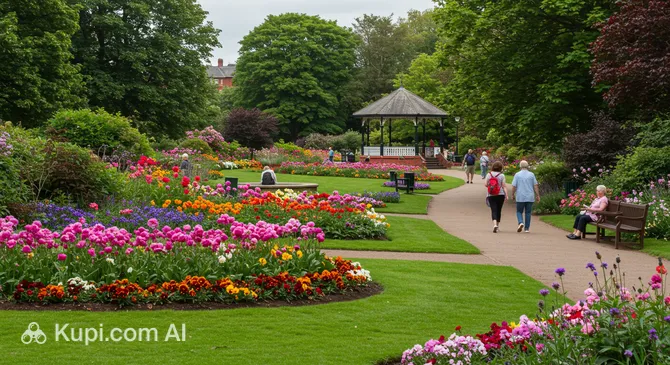
If you are looking for a place for a quiet break in nature within the city limits, head to Barnes Park. This is one of the oldest and largest parks in Sunderland, offering visitors manicured lawns, picturesque ponds, children's play areas, and many shaded avenues for walking. The park is a favorite resting place for citizens and a wonderful oasis of tranquility.

Barnes Park. Illustration.
Source: Kupi.com AI

Traveler photos:

Local Cuisine

The gastronomic scene in Sunderland is a delightful blend of North East England traditions and the freshness of the North Sea's bounty. The city's coastal location defines many culinary delights, offering tourists a chance to taste dishes prepared from the freshest ingredients. Here, everyone will find something to their taste, from classic British treats to modern culinary interpretations.

A mandatory part of the gastronomic program in Sunderland is tasting the famous fish & chips. It is prepared masterfully here: fresh cod, haddock, or plaice in a crispy golden batter is served with a large portion of hot fries. Another pride of the local cuisine is hearty English pies. Try a classic steak & ale pie or a delicate chicken & leek pie – they are true comfort for the soul and stomach.

Among other local specialties worth trying is the traditional North East England pease pudding, which is often served with ham or simply on bread. Of course, one cannot overlook fresh seafood: smoked fish, crabs, and mussels are always of excellent quality here. Among drinks, local ales and ciders are particularly popular and can be sampled in many traditional pubs. And, of course, a cup of aromatic English tea will be a wonderful addition to any meal.

The dining culture in Sunderland is diverse. Locals and tourists love spending time in cozy pubs, where you can not only drink a pint of ale but also have a hearty dinner. The city has many restaurants for every taste and budget, from establishments with traditional British cuisine to those offering dishes from all over the world. For example, you can stop by Miller & Carter Steakhouse, Sunderland to enjoy high-quality meat dishes. It is also worth visiting local markets that sell fresh farm products, homemade pastries, and cheeses. Don't miss the gastronomic festivals and street food fairs that are regularly held in the city and offer a wide range of food and drinks.

Miller & Carter Steakhouse Sunderland. Illustration.
Source: Kupi.com AI

Traveler photos:

Overall, gastronomic Sunderland attracts with its authenticity, quality products, and diversity. Whether it's classic fish and chips on the seafront, a hearty pie in a traditional pub, or tasting local delicacies at the market, the culinary impressions from a trip to this city will stay with you for a long time.

Travel Tips

Planning a trip to Sunderland? Wonderful! To ensure your journey through this interesting city in the northeast of the United Kingdom goes smoothly and leaves only pleasant impressions, we have prepared some practical tips.

  1. Clothing for the weather and useful trifles: The climate in Sunderland, as in the rest of the United Kingdom, is quite changeable. Bring clothes that can be layered, including a waterproof jacket or umbrella, even if you are traveling in summer. Comfortable shoes are a must for walking around the city and along the coast. Don't forget an adapter for British sockets (Type G).
  2. Moving around the city: Sunderland has a well-developed public transport system, including the metro (Tyne and Wear Metro), which connects the city with Newcastle and other nearby areas, as well as buses. This is an efficient and economical way to get around. Taxis and ride-hailing apps (e.g., Uber) are also available. Renting a car can be useful for exploring the surroundings, but for moving around the city itself, it is not always necessary due to potential parking costs.
  3. Money matters: The official currency is the British Pound Sterling (GBP). Bank cards (Visa, Mastercard) are accepted almost everywhere, especially in shops, restaurants, and hotels. However, it is always useful to have some cash for small purchases or at markets. ATMs are easy to find. Tipping in restaurants is usually 10-15% if a service charge is not already included in the bill; it is not customary to tip in pubs unless you ordered food at a table.
  4. Health and safety concerns: Pharmacies (indicated as "Pharmacy" or "Chemist") are in all areas of the city. Some may be open on weekends or have extended hours. In case of emergency medical assistance, the emergency number is 999. Tourists are strongly recommended to have valid travel insurance. Sunderland is generally considered a safe city, but as with anywhere, follow standard precautions: watch your belongings, avoid poorly lit and deserted places after dark.
  5. Language and connectivity: The main language of communication is English. You will have no trouble communicating with the locals. For mobile communication and internet, you can purchase a local SIM card (available from operators like EE, Vodafone, O2, Three, etc.) at the airport, mobile phone shops, or supermarkets. Free Wi-Fi is often available in cafes, restaurants, hotels, and some public places.
  6. Local etiquette: Britons value politeness. Simple words like "please," "thank you," and "excuse me" will be very useful. Following the queue (queuing) is an important part of local culture, whether in a shop, at a bus stop, or in a pub. When communicating with locals, maintain eye contact, but not too intense.
  7. Things better not to do: Try not to jump the queue – this is considered extremely impolite. Avoid talking too loudly on public transport or in quiet establishments. Also, do not compare Sunderland with neighboring Newcastle in a negative light, especially when it comes to football – this can be a sensitive topic for locals.
  8. Local highlights: Be sure to walk along the Roker and Seaburn promenades with their sandy beaches. Visit the National Glass Centre to learn about the city's rich history of glass production, or stop by the Sunderland Museum & Winter Gardens to explore local history and art. This will add special impressions to your trip.

We hope these tips help you better prepare for your trip and fully enjoy the hospitality and beauty of Sunderland. We wish you an unforgettable journey!

Entertainment & Nightlife

Sunderland offers a variety of opportunities for evening and night recreation, capable of satisfying the tastes of both fans of lively parties and those who appreciate a more relaxed atmosphere. As darkness falls, the city comes alive, especially in the central areas where most popular venues are concentrated.

The main center of Sunderland's nightlife is considered to be the area around Vine Place, Green Terrace, and Park Lane. Here you will find many bars, pubs, and nightclubs. The atmosphere in these places is generally lively and friendly, especially on weekends when young people and students flock here. Venue styles range from traditional British pubs with a wide selection of ale to modern cocktail bars and energetic nightclubs with DJs and dance music. Most clubs are open until late at night, usually until 2-3 AM, and some even longer on special occasions. The dress code is most often smart casual, but some clubs may have stricter requirements.

Roma Restaurant. Illustration.
Source: Kupi.com AI

Traveler photos:

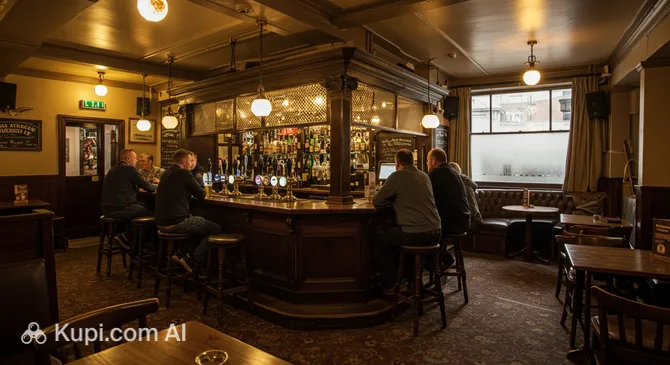
Among popular places, it is worth noting Roma Restaurant, which, despite its name, offers a bar atmosphere where you can enjoy drinks in a pleasant setting. Another establishment worth mentioning is the traditional pub The Ship Isis, known for its selection of beer and cozy atmosphere. For those looking for a more club-like format, Salt House Kitchen might be suitable, offering modern beats and dancing until morning.

The Ship Isis. Illustration.
Source: Kupi.com AI

Traveler photos:

Practical tips: The best time to visit night venues is Friday and Saturday when the city is most lively. Average drink prices are comparable to other UK cities. At night, it is most convenient to move around the city by taxi; they can be found at special stands or called by phone or through an app. It is recommended to check the opening hours of specific venues and possible dress codes on their websites or social media pages in advance.

The Salt House Kitchen. Illustration.
Source: Kupi.com AI

Traveler photos:

Safety: Central areas where nightlife is concentrated are generally considered safe. However, as in any city, you should follow standard precautions: stick to well-lit streets, watch your belongings, and avoid conflict situations. If you are returning late, use a licensed taxi service.

Although the main focus of this review is on nightlife, Sunderland also offers plenty of daytime entertainment. You can visit the Sunderland Museum and Winter Gardens to learn about the history and culture of the region, or take a walk through one of the scenic parks like Barnes Park or Roker Park. The Bridges Shopping Centre is also popular for shopping enthusiasts.

Parks & Museums

Sunderland is a city that harmoniously combines the charm of coastal landscapes, the expanse of manicured parks, and a rich cultural heritage. Here, everyone will find something for themselves: from quiet walks in the fresh air to immersion in the history and art of the region.

Nature and outdoor enthusiasts should pay attention to the city's magnificent green spaces. Barnes Park is one of Sunderland's largest and oldest parks, offering scenic paths, a lake, and playgrounds, an ideal place for families. No less attractive is Roker Park, located near the coast, where you can enjoy the sea breeze. For those who prefer a beach holiday, Roker Beach and Seaburn Beach offer long sandy stretches for walks and relaxation.

Roker Beach. Illustration.
Source: Kupi.com AI

Traveler photos:

Another wonderful place for walking is Backhouse Park, known for its collection of trees and peaceful atmosphere. Near the coast, you can also find Roker Cliff Park, which offers beautiful views.

Backhouse Park. Illustration.
Source: Kupi.com AI

Traveler photos:

Sunderland's cultural life is centered around its museums and galleries. The main cultural hub is the Sunderland Museum and Winter Gardens. Here you can learn about the city's history, from its industrial past to local art. The Winter Gardens, with their rich collection of plants, deserve special attention. This place offers a fascinating journey through time and nature under one roof.

For sports fans, and football in particular, the Fans Museum is a must-visit. It tells the story of the local football club Sunderland and its dedicated fans, offering a unique look at the city's sporting culture.

Fans Museum. Illustration.
Source: Kupi.com AI

Traveler photos:

Among the iconic architectural structures, Roker Pier stands out. This impressive Victorian construction stretching into the sea is not only an important navigation object but also a popular spot for walks, offering breathtaking views of the coast and the North Sea. A walk along the pier, especially at sunset, will provide unforgettable impressions.

For an authentic experience, take a stroll along the River Wear, exploring the renovated quays, or pop into one of the local pubs, such as The Ship Isis, to feel the city's true atmosphere. Also, a lesser-known but charming green area is Roker Cliff Park, which offers magnificent panoramic views of the coast – an ideal place for quiet contemplation.

Getting Around

When planning a trip to Sunderland, you can be sure that moving around the city and its surroundings will be hassle-free thanks to the developed public transport system. The main ways to get around here are the metro and buses, which cover most areas and suburban destinations.

The Tyne and Wear Metro is perhaps the most convenient and fastest way to reach many key points, including the city center, the coast, as well as neighboring Newcastle and Newcastle Airport. Trains run regularly, especially during peak hours. Stations are well-marked, and it's quite simple to understand the route map.

Buses in Sunderland represent a dense network of routes served by several operators, such as Stagecoach and Go North East. They run both through the city and to more remote areas where the metro doesn't reach. Buses are a great option if you need to get to a specific place or if you prefer surface transport with city views.

The fare payment system is quite flexible. For the metro and buses, you can use a Pop card smart card, which can be topped up. This is a cost-effective option for those who plan to use transport frequently. Contactless payment with bank cards or through mobile apps (Apple Pay, Google Pay) is also widely accepted directly on buses or at metro turnstiles. You can also purchase paper tickets for a single trip or a day ticket, which allows unlimited travel during the day on certain types of transport or in certain zones. Information on fares and ticket types is best checked on the operators' websites or at Nexus information centers (the organization coordinating public transport in the Tyne and Wear region).

Practical tips for tourists: Metro tickets can be bought from machines at stations or by using a Pop card/contactless payment. On buses, tickets are purchased from the driver (it's advisable to have small change, although cards are increasingly accepted). A Pop card must be validated (tapped against the reader) when entering and exiting metro stations. Public transport usually operates from early morning until late evening, but schedules may change on weekends and holidays, so it's recommended to check in advance.

In addition to public transport, alternative ways of moving are available in Sunderland. Taxis can be found at special stands or called by phone/through an app. Ride-hailing services like Uber also likely operate in the city. For active recreation enthusiasts and short trips, bike rental may be suitable if available; the city is developing its cycling infrastructure. Car sharing is less common for short-term tourist needs but may be an option for long trips out of town.

Accommodation

In Sunderland, you will find a variety of accommodation options suitable for any budget and preference. The city offers both budget guest houses and hostels for economical travelers, as well as comfortable mid-range hotels. Additionally, short-term rental apartments are available, which can be convenient for families or those who prefer more independence.

When choosing a place to stay, look for areas close to major attractions and transport hubs. The city center is convenient for access to shops, such as The Bridges Shopping Centre, and cultural sites like the Sunderland Museum and Winter Gardens. For those who prefer proximity to the sea, areas near Roker Beach or Seaburn Beach may be attractive, from where it is easy to reach places like Roker Pier.

Bridges Shopping Centre. Illustration.
Source: Kupi.com AI

Traveler photos:

The price range for accommodation in Sunderland varies from budget options to mid-range and higher-class offers. It is recommended to book accommodation in advance, especially if your trip falls during the peak tourist season or during major events in the city. The most popular booking methods are online platforms and aggregators, as well as direct booking through hotel or guesthouse websites.

Nearby Cities

For those who want to explore the surroundings, Sunderland serves as an excellent starting point for day trips to several interesting nearby locations:

CityPopulationDistance
New Silksworth10 1944 km
Ryhope10 4844 km
West Boldon13 2716 km
Seaham20 1728 km
Houghton le Spring36 7469 km

These nearby destinations provide a glimpse into the region's diverse culture and landscapes, offering many options for exciting short trips from Sunderland.

Shopping & Souvenirs

Sunderland offers a variety of shopping opportunities, from large shopping centers with famous brands to small independent stores. The city is not famous for any unique goods, but here you can find everything you need and have a pleasant time strolling through the shops.

The main shopping activity is concentrated in the city center. Streets such as High Street West and Fawcett Street, as well as the adjacent pedestrian zones, are the main places for shopping, where you will find clothes, shoes, cosmetics, and much more.

In Sunderland, there are several shopping centers where you can conveniently shop under one roof. One of the most popular is The Bridges Shopping Centre, located in the heart of the city. It features a wide range of stores, from fashion boutiques to large department stores.

Another significant shopping destination is Hylton Riverside Retail Park. This is a complex of large stores offering home goods, electronics, clothing, and sporting goods, usually with convenient parking.

Hylton Riverside Retail Park. Illustration.
Source: Kupi.com AI

Traveler photos:

Market lovers should check out Sunderland Market, often located indoors or near The Bridges shopping center. Here you can find fresh produce, clothing, household goods, and various trifles at affordable prices. Seasonal fairs and specialized markets may also be held in the city.

As souvenirs from Sunderland, you can bring back items with the local Sunderland football club symbols, glassware (the city is famous for its National Glass Centre), as well as traditional British souvenirs such as tea, biscuits, or local sweets. In independent stores and galleries, you can sometimes find works by local artisans.

Most shops in Sunderland operate according to a standard British schedule: Monday to Saturday from approximately 9:00/10:00 AM to 5:30/6:00 PM, and on Sundays, it's a shorter day, usually from 10:00/11:00 AM to 4:00/5:00 PM. Large shopping centers may have longer opening hours, especially in pre-holiday periods. Bank cards (debit and credit) are widely accepted everywhere; cash can also be used.

Regarding Tax Free, it is important to know that since the United Kingdom left the EU, the rules have changed. Currently, for tourists shopping in England (including Sunderland), Scotland, and Wales, the standard VAT refund scheme for goods they take with them in their personal luggage does not apply in most cases. The possibility of a tax refund may remain for goods that the seller sends directly to an address outside the UK. It is recommended to check details with specific sellers if you plan large purchases.

Reached the end of the page?

That means the route is fully explored