Support

Tynemouth

About

Tynemouth is a charming seaside town located in the northeast of Great Britain, just 13 kilometers from the vibrant city of Newcastle. Its picturesque location on the North Sea coast gives it a special charm, featuring mild sea breezes, spacious sandy beaches, and breathtaking views of the mouth of the River Tyne. Tynemouth successfully combines the atmosphere of a slow-paced resort with proximity to a major urban center, while maintaining its own unique personality.
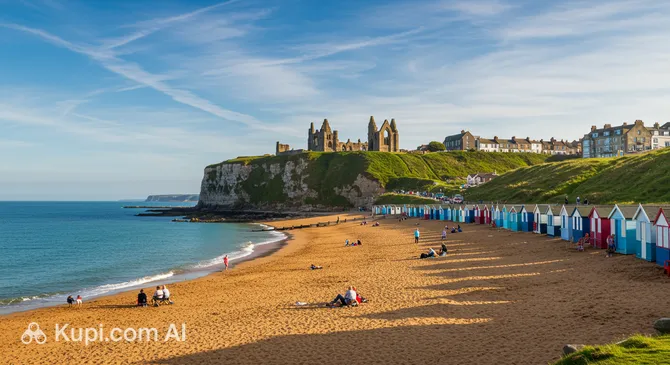
Tynemouth. Illustration.
Source: Kupi.com AI

The population of Tynemouth is approximately 68,000 people. The town is part of the North Tyneside metropolitan borough and is one of the key settlements in the county of Tyne and Wear. Tynemouth is known for its cozy architecture: narrow streets, tidy houses with blooming gardens, and historic buildings create the unique atmosphere of an English fairy tale, where history and modernity harmoniously intertwine.

Tourists are drawn to Tynemouth by its friendly atmosphere and rich cultural life. Here, you can enjoy the tranquility of the coast, taste the freshest seafood, and stroll along the scenic promenade. Among the main reasons to visit the town are its magnificent sandy beaches, perfect for walking and relaxation, as well as the opportunity to explore unique historical monuments and museums that tell the story of the region's rich past.

If you dream of an authentic English holiday combining sea breezes, historical heritage, and hospitality, Tynemouth is an excellent choice. Leisurely walks, cozy cafes with sea views, authentic markets, and plenty of opportunities for active leisure await you. Here, it is easy to feel at home, dissolve into the cozy atmosphere, and be inspired by the beauty of the northeast coast.

You can find more interesting facts on the Tynemouth city history page.

Weather Overview

The weather in Tynemouth is characterized by a temperate maritime climate. Summers here are usually cool, with average temperatures in July and August around 15.3°C, while maximum values rarely exceed 18°C. Winters are cold; the average January temperature is approximately 4.9°C, with lows around 3.1°C. Precipitation is fairly evenly distributed throughout the year, with monthly amounts of about 2-3 mm, though there are many rainy days – from 11 to 16 per month. This means light rain or drizzle is common in Tynemouth.

Overall, expect cool summers with frequent but light precipitation, and cold, damp winters. For more detailed information, you can learn more about the weather in Tynemouth.

Average monthly temperature

Average monthly precipitation

Interesting Facts

In addition to its famous coastal views and historical heritage, Tynemouth holds many curious details and stories that make it even more attractive to explorers. Here are just a few interesting facts that will help you look at this town from a new perspective:

Jam Jar Cinema. Illustration.
Source: Kupi.com AI

Traveler photos:

  • One of the town's main gems is the ancient castle which, according to local legend, hides an entire network of secret underground passages, supposedly leading from the castle fortifications directly to the coast. These stories give the ancient walls a special mystical aura and stir the imagination of visitors.

  • The atmospheric harbor buildings and industrial landscapes of Tynemouth and its surroundings have repeatedly attracted filmmakers, becoming picturesque backdrops for movie sets capturing the spirit of old England. Perhaps while walking through the town, you will recognize locations from a film, and afterward, you can discuss what you've seen at the cozy Jam Jar Cinema.

  • The town carefully preserves its rich maritime traditions. Annual regattas and maritime festivals gather enthusiasts and spectators from all over the country, bringing the coast to life and reminding everyone of Tynemouth's unbreakable bond with the sea and shipping.

  • Although they are a trademark of neighboring Newcastle, from Tynemouth or during trips through its scenic surroundings, you can admire the famous seven bridges over the River Tyne. Each of these bridges is a unique engineering feat with its own distinct history and architecture, having become true symbols of the entire Tyneside region.

How to Get There

When planning a trip to the northeast coast, it is important to think about your route in advance. You can explore all the ways to get to the city to choose the most convenient option. Tynemouth is located in close proximity to major transport hubs, making it easily accessible for tourists.

There is no airport in Tynemouth itself, but the closest and most convenient option is Newcastle International Airport (NCL). It is located in Newcastle upon Tyne, just 17.2 km from Tynemouth. This is a major aviation hub served by many flights. A taxi or car journey will take approximately 45–50 minutes. You can also reach the coast from the airport via the Metro, which directly connects the terminal to the seaside.

Another option for travelers is Leeds Bradford Airport (LBA). It is located in Leeds, about 129 km from Tynemouth. This is an international airport with high passenger traffic, which may be convenient if you are planning a complex route through Great Britain. The journey by car will take over 3 hours.

You can also consider Edinburgh Airport (EDI), located in the Scottish capital, approximately 161 km from Tynemouth. This is a very large airport with a wide range of flights. The journey from there to the Tyne and Wear coast will take about 4–4.5 hours by ground transport.

For convenience, here is a summary of the main airports:

AirportPassenger trafficDistance
Newcastle International Airport4.9 mln17 km
Durham Tees Valley Airport228 12657 km
Leeds Bradford International Airport4.2 mln129 km
Edinburgh Airport14.4 mln161 km
Humberside Airport150 615175 km

Rail travel is also a popular way to reach the region. There is no long-distance railway station in Tynemouth itself (the town is served by the Metro system), but you can arrive at Durham Railway Station, which is located in Durham, about 28 km from Tynemouth. This is an important transport hub with high passenger traffic. From there, you can reach the coast by taxi or public transport in about an hour.

If you are traveling from the north, a convenient transfer point is Waverley Station in Edinburgh. Despite being 152.5 km from Tynemouth, it is one of the UK's key stations with massive passenger flow, from which trains depart in all directions, including south towards Newcastle.

Below is information about the nearest and most significant railway stations:

StationPassenger trafficDistance
Durham Railway Station2.6 mln28 km
Carlisle Central Station2.1 mln98 km
Oxenholme Lake District Station542 270115 km
Bradford railway station2.3 mln138 km
Waverley Railway Station23.1 mln152 km

Main Attractions

Tynemouth offers its guests several interesting places for relaxation and entertainment. Although the town is better known for its coastal views and historical heritage, you will also find establishments that will make your stay more varied and memorable.

One such place is the Boatyard Brunch Café. This cozy establishment, classified as a bar, is perfect for a leisurely brunch or a cup of aromatic coffee. Here, you can relax in a pleasant atmosphere, enjoying delicious food and drinks, and have a good time in the company of friends or in solitude.

Boatyard Brunch Café. Illustration.
Source: Kupi.com AI

Traveler photos:

For lovers of cinema and evening leisure, the Jam Jar Cinema operates in Tynemouth. This is likely an independent cinema that offers viewers not only the latest releases but also arthouse films, documentaries, or themed screenings. Visiting such a cinema can be a great option for a cultural evening and new experiences.

Jam Jar Cinema. Illustration.
Source: Kupi.com AI

Traveler photos:

If you are looking for a place for dinner with original and memorable cuisine, take note of the restaurant Pablo Eggsgobaud. The intriguing name hints at unusual dishes, possibly inspired by Asian cuisine, Pan-Asian motifs, or representing an interesting gastronomic fusion. This is a wonderful opportunity to try something new and diversify your culinary discoveries in Tynemouth.

Pablo Eggs-Go-Bao. Illustration.
Source: Kupi.com AI

Traveler photos:

For those planning to spend time shopping, North Shields Retail Park is located nearby in North Shields. This large shopping complex offers a wide range of goods across various stores – from clothing and footwear of famous brands to electronics and home goods. It is a convenient place for those who want to combine relaxation with pleasant and useful purchases.

North Shields Retail Park. Illustration.
Source: Kupi.com AI

Traveler photos:

Local Cuisine

The gastronomic scene in Tynemouth is a true immersion into the flavors of North East England, where the freshness of the sea is felt in every dish. The star of the local cuisine is, without a doubt, the classic fish and chips. Many connoisseurs claim that it is here, thanks to the freshest catch of cod or haddock and the special skill of the chefs, that this simple dish reaches perfection.

In addition to fish and chips, Tynemouth offers a rich selection of other seafood. Local markets and street stalls offer fresh oysters, mussels, crabs, and shrimp, prepared in both traditional and more modern styles. Be sure to try the hearty fish pies or other seafood delights – another signature of the region. Even a traditional English breakfast here can be served with the addition of delicious smoked fish.

Food culture in Tynemouth is closely linked to its cozy pubs. Here, you can not only enjoy a pint of local ale or cider but also sample hearty meat dishes such as shepherd's pie or a classic roast beef with Yorkshire pudding. Pubs are the heart of local life, where both residents and tourists gather to have a drink and a good meal in a relaxed atmosphere.

There are many dining options in Tynemouth: from bustling markets and small cafes to elegant restaurants. If you are looking for an interesting place to get acquainted with the local gastronomy, take note of establishments such as Pablo Eggsgobaud, where you can discover new flavor combinations. Another option for a pleasant pastime and a snack is the Boatyard Brunch Café.

For those with a sweet tooth, Tynemouth also has plenty to offer. Try traditional English desserts: fragrant rhubarb crumble, delicate custard puddings, or the famous English scones with jam and clotted cream – the perfect accompaniment to a cup of tea.

Overall, Tynemouth's cuisine is a celebration of fresh, quality products, with an emphasis on seafood and loyalty to tradition. The town regularly hosts food festivals where you can get to know products from local farms and signature dishes from chefs. This is a great opportunity to fully immerse yourself in the authentic flavors of the northeast coast of Great Britain.

Travel Tips

Planning a trip to the charming coastal town of Tynemouth? Wonderful! To ensure your journey goes smoothly and leaves only pleasant impressions, we have prepared some practical tips.

  1. Clothing and Essentials: The weather in Great Britain, and Tynemouth in particular, can be unpredictable. Bring layers, including a waterproof jacket or raincoat, even in summer. Comfortable shoes are your best friend for walks along the coast and cobbled streets. Don't forget an adapter for British sockets (Type G).
  2. Transport: Tynemouth is pleasant to explore on foot. For trips to neighboring Newcastle and other areas, it's convenient to use the Tyne and Wear Metro – Tynemouth station is in the town center. Local buses also run frequently. Taxis and ride-hailing apps (like Uber) are available but can be more expensive. Renting a car is not necessary if you plan to stay within the town and its immediate surroundings.
  3. Finances: The local currency is the British Pound Sterling (GBP). Bank cards (Visa, Mastercard) are accepted almost everywhere. ATMs are easy to find. It's best to exchange currency at banks or exchange offices, avoiding airport kiosks due to less favorable rates. Tipping in restaurants is usually 10-15% of the bill and is often already included as a service charge; if not, it's customary to leave a tip. In pubs, tipping for drinks at the bar is not mandatory.
  4. Health and Safety: Pharmacies (labeled as "Pharmacy" or "Chemist") are available in town, but not all are open 24/7. If medical assistance is needed, tourists can visit local clinics or contact the NHS (National Health Service) by dialing 111 for non-emergencies or 999 for emergencies. Tynemouth is considered a safe town, but always take standard precautions: watch your belongings, especially in crowded places, and avoid poorly lit areas at night.
  5. Communication: The official language is English. Staff in the tourism sector generally speak it well. Locals are friendly, but knowing a few basic phrases like "Hello", "Thank you", and "Excuse me" is always appreciated. Local SIM cards can be purchased in supermarkets or specialized mobile shops. Free Wi-Fi is available in many cafes, pubs, and hotels.
  6. Local Etiquette: Britons value politeness. Words like "please", "thank you", and "sorry/excuse me" are used very often. Respect the queue ("queueing" is sacred!). It is customary to say hello when entering small shops or pubs.
  7. What to Avoid: Try not to litter, especially on beaches and in parks – fines apply. Avoid loud conversations and noisy behavior in public places, especially on transport and in residential areas in the evening.
  8. Extra Tip: Be sure to check the tide times if you plan on walking along the beach or cliffs – the sea here can be unpredictable. On weekends, the popular Tynemouth Market takes place at the station, where you can find antiques, local crafts, and street food – a great place to experience the local flavor!

We hope these tips help you better prepare for your trip and enjoy every moment in beautiful Tynemouth. Have a great journey!

Entertainment & Nightlife

When the sun sets over the coast, Tynemouth comes alive in a new way, offering guests a variety of options for evening and night-time relaxation. Although it is not a metropolis with countless clubs, the town has a cozy and friendly atmosphere, ideal for a pleasant evening.

The main center of Tynemouth's evening life is often Front Street and its surrounding areas. This is where numerous pubs, bars, and restaurants are concentrated, where you can enjoy both traditional British drinks and modern cocktails. The atmosphere in most establishments is relaxed and welcoming. The crowd here is a mix of locals and tourists enjoying the coastal air. Usually, there is no strict dress code, but for some of the more stylish bars in the evening, it is better to choose smart-casual attire.

Among the interesting spots for evening leisure is the Jam Jar Cinema. It is not just a cinema but a popular cultural space that often offers evening screenings, special events, and has a cozy bar, making it an excellent choice for an informal evening. Another place worth visiting is the Boatyard Brunch Café. During the day it is a popular cafe, and in the evening, it can transform into a lively spot to meet friends for drinks in a pleasant setting. If you are looking for a place for dinner, check out Pablo Eggsgobaud, which offers interesting dishes.

Practical tips for Tynemouth nightlife:

The best time to visit the bars is Friday and Saturday evenings when the atmosphere is most lively. Most pubs and bars operate until late evening, usually until 11:00 PM or midnight, and some may stay open later on weekends. Drink prices are average for the UK. Moving around the central areas of Tynemouth at night is quite safe; however, it is always wise to take standard precautions. For longer distances or returning to your hotel late at night, it is recommended to use taxi services, which can be called by phone or found at designated ranks.

During the day, Tynemouth also offers plenty of entertainment. You can explore the historic Tynemouth Castle and Priory, walk along scenic beaches like Longsands, or visit one of the local museums. Parks and playgrounds are great for family outings. Shopping enthusiasts can head to North Shields Retail Park, located nearby.

Parks & Museums

Tynemouth is a charming town where picturesque coastal landscapes harmoniously blend with a rich historical heritage. Here, you will find spacious green areas for outdoor relaxation and fascinating museums that tell the story of this corner of Great Britain.

Among Tynemouth's natural attractions, its beaches stand out in particular. Longsands Beach is a golden stretch of sand extending for a mile, an ideal place for walking, surfing, and family holidays. The slightly more secluded King Edward's Bay captivates with its beauty and tranquility, framed by cliffs upon one of which the castle majestically stands. For a more traditional park experience, Tynemouth Park is ideal, where you can go boating on the lake, wander through a maze, or play mini-golf.

The town's main historical and cultural gem is undoubtedly Tynemouth Priory and Castle. This impressive complex, with over a thousand years of history, stands on a headland overlooking the North Sea. Visitors can explore the ruins of the priory, walk along the castle's defensive fortifications, and learn about its role in English history. While there are no large museums on the list, it's worth noting small local exhibits you might encounter while walking, such as the Watch House Museum, dedicated to the history of the local life brigade and maritime heritage.

For an authentic experience, take a stroll down Front Street with its Victorian architecture, and browse the local shops and cafes. On weekends, Tynemouth Station often hosts a lively market where you can find antiques, handmade goods, and local delicacies, adding local color to your visit.

Getting Around

Getting around Tynemouth and its surroundings is quite convenient thanks to a well-developed public transport system. The main methods of travel here are the Metro and buses, which connect the town with Newcastle and other settlements in the Tyne and Wear region.

The Tyne and Wear Metro plays a key role in the transport system. Tynemouth station is part of this extensive network, making it easy to reach Newcastle city center, the airport, and other coastal towns. Trains run regularly, especially during peak hours. Bus services are also well-developed, offering routes both within Tynemouth and to neighboring areas not reached by the Metro. Buses are an excellent option for more local trips.

For fare payment, the most convenient option is a contactless Pop card, which can be topped up and used on both the Metro and most bus routes. Standard contactless bank cards and payment via mobile apps are also accepted. Single tickets can be purchased at machines in Metro stations or directly from bus drivers (it is advisable to have small change). The approximate cost of a single trip on the Metro or bus within the city is around £2-£3. There are various types of travel passes, including day tickets (approx. £4-£5) and weekly passes (approx. £15-£20), which can be cost-effective for frequent travel. Prices may vary depending on the zone and ticket type, so it is recommended to check current information before traveling.

Tourists should keep a few practical points in mind. Metro tickets must be purchased before boarding the train and kept until the end of the journey, as inspections may occur at stations. You usually need to validate your ticket when entering and exiting Metro stations equipped with barriers. Public transport generally operates from early morning until late evening, but schedules may change on weekends and holidays. It is recommended to check the current schedule on official transport operator websites or mobile apps.

In addition to public transport, alternative ways to get around are available in Tynemouth. Taxis can be called by phone or found at designated ranks. Ride-sharing apps are also popular. Given the coastal location and picturesque surroundings, bike rental can be a great option for leisurely rides, especially in good weather. While car-sharing is less common directly in Tynemouth, it may be available in larger neighboring cities.

Accommodation

When planning a trip to Tynemouth, you will find a fairly wide range of accommodation options to suit various preferences and budgets. The town offers guests everything from cozy B&Bs (Bed and Breakfasts) and guest houses to comfortable hotels and apartments for those who prefer more independence.

Many tourists choose accommodation in the immediate vicinity of Tynemouth's picturesque coast, offering beautiful views and easy access to the beaches. Options in the town center are also popular, where shops, restaurants, and main attractions are concentrated. Staying near transport links will be convenient for those planning to actively explore the surrounding area.

The price range for accommodation in Tynemouth varies: you can find budget options as well as mid-range hotels or more luxurious offerings. For searching and booking, it is convenient to use popular online platforms or contact selected hotels and guest houses directly. To ensure the best choice and favorable terms, especially during the height of the tourist season, it is recommended to take care of your booking in advance.

Nearby Cities

For those who want to explore the surrounding area, Tynemouth serves as an excellent starting point for day trips to several interesting nearby locations:

Among them is Newcastle upon Tyne, a vibrant city with a rich history, known for its iconic bridges over the River Tyne, boisterous nightlife, and cultural attractions like the Baltic Centre for Contemporary Art. Just a few kilometers away is South Shields, a charming coastal town offering sandy beaches, an amusement park, and the historic Arbeia Roman Fort. It is also worth visiting Sunderland, a city with an interesting industrial heritage where you can explore the National Glass Centre and walk along the scenic coast.

CityPopulationDistance
North Shields34 4232 km
Cullercoats9 2022 km
South Shields75 3372 km
Whitley Bay36 6234 km
Monkseaton19 0444 km

These nearby destinations provide insight into the region's diverse culture and landscapes.

Shopping & Souvenirs

Tynemouth offers charming and diverse shopping that feels more like a treasure hunt in cozy shops than a marathon through giant shopping malls. The town is famous for its independent boutiques, art galleries, and stores offering unique goods that reflect its coastal character and creative atmosphere.

The main shopping artery of Tynemouth is Front Street. Here you will find many small shops offering clothing, gifts, books, home goods, and items by local artisans. A walk along this street is a pleasure in itself, allowing you to peek into shop windows and discover something new. Another notable shopping area is around the railway station, where fairs are often held and interesting little stalls are located.

While there are no giant malls in Tynemouth itself, for a wider selection of shops you can head to neighboring North Shields. There you will find North Shields Retail Park, which features well-known chain brands and major retailers. This is a good option if you are looking for something specific or prefer "all-under-one-roof" shopping.

One of the main highlights of shopping in Tynemouth is the famous Tynemouth Market, which takes place on weekends at the historic railway station. It is a true kaleidoscope of antiques, vintage clothing, handmade goods, books, records, local produce, and street food. The market attracts both locals and tourists, creating a lively and friendly atmosphere. Here you can find truly unique items and souvenirs.

As souvenirs from Tynemouth, it is worth bringing back works by local artists and craftsmen – these could be paintings of sea landscapes, ceramics, or handmade jewelry. Nautical-themed items, souvenirs related to the region's history, and, of course, local delicacies found at the market or in specialty food stalls are also popular.

Most shops in Tynemouth follow standard British hours: approximately 9:00 AM-10:00 AM to 5:00 PM-6:00 PM, Monday to Saturday. Some small shops may have shorter hours or be closed on Sunday, while the market at the station operates specifically on weekends. Bank cards are accepted almost everywhere, though cash may be useful at the market or in very small shops.

For tourists from countries outside the UK, a Tax Free Shopping system may be available for some goods. It is recommended to check the possibility of Tax Free directly in stores when making purchases and to keep your receipts.

Reached the end of the page?

That means the route is fully explored