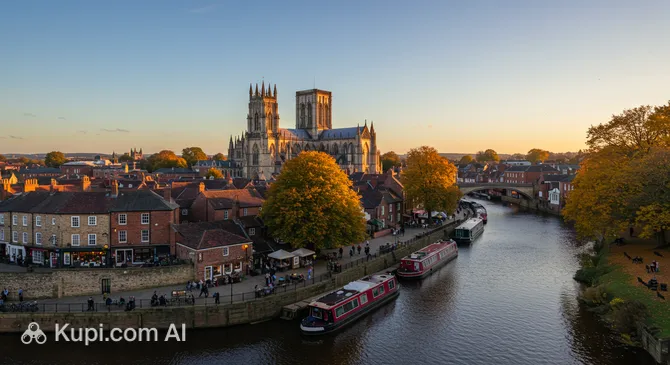
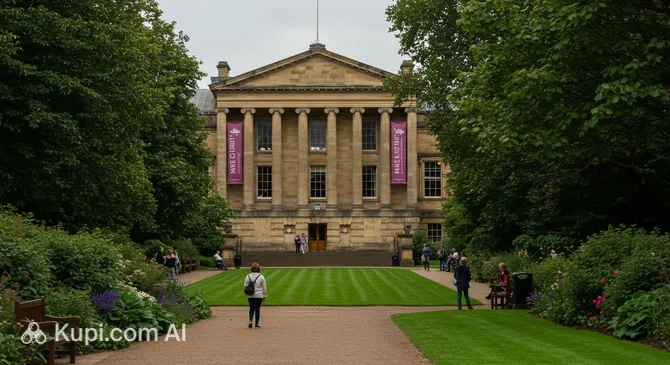
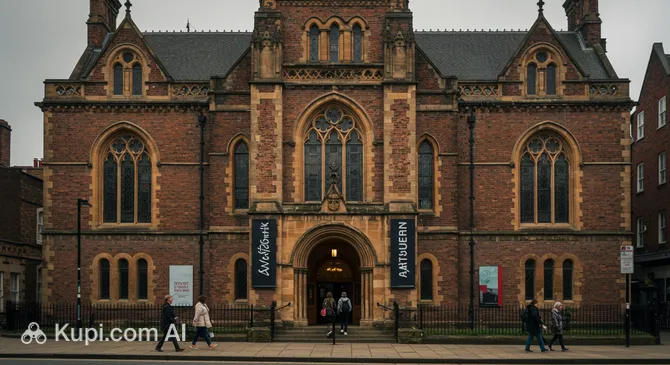
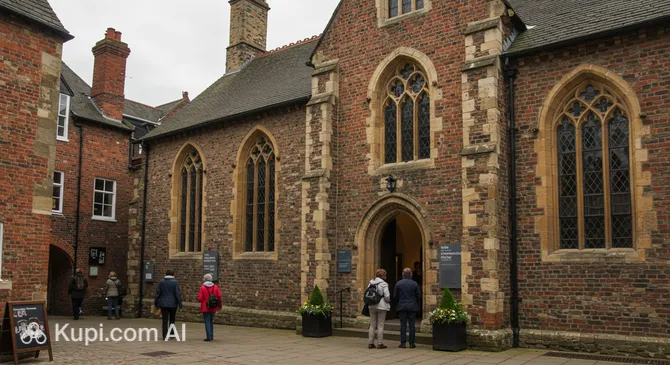
York is a city with a rich history and a unique atmosphere that seems to transport its guests back in time. Located in North Yorkshire, in the north of Great Britain, it charms visitors with its medieval streets, majestic architecture, and a sense of antiquity at every turn.
The population of York is approximately 181,131 people. The city is nestled at the confluence of the rivers Ouse and Foss, and its climate is typical for this part of England—temperate, with mild winters and cool summers, making it comfortable to visit at any time of year.
York. Illustration.
Source: Kupi.com AI
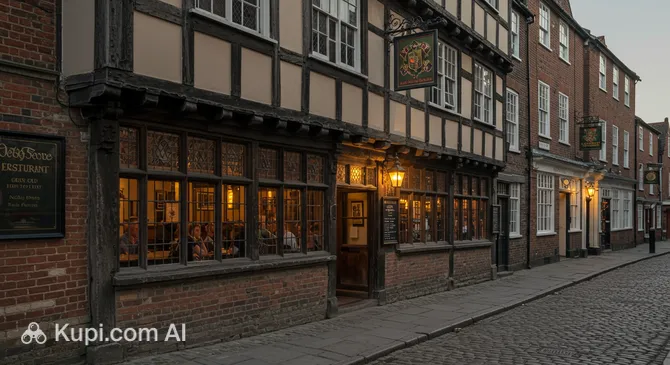
York is famous for its numerous attractions. Standing out among them are the magnificent York Minster—one of the largest Gothic cathedrals in Northern Europe; the famous The Shambles with its overhanging timber-framed houses, considered one of the most beautiful medieval streets in the world; and the well-preserved city walls, a walk along which offers breathtaking views of the old town.
A visit to York is an opportunity to touch centuries of history, enjoy unique architecture, and simply have a pleasant time exploring its cozy corners. This city will undoubtedly leave a lasting impression on every traveler.
You can find more interesting facts on the history of York page.
Weather Overview
The climate in York is temperate, making it attractive to visit at different times of the year. Summers are usually warm and comfortable, with average temperatures in the hottest months, July and August, around 16.3-16.5°C, while maximum values can reach 20.5°C. Winters in York are cool but without severe frosts: the average January temperature is around 4.5°C, and the minimum rarely drops below 2.0°C. Precipitation falls fairly regularly throughout the year, with the number of rainy days varying from 11 to 15 per month, though the total amount of precipitation is small, usually 2-3 mm per month. In general, expect mild summers with occasional rain and cool, damp winters. For more detailed trip planning, we recommend checking the information on the York Climate page.
Average monthly temperature
Average monthly precipitation
Interesting Facts
Beyond its famous landmarks, York holds many surprising stories and lesser-known facts that make it even more alluring for curious travelers. This ancient city seems ready to surprise its guests at every corner!
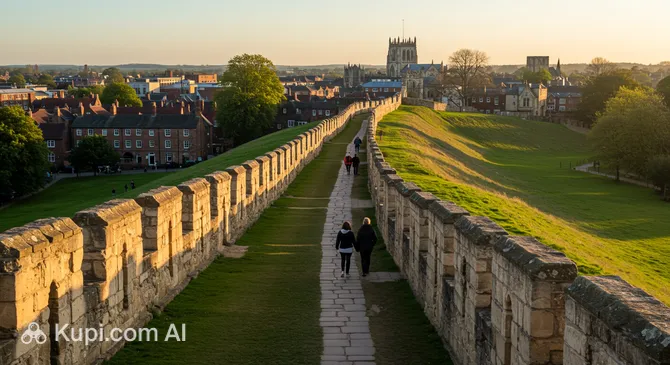
York City Walls. Illustration.
Source: Kupi.com AI
Traveler photos:
Many believe that the famous winding street The Shambles, with its overhanging houses, served as the prototype for Diagon Alley in the Harry Potter books. Although J.K. Rowling has never officially confirmed this, the resemblance is truly striking!
It was in York in 1570 that Guy Fawkes was born—the most famous participant in the Gunpowder Plot, which aimed to blow up the Houses of Parliament. Today, Guy Fawkes Night is celebrated across the UK every November 5th with fireworks and bonfires in his honor.
York is often called the most haunted city in Europe. There are over 500 documented cases of ghost sightings here, and the popular ghost walks attract many tourists looking for a thrill.
The city boasts the longest and best-preserved medieval city walls in England. A walk along the York City Walls, spanning about 3.4 km, offers magnificent views of the historic center and is a must-do for many visitors.
York is home to one of the shortest streets in the world with one of the most unusual names—Whip-Ma-Whop-Ma-Gate. Its name is thought to mean "neither one thing nor the other" or "the little street where dogs were whipped."
How to Get There
You can reach York in various ways, but tourists most often choose combined routes through the major transport hubs of neighboring cities. Thanks to the UK's developed transport network, the trip won't be difficult. You can find all the details and alternative options by following the link: more details on how to get to York.
If you are planning to fly, the nearest and most convenient option is Leeds Bradford Airport (IATA: LBA). York itself does not have its own airport, but this aviation hub is located just 40 km from your destination. It is an international airport with good passenger traffic, receiving flights from many European cities. The journey by taxi or bus takes about an hour.
Another popular option for international travelers is Manchester Airport (IATA: MAN). This is a major international hub located about 104 km from York. Many flights from all over the world arrive here. Thanks to direct rail links, getting from Manchester Airport to York is very fast and comfortable—the train journey takes only about 1.5–2 hours.
For convenience, here is summary information on the main airports:
Traveling by rail is another excellent way to reach the region. One of the key hubs is Manchester Piccadilly Station. It is located in Manchester, at a distance of about 93 km. This is one of the busiest stations in the country, with regular high-speed trains departing toward York. The travel time by train is approximately 1 hour 20 minutes to 1 hour 40 minutes, making this route very popular.
It is also worth considering Bradford Railway Station. The station is located in the city of Bradford, about 48 km from York. This is a convenient option for those traveling through West Yorkshire. The trip from here to the center of York by regional transport or car will take about an hour.
Below is a table with information on the nearest major railway stations in the region:
York is a true treasure trove for history buffs and lovers of beautiful architecture. The city offers many unique sites, each telling its own fascinating story. Here are just a few key attractions that you shouldn't miss during your visit.
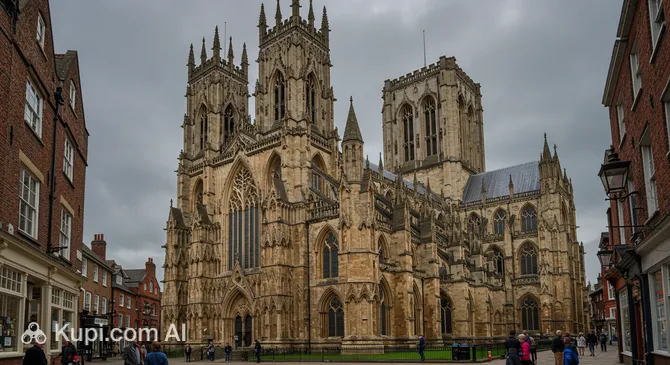
The majestic York Minster is the heart of the city and one of the most impressive Gothic cathedrals in the world. Its construction spanned over 250 years, and the result is stunning: massive stained-glass windows, including the famous "Great East Window" which is the size of a tennis court, and intricate stone and wood carvings. Be sure to climb the Central Tower for a breathtaking panoramic view of all of York and its surroundings. The cathedral is not only an important religious center but also a venue for concerts and exhibitions.
York Minster. Illustration.
Source: Kupi.com AI
Traveler photos:
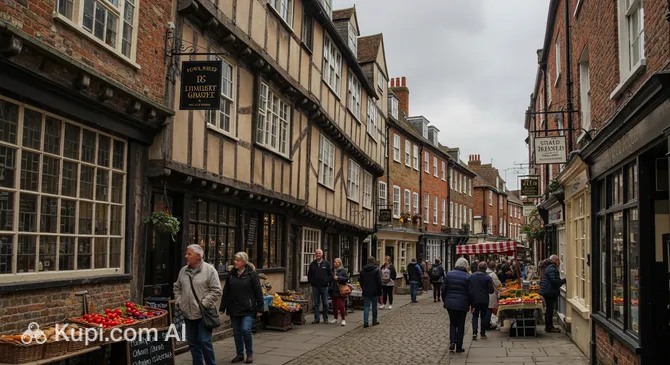
Take a stroll down the famous Shambles Market (The Shambles), which is considered one of the best-preserved medieval streets in Europe. Its narrow cobbled lanes and quaintly overhanging 14th- and 15th-century timber-framed houses create a unique atmosphere. Once home to many butcher shops, today The Shambles attracts tourists with its charming independent shops, cafes, and souvenir stalls. Many believe this street inspired the creators of the Harry Potter films for Diagon Alley.
Shambles Market. Illustration.
Source: Kupi.com AI
Traveler photos:
Don't miss Clifford's Tower—the last major remnant of York Castle, built by William the Conqueror. Standing on a high artificial mound, the tower has witnessed many dramatic events in English history, including the tragic Jewish massacre of 1190. Today, it is a popular spot offering beautiful views of the city, and inside you can learn more about the castle's history and its role in York's life.
Clifford's Tower. Illustration.
Source: Kupi.com AI
Traveler photos:
To immerse yourself in the Viking Age, head to the Jorvik Viking Centre. This unique museum recreates the life and daily routine of Scandinavian settlers in 10th-century York (which they called Jorvik). The exhibition is based on incredible archaeological finds made on this very site. The highlight is a journey on a "time machine" through a reconstructed Viking village, complete with authentic smells and sounds, making the experience incredibly realistic.
JORVIK Viking Centre. Illustration.
Source: Kupi.com AI
Traveler photos:
A must-do on your itinerary is a walk along the York City Walls. These are the longest and best-preserved medieval city walls in England, stretching about 3.4 kilometers. The walk along the walls is completely free and allows you to enjoy magnificent views of the old city, including York Minster, while passing through historic gateways like Micklegate Bar or Monk Bar. It’s a wonderful opportunity to see the city from a different perspective and feel its multi-century history.
York City Walls. Illustration.
Source: Kupi.com AI
Traveler photos:
Local Cuisine
Gastronomic York is an amazing blend of centuries-old traditions and modern culinary trends. The city offers many flavor discoveries, from hearty classic dishes to exquisite delicacies capable of satisfying any gourmet. Here, everyone will find something to their liking, whether it's a cozy pub with home-cooked food or a stylish restaurant with signature cuisine.
Be sure to try the famous Yorkshire pudding—not just a side dish, but a dish in its own right, served here with gravy or as part of a traditional Sunday Roast with roasted meat and vegetables. Another iconic treat is Parkin, a ginger cake particularly popular in the autumn and winter. Don't miss the local meat pies with various fillings and, of course, traditional English breakfasts. For those with a sweet tooth, the "Fat Rascals"—large scones with raisins and cherries, often decorated with almonds and glacé cherries—are a must-try.
As for drinks, York, like all of Yorkshire, is famous for its ales. Numerous pubs offer a wide selection of local craft beers and traditional varieties. Cider is also popular. Among non-alcoholic drinks, the famous Yorkshire Tea must be mentioned—strong and aromatic, it is an integral part of local culture. It is served everywhere, from small cafes to elegant tea rooms.
House of the Trembling Madness. Illustration.
Source: Kupi.com AI
Traveler photos:
The food culture in York is diverse. Locals and tourists alike enjoy spending time in traditional pubs, where you can not only have a drink but also a hearty lunch. Tea rooms are very popular, offering classic afternoon tea with sandwiches, scones, and cakes. At the Shambles Market, you can find street food and local produce. The city also has many restaurants for every taste and budget, from family-run establishments to fine dining. For example, for an unusual dinner, you can visit the House of Trembling Madness, which offers not just food but a very special atmosphere.
The York gastronomic scene attracts tourists with its authentic character and variety. The opportunity to try real Yorkshire pudding in its "home" city, enjoy a pint of local ale in a historic pub, or savor traditional afternoon tea—all this creates unforgettable impressions and allows you to dive deeper into the culture of this amazing city.
Travel Tips
Planning a trip to charming York? Wonderful! To ensure your journey through this historic city in Great Britain goes smoothly and leaves only pleasant impressions, we have prepared some practical tips.
Clothing and essentials: The weather in York, as in all of England, can be changeable. Bring clothes that can be layered, comfortable waterproof shoes for long walks on cobblestones and city walls, and a light jacket or raincoat. Don't forget an adapter for British sockets (Type G). When visiting York Minster and other religious sites, it's best to opt for modest clothing that covers shoulders and knees.
Getting around the city: York's historic center is ideal for walking—most attractions are within walking distance. For longer trips, you can use buses—the main form of public transport. Taxis and ride-hailing apps (like Uber) are also available. Renting a car to move around the city itself is not very practical due to narrow streets and limited parking, but it can be useful if you plan to explore the Yorkshire countryside.
Financial matters: The local currency is the British Pound (GBP). You can exchange currency at banks, post offices, or exchange bureaus, but it's more profitable to do it in advance or withdraw cash from ATMs. Credit and debit cards (especially Visa and Mastercard) are accepted almost everywhere. Contactless payment is very common. Tipping in restaurants is usually 10-15% if a service charge is not included in the bill. Tipping in pubs is not customary, but you can round up the amount or buy the bartender a drink.
Health and safety:York is generally a very safe city. However, standard precautions, especially in crowded tourist areas, won't hurt. Pharmacies (Boots, Superdrug, and independent ones) are easy to find in the city center. For emergency medical assistance, call 999. It is recommended to have travel insurance. For non-emergency medical advice, you can call 111 (NHS service).
Communication and connectivity: The official language is English. Staff in the tourism sector generally speak it well. Free Wi-Fi is available in many cafes, hotels, and some public places. For long stays and active mobile internet use, consider buying a local SIM card.
Local etiquette: Britons value politeness. Don't forget to say "please," "thank you," and "sorry." Queueing is a sacred rule. It's customary to say hello ("Hello," "Good morning/afternoon") and goodbye ("Goodbye," "Cheers"—more informal). In conversation, try not to be too intrusive or loud.
What to avoid: Try not to skip the queue—it's considered very rude. Avoid excessively loud behavior in public places, especially on transport or in quiet cafes. Do not litter on the streets—there are bins for that.
A unique York feature: Be sure to explore the "Snickelways"—narrow medieval streets and passages hidden from the main roads. They are full of charm and lead to interesting little shops and pubs. If you plan to visit many paid attractions, consider buying a York Pass—it can help you save money.
We hope these tips help you better prepare for your trip and fully enjoy the unique atmosphere of ancient York. Have a pleasant journey!
Entertainment & Nightlife
York is a city that not only impresses with its history and architecture by day but also offers plenty of options for an exciting evening out. From traditional pubs with centuries of history to modern bars and lively clubs, York's nightlife can satisfy a wide range of tastes.
The main concentration of evening and night venues is in the city center. Streets like Micklegate, famous for its "pub crawl," Stonegate and Low Petergate with their charming historic pubs, as well as the Swinegate and Grape Lane area, where more trendy bars and restaurants are located, come alive after sunset. The atmosphere here ranges from cozy and relaxed in traditional pubs, where you can enjoy local ale and good conversation, to energetic and dance-oriented in nightclubs. The crowd is mostly mixed—locals and tourists of all ages—though some clubs are more youth-oriented.
Several venues stand out among popular spots for evening relaxation. If you're looking for a lively atmosphere and pop music, Popworld York nightclub can be a great choice for dancing until dawn. For a quieter evening with drinks in a stylish setting, Everyman York, which often combines cinema screenings with bar culture, is ideal. And if you want to start the evening with a themed dinner in an unusual setting, check out the Valhalla restaurant, which offers a Viking-themed atmosphere.
Popworld York. Illustration.
Source: Kupi.com AI
Traveler photos:
Practical tips for nightlife in York:
Timing: Pubs usually start filling up from early evening, bars become more popular after 8:00–9:00 PM, and clubs typically come to life after 10:00–11:00 PM and stay open until 2:00–3:00 AM, with some staying open even later.
Prices: Average drink prices in York are considered moderate but can vary depending on the prestige of the venue. Some clubs may have an entry fee, especially on weekends.
Transport: At night, taxis are the main way to get around. Local taxi companies and popular ride-hailing apps both operate in the city. It is recommended to book a taxi in advance, especially during peak hours or for trips to the outskirts.
Dress code: Most pubs and bars do not have strict dress requirements; the style is usually casual. However, some more upscale bars and nightclubs may follow a "smart casual" policy, prohibiting sportswear or athletic shoes.
Safety: The central districts of York, where the nightlife is concentrated, are generally well-lit and considered safe for walking. Nevertheless, it is always worth taking standard precautions: keep an eye on your valuables and avoid poorly lit or deserted alleys, especially if you are alone. If you are returning late, use an official taxi service.
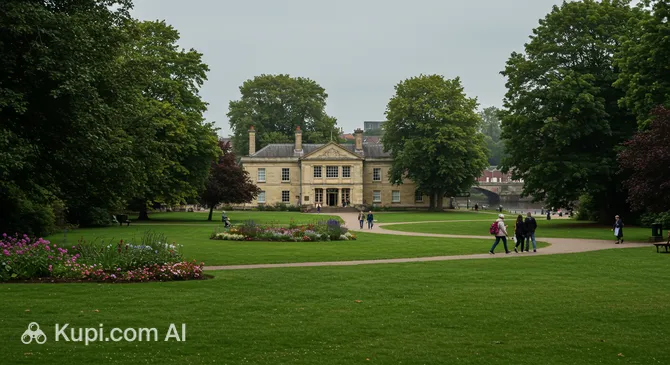
While York is famous for its nightlife, daytime entertainment is just as vibrant. The city offers a rich selection of cultural events. You can visit numerous museums, such as the York Art Gallery, or explore historic sites. For nature and outdoor enthusiasts, there are beautiful parks like Rowntree Park, where you can escape the city bustle. The city also features theaters offering various productions and family adventure parks like the Web Adventure Park.
Rowntree Park. Illustration.
Source: Kupi.com AI
Traveler photos:
Regardless of your preferences, York will provide you with plenty of options for both vibrant night-time fun and interesting daytime leisure, making your journey unforgettable.
Parks & Museums
York is not only a city with a rich medieval history captured in its walls and cathedrals but also a place where you can enjoy the tranquility of green oases and immerse yourself in the world of knowledge and art in numerous museums. The city's parks and cultural institutions offer a variety of experiences for every traveler looking to get to know York better.
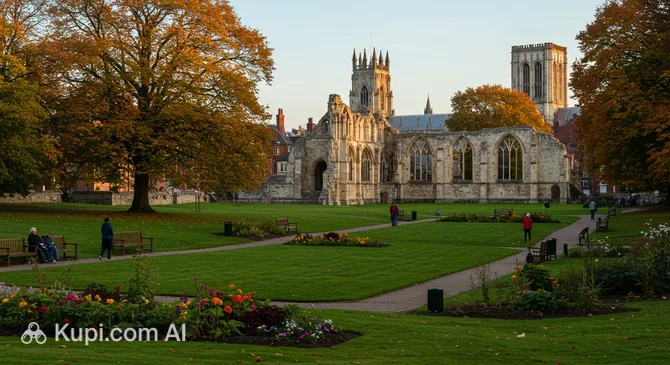
Among York's green spaces, the Museum Gardens hold a special place. This is not just a park, but a true botanical garden in the heart of the city, stretching along the banks of the River Ouse. Here, you can stroll among manicured flowerbeds, see the ruins of the medieval St Mary's Abbey, and visit the Yorkshire Museum located on its grounds. It is an ideal spot to escape the city bustle and have a picnic in good weather.
Museum Gardens. Illustration.
Source: Kupi.com AI
Traveler photos:
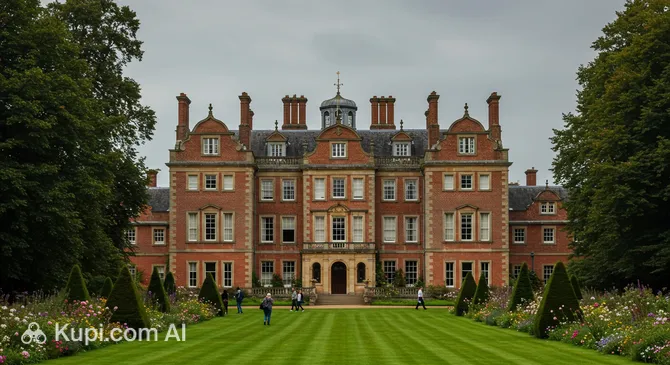
For a longer nature walk, Rowntree Park is perfect. This spacious park, gifted to the city by the Rowntree family—famous for their chocolate factories—offers many activities: from tennis courts and a skate park to playgrounds and a picturesque lake with boats. Although it was already mentioned as a great spot for daytime leisure, its beauty and recreational opportunities deserve repeated attention. If you're willing to go a bit outside the center, the majestic Beningbrough Hall, Gallery and Gardens offer the beauty of a Baroque mansion, an impressive portrait gallery, and extensive formal gardens—a perfect place for a full day in the fresh air.
Rowntree Park. Illustration.
Source: Kupi.com AI
Traveler photos:
Beningbrough Hall, Gallery and Gardens. Illustration.
Source: Kupi.com AI
Traveler photos:
York's cultural life is equally vibrant. One of the most significant and interesting museums is the York Castle Museum. Here, you can travel through time by walking down the reconstructed Victorian street, Kirkgate, with its shops and workshops, learn about the daily lives of York residents from different eras, and even visit the cells of a former prison. It is a fascinating immersion into the city's social history.
York Castle Museum. Illustration.
Source: Kupi.com AI
Traveler photos:
The previously mentioned Yorkshire Museum, located in the Museum Gardens, houses rich collections of archaeological finds, from Roman mosaics to Viking treasures, as well as exhibits on geology and astronomy. A visit here perfectly complements a walk through the gardens.
Yorkshire Museum. Illustration.
Source: Kupi.com AI
Traveler photos:
For art lovers, the York Art Gallery is a must-see. It boasts an impressive collection of British and European paintings, as well as a significant collection of ceramics. The gallery regularly hosts temporary exhibitions, introducing visitors to works by both recognized masters and contemporary artists.
York Art Gallery. Illustration.
Source: Kupi.com AI
Traveler photos:
Of course, one must not forget other iconic sites that shape York's cultural identity. These include the Jorvik Viking Centre, which recreates the lives of Scandinavian settlers in detail, the majestic York Minster, and the ancient York City Walls. Although these sites may have been mentioned earlier, their significance to the city's historical heritage cannot be overstated, and they also deserve attention when planning a cultural program.
JORVIK Viking Centre. Illustration.
Source: Kupi.com AI
Traveler photos:
York Minster. Illustration.
Source: Kupi.com AI
Traveler photos:
York City Walls. Illustration.
Source: Kupi.com AI
Traveler photos:
For those seeking lesser-known but equally interesting places, the Bar Convent Living Heritage Centre is worth a look. It is the oldest active convent in England, offering a unique perspective on the history of Catholicism in the country and the life of nuns. Also, don't miss the chance to peek into Dean's Park, a quiet and cozy park by the walls of York Minster, perfect for a moment of rest and contemplation.
Bar Convent Living Heritage Centre. Illustration.
Source: Kupi.com AI
Traveler photos:
Getting Around
Getting around York is quite easy, especially in its compact historic center, which is ideal for walking. However, for longer trips or to save time, a public transport system is at your service, primarily consisting of buses. The city has no metro, trams, trolleybuses, or fixed-route shared taxis common in some countries. The main bus operator is First York, covering most city and suburban routes.
The fare payment system for York buses is quite flexible. You can purchase a single ticket directly from the driver, paying in cash (exact change is preferred) or with a contactless bank card—the most common method. For more frequent travel, it's more economical to buy Day Tickets or Week Tickets, which can be purchased from the driver, via the First Bus mobile app, or using a York by Bus smart card. The approximate cost of a single trip is around £2-£2.50, while a day ticket costs about £4.50-£5.50.
As mentioned, bus tickets can be bought from the driver upon boarding or in advance via the First Bus mobile app, which is also convenient for tracking schedules and routes. When boarding, simply show the driver your electronic ticket or tap your contactless card/smart card on the validator. Buses in York usually run from early morning (about 6:00–7:00 AM) until late evening (around 11:00 PM), but schedules may change on weekends and holidays, so it's always recommended to check current information on the operator's website or app.
Besides buses, other ways to get around are available in York. Taxis, including traditional cabs and services like Uber, are easy to find in the city center, at the station, or can be ordered by phone or app. For those who enjoy active recreation, York offers good conditions for cycling—the city is relatively flat, and there are several bicycle rental points. Renting a car to get around the city itself may not always be convenient due to narrow streets and limited parking in the center, but it's useful for exploring the surrounding areas.
One very convenient feature of York's transport system is the Park & Ride network. If you arrive in the city by car, you can leave it at one of several large parking lots on the outskirts and reach the center by a dedicated bus. This saves time looking for parking in the center and is often more cost-effective. Park & Ride buses run frequently and take passengers directly to the main attractions.
Accommodation
In York, you will find a wide range of accommodation options to suit any budget and preference. From cozy guest houses (B&Bs) and budget hostels for thrifty travelers to comfortable mid-range hotels and luxurious boutique hotels offering first-class service. Renting apartments and holiday homes is also popular, especially for families or groups wanting more space and privacy.
The most sought-after areas for tourists to stay are, of course, the historic center of York, located inside the ancient city walls. Staying here ensures walking distance to all major attractions, such as York Minster, the famous Shambles street, and numerous museums. Areas adjacent to York Railway Station are also convenient, especially for those planning active travel around the surrounding region. The outskirts of the city may offer a quieter atmosphere and potentially better prices but will require using public transport to get to the center.
When planning a trip to York, especially during the peak tourist season (summer months, Christmas holidays), it is recommended to book accommodation in advance to ensure the best choice and prices. The price range varies from budget options to luxury class. The most common booking methods are popular online platforms (such as Booking.com, Expedia, Airbnb) or direct booking through official hotel websites. By comparing offers on various resources, you can find the optimal option that matches your expectations and budget.
Nearby Cities
For those looking to explore the surrounding area, York serves as an excellent starting point for day trips to several interesting nearby locations:
City
Population
Distance
Selby
19 760
20 km
Wetherby
11 712
21 km
Knaresborough
15 441
26 km
Garforth
19 811
28 km
Kippax
9 785
29 km
These nearby destinations provide insight into the diverse culture and landscapes of the region, complementing the experience of visiting York itself. For instance, Leeds attracts visitors with its Victorian architecture, shopping, and vibrant cultural scene. The charming resort town of Harrogate is famous for its elegant gardens, Turkish baths, and the renowned "Bettys" tea rooms. Smaller towns like Castleford and Pontefract offer a quieter look at Yorkshire's history and local character.
Shopping & Souvenirs
Shopping in York is a fascinating journey through the centuries, where ancient streets lined with independent boutiques sit alongside modern shopping centers. The city offers a variety of shopping opportunities, from unique souvenirs and local delicacies to well-known brands. York is particularly famous for its confectionery, traditional Yorkshire tea, and artisan goods that reflect the city's rich history.
The main shopping arteries of York are its historic streets. The famous The Shambles, one of the best-preserved medieval streets in Europe, today attracts visitors with many unusual independent shops, souvenir stalls, and boutiques, including those dedicated to the Harry Potter theme. Equally interesting for shopping are Stonegate and Petergate, where you will find jewelry stores, art galleries, clothing shops, and bookstores. For fans of popular brands and department stores, Coney Street, one of the city's main shopping streets, is the place to go.
If you prefer shopping under one roof, York has several shopping centers. The Coppergate Shopping Centre is conveniently located in the city center, near attractions like the Jorvik Viking Centre. It features popular clothing, cosmetics, and homeware stores.
Coppergate Shopping Centre. Illustration.
Source: Kupi.com AI
Traveler photos:
For larger-scale shopping, you can head to Monks Cross Shopping Park, located on the outskirts of the city. This is a large retail park with a wide selection of famous brand stores, department stores, as well as restaurants and cafes, and it features extensive free parking.
Monks Cross Shopping Park. Illustration.
Source: Kupi.com AI
Traveler photos:
An integral part of York's shopping scene is its markets. The most famous is undoubtedly the Shambles Market, which has been operating for centuries. This vibrant market, located in the heart of the historic center, is open seven days a week. Here you will find everything from fresh local produce, cheeses, and baked goods to clothing, accessories, unique gifts, handmade items, and street food from around the world. it's a great place to soak up the local flavor and find something special.
Shambles Market. Illustration.
Source: Kupi.com AI
Traveler photos:
As souvenirs from York, tourists often choose items related to its rich history and culture. Yorkshire tea and local chocolate products (as York has long traditions of chocolate manufacturing) are popular. Items with York Minster symbols, Viking and Roman-themed souvenirs, as well as various "ghostly" trinkets are also in demand, given York is considered one of the most haunted cities in Great Britain. In the many small shops, you can find works by local artisans, ceramics, and pieces of art.
Typical shop opening hours in York are from 9:00/10:00 AM to 5:00/6:00 PM from Monday to Saturday. Some larger stores and shopping centers may stay open later, especially on Thursdays (late-night shopping). On Sunday, shops are usually open on a reduced schedule, for example, from 10:00/11:00 AM to 4:00/5:00 PM. Regarding payment, credit and debit cards (Visa, Mastercard) are accepted almost everywhere, and contactless payment is very common. Cash is also accepted, especially at markets and in small independent shops.
Regarding tax refunds (Tax Free), it is important to know that since January 1, 2021, the VAT Retail Export Scheme for goods purchased in Great Britain (England, Scotland, and Wales) and exported by tourists in their personal luggage has been abolished. This means that foreign visitors can no longer receive a VAT refund on most goods bought in York and other UK cities. Exceptions may include goods that the store sends directly to your address outside the UK.