Support

Barley Hall

About

In the heart of the historic center of York, hidden away in quiet alleys, lies Barley Hall — a magnificently reconstructed medieval townhouse. This unique site invites travelers to take a real step back in time into the atmosphere of 15th-century Great Britain.
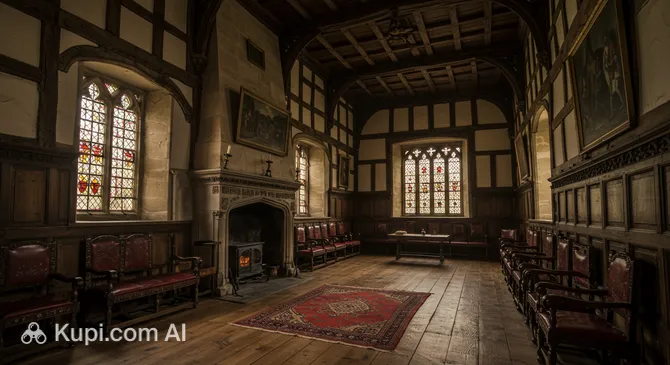
Barley Hall
Barley Hall. Иллюстрация. Источник: Kupi.com AI

Built around 1360 by the monks of Nostell Priory, Barley Hall served as their city residence and hospice for a long time. Today, it is one of the most extensive medieval architectural restoration projects, where every element — from the massive timber beams to the tiled floors — has been recreated with historical accuracy to the year 1483.

Visitors are impressed by the high ceilings, exposed timber frames, and the majestic Great Hall. Functioning as an interactive museum, Barley Hall allows guests not just to look at the exhibits, but to literally touch the life of a bygone era, feeling like a part of medieval everyday life.

Contacts

To plan your visit to Barley Hall, the following contact information and coordinates will be useful. The building is located in the city's historic center, making it easy to combine your visit with a stroll through the ancient streets.

How to contactContact
Address2 Coffee Yard, York YO1 8AR, UK
Phone+44 1904 615505
Websitewww.barleyhall.co.uk

What to Do

A walk through Barley Hall is a fascinating exploration of the life of a medieval family. On the first floor, you can peek into the steward's room, appreciate the scale of the Great Hall with its original geometric floor tile pattern, and see the authentic kitchen and pantry that recreate the atmosphere of a wealthy townhouse.

Heading up to the second floor, guests enter the state apartments, the bright gallery, and the bedrooms. Special attention should be paid to the interiors: the furniture and household items are exact replicas of items from 1478, created based on archival inventory records. One of the most notable exhibits is a carved 14th-century chest found in Ripon.

The museum offers an interactive experience where you can learn about the lives of its inhabitants, such as the famous goldsmith and Lord Mayor, William Snawsell. The displays and exhibitions help visitors understand how people ate, slept, and managed their households during the medieval period, making history live and tangible for visitors of all ages.

Getting There

Finding Barley Hall is a small adventure in itself, as the building is tucked away in the cozy Coffee Yard alley in the heart of the city. The easiest way to get here is on foot by following signs to the historic district and heading toward the popular Stonegate shopping street.

For those arriving by public transport, the walk from York Railway Station takes about 15 minutes at a leisurely pace. The city is well-connected by regular rail services to other regions of England, making a visit to the museum accessible for tourists from all over the country.

If you prefer comfort, you can use a local taxi service. A car can drop you off as close as possible to the pedestrian zone, from where it is just a few minutes' walk through atmospheric medieval alleys to the entrance of Barley Hall.

Ближайший город: York

History & Facts

The history of Barley Hall began around 1360 when Prior Thomas de Dereford of Nostell Priory decided to build a house for monks visiting the city on business. However, by the 1430s, due to the monastery's financial difficulties, the building began to be leased to wealthy laypeople, one of whom was the Lord Mayor and goldsmith William Snawsell.

Following the famous Dissolution of the Monasteries under King Henry VIII in 1540, the house passed into private ownership. Over the following centuries, the once-grand residence gradually fell into decline: it was divided into smaller dwellings, and by the Victorian era, it housed craft workshops and even a plumbing warehouse.

By the early 1980s, the building was in a state of disrepair and slated for demolition. A stroke of luck led to the discovery of a unique medieval timber frame hidden beneath layers of plaster, saving the house from destruction. The York Archaeological Trust purchased the building in 1987 and undertook a massive restoration project.

The reconstruction, which lasted until 1992, allowed the house to be restored to its 1483 appearance. Although only about 30% of the original structure survived, restorers managed to capture the spirit of the 15th century with striking accuracy, turning a derelict building into one of England's most fascinating museums.

Time Needed

To leisurely explore all the rooms and carefully study the exhibits, most visitors need between 1 and 2 hours. This is plenty of time to soak up the atmosphere of the house and examine the domestic details of medieval life.

If you are passionate about architectural history or plan to visit Barley Hall during a special exhibition, it is worth setting aside a bit more time. The museum is quite compact, so it is easy to include as an enjoyable and educational break in a busy itinerary through the city center.

Working Hours

The doors of this historic house are open to guests daily, making it easy to plan a visit on any day of the week.

Barley Hall is open from Monday to Sunday, 10:00 AM to 4:30 PM. Please note that the last entry to the museum is usually shortly before closing, so it is recommended to arrive early to explore all the rooms at your own pace.

10:00 – 16:30

Nearby

A walk around the area surrounding Barley Hall will allow you to immerse yourself even deeper in the atmosphere of the medieval city. Thanks to the museum's prime location in the heart of the historic quarter, exploring nearby attractions is quick and rewarding.

Within walking distance are the famous city gates and preserved sections of the city walls, recognized as some of the finest examples of defensive architecture in Europe. Below is a list of interesting sites located nearby:

NameDistance
House of the Trembling Madness0.1 km
Valhalla0.2 km
York Minster0.2 km
Shambles Market0.2 km
Bootham Bar0.3 km
The Stonebow0.3 km
Yorkshire Museum0.3 km

Reached the end of the page?

That means the route is fully explored