Support

Baker City

About

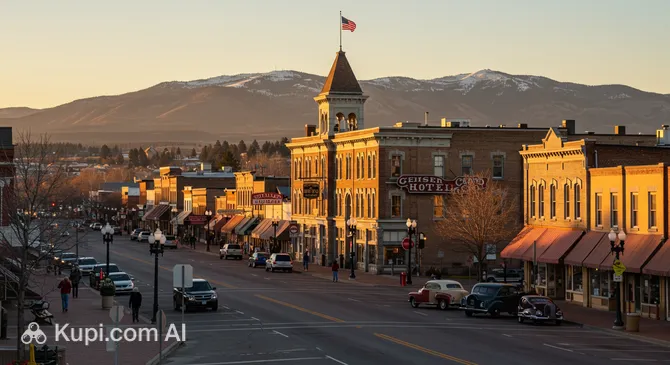
Baker City is a true gem of Eastern Oregon, nestled comfortably at the foot of the scenic Blue Mountains. This small but incredibly atmospheric city in the USA attracts travelers with its sincere hospitality and a unique blend of wilderness and rich architectural heritage. With a population of about 10,000 people, it maintains a cozy, intimate feel that makes guests feel right at home while offering all the amenities for comfortable tourism.

Baker City. Illustration.
Source: Kupi.com AI

Walking through the streets feels like stepping back into the Wild West era. The historic city center is an open-air museum featuring more than a hundred buildings from the 19th and early 20th centuries. Among them, the majestic Geiser Grand Hotel, built in 1889, stands out as a symbol of past prosperity. The fascinating history of Baker City, closely tied to the romance of the Gold Rush, is felt everywhere here: old mansions harmoniously coexist with modern galleries, cozy cafes, and antique shops.

Travelers often call this place the "base camp of Eastern Oregon," a title it well deserves. The city serves as an ideal starting point for exploring the famous Hells Canyon and the scenic Snake River. Additionally, its proximity to the National Historic Oregon Trail offers excellent opportunities for hiking and immersing oneself in the past of American pioneers. Baker City is a destination where adventure begins right at your doorstep, and every visit leaves warm memories.

Weather Overview

The climate of Baker City is characterized by pronounced seasonality, offering travelers completely different experiences depending on the time of year. Summer here is generally very comfortable and sunny: in July and August, the daytime air warms up to an average of 28–29 °C. This is the driest period, when rain becomes an exceptional rarity, creating ideal conditions for exploring the city and its surroundings.

Winters, on the other hand, bring a frosty freshness. In December and January, the average temperature stays around -3 °C, often dropping to -6 °C at night. During this time of year, the number of days with precipitation increases significantly (up to 16 days per month), so landscapes are often covered in snow. If you are planning a visit during the shoulder season or winter, the current weather in Baker City will help you pack your suitcase correctly and choose the right dates.

Spring arrives gradually, with temperatures rising from 0 °C in March to a pleasant 16 °C in May. Overall, the region is characterized by warm, dry summers and cool winters with relatively frequent precipitation.

Average monthly temperature

Average monthly precipitation

Interesting Facts

Beyond its main attractions, Baker City holds many fascinating secrets and stories rooted in the Gold Rush era. Here are a few facts that will help you see this city from a new perspective:

  • The "Queen" of the region. In the 19th century, Baker City proudly bore the title "Queen of the Inland Empire." Thanks to the wealth brought by the gold mines, it was considered a major trade and cultural center, rivaling even large coastal cities in luxury and influence.

  • Architectural Sanctuary. It is one of the few cities in the West where the historic center has been preserved almost in its original state. More than a hundred buildings, including the former City Hall, the county courthouse, and Victorian-style churches, are listed on the National Register of Historic Places, turning a walk through the streets into a journey through time.

  • Echoes of the Oregon Trail. The city is inextricably linked to the legendary settler route. At the local National Historic Oregon Trail Interpretive Center, you can not only learn about pioneer life but also see authentic artifacts from that era, reminding us of the thousands of people who passed through here in search of a better life.

  • Legends of Chinatown. The Chinese diaspora played a significant role in the city's development, arriving during the Gold Rush. A reminder of this is the old Chinese cemetery, which is now shrouded in local legends and attracts fans of mysterious stories and themed tours.

How to Get There

When planning a trip to this colorful corner of Oregon, it is worth thinking through your route in advance, as the city is located far from major metropolises. You can find out more about how to get to Baker City by exploring all available options, but the primary way to get here remains flying into the nearest major transportation hubs followed by a car trip.

The most convenient option for most tourists is Boise Airport (Gowen Field) (IATA: BOI). It is important to note that it is located in neighboring Idaho, in the city of Boise, not in Baker City itself. The distance is approximately 185 km. The drive by rental car or taxi along the scenic interstate highway will take about 2–2.5 hours. This is the largest air hub in the region, receiving many flights from across the country.

An alternative route is through the Tri-Cities Airport (IATA: PSC), located in Pasco, Washington. It is about 194 km from Baker City. The car trip from here will take slightly longer—roughly 2.5–3 hours. Although this airport is smaller, it serves as an important regional hub and can be convenient for connecting flights.

For clarity, here is a summary of the main airports:

AirportPassenger trafficDistance
Eastern Oregon Regional Airport13 630129 km
Boise Air Terminal (Gowen Field)5.0 mln186 km
Lewiston-Nez Perce County Regional Airport82 000189 km
Tri-Cities Airport949 110194 km
Pullman–Moscow Regional Airport150 000226 km

Since direct rail service to the city is limited, most travelers prefer to rent a car at their arrival airport. The drive along I-84 is an adventure in itself, offering magnificent views of the Eastern Oregon landscape.

Main Attractions

The attractions of Baker City offer a fascinating journey into the past, where every corner breathes the history of the Wild West and the pioneer era. The city carefully preserves its heritage, offering guests unique museums and architectural monuments that allow them to touch the daily lives of gold miners and Oregon pioneers.

The undisputed crown jewel of the region is the National Historic Oregon Trail Interpretive Center. Located atop Flagstaff Hill, it offers not only stunning panoramic views of the valley but also a deep dive into the history of Westward migration. Here, you can see actual wagon ruts left over 150 years ago, while interactive exhibits, dioramas, and live theater presentations make history come alive for both adults and children.

In the heart of the city lies the Baker Heritage Museum, housed in an impressive 1920 historic building originally built as a natatorium (indoor pool). Today, it holds one of the finest collections of minerals and gold nuggets in the Northwest. The museum's exhibits tell the story of the region's geology, the development of the mining industry, ranching, and the everyday lives of local residents at the turn of the century.

The Baker City Historic District also deserves special attention, with the famous Geiser Grand Hotel as its center of gravity. A stroll through these streets allows you to enjoy magnificent Victorian architecture. Tourists often visit local art galleries, such as the Crossroads Carnegie Art Center, located in an old library building that hosts exhibitions, workshops, and cultural events.

Local Cuisine

Baker City's culinary scene is a harmonious extension of its historical image, where traditions of the American West are honored, but experiments are not feared. The foundation of many menus consists of top-quality steaks and game dishes. Local chefs pride themselves on partnering with Baker County ranches, so restaurants like Sunridge Bar & Grill or Eagle Cap Grill offer guests meat raised in environmentally friendly conditions. This is hearty, honest food, perfect for recharging after outdoor activities.

A special place in the city's gastronomic culture is held by "comfort food" prepared according to pioneer recipes. Travelers should try the homemade pies and fresh pastries, the taste of which transports you to the atmosphere of a cozy family dinner. For authentic American fast-food classics and legendary burgers, you can head to the Baker Truck Corral-Restaurant or the colorful Burger Bob’s Drive-In. Those with a sweet tooth or a love for fresh bread must stop by Sweet Wife Baking, where desserts are made with extra love.

Among beverages, local beer is the undisputed favorite. A landmark destination for tourists and locals alike is the Barley Brown’s Brewpub, which has garnered many prestigious awards. They brew signature craft beers that pair perfectly with local cuisine. Additionally, wine bars and tasting tours are popular in the historic center, allowing you to sample the region's wines and chat with hospitable townspeople.

Baker City's gastronomic life is not limited to restaurant walls. The city's farmers' markets are a true feast for foodies, offering an abundance of fresh vegetables, fruits, artisanal cheeses, and honey. In summer and autumn, culinary festivals are often held here, where you can not only taste the region's best products but also attend workshops from local chefs.

Travel Tips

Preparing for a trip to Baker City will help you get the most out of this colorful corner of Oregon without any extra hassle. We have compiled a list of important recommendations to make your journey through the historic center and the wild surroundings comfortable and safe.

  1. Clothing and Essentials. The weather in Eastern Oregon is changeable. Summers are hot and dry, so be sure to bring sunglasses, a hat, and sunscreen. In winter, you'll need a warm jacket, thermal underwear, and waterproof shoes because of the snow. Most importantly—comfortable shoes: they will be useful both for walking on the historic cobblestones downtown and for hiking on nearby trails.

  2. Transport. Baker City is a small town, and its historic center is easy to explore on foot. However, public transport is poorly developed and not suitable for tourists. For a full exploration of the region, trips to Hells Canyon, or the mountains, a car rental is strictly mandatory. Ride-sharing apps (Uber, Lyft) may be unstable or have long wait times due to the small number of drivers.

  3. Finances. The currency is the US Dollar. Most hotels, restaurants, and shops accept credit cards without any issues. However, it is recommended to have some cash (bills of $1, $5, $10) for payments at small farmers' markets, in souvenir shops, or for tipping. In the USA, it is customary to leave a tip for waiters in the amount of 18–20% of the check.

  4. Health and Safety. Baker City is a quiet and safe town where you can walk even in the evening. There may not be 24-hour pharmacies here, so it's better to bring essential medications with you. If you go out into nature, remember the wildlife: deer are often found on rural highways (especially at dusk), so be extremely careful while driving.

  5. Communication. The primary language is English. Wi-Fi works stably in the city center and hotels. However, keep in mind that as soon as you drive out of town toward the mountains or canyons, mobile service may disappear completely. We strongly recommend downloading offline maps of the region to your smartphone in advance.

  6. Local Etiquette. Residents of Eastern Oregon are known for their friendliness and slow pace of life. It is customary to greet shopkeepers, waiters, and even passersby on quiet streets. A smile and a simple "Hello" will help you quickly build rapport with locals, who will gladly share tips or tell a story from the town's history.

  7. What to Avoid. Never enter areas that are fenced off or have "Private Property" or "No Trespassing" signs. In rural areas, private property boundaries are taken very seriously. Also, do not underestimate distances: always monitor your fuel level, as gas stations are rare outside of town.

  8. Time Zones. Baker City is in the Pacific Time zone, but right nearby, on the border with Idaho (less than an hour's drive away), Mountain Time begins, which is one hour ahead. If you are planning a trip to Boise or back, be sure to account for this time difference so you don't miss a flight or an excursion.

By following these simple tips, you can avoid minor troubles and fully immerse yourself in the atmosphere of the real American West. Baker City awaits you with open arms, ready to give you unforgettable impressions of its history and nature!

Entertainment & Nightlife

Entertainment and nightlife in Baker City have their own unique charm, which is fundamentally different from the bustle of major metropolises. You won't find massive nightclubs with laser shows here; instead, the city offers a cozy, authentic atmosphere steeped in the spirit of the Wild West. Evening life is concentrated mainly in the historic center along Main Street, where old building facades are illuminated by the soft light of lanterns, creating a perfect backdrop for a relaxing night out.

The atmosphere in local establishments is very casual and friendly. There is no strict dress code: in most bars and restaurants, you will feel comfortable in everyday clothes like jeans and flannel shirts. The crowd is a colorful mix of locals, farmers, bikers, and tourists traveling through Oregon. It's a great place to strike up a casual conversation at the bar and hear the latest town news firsthand.

The heart of evening leisure is rightfully considered the Historic 1889 Saloon, located inside the Geiser Grand Hotel. This establishment features a luxurious Victorian-era interior: mahogany, crystal chandeliers, and velvet transport guests back to the 19th century. They serve excellent signature cocktails and dishes made from local ingredients. On weekends, the saloon often features live music, making it an ideal spot for a romantic dinner or a meeting with friends in a sophisticated setting.

For fans of a more lively and informal atmosphere, Barley Brown’s Brewpub is a must-visit. This is a cult destination for craft beer connoisseurs, known far beyond the state thanks to its numerous awards. In the evenings, it gets crowded and fun, with sports on TV and the freshest locally brewed ales and stouts pouring from the taps. It is a classic American pub where you can eat heartily and have a great time.

Regarding the cultural program, the Eltrym Theater is worth noting. This historic cinema, which has preserved its retro charm, offers screenings of the latest movie releases in a unique atmosphere. Another magnet for creative youth and art lovers is the Churchill School—a repurposed old school building that now serves as a concert venue and cultural center, hosting regular musical performances and festivals.

When planning your evening, keep in mind that Baker City "goes to sleep" quite early. Most restaurant kitchens close by 9:00 PM or 10:00 PM, though bars may stay open until midnight or slightly later on Fridays and Saturdays. The historic city center is very compact, so it's best to move between venues on foot—it's pleasant and safe. The streets are well-lit, and the crime rate is extremely low.

Getting a taxi late at night can be difficult, as services like Uber are not always active here, and there is no public transport during the night. If your hotel is not within walking distance of the center, we recommend arranging a transfer in advance or using a rental car with a designated "sober driver." Baker City is a town where the night is made for heartfelt conversations, tasting great drinks, and enjoying the silence of the starry Oregon sky.

Parks & Museums

Baker City wonderfully combines the rugged beauty of Oregon's nature with the refinement of cultural traditions. The city offers tourists not only a deep dive into the history of gold mining but also well-maintained green zones where they can rest from intensive tours and enjoy the fresh mountain air.

Among the natural areas, Geiser Pollman Park deserves special attention. It is the heart of the city's community life, located on the banks of the Powder River. The park is famous for its spacious lawn, shady trees, and picturesque white gazebo, which often becomes a venue for summer concerts. It is an ideal location for a family picnic: there are convenient tables here, and the sound of the river creates a peaceful atmosphere right in the city center.

For those who love active walks, the Leo Adler Memorial Parkway will be a real find. This is a paved trail several miles long that winds along the river, connecting various neighborhoods and parks in Baker City. The Parkway is popular among runners, cyclists, and those who simply want to take a leisurely stroll while observing the local flora and fauna. The route allows you to see the city from an unusual perspective, away from car roads.

The cultural landscape of the city is unthinkable without its museums. The Baker Heritage Museum is a must-visit not only for its rich collection but also for the building it occupies. Built in 1920 as a massive indoor pool (natatorium), it now houses unique collections: from rare minerals and gold nuggets to antique costumes and household items of the first settlers. Tourists enjoy the opportunity to examine gold miners' tools in detail and learn about the region's geological wonders.

Art lovers should stop by the Crossroads Carnegie Art Center. It occupies the historic former Carnegie Library building and serves as the city's main creative hub. Works by local painters, sculptors, and photographers reflecting the spirit of the American West are regularly exhibited here. The gallery is interesting because you can not only admire the art but often catch a workshop or purchase a unique handmade souvenir.

Baker City's architectural face is an open-air museum itself. The city's Historic District features more than 100 buildings on the National Register, blending Victorian and Art Deco styles. Walking down Main Street, pay attention to the facade details: the moldings, old signs, and local tuff masonry that tell of times when this city was called the "Paris of Oregon."

Insider tip: If you want to take beautiful photos without the crowds, head to the Leo Adler Parkway at sunset. At this time, the sun paints the peaks of the Blue Mountains in golden tones, and the sky's reflection in the Powder River creates a stunning backdrop for pictures.

Getting Around

The public transport system in Baker City is arranged quite differently than in large metropolises. You won't find a subway, trams, or a complex network of high-speed commuter trains here. The city is compact, and the pace of life is leisurely, so the transport infrastructure is primarily focused on the social needs of local residents rather than a massive tourist flow. The primary mode of transportation for travelers remains a rental car or walking.

The only type of regular public transport is the buses operated by Community Connection of Northeast Oregon (often referred to as NEO Transit). The city has a fixed circular route (Baker City Fixed Route) that connects residential areas with key points: grocery stores, medical centers, and the post office. Buses run on a schedule, usually only on weekdays (Monday through Friday) from morning to early evening. Flights are typically not operated on weekends and holidays.

The fare payment system here is extremely simple and democratic. You won't need transit cards, mobile apps, or validators. Payment is made in cash to the driver upon entry. The fare is symbolic, and sometimes the service works on a donation-based basis; however, tourists are recommended to have small bills and coins ($1–$2) to pay for the trip without needing change. There is no need to buy tickets in advance.

For trips outside the city, there are regional bus routes, such as The Elkhorn Express, which connects Baker City with the neighboring town of La Grande. This is a convenient option if you need to reach another settlement without a car, but the frequency of trips is limited (usually 2–3 times a day). It's best to check the schedule in advance on the carrier's official website or at information desks, as it can change depending on the season.

As for alternative ways of getting around, popular taxi and ride-sharing services (such as Uber or Lyft) in Baker City are inconsistent. Due to the small number of drivers, waiting times can be very long, or there may be no cars available at all. Local taxi services operate in the city, but it's better to call them in advance. This is especially important if you need to get to the station or airport early in the morning or late in the evening.

The historic city center is ideal for walking: all the main attractions, hotels, and restaurants are within walking distance of each other. Also, in the warm season, renting a bicycle is a great idea. While there are no automated bike-share stations, you can rent a "steel horse" at local sports shops or workshops, allowing you to comfortably explore the scenic path along the Powder River.

Accommodation

Accommodation options in Baker City are surprisingly diverse, offering guests a choice between full immersion in the 19th-century atmosphere and modern comfort. Typical lodging here ranges from budget roadside motels and cozy bed-and-breakfasts to legendary historic hotels that are landmarks in their own right. For those traveling on wheels, several convenient RV parks are available in and around the city.

When choosing a place to stay, consider the purpose of your visit. The historic city center is the ideal neighborhood for those who want to be within walking distance of museums, restaurants, and architectural monuments. Staying here allows you to enjoy evening strolls along streets lit by antique-style lamps. If you are just passing through or plan frequent nature excursions, it might be more convenient to consider options along Campbell Street or near the I-84 interstate exits, where most chain motels with convenient parking are concentrated.

Speaking of specific examples, it’s impossible not to mention the Geiser Grand Hotel. It is not just a place to sleep, but a true icon of the city, famous for its luxurious Victorian architecture and stained-glass ceiling. Staying here means touching the history of Baker City's "Golden Age." For those looking for more standard and familiar conditions, the Sunridge Inn or other motels from well-known American chains are excellent choices, offering consistent service quality and pools, which are especially welcome on hot summer days.

The price range in Baker City can be described as moderate. Lodging costs are generally lower here than in the major tourist centers of the West Coast, making the trip affordable for most travelers. Booking is available through all popular international online platforms; however, at small private inns, it is sometimes more profitable or reliable to book a room directly by phone or through their own website.

Booking tip: Despite the abundance of options, during the peak tourist season (June to August) and during major local festivals like the "Miner’s Jubilee," demand for housing spikes. To guarantee yourself the best view or a room in a historic building, it is strongly recommended to book your stay 2–3 months before your planned trip.

Nearby Cities

For those looking to explore the surroundings, Baker City serves as an excellent starting point for day trips to several interesting nearby locations:

Just a two-hour drive to the southeast is Boise—the capital of the neighboring state of Idaho. It is a dynamic city where urban comfort meets nature. Travelers come here to walk along the scenic "Greenbelt" along the river, visit the Art Museum, or enjoy the gastronomic diversity in the city center. Boise offers a great contrast to the quiet atmosphere of Eastern Oregon.

Wine and food lovers should head north to the city of Walla Walla in Washington state. This region is famous for its world-class vineyards and tasting rooms. The historic city center charms with restored 19th-century buildings, boutiques, and cozy cafes, creating a perfect atmosphere for a relaxed day off.

If the mountains are calling you, look toward Enterprise. Located at the foot of the Wallowa Mountains, often called "America's Little Switzerland," this city serves as a gateway to stunning natural beauty. It is an ideal destination for photographers and hikers wishing to see alpine landscapes and the crystal-clear Wallowa Lake.

CityPopulationDistance
Halfway10 25958 km
La Grande13 21264 km
Enterprise219 56685 km
John Day1 70097 km
Council20111 km

These nearby destinations provide insight into the diverse culture and landscapes of the region, from high mountain meadows to the bustling urban centers of neighboring states.

Shopping & Souvenirs

Shopping in Baker City is not a marathon through endless floors of shopping malls, but rather a fascinating "treasure hunt" in an Old West atmosphere. This city in the USA offers a unique shopping experience where independent boutiques, family-run shops, and antique stores take center stage instead of global brands. Here, handmade work, history, and a personal approach are valued, making the selection process a pleasant stroll through the city's most beautiful streets.

The heart of commercial life is the Historic District and, specifically, the famous Main Street. It is here, among restored Victorian buildings, that most of the shops interesting to tourists are concentrated. Strolling through this area, you will find cozy bookstores, Western-style clothing shops, art galleries, and home decor salons. The shop windows here are decorated with love, often changing with the season, and invite you inside not just for purchases, but for a chat with the friendly owners.

The city lacks the large malls or outlet villages common in big cities. Baker City prides itself on supporting small businesses, so the only "shopping centers" here are small clusters of shops along the highway or Campbell Street, where supermarkets and pharmacies for daily needs are located. If your goal is to buy luxury brands or electronics, this city may not be the place, but it is ideal for finding authentic items.

An important part of local culture is the Baker City Farmers Market. it operates during the warm season, usually from June to October, bringing together the region's best producers. It's a great place to buy fresh fruit, homemade jams, honey, baked goods, and local crafts. The market serves not just as a trading platform but as a community gathering place where you can feel the true spirit of the town.

When choosing souvenirs, look for items that reflect the history and spirit of the region. An absolute hit among tourists is the handmade chocolate from the legendary Peterson’s Chocolates, which has been delighting those with a sweet tooth for decades. You should also look at leather goods, cowboy hats, and boots, which are sold here in excellent quality. History buffs will appreciate the antique shops where you can find items from the Gold Rush era, while art lovers will enjoy the paintings and ceramics of local masters in downtown galleries.

Most shops in the historic center open around 10:00 AM and work until 5:00 PM or 6:00 PM. Keep in mind that the pace of life here is leisurely: on Sundays, many small boutiques may be closed or operate on a shortened schedule. Credit cards (Visa, Mastercard) are accepted almost everywhere; however, at the farmers market or when buying small souvenirs, cash dollars will come in handy.

A huge advantage of shopping in this region is the tax policy. Oregon is one of the few states with no Sales Tax. This means the price you see on the tag is the final price. For tourists, this effectively works like a permanent Tax Free system: you save from 5% to 10% compared to shopping in most other states, without having to fill out any additional paperwork for a refund.
Reached the end of the page?

That means the route is fully explored