Support

Burns

About

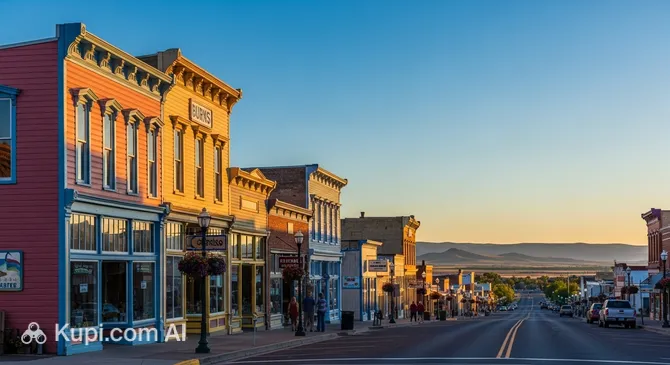
Burns is a small but colorful town located in the vast high desert of Oregon. As the administrative center of Harney County, it serves as an excellent starting point for exploring the wild nature and scenic landscapes of the western USA. With a population of about 3,000, Burns maintains a cozy community atmosphere where time flows a bit slower, allowing guests to take a break from the hustle and bustle of big cities.

Burns. Illustration.
Source: Kupi.com AI

The town has its own unique character, shaped by the harsh climate and pioneer traditions. The fascinating history of Burns is closely intertwined with the era of ranching and the timber industry, which is still reflected in local culture and architecture. A walk through the town center will allow you to immerse yourself in the authentic atmosphere of the American heartland.

For tourists, Burns is primarily interesting as a gateway to the region's natural wonders. The town attracts birdwatching enthusiasts, as it is located near the Malheur National Wildlife Refuge, home to hundreds of bird species. It is also a convenient starting point for a journey to the majestic Steens Mountain, which offers breathtaking views and hiking opportunities. History buffs should stop by the Harney County Historical Museum to learn more about the past of this land.

If you are looking for a place where you can enjoy peace, space, and the true spirit of Oregon, Burns is a wonderful choice for a stop on your journey. Hospitality from the locals and unforgettable landscapes of the high desert await you here.

Weather Overview

The climate in this corner of Oregon features distinct seasonality characteristic of a high-altitude area. Summers are generally sunny and dry: in July and August, the average temperature is around 22°C, with daytime highs often reaching 30.0°C–31.6°C. There is virtually no precipitation during this period, with the number of rainy days being minimal — just 1–2 per month.

Winter months bring cool weather and increased humidity. In December and January, average indicators drop to -1.4°C...-2.0°C, and night frosts can reach -5.6°C. The peak of precipitation occurs in winter: up to 14 days with precipitation are recorded in January. To choose the perfect time for your trip, we recommend checking the detailed weather in Burns before your departure.

Spring and autumn offer milder conditions for travel. In May, the air warms up to an average of 11.6°C, while October greets guests with an average temperature of about 9.6°C. Expect warm summers with clear days and fairly cold winters with regular precipitation.

Average monthly temperature

Average monthly precipitation

Interesting Facts

Beyond its well-known natural beauties, Burns hides many surprising details in its history and geography. This modest town in the high desert has a unique character revealed through curious facts and local legends.
  • A Poetic Name: The town could have been named McGowan, after one of the first settlers and influential merchant George McGowan. However, he modestly declined to immortalize himself and insisted on naming the settlement after his favorite Scottish poet — Robert Burns.

  • Capital of a Giant Territory: Burns is the administrative center of Harney County, which in area (over 26,000 sq. km) exceeds some US states, such as Maryland or Massachusetts. At the same time, the population density here is extremely low — there are more square kilometers of space per person than in most other places in the country.

  • Ancient Human Traces: The surrounding area is considered one of the oldest inhabited places in North America. Archaeological finds in nearby caves indicate that the ancestors of indigenous peoples (Paiute tribes) lived here more than 14,000 years ago, long before the Egyptian pyramids were built.

  • A Bird Metropolis in the Desert: Despite the harsh arid climate, the region around Burns serves as a vital stopover for migratory birds on the Pacific Flyway. The annual Migratory Bird Festival transforms this quiet town into a lively birdwatching hub, attracting observers from all over the world.

How to Get There

When planning a trip to this secluded corner of Oregon, it's worth thinking through the logistics in advance. Burns is located far from bustling metropolitan areas, so the journey here often becomes a scenic adventure in itself through the vastness of the American West. You can find more information on how to get to Burns on our dedicated page, and below we look at the most popular ways to arrive.

There is no commercial airport with scheduled passenger flights in Burns itself. Tourists usually choose to fly to one of the major cities in neighboring regions and then continue by land, most often by renting a car. The nearest and most convenient option is Roberts Field Redmond Airport (IATA: RDM). It is located approximately 184 km from Burns. The drive from there takes roughly 2–2.5 hours.

Another popular route is through the capital of the neighboring state of Idaho. You can fly into Boise Airport (Gowen Field) (IATA: BOI). This is a major air hub located in Boise, which is about 227 km from Burns. The driving time from the airport to the town center is around 3 hours, allowing you to enjoy the regional views along the way.

For your convenience, here is summary information on the main airports:

AirportPassenger trafficDistance
Roberts Field Redmond Municipal Airport1.3 mln184 km
Boise Air Terminal (Gowen Field)5.0 mln227 km
Eastern Oregon Regional Airport13 630235 km
Tri-Cities Airport949 110298 km

Main Attractions

While Burns itself is a compact town, it serves as the gateway to some of the most impressive natural landscapes in this part of the USA. The surrounding areas offer travelers a unique blend of wilderness, geological wonders, and historical heritage. Here are a few key places to visit while in the region.

Malheur National Wildlife Refuge is perhaps the most famous attraction in the county. This vast wetland area located south of the city is a critical stopover point for migratory birds. In the spring, thousands of birds gather here, including sandhill cranes and American white pelicans, making the refuge a true paradise for birdwatchers and nature photographers. Convenient driving routes allow for wildlife observation without disturbing the inhabitants.

In the town itself, the Harney County Historical Museum is well worth a visit. It is housed in a characterful building that was once a brewery, built from local volcanic tuff. The museum's exhibits immerse guests in the atmosphere of the Wild West, featuring everyday items from early settlers, antique wagons, photographs, and Native American artifacts. It is the perfect place to learn about the challenging but fascinating history of settling Oregon's high desert.

For those who love breathtaking views, a trip to Steens Mountain is a must. This geological marvel is a massive fault block rising above the Alvord Desert. A journey along the Steens Mountain Loop Road provides access to deep U-shaped gorges carved by glaciers, such as Kiger Gorge. The views from the summit are considered among the most beautiful in the state.

For relaxation and rejuvenation, Crystal Crane Hot Springs are an excellent choice. Located just a short drive from Burns, they offer relaxation in a large natural pond of thermal water. Soaking is available year-round, and many tourists come specifically to enjoy the warm water under the vast, starry desert sky.

Local Cuisine

The cuisine of Burns is a direct reflection of its cowboy spirit and its status as the capital of a cattle-ranching county. You won't find fancy fine-dining restaurants here; the city's gastronomic scene focuses on honest, hearty, and high-quality food, perfect for recovering after a long day in nature. The foundation of the local menu is certainly meat. Since Harney County is famous for its ranches, local steaks and chopped beefsteaks are considered some of the best in the region. A juicy ribeye or a classic burger made from the freshest local beef is something every guest should try.

Dining culture in the town centers around cozy family diners and historic establishments where time moves slowly. Breakfast here is a special ritual. Tourists are encouraged to start their day with traditional American classics: fluffy pancakes, eggs with bacon, or biscuits and gravy. Portions in Burns are usually generous, designed for people leading active lives, and the atmosphere in these places is friendly and simple: locals often discuss the latest news over a cup of coffee with the cafe owners.

As for drinks, while in Oregon, you cannot ignore the subject of craft beer. Although Burns is a small town, you can always find an excellent selection of ales and lagers from the state's famous breweries located in nearby Bend or Portland in local bars and saloons. Among non-alcoholic beverages, strong, freshly brewed coffee is popular and consumed in large quantities.

For dessert, be sure to look for homemade pies on the menu. Oregon is famous for its berries, so a seasonal marionberry pie (a special variety of blackberry) or huckleberry pie is the perfect way to end a meal. The gastronomy of Burns is the taste of the American heartland, where the main ingredients are freshness and hospitality.

Travel Tips

Welcome to Burns! To make your journey through these scenic and somewhat rugged expanses of Oregon comfortable and safe, we have prepared a list of important practical recommendations to help you feel confident away from big cities.

  1. Clothing and Gear. The high desert climate is characterized by sharp temperature fluctuations. Even if it's hot during the day, nights can be very cold. Be sure to use a layering system: bring t-shirts, fleece sweaters, and windproof jackets. Comfortable, closed shoes (hiking boots) are mandatory for walks, as the terrain is rocky and prickly plants are common.
  2. Transport. Burns is a town for drivers. Public transport is not developed, and you shouldn't count on a quick taxi or apps like Uber — there are few cars, and the wait can be long. Renting a car (preferably one with high clearance for trips into nature) is vital for moving freely around the region.
  3. Finances. The currency is the US dollar. Most shops, gas stations, and cafes accept cards, but having cash (1, 5, 10, and 20 dollar bills) is very useful. It will come in handy for tips or purchases at small shops. The accepted tipping rate in restaurants is the country's standard 15–20%.
  4. Health and Safety. Burns is a peaceful place, but its distance from civilization requires attention. There are no 24-hour pharmacies here, so bring necessary medications with you. The main danger is not from people but from nature: deer and livestock often appear on the roads (especially at dusk and at night), so observe the speed limit.
  5. Connectivity and Navigation. Mobile service and Wi-Fi work stably within the town. However, as soon as you drive 15–20 minutes toward the refuges or mountains, the signal may disappear. Download offline maps and routes into your navigator in advance so you don't get lost in the desert.
  6. Local Etiquette. People in rural Oregon are open and friendly. It is customary to greet staff in shops and even nod to passersby on the street. An important nuance: respect private property. If you see a fence or a "Private Property" sign, do not enter the territory under any circumstances — these are local ranch lands.
  7. What to Avoid. Never head out on trips into the surroundings (for example, to Steens Mountain) with an incomplete tank. Distances here are vast, and there are no gas stations for many miles outside the town. The golden rule of these places: if you see a gas station, fill it up, even if you've only used a quarter of a tank.
  8. Water Supply. The air in Burns is very dry, and dehydration happens unnoticed. Always, even in cool weather, carry a pack of drinking water in your car. This isn't just a tip; it's a safety rule in the high desert.

Following these simple rules will allow you to avoid being distracted by minor logistical details and focus entirely on the amazing nature and unique atmosphere of the American West that Burns provides.

Entertainment & Nightlife

Nightlife in Burns isn't about noisy mega-clubs with DJs and neon signs; it's about the authentic atmosphere of the Wild West, heartfelt conversations, and local character. Given the town's population of about 3,000, entertainment here is intimate. Main activity after sunset is concentrated downtown, primarily along the main street — North Broadway Avenue. This is where you can find venues where locals gather to discuss the day's news, play pool, and listen to music.

The atmosphere in Burns bars is as relaxed and casual as it gets. There is no strict dress code: jeans, plaid shirts, and comfortable shoes (often cowboy boots) are the most common style. The crowd mostly consists of local farmers, ranchers, and travelers passing through Oregon. People here are open, and it's easy for a tourist to strike up a conversation with a bartender or a neighbor at the counter. Most establishments close quite early by big-city standards: restaurant kitchens often stop working by 9:00 PM, and bars may stay open until midnight or 2:00 AM, though closing times often depend on the number of patrons.

Among the specific places worth visiting in the evening is the Central Hotel Saloon. This historical establishment has an interior reminiscent of old times: high ceilings, a long wooden bar, and a constant billiard area. It is a classic American "dive bar" where you can have a drink inexpensively and feel the spirit of the town. Another popular spot is The Pine Room. By day, it's a restaurant known for its steaks, and in the evening, it's a cozy place to sit with a glass of wine or a cocktail in a calm environment. If you're interested in more than just bar culture, check out the Old Camp Casino, located on the outskirts of town. This small venue offers slot machines and is one of the few places open late.

Regarding safety, Burns is a very peaceful town. Walking through the center after dark doesn't carry the risks typical of large cities; however, it's worth remembering that street lighting is sparse on the outskirts. The main challenge for a night owl is transport. Taxi services or rideshare apps like Uber are practically non-existent here, especially at night. Therefore, if you plan to consume alcohol, choose a "designated driver" from your group in advance or select accommodation within walking distance of Broadway Avenue.

During the day, the town's entertainment program is more varied but equally calm. Cinema lovers can visit the historic Desert Theatre, which retains its retro charm and shows current releases. For active recreation, the Valley Golf Club is a great choice, where you can spend time outdoors with a view of the hills. It's also worth simply strolling through the town's parks to enjoy the silence before your evening rest.

Parks & Museums

Burns offers guests a harmonious combination of natural recreation areas and institutions preserving the memory of the region's rich past. Despite the town's modest size, there are cozy spots to escape the high desert sun, and local museums provide a unique opportunity to touch the heritage of the pioneers and indigenous peoples who shaped this part of the USA.

Among the town's green spaces, Washington Park holds a special place. It is the central venue for community gatherings and a favorite resting spot for locals. The park is a well-maintained oasis with shade trees, which are particularly valuable on hot summer days. Picnic areas and playgrounds are available, and the spacious lawns are perfect for leisurely walks after a long drive. It's a great place to feel the rhythm of a small American town.

Another important spot is Arrowhead Park, located on the edge of town. It often serves as the first stop for travelers entering Burns. The park is convenient for its infrastructure and open spaces offering views of the surrounding hills. While not large, its location makes it a handy point for a short break before heading out to the natural attractions of Harney County.

The cultural heart of the town is rightfully the Harney County Historical Museum. As mentioned, it is located in an old brewery building, but its interiors deserve separate attention. The museum's exhibition is a true "time capsule." Here you can see authentic blacksmith tools, antique medical utensils, late 19th-century clothing, and an extensive collection of photographs documenting the development of ranching and logging. For tourists, it's a chance to see the life of the Wild West not through a cinematic lens, but through real everyday objects.

Just a few minutes' drive from town is the unique Oard's Ojibwa Indian Museum. This private collection has evolved over time into one of the region's most significant ethnographic displays. The museum features jewelry, traditional clothing, beadwork, and artworks from various North American tribes. Visitors note the incredible detail of the exhibits and the owners' passion for preserving indigenous history. This place is truly worth taking a small detour from your route.

In terms of architecture, the historic center of Burns along Broadway Avenue is of interest itself. Brick and stone buildings from the early 20th century remain, creating the atmosphere of a classic American frontier. Special attention should be paid to the county courthouse building, which is a symbol of the town's administrative importance in this vast region.

Insider Tip: As you walk through the town center, look for the murals on the building facades. Local artists have depicted scenes from the county's history: cattle drives, the life of the Paiute Indians, and landscapes of the high desert. This is a kind of open-air gallery that tells the story of Burns without words and serves as a great backdrop for atmospheric photos.

Getting Around

The public transport system in the sense of a major metropolis is virtually non-existent in Burns. Given the small size of the town (population around 3,000) and its remote location, there is no metro, tram, or extensive network of city buses with fixed schedules and frequent stops. It is important for tourists to understand that Burns is a classic American "car town," where personal transportation is not a luxury but a necessity.

The only form of regular bus service is the intercity routes connecting Burns with other regions of Oregon. Specifically, the POINT bus network (the Eastern POINT line) passes through the town, running between Bend and Ontario. The stop is usually in the town center. Tickets for this bus can be bought online in advance or from the driver (subject to availability), but it serves more for arriving in or leaving the town than for getting around within it.

For getting around the town itself and its surroundings, a rental car is an absolute priority. Within Burns, rental services may be limited or non-existent, so it is strongly recommended to rent a car immediately upon arrival at the airport (Boise or Redmond). This will give you the freedom to visit remote natural attractions where public transport does not go at all. A big plus for drivers is that parking in the town is free almost everywhere and finding a spot is easy.

As for alternative ways to get around, the center of Burns (along Broadway Avenue) is compact enough for walking. You can easily walk from your hotel to the main restaurants, the historical museum, or shops in 10–15 minutes. The sidewalks here are wide and comfortable, and the traffic is calm.

It's important to consider the situation with taxis and modern services. Popular rideshare apps (Uber, Lyft) often do not work in Burns due to the lack of drivers in the region. You shouldn't count on being able to call a car through your smartphone at any moment. There are local taxi services or shuttles that work on call, but it's better to find their numbers in advance at your hotel's reception and book your trip well ahead of time. Payment in such cases is most often made in cash.

Accommodation

The choice of accommodation in Burns perfectly matches its character as a small but welcoming town in the American heartland. You shouldn't look for five-star resorts or luxury boutique hotels here. The main options are classic roadside motels, cozy small inns, and RV parks, which are ideal for travelers exploring the wilderness of Oregon and the USA.

Geographically, accommodation options can be divided into two main zones. The first is the historic town center (along North Broadway Avenue), where you'll find older and more atmospheric buildings. Staying here puts you within walking distance of local restaurants, shops, and museums. The second zone is the area along Highways 20 and 395, which intersect the town. Here you'll find more modern chain motels aimed at transit travelers by car; these typically offer spacious parking right at your room door.

Among the available housing categories, we can highlight:

  • Chain Motels: This is the most common option. They offer a predictable level of comfort, clean rooms, Wi-Fi, and often a simple continental breakfast. This is a reliable choice for those who value quality standards.
  • Historic Hotels: In Burns, you have the opportunity to stay in restored buildings from the early 20th century (for example, the Historic Central Hotel). People choose these places for the Wild West atmosphere, though amenities may be more modest compared to modern buildings.
  • Campgrounds and RV Parks: Given the popularity of road trips in this region, there are many spots in and around the town equipped for motorhomes with a full set of hookups.

Booking Tip: Although Burns is far from major cities, demand for accommodation here is highly seasonal. It is strongly recommended to book rooms well in advance (weeks or even months), especially if your trip coincides with April (during the popular Migratory Bird Festival) or the autumn hunting season. During these periods, finding a vacant room upon arrival is nearly impossible.

The price range in the town varies from budget to mid-range. Prices here are generally lower than in major Oregon tourist hubs like Bend or Portland. Booking is available through major international online platforms; however, many small private motels in Burns still readily take reservations by phone or via their own websites, sometimes offering better rates when contacted directly.

Nearby Cities

For those looking to explore the surroundings, Burns serves as an excellent starting point for day trips to several interesting nearby locations:

One of the most popular destinations is Bend. Located west of Burns, this city is rightfully considered the capital of outdoor recreation in Central Oregon. Travelers are drawn here by the scenic Deschutes River waterfront, the famous High Desert Museum with its live exhibits, and, of course, the legendary craft brewing scene. It's the perfect place to trade the silence of the plains for the lively atmosphere of a trendy resort town.

Heading east, you'll reach Boise, the capital of neighboring Idaho. This is a large urban center offering a rich cultural program. Here you can stroll along the Greenbelt — a park area along the river, visit the majestic State Capitol, or stop by the unique Basque Block with its authentic restaurants. Boise is great for those who miss the rhythm of a big city and shopping.

The city of Nampa, located near Boise, is also worth noting. It is known for its Warhawk Air Museum, which houses an impressive collection of military aircraft and artifacts from the World Wars. Additionally, the region around Nampa and neighboring Caldwell is famous for its wineries, offering local wine tastings in the picturesque Snake River Valley.

CityPopulationDistance
Seneca8 73461 km
John Day1 70093 km
Oregon20 000123 km
Prineville10 611163 km
Baker City9 998164 km

These nearby destinations provide insight into the diverse culture and landscapes of the region, making your journey through the American West even more fulfilling.

Shopping & Souvenirs

General Overview: Shopping in Burns is far from the hustle and bustle of large shopping centers and glossy boutiques. It's an experience that immerses you in the atmosphere of rural America, where small family-run shops, antique stores, and places selling goods for real cowboys prevail. Here you won't find mass-market brands, but rather unique items with character that reflect the history and geology of the region. The town is famous for its ranch supply stores, rocks and minerals, and products from local artisans.

Main Shopping Districts/Streets: The commercial heart of Burns beats on the main street — North Broadway Avenue. A walk through this historic district will let you peek into cozy shop windows located in brick buildings from the beginning of the last century. Clothing stores, souvenir shops, bookstores, and art galleries are concentrated here. It's an ideal place for a slow promenade, where shop owners often stand behind the counter themselves and are ready to tell the story of every item.

Shopping Centers: Due to the town's modest size, Burns lacks large malls of the usual format. The role of general stores is played here by large supermarkets and specialized supply centers, such as Big R (or similar farm and home supply stores). In such places, tourists may be surprised to find an excellent selection of high-quality denim clothing, durable boots, work jackets, and authentic cowboy hats at very reasonable prices.

Markets: Seasonal fairs and bazaars are an important part of the local culture. During the warmer months, small farmers' markets are often organized in town, where you can buy fresh produce, local honey, and jams made from regional berries. There is special excitement during city festivals, such as the Migratory Bird Festival, when vendors of handicrafts, jewelry, and artwork created by Harney County residents take to the streets.

Souvenirs: From Burns, it's worth bringing back something that reminds you of Oregon's wilderness and history. First, look for semi-precious stone products (agates, obsidian, thundereggs) which the local soil is rich in; there are specialized shops in town for geology enthusiasts. Also, a great gift would be authentic cowboy gear (hats, belts with buckles), juniper or sagebrush products, and works by local artists depicting the high desert landscapes.

Hours and Payment: Life in Burns moves at a measured pace, and shop hours reflect this. Most retail outlets open around 9:00–10:00 AM and close by 5:00–6:00 PM. Be prepared for many small shops downtown to be closed or have reduced hours on Sundays. Credit cards are accepted almost everywhere, but having a small amount of cash is welcomed when making purchases at fairs or small souvenir stands.

Tax Free: One of the most pleasant features of shopping in the state of Oregon is the absence of Sales Tax. This means that the price you see on the tag is final and will not increase at the checkout. for tourists, this is a wonderful opportunity to save 5–10% compared to most other US states, making the purchase of clothing, electronics, or souvenirs in Burns especially advantageous.
Reached the end of the page?

That means the route is fully explored