Support

Blythe

About

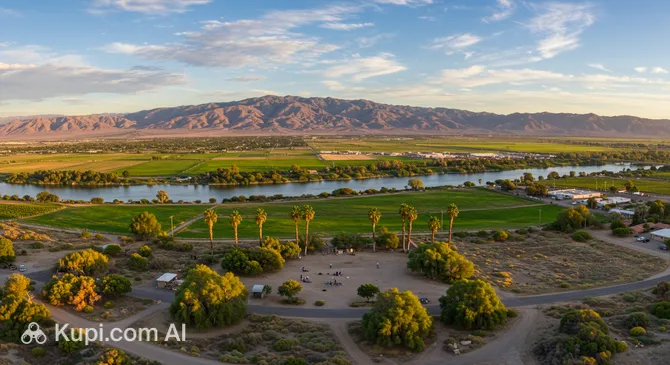
Blythe is a stunning oasis in the far east of California, situated where the vast desert meets the waters of the mighty Colorado River. Located literally on the border with Arizona, this city often serves as a welcoming stopover for travelers exploring the USA by car along the famous I-10 highway between Los Angeles and Phoenix.

Blythe. Illustration.
Source: Kupi.com AI

The atmosphere here is infused with the spirit of freedom and adventure. With a population of about 18,000, Blythe maintains the cozy character of a small town where it's easy to feel at home. The fascinating history of Blythe is closely intertwined with the development of the West and ancient cultures: the region is famous for its mysterious geoglyphs—giant figures on the ground that attract lovers of mystery and antiquity.

In addition to historical enigmas, the city offers excellent opportunities for outdoor recreation. The green banks of the Colorado River create ideal conditions for water sports, fishing, and picnics, contrasting with the hot climate of the surrounding desert. Blythe is a place worth stopping at to admire incredible sunsets and experience the authentic rhythm of the American heartland.

Weather Overview

The city's climate is determined by its location in a desert zone: sun reigns supreme here, and cloudy days are a rarity. Summer in the region is truly sweltering; from June to September, daytime temperatures often exceed 40°C, peaking in July with an average high around 43°C. Even nights during this period remain very warm, rarely cooling below 25–29°C.

Winter months, conversely, bring long-awaited coolness and are considered one of the best times to visit. In January and December, daytime air warms up to a comfortable 20°C, though nights can be brisk, with temperatures around 7–8°C. Precipitation is extremely rare throughout the year; even in the "wettest" months, no more than 2–3 days of rain are recorded.

To plan your wardrobe and activities wisely, we recommend checking the Blythe weather for your travel dates in advance. Expect a very hot, dry summer and a mild, sunny winter with almost no rain.

Average monthly temperature

Average monthly precipitation

Interesting Facts

Beyond its main attractions, Blythe holds many fascinating secrets and unique features that can surprise even seasoned travelers. The city and its surroundings are not just a point on the map, but a place with deep history and natural wonders. Here are a few facts that reveal this corner from a new perspective:

  • Mysterious Desert Giants. One of the region's most mysterious attractions is the "Intaglios" (Blythe Intaglios). These are massive geoglyphs depicting human and animal figures, carved into the hard desert soil by indigenous inhabitants thousands of years ago. Due to their giant scale, these drawings are best viewed from the air or high hills, which still sparks debate among archaeologists about their purpose.

  • Treasure Hunting. Near Blythe are unique geological formations—the Hauser Geode Beds. This is a true paradise for geology enthusiasts and families with children: you can find geodes yourself here. By cracking open ordinary-looking stones, travelers often find sparkling crystals and minerals inside, taking a piece of nature home as a souvenir.

  • An Oasis Amidst the Sands. Blythe proudly holds the title of a "river city," and its existence is inextricably linked to the Colorado River. It was access to water resources that allowed this harsh desert land to be transformed into a thriving agricultural region, which today looks like a real green oasis against the backdrop of arid landscapes.

  • An Arena for Vibrant Events. Despite its secluded location, the city leads an active life. Blythe regularly hosts colorful hot air balloon festivals soaring over the desert, and vintage car shows where you can get acquainted with local traditions and crafts in an atmosphere of American classics.

How to Get There

When planning a trip to this California city, it is important to think about logistics in advance, as it does not have its own airport for regular passenger flights. You can find more details on how to get to Blythe by considering various options, but the optimal solution remains flying to one of the neighboring transport hubs and then driving a rental car.

The closest convenient option is Yuma International Airport (IATA: YUM), located in the state of Arizona. It is about 106 km from the center of Blythe. Thanks to its proximity to the city and easy access to the highway, a trip by car or taxi from here will take only about 1 hour and 15 minutes. This is an excellent choice for those who want to minimize ground travel time.

If you need a larger hub with more flights, consider Palm Springs International Airport (IATA: PSP). It is approximately 179 km from Blythe. The route from here follows the scenic I-10 highway, and despite the greater distance, the drive will take between 1 hour 45 minutes and 2 hours. This airport is often chosen by tourists combining their trip with a visit to the Coachella Valley resorts.

Below is a summary of the nearest airports to help you choose the best route:

AirportPassenger trafficDistance
Yuma International Airport216 228107 km
Mexicali Airport1.6 mln126 km
Laughlin Bullhead International Airport240 000172 km
Palm Springs International Airport3.2 mln179 km
Prescott Airport48 116230 km

Regarding ground transport, Blythe does not have its own train station. Travelers who prefer trains usually have to reach Amtrak stations in Yuma or Palm Springs. The region's main transport artery is Interstate 10, providing fast and comfortable road connections to major cities in California and Arizona.

Main Attractions

Despite its status as a small transit city, Blythe offers travelers several unique locations that allow them to touch ancient history, enjoy nature, and learn more about life in the desert. Here are the main places to include in your itinerary when visiting this corner of California.

Blythe Intaglios. This is perhaps the region's most intriguing attraction, located north of the city. These massive geoglyphs, etched into the hard desert soil, depict human figures and animals. The largest figure reaches over 50 meters in length. The site is fascinating for its mystery: scientists still debate the exact age and purpose of these drawings, created by indigenous peoples hundreds of years ago. Although the best view is from the air, viewing them from the ground is also a powerful experience.

Mayflower County Park. This park is a true oasis on the banks of the Colorado River, perfect for taking a break from the desert heat. It features picnic areas, camping spots, and boat launches. Tourists come here for excellent fishing, water sports, and simply to enjoy the relaxing atmosphere by the water. It is a wonderful place to watch the sunset and enjoy picturesque views of the river contrasting with the surrounding sands.

Palo Verde Historical Museum. For those who want to dive into the region's past, this museum is a real find. The exhibition, housed in restored historical buildings, tells the story of the lives of early settlers, the development of agriculture in the valley, and the history of the local World War II-era airbase. Visitors note the museum's heartwarming atmosphere and the opportunity to see authentic artifacts, from old tools to photographs capturing the city's formation.

Cibola National Wildlife Refuge. Located just south of Blythe in the Colorado River floodplain, this refuge attracts nature lovers and birdwatchers. It is an important wintering ground for thousands of migratory birds, including sandhill cranes and snow geese. Visiting the refuge is a chance to see the river's pristine ecosystem and take stunning wildlife photographs in its natural habitat.

Local Cuisine

Blythe's culinary scene is a colorful mirror of its geographical location, where California traditions meet the hearty cuisine of the American Southwest. Due to its proximity to the border, there is a strong Mexican influence. Travelers should definitely try authentic tacos, burritos, and enchiladas, which in local establishments are often served with spicy house-made sauces that make the flavor unforgettable.

For those who prefer classic American food, Blythe offers an excellent selection of meat dishes. In the menus of local cafes and diners, you will always find juicy burgers with homemade patties, steaks, and aromatic barbecue. However, the real highlight that sets this city apart from other desert settlements is dishes made from fish and crawfish caught in the waters of the Colorado River. This is a local delicacy that is hard to find in other parts of the region.

Due to the hot climate, the beverage culture here is focused on maximum refreshment. Among non-alcoholic options, large portions of iced tea and homemade lemonades with ice are consistently popular. As for alcohol, locals most often order light, cold beer to go with spicy Mexican cuisine and grilled meat, perfect for a relaxed evening after a sweltering day.

The food culture in the city is simple and unpretentious. People here love honest, filling food, and the main points of attraction are not expensive restaurants, but cozy family diners and farmers' markets. The Palo Verde Valley is a developed agricultural region, so tourists can enjoy the freshest fruits, nuts, and honey. In summer, the stars of the table are watermelons and muskmelons grown in local fields; an annual festival is even held in their honor, where you can taste the best varieties and immerse yourself in the local holiday atmosphere.

Travel Tips

Welcome to sunny Blythe! To ensure your journey to this California oasis is as comfortable and carefree as possible, we have prepared a list of useful recommendations to help you enjoy your vacation on the banks of the Colorado River while avoiding common beginner mistakes.

  1. Clothing and Essentials. Given the desert climate, light, breathable clothing made of natural fabrics in light colors, a wide-brimmed hat, and high-quality sunglasses are essential in summer (May to September). In winter, the layering principle is useful: it can be warm during the day, but evenings and nights can be chilly, so a fleece jacket or windbreaker is a must. For walks to the geoglyphs, wear closed and comfortable shoes to protect your feet from thorns and hot sand.
  2. Transport. Blythe is a city stretched along the highway, so the most convenient way to get around is a rental car. Public transport is represented by local agency buses, but their routes may not cover all tourist spots. Taxi and ridesharing services are available, but wait times may be longer than in metropolises, so plan your trips with extra time.
  3. Finances. The official currency is the USA dollar. Credit and debit cards are accepted almost everywhere: in hotels, restaurants, and gas stations. However, we recommend carrying some small cash ($1, $5, $10 bills) for purchases at farmers' markets or tipping. The tipping culture here is standard for the country: it is customary to leave 15–20% of the check for good service in cafes and restaurants.
  4. Health and Safety. The main rule in the desert is constant hydration. Always carry a supply of drinking water with you, even if the trip seems short. Blythe is a safe and quiet city, but don't forget to lock your car and not leave valuables in plain sight. When walking in nature, watch your step and do not put your hands in rock crevices to avoid encounters with snakes or scorpions. Major chain pharmacies operate on standard schedules; 24-hour options may not be available.
  5. Communication. The primary language is English, but due to the proximity of the border, many locals and service staff speak Spanish. Wi-Fi is available in most hotels and fast-food cafes. We advise downloading offline maps of the region in advance: signal is excellent in the city, but it may disappear when heading out to remote natural attractions.
  6. Local Etiquette. The atmosphere in the city is relaxed and friendly. It is customary to greet store clerks and behave politely on the roads. The dress code is strictly casual: shorts and T-shirts are appropriate almost everywhere. Locals are proud of their history and nature, so a sincere interest in the sights will always help start a conversation.
  7. What to Avoid. It is strongly discouraged to go on long hikes in the desert in the middle of a summer day (from 11:00 AM to 4:00 PM)—the risk of heatstroke is very high. It is also strictly forbidden to drive cars into the fenced areas around the historical geoglyphs or deface rocks with inscriptions—this is considered vandalism and a serious disrespect to indigenous culture.
  8. Additional Tip. Be sure to visit the local roadside produce stands. The Palo Verde Valley is a rich agricultural region famous for its melons. Buying a fresh melon or watermelon directly from farmers is not only a gastronomic pleasure but also a great way to support the local community.

Blythe is a place where time flows a little slower, allowing you to truly relax away from the hustle and bustle of big cities. By following these simple tips, you can safely explore the beauty of the desert, enjoy the coolness of the river, and take home only the warmest memories of this corner of California.

Entertainment & Nightlife

Nightlife in Blythe isn't about noisy metropolises with neon lights and round-the-clock raves. This is a place where evening relaxation is imbued with the atmosphere of the American heartland: cozy, unhurried, and soulful in its own way. After sunset, the city, weary from the hot desert sun, cools down, and locals and travelers gather in a few but colorful establishments to discuss the news, listen to music, and drink ice-cold beer.

The center of gravity for those wanting to spend the evening in company is Hobsonway—the city's main street passing through all of Blythe. Most evening activity is concentrated here and in the surrounding areas. Unlike large resorts, there is no strict dress code or evening wear requirement; "casual" style—jeans and T-shirts—is not just appropriate but the norm.

If you are looking for a place with an authentic atmosphere, be sure to stop by The Blue Door Bar. This is a classic American "dive bar" in the best sense of the word: new faces are always welcome, people play billiards and darts, and the bartenders know the regulars by name. It’s the perfect location to feel the city's true character, chat with locals, and relax in a casual setting without unnecessary pretension.

For those who want to combine dinner with great drinks, Rebel BBQ is an excellent choice. While this establishment is better known for its superb cuisine, the atmosphere is lively in the evenings. Travelers often gather here to try local craft beer and famous ribs, enjoying the warm California evening outdoors or in the cozy dining room.

Fans of larger-scale entertainment, such as casinos, concerts, or cinemas, should note an important detail: for flashy shows, locals head to the neighboring state of Arizona. Just a 45-minute drive away, on the other side of the Colorado River in the town of Parker, is the popular BlueWater Resort & Casino complex. There you can find slot machines, a cinema, an amphitheater with live performances, and night parties by the water, making it the main entertainment hub for the entire region.

Practical tips for evening outings:

  • Transport and Safety. Blythe is a quiet and safe city, but street lighting on the outskirts can be sparse. Taxi and ridesharing services (Uber/Lyft) are available, but wait times can be long, especially late at night. If you plan to consume alcohol, arrange a designated driver or book a taxi in advance.

  • Operating Hours. Most bars in California stop selling alcohol at 2:00 AM, but in small towns, establishments may close earlier depending on the number of patrons. Plan your evening so you have time to enjoy yourself before midnight.

  • Daytime Alternative. If the nightlife seems too quiet, compensate with an active day. Visit Mayflower Park at sunset: the sight of the sun dipping behind the desert hills and reflecting in the Colorado River is perhaps the most beautiful and peaceful "show" Blythe has to offer.
Parks & Museums

Blythe's cultural and natural life is closely tied to its unique location: it is a city where the harsh desert aesthetic meets the life-giving coolness of the river. While you won't find the massive museum complexes of a metropolis here, local parks and historical sites possess a special charm, allowing travelers to rest in the shade of trees or touch the heritage of the American West.

Peter McIntyre County Park. This is one of the most popular recreational zones in the region, located right on the banks of the Colorado River. Unlike wild beaches, it has a comfortable infrastructure for the whole family: well-maintained lawns, picnic tables, and easy access to the water. Tourists value this park for the chance to rent a campsite with a picturesque river view. It is an ideal location to hide from the midday heat, go for a swim, or simply watch passing boats surrounded by eucalyptus trees.

Todd Park. If you are looking for a place for a quiet stroll within the city limits, this park is an excellent choice. It is a classic urban oasis with large shade trees and green lawns, which are so valued in a desert climate. Local events are often held here, and for travelers, it's a great opportunity to feel Blythe's measured pace of life by having a small picnic or simply relaxing on a bench after a long journey.

Palo Verde Historical Museum. This museum is the heart of the city's cultural memory, a must-visit for everyone interested in the history of the USA expansion. The exhibition is housed in a historic building and covers various eras: from the life of indigenous tribes to the arrival of the first pioneers and the development of agriculture in the valley. Of particular interest are the collections of old photographs, mining equipment, and household items that allow you to vividly imagine how people conquered this harsh land a century ago.

Blythe Intaglios. While technically not a museum building, this site is a vital open-air historical monument. These giant figures, carved into the upper layer of the desert soil, serve as a sort of ancient gallery. Visiting this site offers a unique chance to touch the sacred art of the region's ancient inhabitants. Information boards at the fences help visitors understand the context and possible meanings of these mysterious symbols, which are centuries old.

For those seeking truly authentic experiences, we suggest visiting the riverfront at dawn. At this time, the city is still asleep, the air is fresh, and the desert hills on the horizon are painted in incredible shades of pink and gold. This is the best time for meditative bird watching, as there are many in the river delta, and for taking atmospheric photos without the crowds of tourists.

Getting Around

Since Blythe is a relatively small city, it lacks an extensive subway or tram system. The primary and almost only form of public transport is buses operated by the local transport agency, the Palo Verde Valley Transit Agency (PVVTA). These buses, known as the Desert Roadrunner, run on several fixed routes, connecting residential neighborhoods with key points of interest: shopping centers, the hospital, administrative buildings, and Palo Verde College.

The fare payment system here is as simple and conservative as possible, which might be unusual for tourists from megacities. Buses accept cash through a validator at the entrance, and drivers generally do not give change. Therefore, it is strongly recommended to break bills and have the exact amount in coins before your trip. The ticket price is very affordable, and for those planning multiple trips during the day, it's more economical to purchase a Day Pass directly from the driver upon boarding.

When planning movement by public transport, it's important to consider the local schedule. Desert Roadrunner buses do not run 24/7: service usually starts early in the morning and ends early in the evening, around 6:00 PM or 7:00 PM. On Saturdays, the number of trips is reduced, and on Sundays, public transport may not run at all. The good news for travelers is that all buses are equipped with powerful air conditioning to escape the desert heat and external racks for carrying bicycles.

As an alternative to buses, local taxi services operate in the city, and popular ridesharing apps like Uber and Lyft are also available. However, be prepared that wait times for a car can be significantly longer than in large cities due to the small number of drivers on the line. A rental car remains the most reliable and flexible way to get around, especially if you plan to visit remote natural attractions or the geoglyphs, which public transport does not reach.

The city is only marginally suitable for walking due to the large distances and hot climate, although downtown Blythe is quite compact. It's also worth mentioning that the city serves as an important transit hub for intercity buses (such as Greyhound) traveling along the I-10. Their stops allow tourists to reach Blythe from Los Angeles or Phoenix without transfers, but for further movement within the city itself, you will still need local transport or a taxi.

Accommodation

Blythe's hotel industry is primarily oriented towards road-trippers crossing the desert on the I-10 highway. You won't find luxury five-star resorts or boutique hotels here; the mainstay of offerings consists of classic American motels, budget lodges, and reliable mid-range chain hotels. This is practical and affordable accommodation, ideal for getting a comfortable night's sleep, taking a shower, and continuing your journey the next day.

Geographically, most accommodation options are concentrated along the city's main artery—Hobsonway (the historic part of the highway). Staying here is most convenient from a logistical standpoint: hotels are in close proximity to highway exits, gas stations, and numerous fast-food outlets. By choosing a hotel in this zone, you save time when leaving the city and have quick access to necessary infrastructure.

For those traveling in an RV or who prefer to be closer to nature, a great alternative would be the campgrounds and RV parks located near the Colorado River. These spots offer not only parking areas but also scenic water views, creating a more relaxed, resort-like atmosphere compared to roadside motels.

Price Range and Booking:

Blythe features very democratic prices by California standards. The cost of living varies from budget to mid-range levels. You can book a room either through popular online platforms or directly at the reception desk upon arrival—availability is usually good.

However, there is an important nuance: in the winter months (January-February), the neighboring town of Quartzsite, Arizona, hosts massive gem shows and RV rallies, attracting hundreds of thousands of people. During this period, demand for housing in Blythe increases sharply, and prices can rise. Therefore, if your trip falls at the beginning of the year, we strongly recommend booking a room in advance to guarantee yourself a place to stay.

Nearby Cities

For those who want to explore the surrounding area, Blythe serves as an excellent starting point for day trips to several interesting nearby locations. The city's location at the junction of California and Arizona provides access to diverse sites, from historical monuments to popular resorts.

Just an hour and a half drive north is the unique Lake Havasu City. This city is famous not only for its water activities on the Colorado River but also for the genuine London Bridge, which was transported here from England brick by brick. Heading south, you can visit Yuma, a town steeped in the spirit of the Wild West. Here, tourists are drawn to the famous Yuma Territorial Prison State Historic Park and the old quarter. To the west, in the Coachella Valley, lies Indio—the "City of Festivals," known for its date groves and major musical events.

CityPopulationDistance
Lake Havasu City56 51098 km
Calipatria3 484102 km
Yuma135 933103 km
Fortuna Foothills26 727108 km
Brawley26 431113 km

These nearby destinations provide insight into the region's diverse culture and landscapes, making your journey even richer.

Shopping & Souvenirs

Shopping in Blythe is more utilitarian than recreational. The city doesn't claim to be a fashion capital, but it excels in its role as an important transit hub. Here, travelers will find everything they need for a comfortable continuation of their journey: from high-quality camping gear and auto parts to basic everyday goods. Local trade is focused on practicality, so instead of high-fashion boutiques, you'll find reliable stores with an assortment necessary for life in a desert climate.

The city's main shopping artery is Hobsonway. Driving along it through the entire city, you will find most local businesses. This is a busy thoroughfare along which both chain stores and private shops are located. It’s convenient to stop here to restock on water, buy sunscreen, or find necessary small items for your car before heading out on the I-10.

There are no large indoor shopping malls in the traditional sense in Blythe. The main trade format is small strip malls with open parking lots. These complexes usually house large grocery supermarkets, pharmacies, and affordable clothing stores. This allows you to quickly and conveniently make all your purchases in one place without wasting time moving between floors.

Local agricultural points deserve special attention. Since the Palo Verde Valley is a fertile oasis, visiting roadside farm stands is a real treat. During the season, you can buy the freshest vegetables and fruits grown literally in the neighboring fields, bypassing the long logistics chains of supermarkets.

As souvenirs from Blythe, tourists often bring back gifts from local nature. Thanks to the region's unique geology and proximity to famous deposits, minerals and geodes are popular items. Local culinary specialties also make great gifts: famous sweet melons and watermelons, as well as natural honey from desert plant flowers, which has a unique aroma.

Stores in the city operate on a standard regional schedule: most open around 9:00–10:00 AM and close at 8:00–9:00 PM. Large chain supermarkets may stay open longer or even 24 hours. Bank cards and USA cash are widely accepted. Small denomination cash is especially useful if you decide to buy fruit from private farmers.

Tourists should remember that in California, Sales Tax is not included in the price shown on the tag and is added to the total at the register. The tax rate can vary but is usually around 7–9%. The tax refund system (Tax Free) for foreign tourists in the USA is practically non-existent, so you should not count on a VAT refund when leaving the country.

Reached the end of the page?

That means the route is fully explored