Support

Cape Lisburne

About

Cape Lisburne is a dramatic and remote headland located on the northwest coast of the Lisburne Peninsula in Alaska. Far removed from the bustling metropolises often associated with the United States, this destination offers a glimpse into the raw and untamed beauty of the Arctic. It is not a traditional city but rather a significant geographic landmark and the site of a long-standing Air Force station, making it a unique point of interest for those fascinated by the far north.

Geographically, the cape projects sharply into the Chukchi Sea, approximately 40 miles northeast of the village of Point Hope. The landscape is defined by steep limestone cliffs that rise majestically from the ocean, creating a rugged silhouette against the horizon. Due to its location well above the Arctic Circle, the climate here is harsh and windy, characterized by long, cold winters and short, cool summers where the sun barely sets.
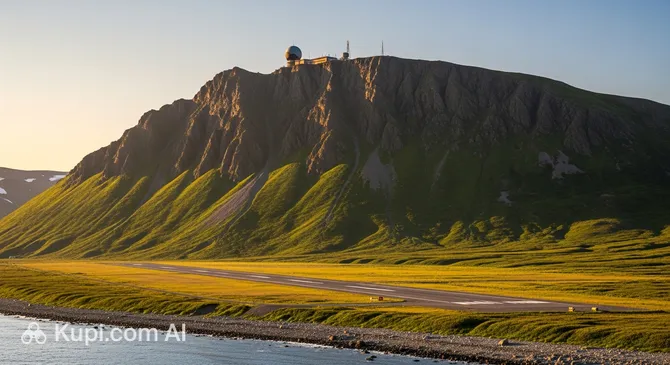
Cape Lisburne. Source: Kupi.Binoculars

While the area is remote, the history of Cape Lisburne is surprisingly rich. It was named by the famous explorer Captain James Cook in 1778 and has served as a strategic location for decades, hosting a Long Range Radar Station that dates back to the Cold War era. Beyond its military significance, the region has been known to the local Iñupiat people for generations as a place of seasonal importance.

For visitors who manage to reach this isolated spot, the primary allure lies in its incredible wildlife. The cliffs are home to immense colonies of nesting seabirds, including kittiwakes, murres, and puffins, making it a world-class destination for birdwatching. Additionally, the surrounding tundra and coastal waters offer opportunities to spot caribou, grizzly bears, and migrating whales, providing an authentic Arctic safari experience.

Visiting Cape Lisburne is an adventure reserved for the most intrepid travelers. Whether you are drawn by the stark beauty of the polar landscape, the fascinating military heritage, or the spectacular wildlife, this remote outpost offers a profound connection to the wild elements of Alaska.

Weather Overview

Due to its location north of the Arctic Circle, the climate here is severe and strictly polar. Understanding the typical weather in Cape Lisburne is essential for any travel planning, as conditions can be extreme and change rapidly. Generally, the region experiences long, freezing winters and very short, cool summers where temperatures rarely rise above 10°C.

The winter months are particularly harsh, with January and February being the coldest periods. During this time, average temperatures hover around -20°C, often dropping as low as -21.8°C. December is similarly cold, averaging -15.9°C. Travelers should be prepared for deep freezes, although precipitation volume remains low, typically around 1mm per month during the coldest season.

Summer brings a brief respite from the freezing cold, though it never gets truly hot. July is the warmest month, with an average temperature of 8.9°C and highs reaching just 10.8°C. June and August see averages of 4.7°C and 7.5°C respectively. While the air is warmer, the number of wet days increases significantly in late summer and autumn, peaking at 15 days in October.

Overall, the precipitation volume is quite low year-round, ranging from 0mm to 2mm, but the frequency of damp or snowy days can be high. Expect cool summers with occasional light rain and extremely cold, relatively dry winters.

Interesting Facts

Beyond its jagged cliffs and military radar domes, Cape Lisburne holds a collection of fascinating secrets that range from ancient mysteries to Cold War intrigues. This isolated outpost is far more than just a geographic marker; it is a place where human history and prehistoric evidence overlap in unexpected ways.

  • A Naming Mystery: While the famous explorer Captain James Cook is credited with discovering the cape in 1778, he may not have actually named it. In his original journal, he wrote, "The southern extreme seemed to form a point which was named Cape _____," leaving a blank space. The name "Lisburne" was added later by an unknown person and is not in Cook's handwriting, sparking debate among historians about his true intentions.

  • Built on History: The current military airstrip is constructed directly on top of the ancient Iñupiat village of Wevok (or Uivvaq). For generations, this was a thriving community whose name meant "distant cape," distinguishing it from nearby Cape Thompson. The village was eventually abandoned due to epidemics and migration to Point Hope, leaving the modern runway as a stark overlay on this historic ground.

  • Prehistoric Jungle: Although it is now a frozen landscape within the United States Arctic, the cape was once a lush, green environment. Scientists have discovered extensive Jurassic flora fossils here, including ferns and gingkoes, providing irrefutable proof that this polar region once enjoyed a climate warm enough to support dense prehistoric vegetation.

  • The "LIZ-1" Outpost: During the Cold War, Cape Lisburne served as the westernmost station of the Distant Early Warning (DEW) Line, code-named "LIZ-1." The site is so remote that it remains accessible only by air or sea. In the station's early days, fresh food supplies were so difficult to deliver that they were often paradropped, with frustrated crews watching helplessly as crates occasionally drifted into the ocean.

How to Get There

Reaching this remote headland on the Chukchi Sea coast is a true adventure, requiring careful planning and a spirit of exploration. Due to its isolated location in the Arctic, there are no roads connecting the cape to the rest of Alaska, and access is primarily achieved through air travel to nearby communities followed by specialized local transport. For a detailed breakdown of logistics and options, you can read more about how to get to Cape Lisburne.

Cape Lisburne does not have its own public airport, but you can fly into Point Hope Airport (PHO) in the city of Point Hope, which is about 64.1 km from the cape. This small facility serves as a vital link for the region. Since there are no roads traversing the rugged terrain, visitors must arrange for air charters or boat transport to bridge the final distance. Another option is the Ralph Wien Memorial Airport (OTZ) in Kotzebue, a larger regional hub located about 269 km away. From here, travelers typically connect to smaller flights to reach the immediate vicinity of the destination.

For clarity, here is a summary of the main airports:

Airport Name City Passenger Traffic Km from Destination
Ralph Wien Memorial Airport Kotzebue Medium 269.0
Point Hope Airport Point Hope Small 64.1

There are no railway services available in this part of the United States. The rail network does not extend into the Arctic Circle, so train travel is not a viable option for reaching Cape Lisburne. Visitors typically rely on a combination of commercial flights to regional hubs and subsequent travel by small bush planes or boats depending on the season and weather conditions.

Main Attractions

Although Cape Lisburne is a remote outpost rather than a bustling tourist hub, it possesses a stark, captivating beauty that draws adventurers and nature enthusiasts. The attractions here are defined by the raw elements of the Arctic: towering geology, abundant wildlife, and remnants of human history etched into the tundra. Below are the key sites that define this unique destination.

The Coastal Cliffs and Seabird Colonies are undoubtedly the region's most famous natural feature. Rising precipitously from the Chukchi Sea, these sedimentary rock formations serve as a critical nesting ground for hundreds of thousands of seabirds. Part of the Alaska Maritime National Wildlife Refuge, the cliffs come alive in summer with the cacophony of Black-legged Kittiwakes and Common Murres. For wildlife photographers and birdwatchers, this site offers a world-class opportunity to observe avian life in its most natural and dramatic habitat, with the turbulent ocean providing a breathtaking backdrop.

Dominating the human landscape is the Cape Lisburne Long Range Radar Station. While access to the facility itself is restricted due to its military nature, its presence is the defining landmark of the cape. The station, with its iconic radar domes and airstrip, represents a fascinating chapter of Cold War history and modern engineering in extreme conditions. For visitors, viewing the station against the vast, empty wilderness provides a striking contrast and a poignant reminder of the strategic importance of this isolated corner of the United States.

Beneath the modern infrastructure lies the Uivvaq (Wevok) Heritage Site. This area was once a thriving Iñupiat settlement, and although the village was abandoned long ago, the ground remains rich with cultural significance. The site is interesting for those fascinated by anthropology and history, as it marks a spot where indigenous communities survived and adapted to the harsh Arctic environment for centuries. It serves as a silent testament to the resilience of the people who called this wind-swept cape home long before radar towers were erected.

For those willing to explore the terrain on foot, the Lisburne Hills offer a rugged hiking experience unlike any other. These rolling, rocky elevations provide panoramic views of the Arctic Ocean and the surrounding tundra. The hills are geologically distinct, composed largely of limestone and shale, and are known to contain fossilized evidence of the region's prehistoric past. Hiking here is a chance to spot terrestrial wildlife, such as caribou and grizzly bears, while immersing oneself in the profound silence of the far north.

Local Cuisine

Travelers venturing to Cape Lisburne should be aware that this is one of the most remote outposts in the United States, and as such, there is no commercial dining scene. There are no restaurants, cafes, street food vendors, or bars on the cape itself. The culinary experience here is defined either by the provisions visitors bring with them or, for those exploring the wider region and nearby communities like Point Hope, by the traditional subsistence diet of the Iñupiat people.

The local diet is heavily reliant on the bounty of the land and sea. A signature delicacy of the region is Muktuk, consisting of whale skin and blubber, which is often eaten raw, frozen, or cooked. It is a rich source of vitamins and a cultural staple. Another essential dish is Caribou stew. The meat of the caribou is lean and flavorful, often slow-cooked with root vegetables or dried for preservation as jerky, providing essential energy for the harsh Arctic climate.

For a unique treat, one might encounter Akutaq, commonly known as "Eskimo Ice Cream." Unlike the dairy-based dessert familiar to most, this traditional dish is made by whipping animal fat (such as reindeer fat or seal oil) with snow or water and mixing in wild berries like cloudberries or blueberries, and sometimes fish. It is a high-energy food that has sustained locals through cold winters for generations.

Regarding beverages, hot tea is the drink of choice in the region, offering warmth and comfort against the freezing temperatures. In nearby villages, it is often kept brewing all day to welcome guests. Alcohol is frequently restricted or banned in many native communities in rural Alaska (known as "damp" or "dry" villages), so tourists should check local regulations before expecting to find bars or liquor stores. The purest drink available, however, is the water itself, often melted from fresh snow or ice, known for its crisp and clean taste.

Since there are no eateries at Cape Lisburne, the "food culture" for a visitor is one of self-sufficiency. Adventurers must pack their own supplies, focusing on high-calorie, non-perishable items. However, if your journey takes you through the village of Point Hope, you may experience the communal nature of Iñupiat dining, where food harvested from the wild is often shared generously among families and elders, reflecting a deep respect for the resources of the Arctic.

Travel Tips

Visiting Cape Lisburne is not a typical vacation; it is a true expedition into one of the most remote corners of the United States. Because there is no standard tourism infrastructure like hotels or shops, careful preparation is not just recommended—it is vital for your safety and enjoyment.

  1. Clothing and Gear: The Arctic weather is unforgiving, regardless of the season. You must dress in layers using wool or synthetic materials; cotton should be avoided as it holds moisture. Even in summer, bring a heavy, waterproof parka, windproof pants, and insulated, waterproof hiking boots. Don't forget a warm hat, gloves, and quality sunglasses to protect against the glare of the sun off the snow or water.

  2. Transportation: There is absolutely no public transportation, metro, or taxi service here. The only way to get around is on foot or by pre-arranged charter boat or bush plane. Car rental is impossible as there are no roads connecting the cape to the rest of Alaska. Ensure all your travel logistics, including drop-off and pick-up, are confirmed before you depart.

  3. Finances: The local currency is the United States Dollar (USD), but your credit cards will be useless at the cape itself because there are no businesses. If you are passing through nearby villages like Point Hope, bring cash in small denominations, as card readers may be unreliable or unavailable. Budgeting here is about pre-paying for expensive charter transport rather than daily spending.

  4. Health and Safety: This is a wilderness area with no medical facilities or pharmacies. You must bring a comprehensive first-aid kit and any personal medications you need. The nearest help is hours away by air, so purchasing medical evacuation insurance is strongly advised. Be "bear aware" at all times—carry bear spray and know how to use it, as grizzlies frequent the area.

  5. Communication: Do not expect standard cell phone coverage. The primary language is English, though Iñupiaq is spoken by locals in the region. For safety, it is essential to carry a satellite phone or a satellite messenger device (like an inReach), as this will be your only link to the outside world in an emergency.

  6. Local Etiquette: If you encounter indigenous subsistence hunters or visit nearby communities, show deep respect for their traditions and land. The principle of Leave No Trace is mandatory; pack out everything you pack in. Additionally, respect the privacy and rules of the Air Force station personnel; it is an active military site, not a tourist attraction.

  7. What to Avoid: Strictly avoid trespassing on restricted military property. The radar station and airstrip are active facilities, and unauthorized entry can lead to serious legal trouble. Also, never disturb nesting birds or wildlife; the area is a protected refuge, and harassing animals is illegal and dangerous.

  8. Daylight Management: If you visit during the summer, be prepared for 24-hour daylight (the Midnight Sun). It can be disorienting and disrupt sleep, so bringing a high-quality sleep mask is a simple "life hack" that will help you maintain your energy levels for hiking and exploration.

By packing the right gear and respecting the extreme nature of this environment, your trip to Cape Lisburne can be a safe and awe-inspiring experience. This is a place for the self-sufficient traveler, offering a rare chance to witness the Arctic in its purest form.

Entertainment & Nightlife

Travelers planning a trip to Cape Lisburne must set aside traditional expectations of nightlife. As a remote geographic landmark and an active Air Force station located far from civilization, there are absolutely no nightclubs, bars, cocktail lounges, or concert venues here. The "nightlife" in this part of the United States is defined not by music and crowds, but by the profound silence of the Arctic and the spectacular natural phenomena that light up the sky.

Instead of bustling entertainment districts, the evening atmosphere is dominated by the raw elements of nature. In the summer months, the sun does not set, creating the phenomenon known as the Midnight Sun. During this time, the "night" is simply a continuation of the day, allowing for wildlife viewing and hiking at 2:00 AM under bright daylight. Conversely, the winter brings long periods of darkness, which offer the mesmerizing potential to witness the Aurora Borealis (Northern Lights) dancing over the Chukchi Sea. This natural light show is the premier evening entertainment for the few who venture this far north.

Since there are no commercial establishments, visitors must be entirely self-sufficient regarding entertainment. There are no places to buy a drink or a meal, so the "best time to go out" is dictated by the weather rather than opening hours. Practical advice for an evening here involves dressing in extreme cold-weather gear and bringing a thermos of hot tea or coffee from your own supplies. The dress code is strictly functional: insulated parkas, waterproof boots, and thermal layers are essential for survival, let alone comfort.

Safety is a critical concern for any night activity. The region is prime habitat for polar bears and grizzly bears, which can be active at any time. Walking alone in the dark or even during the twilight hours is dangerous. It is vital to stay near your shelter or transport and carry bear deterrents. There are no taxis or public transport services to call; you are your own ride home, usually via a pre-arranged charter flight or boat.

Regarding daytime entertainment, the options are equally focused on the outdoors. There are no theaters, museums, or amusement parks in Cape Lisburne. The "museums" here are the geological formations and the ancient fossil beds found in the cliffs, while the "theaters" are the nesting colonies of thousands of seabirds. For those seeking cultural or historical context, the nearby (by Arctic standards) village of Point Hope offers a glimpse into Iñupiat heritage, but even there, commercial entertainment is non-existent.

Parks & Museums

Because Cape Lisburne is a remote Air Force station and a rugged geographical headland rather than a standard municipality, it does not possess the manicured city parks or curated museums found in typical tourist destinations in the United States. Instead, the entire region functions as a massive, open-air sanctuary where the "parks" are federally protected wilderness areas and the "museums" are ancient archaeological sites and geological formations that tell the story of the Earth's history.

Alaska Maritime National Wildlife Refuge

The most significant protected area here is the Alaska Maritime National Wildlife Refuge. The dramatic limestone cliffs of Cape Lisburne are a vital part of this sprawling refuge, which was established to conserve marine mammals, seabirds, and other wildlife. Unlike a city park with benches and paths, this is a wild, vertical landscape where nature rules supreme. It serves as a critical nesting habitat for huge colonies of kittiwakes, murres, and puffins. For visitors, the "park experience" involves observing these birds in their natural element, surrounded by the crashing waves of the Chukchi Sea and the stark beauty of the Arctic coast.

The Arctic Tundra and Lisburne Hills

Beyond the cliffs, the surrounding tundra and Lisburne Hills offer a hiking experience that rivals any national park for solitude and scenery. This vast, treeless expanse is a natural garden of specialized Arctic flora, including mosses, lichens, and tiny wildflowers that bloom briefly but vibrantly during the summer. Exploring this terrain allows travelers to walk through a pristine ecosystem that supports caribou herds and grizzly bears. It is a raw, unmanaged wilderness that demands respect and offers a profound connection to the land.

A Landscape of Living History

There are no brick-and-mortar museums or art galleries at Cape Lisburne. However, the land itself preserves a rich cultural and historical heritage. The site of the ancient Iñupiat village of Wevok (Uivvaq) sits directly beneath and around the modern airstrip. While there is no visitor center, this area is an archaeological treasure trove that has been inhabited for thousands of years. It stands as a testament to the ingenuity and resilience of the indigenous people who thrived in this harsh environment long before modern technology arrived.

The "Natural History Museum" of Fossils

Geologically, the cape acts as an open-air natural history museum. The region is famous among paleontologists for its extensive fossil beds, particularly those from the Jurassic period. The rocks here contain well-preserved impressions of ancient ferns, gingkoes, and cycads, offering irrefutable proof that this frozen polar region was once a warm, lush jungle. For the observant visitor, finding a fossilized leaf in a loose rock provides a tangible link to a prehistoric world, offering an educational experience far more visceral than viewing exhibits behind glass.

Insider Tip: Since you won't find ticket booths or information desks, treat the entire cape as a self-guided discovery zone. If you are interested in the human history of the region, try to arrange a visit to the village of Point Hope (accessible by short flight). There, you can see the famous whale bone arches and gain a deeper understanding of the living Iñupiat culture that is deeply connected to the lands around Cape Lisburne.

Getting Around

Travelers planning a visit to Cape Lisburne must adjust their expectations regarding mobility, as this is a remote military site and wilderness area rather than a standard municipality. Consequently, there is absolutely no public transport system in the traditional sense. There are no buses, trams, metros, or trolleybuses operating in this region. The infrastructure is entirely focused on the Air Force station operations, meaning the convenient transit networks found in populated urban centers are non-existent here.

Because there is no public transportation, there is no system of tickets, travel passes, or transport apps to navigate. You will not find ticket vending machines or card validators. Instead of paying a small fare for a bus ride, the "cost of transport" here refers to the significant expense of arranging private logistics. All travel arrangements, such as charter flights or boat drop-offs, are typically paid for in advance through private operators, often costing thousands of dollars rather than a few coins.

Practical advice for navigating the area revolves entirely around self-sufficiency and careful pre-planning. Since you cannot simply flag down a vehicle or walk to a bus stop, your arrival and departure logistics must be confirmed before you even leave home. Visitors should be prepared to cover all distances on the ground by hiking. It is essential to wear high-quality, waterproof hiking boots, as the terrain consists of uneven tundra, rocky beaches, and steep cliffs rather than paved sidewalks or roads.

Regarding alternatives to public transport, options like taxis, car-sharing services, or bike rentals are completely unavailable. There are no paved roads connecting Cape Lisburne to the rest of the continent, so renting a car is impossible. The only motorized "alternatives" are small bush planes used for access, or potentially a boat if arriving by sea. Once on the ground, your own two feet are the only reliable mode of transportation, making physical fitness and proper gear the most important factors for getting around.

A unique feature of the local "transport" landscape is the gravel airstrip maintained by the military. While it is not a public facility for commercial airliners, it is the lifeline of the cape. In winter, the frozen terrain can sometimes be traversed by snowmobiles used by locals from nearby villages for subsistence hunting, but this is not a service available to tourists. Ultimately, navigation here is an expeditionary experience, not a commute.

Accommodation

Travelers planning a visit to Cape Lisburne must be aware that this is one of the most remote and isolated destinations in the United States. Consequently, there are absolutely no commercial accommodation options available on the cape itself. You will not find hotels, hostels, guesthouses, or vacation rentals here. The area functions primarily as an active Air Force station and a protected wildlife refuge, meaning there is no tourism infrastructure to support overnight stays for the general public.

Because of the lack of facilities, the "accommodation" strategy for visiting Cape Lisburne typically involves basing yourself in a nearby gateway community. Most visitors arrange their lodging in Point Hope or the regional hub of Kotzebue. These towns offer a small selection of simple hotels and bed-and-breakfasts. From there, travelers can arrange day trips or drop-offs to the cape via charter aircraft or boat, returning to the comfort of a warm room in the evening.

For the most intrepid adventurers, wilderness camping is the only way to stay overnight on the land itself. Since much of the area falls within the Alaska Maritime National Wildlife Refuge, camping may be permitted, but it requires a high level of self-sufficiency. There are no designated campgrounds, fire pits, or facilities. Campers must bring four-season tents capable of withstanding high Arctic winds, along with bear-proof food containers. It is crucial to check with refuge managers and military personnel regarding restricted zones before pitching a tent.

Booking Tip: If you plan to stay in the gateway villages of Point Hope or Kotzebue, it is essential to book months in advance. Accommodation in these remote Arctic communities is extremely limited and often filled by seasonal workers or government officials. Do not rely on last-minute availability, as you may find yourself without a place to sleep in a harsh climate.

In terms of pricing, the cost of a trip here is driven not by luxury accommodation but by logistics. While the "stay" on the cape might be free if you are camping, the cost of chartering transport to get there is significant. If staying in nearby villages, expect prices to be higher than the national average for basic amenities due to the high cost of operating in the Arctic. Payments for lodging in these hubs should be arranged prior to arrival, as digital booking platforms may not always reflect real-time availability for small local providers.

Nearby Cities

For those looking to explore the surroundings, Cape Lisburne serves as an excellent base for day trips to several interesting nearby locations:

City Population Distance (km)
Utqiagvik 4000 447
Nome 3697 490
Wainwright 3600 309
Kotzebue 3300 268
Selawik 830 365

Given the vast distances of the Alaskan Arctic, "day trips" typically involve regional air travel, but the effort is rewarded with unique cultural experiences. Kotzebue is the closest major hub, located approximately 268 km away. It sits at the end of the Baldwin Peninsula and offers visitors a profound look into indigenous history at the Northwest Arctic Heritage Center, making it an educational counterpart to the wild nature of the cape.

Further afield lies Utqiagvik (formerly Barrow), the northernmost city in the United States. It is a place of extremes, famous for its strong Iñupiat whaling culture and the stark beauty of the high Arctic. Visitors here can walk on the black sand beaches of the Arctic Ocean and learn about life at the top of the world.

Another compelling destination is Nome, renowned for its chaotic Gold Rush history and as the finish line of the Iditarod Trail Sled Dog Race. Unlike many other bush communities, it has a distinct frontier atmosphere with historic remnants like abandoned gold dredges scattered across the landscape.

These nearby destinations offer a glimpse into the diverse culture and landscapes of the region.

Shopping & Souvenirs

General Overview: Travelers preparing for a journey to Cape Lisburne must understand that this is a remote wilderness outpost and an active military site, not a commercial tourist destination. Consequently, there are absolutely no shopping opportunities on the cape itself. You will not find convenience stores, souvenir shops, supermarkets, or boutiques. "Shopping" for this trip means purchasing all necessary supplies, food, and gear in larger cities before you even board your flight to the Arctic. Self-sufficiency is the rule, and visitors must arrive fully equipped for their entire stay.

Main Shopping Areas/Streets: Since there are no civilian settlements or paved roads on the cape, there are no shopping districts. The nearest locations to buy basic provisions are the village of Point Hope or the regional hub of Kotzebue. In these gateway communities, you may find small general stores (often called "AC Stores" or trading posts) that stock groceries, hardware, and outdoor gear. However, selection can be limited and prices are significantly higher than in the continental United States due to the cost of shipping freight to the Arctic.

Shopping Malls: There are no shopping malls in Cape Lisburne, nor in the immediate surrounding region. The closest experience to a large retail center would be in Anchorage or Fairbanks, hundreds of miles away. In the Arctic hubs like Kotzebue, retail is functional rather than recreational, focused on survival gear, cold-weather clothing, and subsistence tools rather than fashion or luxury goods.

Markets: Traditional open-air markets are not a feature of this isolated area. However, in nearby Iñupiat communities, you might occasionally encounter informal sales where locals sell handmade items or subsistence foods. These are not structured markets but rather community-based exchanges. On the cape itself, the only "market" is the natural one, where the currency is patience and the goods are sightings of rare seabirds and wildlife.

Souvenirs: You cannot buy souvenirs at Cape Lisburne, so the best mementos are the photographs you take and the memories of the stark polar landscape. If you pass through Kotzebue or Point Hope, look for authentic Alaska Native arts and crafts. The region is known for exquisite hand-sewn items such as skin sewing (mittens, mukluks), beadwork, and carvings made from baleen or walrus ivory. Purchasing these items supports local artisans, but be sure to ask for certificates of authenticity and check export regulations regarding ivory if you are traveling internationally.

Opening Hours and Payment: Because there are no stores, there are no opening hours to worry about on the cape. If you are shopping in the gateway villages, stores typically open around 9:00 or 10:00 AM and close by 6:00 or 7:00 PM, with reduced hours on Sundays. Regarding payment, cash is king in remote Alaska. While larger stores in Kotzebue accept credit cards, smaller vendors or artists in villages may only accept cash. It is highly recommended to withdraw sufficient cash before leaving major urban centers.

Tax-Free: One financial benefit of traveling in this region is that the state of Alaska does not impose a state sales tax. However, local municipalities often levy their own sales taxes to fund community services. While this won't apply at Cape Lisburne (where there is nothing to buy), be aware that purchases in hub cities may still include a local tax percentage.

Reached the end of the page?

That means the route is fully explored