Support

Hatteras

About

Hatteras is a tiny yet truly unique town located on the very edge of Hatteras Island, part of the famous Outer Banks chain of barrier islands off the coast of North Carolina in the USA. This is a place where the boundless Atlantic Ocean meets picturesque sounds and dunes, and life flows at a special pace dictated by the winds and waves. Here, amidst the vastness of the Cape Hatteras National Seashore, every day is filled with fresh sea air and a sense of freedom.
Hatteras. Illustration.
Source: Kupi.com AI

With a population of only about 400 people, Hatteras maintains a wonderful atmosphere of seclusion and friendliness. The town does not strive for the status of a major administrative center; instead, its intimacy and soulful simplicity attract those who value slow-paced relaxation and authenticity. Local residents carefully preserve traditions, while guests come here for the natural splendor.

The main appeal of Hatteras lies in its amazing combination of wild nature, rich maritime history, and a relaxing atmosphere. Guests can spend hours walking along the endless beaches that are part of the Cape Hatteras National Seashore, watch numerous bird species, or go kayaking and fishing. It is the perfect place to enjoy solitude far from the hustle and bustle of the city.

If you are looking for harmony with nature and dream of a true escape from civilization, Hatteras will be the ideal destination for you. This charming corner of the American coast will provide unforgettable impressions and the opportunity to truly rest your soul.

You can find more interesting facts on the history of Hatteras page.
Weather Overview

In Hatteras, the climate is characterized by warm summers and mild, cool winters. Average temperatures in the summer months, such as July and August, are around 26-27°C; this time also sees the highest amount of precipitation (about 7 mm) and rainy days (approximately 17). In winter, for example in January, the average temperature stays around 10°C, and the amount of precipitation is 3-5 mm per month. Overall, expect warm summers with occasional rain and cool winters with moderate precipitation. October is usually the driest month of the year, with about 2 mm of precipitation.

You can find more detailed information about the weather throughout the year on the Hatteras Climate page.

Interesting Facts

In addition to its picturesque beaches and relaxing atmosphere, Hatteras hides many amazing stories and features that make it a truly unique place. Here are just a few interesting facts about this charming corner of the Outer Banks:

Graveyard of the Atlantic Museum. Illustration.
Source: Kupi.com AI

Traveler photos:

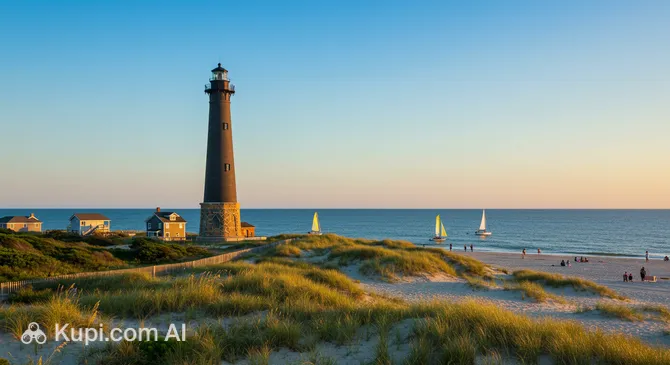
  • Hatteras and its surroundings are famous for one of the most recognizable lighthouses in the USA — the Cape Hatteras Lighthouse. This historic lighthouse, built in the 19th century, is notable not only for its distinctive black-and-white spiral paint but also for the fact that in 1999, the entire structure was moved inland to save it from the destructive power of the ocean—a unique engineering feat.

  • The waters surrounding Hatteras are known by the grim name "Graveyard of the Atlantic" due to the enormous number of shipwrecks that have occurred here over many centuries. Today, these fascinating stories, pirate secrets, and maritime legends are dedicated to the Graveyard of the Atlantic Museum, where you can learn about the brave rescue operations of the past.

  • Hatteras Island is a true Mecca for fishing enthusiasts. Fishing enthusiasts from all over the world gather here to try their luck at the legendary Avon Fishing Pier or participate in one of the many fishing tournaments held here regularly.

  • In Hatteras, the ancient traditions of mariners and fishermen are carefully preserved. Locals take pride in their heritage, and tourists have a unique opportunity to get acquainted with traditional crafts, such as attending workshops on weaving fishing nets or even participating in the process of building boats using age-old technologies.

How to Get There

Getting to this secluded corner of the Outer Banks can be done in various ways, but most travelers choose a combination of air travel and a car trip. Since the town is located on an island, logistics require some planning. You can learn more about how to get to Hatteras by exploring all available routes and transport nuances.

There is no airport in the town of Hatteras itself, so tourists must fly into nearby major cities. The most convenient option for many is Norfolk International Airport (IATA: ORF), located in the city of Norfolk. It is approximately 192 km from Hatteras, and the journey from there by taxi or rental car will take about 5 hours. Another popular option is Coastal Carolina Regional Airport (EWN) in New Bern. This is the closest airport to the resort (about 124 km), and the drive from there takes approximately 3 hours and 30 minutes. Both airports offer car rentals, which are highly recommended for a trip to the island.

For convenience, here is a summary of information on the main airports:

AirportPassenger trafficDistance
Coastal Carolina Regional Airport352 000124 km
Pitt-Greenville Airport91 000160 km
Albert J Ellis Airport332 270180 km
Norfolk International Airport4.9 mln192 km
Newport News/Williamsburg International Airport144 966224 km

Rail service to the region is less developed, and there are no direct trains to the island. There is no railway station in the town of Hatteras itself, but you can arrive at the Newport News Station (IATA: ZWW) in Newport News, which is about 211 km from Hatteras. From there, you can reach your destination by taxi or bus, which will take about 5 hours and 40 minutes. This is not the fastest way, but it may suit those traveling along the East Coast by train.

Below is information on the nearest railway hubs:

StationPassenger trafficDistance
Newport News Railway Station97 597211 km
Williamsburg Railway Station74 837246 km

Main Attractions

Hatteras, located on the picturesque Outer Banks of North Carolina, offers tourists a unique blend of history, nature, and maritime adventure. Despite its small size, the area is rich in interesting sites.

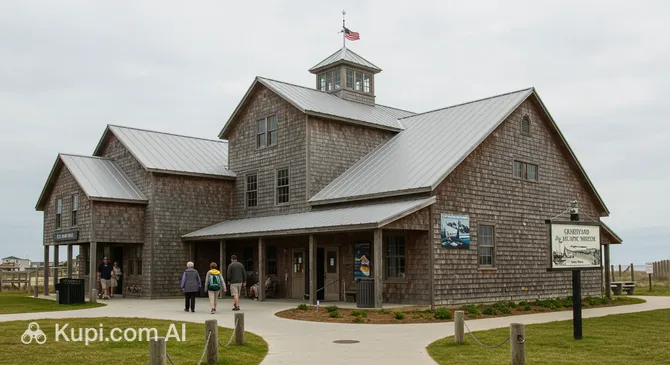
One of the key attractions is the Graveyard of the Atlantic Museum. This museum is dedicated to the rich and often dramatic maritime history of the region, known as the "Graveyard of the Atlantic" due to the numerous shipwrecks off its shores. Visitors can see artifacts recovered from sunken vessels and learn about heroic rescue operations and stories related to piracy and coastal life. The museum's exhibition helps to deeply understand the rugged yet alluring character of these places.

Graveyard of the Atlantic Museum. Illustration.
Source: Kupi.com AI

Traveler photos:

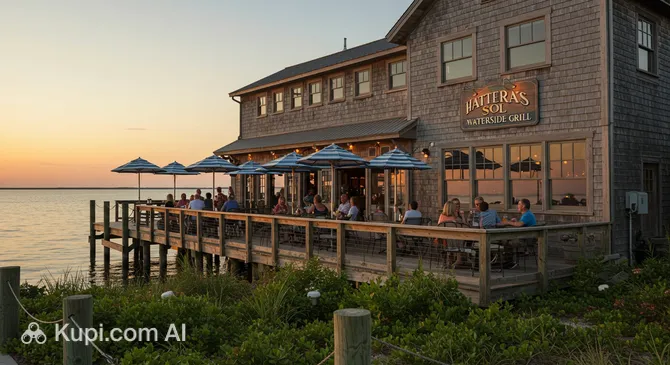
For those who want to enjoy local cuisine and atmosphere, Hatteras Sol Waterside Grill is well worth a visit. This restaurant offers not only delicious dishes, primarily featuring fresh seafood, but also beautiful water views. It is a great place to relax after a day at the beach and admire the sunset over the Pamlico Sound.

Hatteras Sol Waterside Grill. Illustration.
Source: Kupi.com AI

Traveler photos:

The famous Cape Hatteras Lighthouse also cannot be overlooked. Although it is located slightly north of Hatteras village itself on the island, it is the symbol of the entire region. It is one of the tallest brick lighthouses in the United States, and its distinctive black-and-white spiral stripes are recognized worldwide. The lighthouse is open to visitors during certain seasons, and the climb to the top is rewarded with breathtaking panoramic views of the ocean and the island. A small museum is often located near the lighthouse, telling the story of its history and significance for navigation.

In addition to these sites, Hatteras attracts enthusiasts of fishing, water sports such as kitesurfing and windsurfing, and those seeking a secluded getaway on the spacious beaches of the Cape Hatteras National Seashore.

Local Cuisine

The culinary scene in Hatteras is a true paradise for fresh seafood lovers. Located on the coast, the town offers an incredible variety of dishes made from freshly caught fish, shrimp, and crabs. Local restaurants and cafes take pride in their family recipes passed down through generations, allowing guests to enjoy the authentic flavors of the region.

Be sure to try the famous clam chowder, especially the local variety—"Hatteras-style clam chowder". Unlike many other variations, this soup is prepared in a clear broth with the addition of potatoes, onions, and, of course, the freshest clams, without using cream. This dish perfectly reflects the local culinary philosophy: simplicity and freshness. Appetizing crab cakes and tender fried oysters are also popular.

In addition to restaurants, it's worth stopping by small fish markets and shops where you can not only buy the fresh catch of the day but also try smoked fish. Many establishments offer a cozy atmosphere and a warm welcome. For example, at Hatteras Sol Waterside Grill, you can enjoy local cuisine prepared from select ingredients.

Hatteras Sol Waterside Grill. Illustration.
Source: Kupi.com AI

Traveler photos:

As for drinks, refreshing non-alcoholic options as well as local beers or light wines pair perfectly with seafood dishes. And for dessert, don't miss the chance to try homemade fudge or other sweets, which are often prepared according to traditional recipes and will be a pleasant end to your meal.

The food culture in Hatteras is closely linked to the sea and its bounty. During the warmer months, especially in summer and autumn, gastronomic festivals, fishing celebrations, and street fairs often take place here, where you can fully experience the hospitality and culinary richness of this charming coastal town. This is a place where every gourmet will find something to their liking, enjoying the freshness of the products and unique local tastes.

Travel Tips

Planning a trip to the charming coastal town of Hatteras? Wonderful! To ensure your journey goes smoothly and leaves only pleasant impressions, we have prepared some practical tips to help you better prepare.

  1. Clothing and Essentials:

    Hatteras has a coastal climate, so in the summer, bring light and breathable clothing, swimwear, a hat, sunglasses, and high SPF sunscreen. In spring and autumn, warmer clothes and a windbreaker will be useful, and in winter, a jacket and sweater, although severe frosts are rare here. Don't forget comfortable shoes for walking on the beach and around the area, as well as a raincoat in case of sudden precipitation. If you are coming from a country with different power grid standards, you will need an adapter for American outlets (Type A and B, 120V).

  2. Transport:

    Hatteras is a small settlement, and the best way to move around it and the picturesque surroundings of the Outer Banks is by rental car. Public transport is practically non-existent here. Taxi or rideshare services may be limited or unavailable. For short walks around the town itself, bicycles are suitable and can often be rented.

  3. Finance:

    The local currency is the US Dollar (USD). Credit and debit cards (Visa, MasterCard, American Express) are accepted in most shops, restaurants, and hotels. However, it is recommended to have some cash on hand for small purchases or in case cards are not accepted somewhere. ATMs are available, but their number is limited. It's better to exchange currency before arriving in Hatteras or in larger cities. Tipping in the USA is standard practice: 15-20% of the bill in restaurants and for good service.

  4. Health and Safety:

    Hatteras may have a small pharmacy, but its hours can be limited, so it's better to bring basic medications with you. If medical assistance is needed, you will likely have to visit a clinic in the nearest larger settlement. Be sure to get travel insurance. For emergencies, call 911. Hatteras is a fairly safe place, but follow standard precautions. Pay special attention to water safety: watch for warnings about rip currents and weather conditions, especially during hurricane season (from June to November).

  5. Communication:

    The primary language of communication is English. English-speaking tourists will have no problems being understood. Mobile connection and internet can be unstable in some remote areas of the Outer Banks. Wi-Fi is usually available in hotels, guesthouses, and some cafes. You can purchase a local SIM card in major cities or airports upon arrival in the USA.

  6. Local Etiquette:

    Residents of Hatteras, like those in most small American towns, are usually friendly and welcoming. A simple "hello" or "hi" is appropriate when meeting people. Keep the beaches and public places clean. Respect private property and peace and quiet, especially in residential areas.

  7. What to Avoid:

    Do not leave trash on the beaches or in natural areas—this is strictly penalized and harms the unique ecosystem. Also, do not ignore warning signs about weather, ocean conditions, or protected areas (for example, sea turtle nesting sites).

  8. Additional Tip:

    Hatteras and the Outer Banks are very popular in the summer season. Book accommodation and popular activities (such as fishing charters or lighthouse tours) in advance, especially if your trip falls on peak dates. Also, if you are traveling during hurricane season (June-November), monitor weather forecasts closely and be prepared for possible plan changes.

We hope these tips make your stay in Hatteras as comfortable and unforgettable as possible. Enjoy the beauty of the North Carolina coast!

Entertainment & Nightlife

Hatteras is a charming coastal village, and its nightlife matches its relaxed and secluded character. Here you won't find noisy nightclubs or districts filled with bars open until dawn as you would in major cities. Instead, evening entertainment in Hatteras focuses on cozy restaurants where you can enjoy fresh seafood and quiet spots to spend time with friends or family under the starlit sky.

The bulk of evening activity is concentrated in restaurants that offer dinner and drinks in a pleasant atmosphere. One such place is Hatteras Sol Waterside Grill, where you can enjoy local cuisine with a water view. Typically, these establishments stay open until late evening, especially during the tourist season. The atmosphere here is generally casual, with a relaxed dress code. It's best to arrive for dinner closer to sunset to catch the beautiful views. Prices can vary but generally correspond to the quality of the food and the location.

Since Hatteras is a small settlement, there are virtually no specialized nightclubs or concert venues. Evening entertainment is more about a pleasant dinner, walks along the beach in the moonlight, or sitting on the porch of your accommodation. Some local establishments may offer live music on weekends or during the peak season, but this should be checked in advance.

Regarding safety, Hatteras is considered a very quiet place. However, as with everywhere, it is worth taking basic precautions, especially if you are walking late at night in sparsely populated areas. Getting around the village at night is most convenient by car. Taxi services may be limited, so it's better to have your own transport or arrange a ride in advance.

During the day, there is also plenty to do in and around Hatteras. History buffs can visit the Graveyard of the Atlantic Museum, which details the region's rich maritime history and the many shipwrecks off its coast. Of course, the main daytime activities are related to the ocean: beach recreation, fishing, surfing, and other water sports. You can also explore the picturesque natural landscapes of Hatteras Island.

When planning an evening in Hatteras, set your sights on a calm and steady pace of relaxation. It's the perfect place to unwind from the city's hustle and bustle and enjoy the nature and tranquility of coastal life, even after the sun goes down.

Parks & Museums

Hatteras, nestled on the Outer Banks of North Carolina, offers its guests a unique combination of wild nature and rich maritime heritage. Here you will find not only endless beaches but also places that hold fascinating stories of the past.

The main natural attraction is, without a doubt, the Cape Hatteras National Seashore. This is a vast area with pristine beaches, ideal for walking, sunbathing, surfing, fishing, and bird watching. The dunes, the sea breeze, and the power of the Atlantic Ocean create an unforgettable atmosphere. Visitors value it for its primal beauty and opportunities for active recreation in the heart of nature.

For those interested in the history and culture of the region, the Graveyard of the Atlantic Museum is a must-visit. This museum is dedicated to the dangerous waters off the coast, which became the final resting place for many ships. The exhibit tells the story of shipwrecks, rescue operations, and the rich maritime history of the Outer Banks. Here you can see artifacts recovered from sunken vessels and learn about the heroic efforts of the Coast Guard.

Graveyard of the Atlantic Museum. Illustration.
Source: Kupi.com AI

Traveler photos:

An integral part of the Hatteras landscape and history is the famous Cape Hatteras Lighthouse. While it can be viewed as a separate attraction, its historical and architectural significance is immense. This iconic black-and-white spiral lighthouse has served as a landmark for sailors in the treacherous waters of the Atlantic for many years and is one of the most recognizable symbols of the region.

For a more authentic introduction to Hatteras, take a stroll through the village itself, watch the local fishermen at work, or visit small local shops where you can find unique souvenirs reflecting the maritime spirit of the place. Early in the morning or at sunset, the beaches are particularly beautiful and offer peace and magnificent views.

Getting Around

Hatteras is a small and charming settlement, and its transport system reflects its size and coastal location. Here you won't find the subways, trams, or extensive city bus networks common in major cities. Getting around Hatteras and its surroundings has its own unique features.

The primary way to get around for most residents and tourists in Hatteras is by personal or rental car. This provides maximum flexibility for exploring Hatteras Island and other parts of the Outer Banks. For short distances within the village itself, it is quite comfortable to get around on foot, enjoying the views and fresh sea air.

Since Hatteras is primarily a tourist destination focused on oceanfront vacations, a classic public transport system with regular routes and schedules is practically non-existent. Urban transport in the form of buses, trolleys, or minibuses is not typical for this area. Instead, for the convenience of tourists and locals, the emphasis is placed on other ways of moving around.

If you arrive in Hatteras without your own car, it is highly recommended to consider renting one. Rental points can be found in larger settlements in the region or at airports. Bicycles are also a popular choice, especially during the warmer months; they can be rented locally for leisurely rides around the area. Taxi services in Hatteras may be limited and represented by small local companies, so it's best to check their availability and book a car in advance, especially during peak season. Car sharing in the traditional urban sense is likely not available here.

When planning your trip, keep in mind that for a comfortable exploration of Hatteras and the adjacent territories of the Outer Banks, having a car will be a significant advantage. This will allow you to freely reach the beaches, shops, restaurants, and attractions, such as the famous Cape Hatteras Lighthouse. If you prefer not to drive, think ahead about taxi options or explore the possibility of renting a golf cart, which are popular in some resort areas for short-distance travel.

Accommodation

When planning a trip to Hatteras, you will find a variety of accommodation options to suit your preferences and budget. This charming coastal town primarily offers cozy places to stay, ideal for those seeking peace and proximity to nature. The main choice falls on vacation home rentals and cottages, which are very popular among families and groups of friends. Motels and small Bed & Breakfasts (B&Bs) offering more traditional hotel services are also available.

Most accommodation options in Hatteras are located along NC Highway 12 or in its immediate vicinity, providing easy access to both the Atlantic Ocean beaches and the calmer waters of the Pamlico Sound. Choosing a specific area depends on your preferences: some prefer housing with direct beach access, while others prefer secluded cottages by the sound, ideal for kayaking or watching sunsets. The central part of the village is convenient for access to shops, restaurants like Hatteras Sol Waterside Grill, and marinas.

Since Hatteras is a popular tourist destination, especially during the summer months and fishing seasons, it is recommended to book your accommodation well in advance. This will help you ensure the best selection and prices. Main booking methods include popular online travel platforms, local real estate rental agency websites, as well as direct booking with owners or management companies.

The price range for accommodation in Hatteras can vary: from more budget-friendly options in motels to mid-range and high prices for spacious oceanfront or sound-front homes. The cost also heavily depends on the season, length of stay, and provided amenities. Overall, you can find options for both an economical getaway and more comfortable accommodation with a full range of services.

Nearby Cities

For those who want to explore the surrounding area, Hatteras serves as an excellent starting point for day trips to several interesting nearby locations:

CityPopulationDistance
Manteo1 40076 km
Kill Devil Hills7 78590 km
Morehead City9 535109 km
Atlantic Beach13 404112 km
Havelock17 570117 km

Each of these cities offers unique experiences for a day trip. Virginia Beach attracts visitors with its famous beaches, lively boardwalk, and diverse water activities. Chesapeake is known for its natural parks and opportunities for active outdoor recreation on the water, including kayaking and fishing along the Intracoastal Waterway. Norfolk, a major port city, will interest fans of naval history thanks to the Nauticus museum and the battleship USS Wisconsin, and it also offers a rich cultural program. In Hampton, you can immerse yourself in history by visiting Fort Monroe or the Virginia Air and Space Science Center. Portsmouth will charm you with its historic Olde Towne, maritime museum, and cozy port-city atmosphere.

These nearby destinations provide insight into the region's diverse culture and landscapes. Each of these trips will bring new impressions and complement your journey to Hatteras.

Shopping & Souvenirs

Shopping in Hatteras is more about finding authentic souvenirs and coastal essentials than chasing big brands. The town is known for its small, cozy shops where you can find unique items that reflect the maritime spirit of the Outer Banks. Souvenir shops, beachwear stores, fishing gear, and goods from local artisans predominate here.

The main commercial life of Hatteras is concentrated along the NC Highway 12, which runs through the entire village. This is where you will find most of the shops, galleries, and small retail outlets. These are not classic shopping streets with dense boutique developments, but rather individual shops and small complexes scattered along the way.

There are no large shopping malls in the traditional sense in Hatteras. The charm of local shopping lies precisely in the intimacy and uniqueness of small independent stores. Instead of malls, you can find small shopping areas or standalone shops, each with its own character.

While there may not be large organized markets in Hatteras, during the season you can find spots selling fresh seafood directly from the fishermen. It is also worth paying attention to small local artisan fairs or art exhibitions and sales that are sometimes held during the tourist season, offering unique handmade products.

As souvenirs from Hatteras, it is worth bringing back items related to the sea and local history. These could be models of lighthouses (especially the famous Cape Hatteras Lighthouse), shell crafts, paintings by local artists depicting coastal landscapes, as well as high-quality beachwear with local symbols. Interesting themed souvenirs can be found in the shop at the Graveyard of the Atlantic Museum.

Shops in Hatteras usually operate daily, especially at the height of the tourist season (from late spring to early autumn). Standard opening hours are approximately from 10:00 to 18:00 or 19:00, but they can vary. Outside of the season, some shops may reduce their hours or close for a few days a week. Credit cards (Visa, MasterCard, American Express) are accepted almost everywhere, and of course, you can pay with US dollars in cash.

The Tax Free system for foreign tourists, common in some countries, is generally not applied in retail trade in the USA, including the state of North Carolina. Sales tax is added to the cost of the item at the checkout and is usually not refundable when leaving the country.

Reached the end of the page?

That means the route is fully explored