Support

Tacoma Chinese Reconciliation Park

About

Located on the picturesque shores of Commencement Bay, the Tacoma Chinese Reconciliation Park is a deeply symbolic site that blends the beauty of Eastern architecture with significant historical narratives. Situated in the city of Tacoma, USA, this memorial park was established as a gesture of healing and remembrance for the tragic events of 1885, when the Chinese community was expelled from the city.
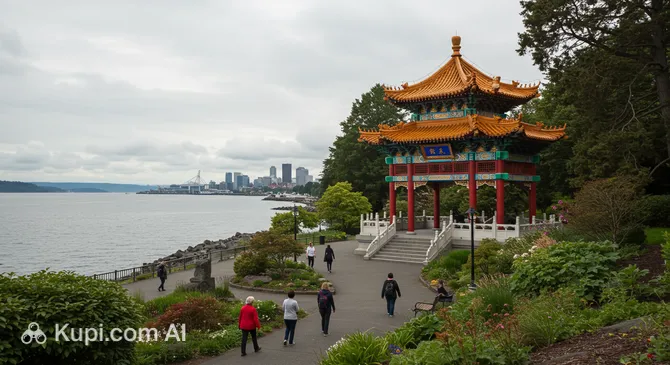
Tacoma Chinese Reconciliation Park. Source: Kupi.com AI

The park is an exquisite example of a Chinese scholar-style garden, where the natural landscape harmonizes with man-made forms. Across nearly 4 acres, visitors will find not just a recreational area, but a cultural space filled with deep meaning and a call for mutual understanding between peoples.

Walking along its paths, you will see traditional pavilions, bridges, and sculptures that tell the story of Chinese immigrants' contributions to the region's development. This site serves as a living reminder of the importance of tolerance and is a key landmark for anyone who appreciates history and landscape art.

Contacts

You can contact the park administration or learn more about current events through the details provided below. The park is managed by city authorities in collaboration with the Chinese Reconciliation Project Foundation.

Address 1741 N Schuster Pkwy, Tacoma, WA 98402, USA
Phone +1 253-330-8828
Website tacomachinesepark.org
Google Maps View on map

What to Do

A visit to the park is more than just a walk; it is a true symbolic journey. Following the interpretive paths, guests can trace the history of Chinese immigrants: from their hopes for the “Gold Mountain” to the harsh trials of the expulsion period. Information panels placed throughout the route help visitors feel the deeper context of every corner.

The architectural highlight is the Fuzhou Ting—a magnificent, authentic pavilion. It was a generous gift from Fuzhou, Tacoma's sister city, as a symbol of friendship and support for the idea of reconciliation. Also noteworthy is the elegant white bridge, the “String of Pearls,” and carved stone figures, each carrying its own aesthetic and philosophical weight.

The park is ideal for meditation and reflection. The calm waters of the bay and the thoughtful landscaping create an atmosphere of serenity, perfect for quiet relaxation. It is an excellent spot for those looking to combine historical exploration with the contemplation of the coastline's natural beauty.

Getting There

Reaching this iconic location is easy. The park is located at 1741 N. Schuster Parkway, at the southern end of the scenic Ruston Way waterfront. This location was not chosen by chance: it is in close proximity to the shoreline where a Chinese settlement known as “Little Canton” once stood.

If you are traveling by private car, parking is provided for visitors. The park is conveniently integrated into the city's road system, and the drive from downtown takes only a few minutes. You can also use taxis or popular ridesharing services.

For those who prefer public transport, it is recommended to use the Pierce Transit bus system, which covers the city's main districts. Additionally, the park is a pleasant walk if you are already on the Ruston Way waterfront, offering lovely views of Commencement Bay.

History & Facts

The park's history is rooted in the difficult times of the late 19th century. Following the passage of the Chinese Exclusion Act in 1882, tensions rose across the country. In 1885, a tragic expulsion of the Chinese population took place in the city, organized by local leaders. This process became known in history as the "Tacoma Method"—a forced expulsion of residents involving threats and ultimatums.

It took over a hundred years for the city to find the strength to acknowledge the mistakes of the past. In 1991, it was proposed to create a cultural park as a symbol of healing and reconciliation. In 1993, the City Council officially recognized the events of 1885 as the “most reprehensible event” in the city's history, reaffirming its commitment to fighting racism and discrimination.

Construction of the memorial complex began in 2005. The project was the result of extensive collaboration between the city and non-profit organizations. Today, this 3.9-acre park serves not only as a place of remembrance but also as an international model of how communities can overcome historical trauma and build a harmonious future.

Time Needed

To take a leisurely stroll through the grounds, examine all the architectural details, and carefully read the information panels, it is recommended to set aside 1 to 2 hours. This is sufficient for a meditative immersion into the atmosphere of the site and reflection on its history.

If your time is limited, the park's main features, including the central pavilion and the bridge, can be seen in 30–45 minutes. However, it is the thoughtful reading of the historical notes along the way that makes a visit truly meaningful.

Working Hours

The park is open to the public daily, allowing guests to choose any convenient time for a visit. The operating hours remain the same throughout the week, including weekends and holidays:

Monday – Sunday: from 06:00 AM to 09:00 PM.

Admission is free, making it an accessible spot for both early morning walks and watching sunsets over the bay.

Nearby

After visiting the park, it is worth spending time at other interesting sites in the area. The Commencement Bay waterfront is rich with historical markers and cozy spots that help you learn more about the region's past and enjoy its atmosphere.

Exploring the surroundings will allow you to see historic mansions, industrial architecture monuments, and picturesque piers located just a few minutes' walk or drive away.

Attraction Distance (km)
Old Town Dock 0.5
Top of the Ocean Historical Marker 0.6
Tacoma's First Hospital Historical Marker 0.6
Rust Mansion 0.9
Bing Crosby's Birthplace 1.1
Fireboat No. 1 1.8
Cushman Substation 2.2
Washington Liberty Bell Replica 3.6
Browns point light house 3.7
Public Dock Access to Thea Foss 4

Reached the end of the page?

That means the route is fully explored