Support

Colonial Williamsburg Capitol

About

Colonial Williamsburg Capitol is an iconic historic building that served as the heart of political life in the Virginia Colony during the 18th century. Located in Williamsburg, USA, the Capitol was erected in the early 18th century, shortly after Williamsburg became the capital of the colony in 1699. Its strategic location directly across from the College of William & Mary emphasized the inseparable link between the political and educational life of the time.
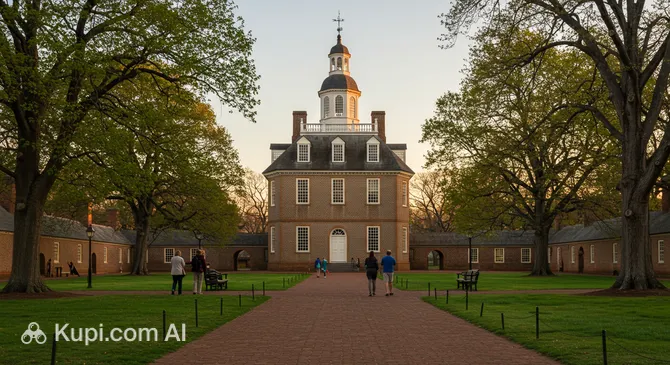
Colonial Williamsburg Capitol. Illustration.
Source: Kupi.com AI

Traveler photos:

Today’s Colonial Williamsburg Capitol is a meticulously recreated reconstruction of the original historic building where political life once thrived. This is where the Virginia legislature sat, including the famous House of Burgesses. Within these walls, Virginia’s elected representatives—white men who held the right to vote in that era—gathered to discuss and make the vital political decisions that shaped the colony's destiny.

This site was not just an administrative center, but a true hotbed of free-thinking and debate. Within the Capitol, ideas were born and heatedly discussed that would later have a significant influence on the course of the American Revolution and the formation of a new independent state. A visit to the Capitol allows you to literally touch the key moments of American history and better understand the origins of American democracy.

Contacts

For up-to-date information on operating hours and visiting conditions of the Colonial Williamsburg Capitol, it is recommended to contact the Colonial Williamsburg Visitor Center. You can also find useful information on the official website of the Colonial Williamsburg open-air museum, of which the Capitol is a part.

How to contactContact
Address500 E Duke of Gloucester St, Williamsburg, VA 23185, USA
Websitewww.colonialwilliamsburg.org

What to Do

Visiting the Colonial Williamsburg Capitol is a unique opportunity to dive into the atmosphere of the 18th century and learn about the political life of colonial America. The primary way to experience this historic site is through engaging guided tours. During these tours, you can walk through the halls where decisions that changed the colony's fate were once made and hear stories about the key figures of that era.

Inside the Capitol, authentically recreated interiors of 18th-century government rooms await you. You can examine everyday objects and view period documents that help provide a better understanding of daily life and political processes in colonial Virginia. The tour route often includes up to 12-15 landmark spots associated with famous figures of American history, revealing the true history of these locations.

Special attention should be paid to the House of Burgesses, where America's democratic traditions began. Here you can learn about the first steps toward self-governance and the debates that shaped the future of the nation. The Capitol is a key attraction within the vast historic complex of Colonial Williamsburg, located in the city of Williamsburg. Visiting it provides a complete and vivid picture of life and governance in the Virginia Colony.

Getting There

Reaching the Colonial Williamsburg Capitol, located in the historic heart of Williamsburg, is quite straightforward. If you are planning a trip by car, the city is approximately 150 miles south of Washington, D.C., and 50 miles east of Richmond. Williamsburg is conveniently located near Interstate 64, providing easy access for travelers by road.

For those who prefer public transportation, there are several convenient options. You can reach Williamsburg by Amtrak train or Greyhound bus. Upon arrival at the train or bus station, you can reach the historic district where the Capitol is located on foot or by using a local taxi. This will allow you to reach your destination quickly and comfortably.

Since the Capitol is part of the extensive Colonial Williamsburg museum complex, the historic district itself is very pedestrian-friendly. Once there, you can enjoy walking along the ancient streets and exploring numerous attractions. Keep in mind that parking in the immediate vicinity of historic buildings may be limited, so arriving by public transport or being prepared for a short walk can be a good solution.

Nearest city: Williamsburg

History & Facts

The history of the Colonial Williamsburg Capitol is inextricably linked with the decision to move the capital of the Virginia Colony from Jamestown. By 1698, the government building in Jamestown had burned for the fourth time, prompting a search for a new, safer location. In 1699, a group of five students from the prestigious College of William & Mary presented a bold plan to the legislature: move the capital to Middle Plantation, a settlement that would later become known as Williamsburg. Their arguments were persuasive: the new location offered access to two deep-water rivers, was considered less prone to epidemics, and, importantly, offered the possibility of building with brick—a material more resistant to fire.

Immediately after Williamsburg received capital status, plans for a new Capitol were developed. The building was erected in the early 18th century and became the heart of the new city, which was planned on a rectangular grid characteristic of that era. From 1699, the Colonial Williamsburg Capitol and the city itself played a key role in all significant historical events of Virginia's colonial period. This was where laws were discussed and passed, policies were formed, and destinies were decided.

In 1722, Williamsburg was officially granted city status, further strengthening the Capitol's importance as the center of the colony's political and social life. Within its walls, vital decisions were made, many of which subsequently had a significant impact on the course of American history and the formation of the future USA. The Capitol served as the center of power for the Virginia Colony until the start of the American Revolution, when the last royal governor, Lord Dunmore, was forced to flee the colony, marking a new era in the region's history.

Time Needed

When planning a visit to the Colonial Williamsburg Capitol, you should allow for 1-2 hours for a full experience of this historic site. This time is generally sufficient to tour the main rooms of the building and soak in its atmosphere.

According to information about tours of Colonial Williamsburg, a standard excursion that includes the Capitol and other significant historic sites usually takes about two hours. During this time, you can see the architecture and interiors and learn interesting facts about the Capitol's history and its role in colonial America. If you wish to study the exhibits in more detail or attend additional events, you may need a bit more time.

Working Hours

Unfortunately, the exact operating hours of the Colonial Williamsburg Capitol are not always strictly fixed and may vary. As the Capitol is an integral part of the large Colonial Williamsburg historic complex, its visiting hours usually correspond to the general schedule of the entire open-air museum. However, it is important to note that hours may be adjusted depending on the season, weather conditions, or during special events and holidays.

To plan your visit, it is strongly recommended to check the current schedule in advance directly on the official Colonial Williamsburg website or at local tourist information centers. It is also a good idea to find out if advance ticket reservations or registration are required, especially if you plan to visit during a popular time of year. This will help you avoid any inconvenience and make your visit as comfortable as possible.

Nearby

Visiting the Colonial Williamsburg Capitol is undoubtedly a highlight, but you shouldn't stop there. Exploring the surrounding area will allow you to immerse yourself deeper in the atmosphere of historic Williamsburg and make your journey even more fulfilling and memorable. Every corner here breathes history, and new discoveries await you at literally every turn.

There are many other interesting sites near the Capitol that will complement your experience and provide a more complete picture of this unique city. From museums to historic buildings, there is something for everyone to enjoy.

NameDistance
Colonial Williamsburg0.3 km
Colonial Williamsburg Courthouse0.6 km
Governor's Palace0.8 km
Art Museums of Colonial Williamsburg1 km
Abby Aldrich Rockefeller Folk Art Museum1 km
The Virginia Beer Company1.1 km
Williamsburg Ghost Tour and Haunted Pub Crawl1.2 km

Have you reached the end of the page?

So the route has been studied inside and out