Support

Rivera

About

Rivera is a fascinating city in the far north of the country, where the state border exists more formally than in reality. This administrative center of the department, with a population of about 64,000, forms a single urban area with the Brazilian city of Santana do Livramento. Here, Uruguay meets Brazil, creating the unique atmosphere of a "dry border" where residents move freely between countries, often speak two languages, and blend the best traditions of both nations.

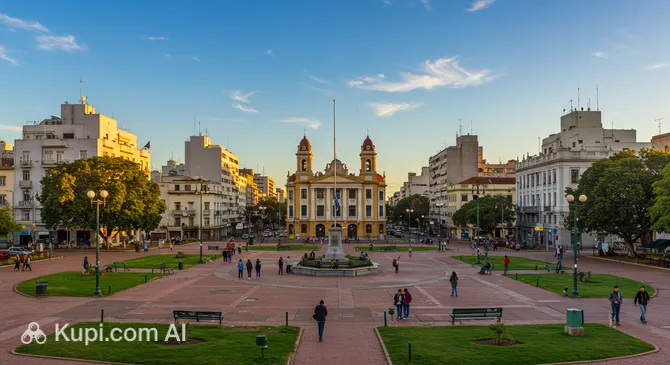
Rivera. Illustration.
Source: Kupi.com AI

Its unique geographical location has turned Rivera into a vital commercial and cultural hub. Tourists are drawn here by the chance to visit two countries in a single stroll, simply by crossing the street. The city is famous for its duty-free shops, vibrant festivals, and colorful markets. The history of Rivera itself is a chronicle of peaceful coexistence and the intermingling of cultures, which is evident in its architecture and the friendly lifestyle of its citizens.

Beyond urban shopping and walks through the famous plaza that divides the city in half, travelers can enjoy the picturesque surroundings and visit nearby nature parks. Rivera is the perfect destination for those seeking authentic experiences and wanting to feel the energy of a true border town, open and welcoming to all guests.

Weather Overview

The climate in this region can be described as moderately warm, with a noticeable difference in temperatures between seasons. To know exactly what weather in Rivera to expect during your visit, it is useful to check the forecast, but general climatic trends here are quite stable.

The hottest period lasts from December to February. In January, the average temperature is about 24.7°C, and during the day, the air often warms up to 30°C. Winter, which falls between June and August in the Southern Hemisphere, brings a noticeable chill. In July, the coldest month, daytime temperatures rarely exceed 17.4°C, and at night, the thermometer can drop to 8.6°C.

Precipitation is distributed relatively evenly throughout the year: on average, there are 8 to 11 rainy days per month, with September and January often being the "wettest." Expect a warm, sometimes hot summer and a cool winter with occasional rain at any time of year, so an umbrella or raincoat in your luggage won't be out of place.

Average monthly temperature

Average monthly precipitation

Interesting Facts

Rivera is a city that knows how to surprise even experienced travelers, hiding many vibrant features behind its commercial facade. Here are a few curious facts that reveal the unique character of this place:

  • Living in two countries. Rivera and the Brazilian city of Santana do Livramento have effectively merged into a single entity. They are separated only by a symbolic line in Plaza Internacional. This is a unique place where you can literally stand with one foot in Uruguay and the other in Brazil without passing through any passport control.

  • Shopping paradise. The city has a special status as a free trade zone, which has made it a mecca for shoppers. Massive duty-free stores attract thousands of tourists, especially from neighboring countries, with a vast range of products and very attractive prices that are significantly lower than usual.

  • Secrets of nature. Very close to the urban bustle lies the Lunarejo Valley (Valle del Lunarejo)—one of the region's most picturesque natural wonders. Here, among hills, canyons, and waterfalls, there are eco-tourism routes that allow you to see rare birds and enjoy the silence of the wilderness.

  • Speed in the blood. Rivera is known for its developed motorsport culture. The local Eduardo P. Cabrera Autodrome regularly hosts spectacular races and auto shows, gathering fans of speed from all over the border region in its stands.

How to Get There

When planning a trip to northern Uruguay, it is worth considering that Rivera is quite far from the capital—about 500 kilometers away. Nevertheless, transport links to the city are excellent, and the journey here can be an adventure in itself. To choose the best route, we recommend reviewing detailed information on how to get to Rivera in advance.

Although the city has its own airport (Presidente General Oscar D. Gestido), regular commercial flights there are infrequent and depend on current airline schedules. Therefore, most international tourists fly into the country's main airport—Carrasco in Montevideo—and cover the remaining part of the journey by land.

The most popular and reliable way to reach Rivera is by bus or car. National Ruta 5 leads here from Montevideo, crossing the entire country from south to north. A journey by car or comfortable intercity bus takes about 6–7 hours. The road is of good quality and offers picturesque views of the local plains.

Main Attractions

Rivera offers travelers a unique set of experiences, combining the urban rhythm of border life with the tranquility of nature reserves. The main point of interest and the city's symbol is Plaza Internacional (International Plaza). It is the only plaza in the world officially divided between two sovereign states. Here, you can literally stand with one foot in Uruguay and the other in Brazil. An obelisk symbolizing the brotherhood of the two nations rises in the center of the square, while life buzzes all around: tourists take photos by the flags, and locals relax by the fountain.

For nature lovers, Parque Gran Bretaña (Great Britain Park), located just 7 kilometers from the city center, is a must-see. This green oasis, recognized as a national historic monument, is ideal for family outings and picnics. The park features a picturesque artificial lake, a small waterfall, and dense forests with local flora. Here, you can escape the hustle and bustle of the shopping streets and enjoy the silence surrounded by nature.

If you are ready to venture a bit further from the city limits, visit Valle del Lunarejo (Lunarejo Valley). This protected natural area is stunning with its landscapes: deep gorges, flat-topped hills, and crystal-clear streams create a breathtaking scene. This place is a true paradise for ecotourism, where you can observe rare birds and explore hidden waterfalls, immersing yourself in the wild beauty of the northern region.

One cannot speak of Rivera without mentioning its status as a commercial capital. The city's main shopping artery, Sarandí Street, attracts thousands of visitors with its duty-free shops. Here, you can find everything from high-end perfumes and electronics to quality local goods. A walk down this street is not just about shopping; it is a true immersion into the atmosphere of a lively border city, where languages, cultures, and aromas blend together.

Local Cuisine

The cuisine of Rivera is a vibrant gastronomic duet where the traditions of Uruguay harmoniously intertwine with Brazilian culinary customs. The proximity of the border erases differences not only on maps but also on plates: a cult of meat and hearty treats prevails here. The true heart of local culinary life is the parrilla—the famous grill used to cook succulent steaks, sausages, and vegetables. Be sure to try the classic asado—beef slow-cooked over coals—or order churrasco to appreciate the Brazilian version of barbecue.

For a quick snack while strolling the shopping streets, pastel—crispy fried pastries with various meat or cheese fillings, popular on both sides of the border—are ideal. Traditional empanadas, which can be found in almost any bakery or street stall, are just as popular. Those with a sweet tooth will enjoy desserts featuring dulce de leche and the abundance of fresh fruits available at local markets.

The drink culture in Rivera has its own unique traits. Locals are never without their gourds for drinking mate—a stimulating herbal infusion. On hot days, the cold version—tereré—is especially popular and very refreshing. The city's gastronomic life thrives not only in restaurants but also at regular fairs and festivals, where farmers offer homemade cheeses, smoked meats, and regional wines.

Travel Tips

Welcome to Rivera! To ensure your journey to this unique "city of two countries" is as comfortable and worry-free as possible, we have prepared a list of useful recommendations. These tips will help you easily navigate the local pace of life, where the traditions kept by Uruguay are closely intertwined with Brazilian flavor.

  1. Clothing and Seasonality. The climate here is changeable: in summer (December–February), you will need light clothing made of natural fabrics, a hat, and sunglasses, as the sun can be very intense. In winter (June–August), be sure to bring a jacket or a thick sweater, as evenings can be quite chilly. Since Rivera is a city for walking, especially around the border area, comfortable shoes are your top priority.

  2. Transport and Getting Around. The city center and the famous border line are best explored on foot—distances here are small. Public transport consists of buses, but tourists rarely use them. For trips to remote areas or when carrying purchases, it is more convenient and faster to take a taxi or use "remises" (private car services). Renting a car only makes sense if you plan to travel out of town, for example, to the Lunarejo Valley.

  3. Finance and Currency. Rivera is an active trading zone, so not only Uruguayan pesos are accepted here, but also Brazilian reais and US dollars. In large shopping malls and duty-free shops, you can easily pay with international bank cards. However, for small purchases at kiosks or street markets, it is better to have some cash on hand.

  4. Health and Safety. Rivera is considered a safe city, but as in any busy tourist spot, you should keep an eye on your personal belongings, especially on the crowded Sarandí Street. Pharmacies (Farmacia) are common, and duty pharmacies operate 24/7. Drinking tap water is not recommended; it is better to buy bottled water.

  5. Communication and Language. The official language is Spanish, but in reality, a unique dialect called "Portuñol" (a mix of Spanish and Portuguese) prevails. Locals understand both languages perfectly. English is not widely spoken, mostly only in large hotels, so download an offline translator or learn a few basic phrases in Spanish. Wi-Fi is available in most cafes, hotels, and shopping centers.

  6. Local Etiquette. Rivera residents are very friendly and open. It is customary to greet people when meeting, even shop assistants (the phrases "Hola!" or "Bom dia!" are appropriate). Life here flows at a steady pace, so don't be surprised if service in a restaurant is unhurried—it's part of the local culture of relaxation.

  7. What to Avoid. Don't leave your documents at the hotel, even if you are just going for a walk. Although the border with Brazil is open and you can freely cross the street, customs services may stop you for inspection when leaving the shopping zone for the interior of the country (especially if you have many purchases). Also, avoid exchanging currency with street money changers—the rate may be unfavorable, and the safety of the transaction is not guaranteed.

  8. Shopping Specifics. Keep in mind the customs limits (allowances) for importing goods if you are traveling further into the country. Many shops close for a siesta in the middle of the day (approximately from 1:00 PM to 3:00 PM), although large shopping centers and duty-free shops usually stay open without a break.

Rivera is a place where borders blur and hospitality becomes a common language for everyone. By following these simple tips, you can avoid minor troubles and fully focus on the pleasure of shopping, delicious food, and the unique atmosphere of this border city!

Entertainment & Nightlife

Nightlife in Rivera is a bright reflection of its unique border status. When the sun goes down, the city transforms, blending Uruguayan tranquility with infectious Brazilian rhythms. The area around the main street, Avenida Sarandí, and the vicinity of Plaza Internacional become the hub for evening strolls. A festive atmosphere prevails here, where the "Portuñol" dialect is heard and music from bars merges into the single hum of a vibrant city.

The undisputed flagship of entertainment in the city is the Rivera Casino & Resort. It is not just a place for gambling but a full-scale entertainment complex attracting guests from both sides of the border. Here, you can try your luck at the gaming tables or simply spend an evening in an elegant setting. Inside the complex, Bar Toscana serves excellent cocktails and appetizers accompanied by live music, creating the perfect setting to start the night.

For those who prefer a more casual and lively atmosphere, Rivera offers a great selection of pubs. One of the most popular spots is Vivo Pub. This establishment is famous for its parties, local band performances, and a wide selection of drinks. People come here to dance and socialize with locals. Another draw is Biza Pub, which often becomes the center of nightlife for young people thanks to its energetic music and laid-back vibe.

Cultural leisure in Rivera also has its own character. During the day and early evening, it's worth checking the schedule at the Teatro Municipal (Municipal Theater). This is the city's main stage, regularly hosting plays, concerts, and dance performances that reflect the region's rich traditions. For fans of speed and adrenaline, the Eduardo P. Cabrera Autodrome may be of interest, as it frequently hosts races that draw large crowds.

When planning an evening out, keep a few practical points in mind. In most establishments, including the casino, the dress code is quite relaxed—smart casual is appropriate everywhere. Nightlife here starts late, with bars filling up closer to midnight. In terms of safety, the city center and tourist zones are well-lit and patrolled; however, for returning to your hotel late at night, it is recommended to call an official taxi or use a transfer service, especially if you are heading away from the main streets.

Parks & Museums

Although many travelers come here for the shopping, Rivera offers much more than just stores. The city and its surroundings boast beautiful green spaces for relaxation and cultural institutions that carefully preserve the history of this unique border region where Uruguay meets Brazil.

The main natural attraction is rightfully considered Parque Gran Bretaña (Great Britain Park). Located a few kilometers from the center, this extensive nature reserve is a national historical monument. Here, amidst the hilly landscape, you can see many local species of trees and shrubs, relax by the artificial lake, or walk to a small waterfall. It is an ideal spot for those who want to swap city noise for birdsong and fresh air.

Within the city, Plaza Flores deserves attention. Unlike the bustling International Plaza, this park offers a more intimate and quiet atmosphere. It is a traditional meeting place for locals, surrounded by greenery and benches, where you can hide from the midday sun and observe the steady pace of city life.

To dive into the region's history, be sure to visit the Regional Heritage Museum (Museo del Patrimonio Regional). The museum's exhibits tell the story of the city's foundation, the lives of the first settlers, and the unique gaucho culture. It houses everyday objects, historical documents, and photographs that help explain how the distinct identity of the border residents, blending the traditions of two countries, was formed.

Art lovers will find the Museum of Plastic Arts (Museo de Artes Plásticas) interesting. Its halls regularly exhibit works by Uruguayan and Brazilian painters, sculptors, and photographers. The gallery serves as an important cultural platform showcasing the creative potential of the region and contemporary artistic trends.

Among the architectural landmarks, the Church of the Immaculate Conception (Iglesia de la Inmaculada Concepción) stands out. This majestic building, located opposite Plaza Artigas, is not only a spiritual center but also an important historical landmark. Its architecture reflects the style of the city's founding era and draws attention with its austere beauty.

For those seeking authentic experiences, we suggest climbing Cerro del Marco (Marco Hill). From here, you can enjoy a panoramic view of the merging of two cities—Rivera and Santana do Livramento. This spot is not as popular with mass tourists, but it is here that you can fully appreciate the scale and unity of this remarkable urban agglomeration.

Getting Around

The public transport system in Rivera is simple and convenient, perfectly matching the steady pace of this border city. There is no complex network of subways or tram lines; buses remain the primary means of transport for locals and tourists. Given the compactness of the center and the shopping zone, many distances are easily covered on foot, allowing you to better feel the unique atmosphere of the "dry border."

City buses run along the main streets and connect the center with residential neighborhoods and the outskirts. The route network is quite clear, and the front windshield usually displays the final stops and key points of the route. Intervals average 15–20 minutes on weekdays, though waiting times can increase on weekends and during the siesta. This is the most budget-friendly way to get from one part of the city to another.

Fares are paid in cash directly to the driver or conductor upon entering. Validators and contactless transport cards are not used here, so it is important for tourists to have cash on hand, preferably in the local currency. We recommend carrying small change, as the driver may not have change for large bills. The fare is fixed and very affordable.

Taxis are widespread in Rivera and can be found at designated stands (paradas) in the center, near the terminal and large shopping centers, or called by phone. This is a reliable and safe option, especially if you are returning to your hotel with purchases or after dark. There are also "remises"—private cars with drivers booked through a dispatcher, which often offer fixed rates.

Special attention should be paid to the specifics of moving within the border zone. Since the city is effectively merged with the Brazilian Santana do Livramento, you might accidentally board a bus or taxi from the neighboring country, where different fares and currency apply. Although drivers often accept money from both countries, the exchange rate may be unfavorable. For trips to remote natural attractions, such as the Lunarejo Valley, public transport is not very suitable, so renting a car is the best solution.

Accommodation

The hospitality sector in Rivera is primarily geared toward shopping tourists and guests wanting to experience the border atmosphere, so the choice of accommodation here is very functional. The city offers a wide range of options: from budget hostels and family guesthouses to comfortable business hotels and apartments. The overall service level is decent, and many establishments offer breakfasts featuring elements of both Uruguayan and Brazilian cuisine.

The most convenient and popular area to stay is the city center, especially the blocks adjacent to the main shopping artery—Sarandí Street—and the famous International Plaza. By staying here, you will be within walking distance of duty-free shops, restaurants, and the border itself. This allows you to walk freely between the two countries without wasting time on transport and return to your room with your purchases at any time.

For those seeking maximum comfort and high-level service, the Rivera Casino & Resort is the main landmark. This luxury establishment offers guests not only spacious rooms and a pool but also direct access to entertainment and the casino. Mid-range hotels in the center also provide good conditions: clean rooms, air conditioning (important in summer), and Wi-Fi, while prices remain very reasonable compared to coastal resorts.

Regarding booking, the rule "the earlier, the better" applies, especially if your trip coincides with weekends or holidays in Brazil and Uruguay. During sales periods and festivals, the best rooms in the center are booked very quickly. Most hotels are listed on international online platforms, but small guesthouses sometimes offer better rates for direct bookings.

The price range in Rivera can be described as moderate. Budget travelers will easily find affordable options, while the cost of staying in 3-4 star hotels will pleasantly surprise you with its value for money. It is worth noting that many hotels accept different currencies (pesos, reais, dollars), making payments convenient for foreign guests.

Nearby Cities

For those who want to explore the surroundings, Rivera serves as an excellent starting point for day trips to several interesting nearby locations:

CityPopulationDistance
Santana do Livramento83 3242 km
Tranqueras7 23538 km
Dom Pedrito38 33983 km
Rosário do Sul39 31494 km
Tacuarembo54 755100 km

Among all the destinations, Tacuarembó particularly stands out—the nearest large city, located just 100 kilometers to the south. It is often called the "land of the gaucho," as the traditions of Uruguayan cowboys are most carefully preserved here. It is an ideal place for a day trip to visit the museum of legendary tango singer Carlos Gardel in the picturesque village of Valle Edén and to stroll by the Laguna de las Lavanderas.

If you are up for a longer journey, Salto is worth your attention. This city is famous for its thermal springs and water parks, such as Termas del Daymán. A trip here allows you to relax in healing hot waters and enjoy the tranquility on the banks of the Uruguay River, providing a great contrast to the busy commercial atmosphere of Rivera.

These nearby destinations offer a glimpse into the diverse culture and landscapes of the region.

Shopping & Souvenirs

Shopping in Rivera is not just about buying goods; it is the main reason for visiting for most tourists. The city is famous for its special duty-free status, which turns it into a real magnet for travelers from Uruguay, Brazil, and Argentina. Here you will find a huge range of high-quality imported goods at prices significantly lower than in other parts of the country. The atmosphere of constant commercial excitement gives the city its unique character.

The heart of Rivera's commercial life is Avenida Sarandí. This main street, stretching through the city center to International Plaza, is an endless series of shops, boutiques, and shopping galleries. Most of the famous "Free Shops" are concentrated here, where you can buy everything from luxury perfumes and cosmetics to electronics, designer clothing, and sports goods. A stroll down Sarandí is a mandatory ritual for every visitor to the city.

For those who prefer modern comfort and scale, large shopping complexes operate in Rivera. Siñeriz Shopping deserves special attention—a massive mall considered one of the largest duty-free shops in the region. Thousands of products are gathered under one roof here, along with a food court and entertainment zones. Another popular location is Melancia Rivera Mall & Freeshops, which offers a combination of shopping with pleasant architecture and relaxation areas.

The flavor of local trade can be felt at the markets and street stalls located near the border line. In the Plaza Internacional area, spontaneous trading often takes place where local artisans offer their crafts. It is a great place to find inexpensive accessories and textiles, and to soak up the spirit of the "dry border," where one country's stalls flow seamlessly into another's territory.

When choosing souvenirs, consider two directions. First, classic items from the free shops: high-quality alcohol (especially whiskey and wine), Swiss chocolate, and perfume. Second, don't forget local Uruguayan products. The region is famous for its semi-precious stones—agates and amethysts—which are mined in the north of the country. Items made of genuine leather, woolen goods, and, of course, a bottle of Uruguayan Tannat wine also make excellent gifts.

Shops in Rivera usually operate from Monday to Saturday. Large shopping centers and many free shops are open without a break, often until late evening and even on Sundays (especially in the morning). However, small private shops on the streets may close for the traditional siesta at lunchtime (approximately from 1:00 PM to 3:00 PM). Uruguayan pesos, Brazilian reais, and US dollars are widely accepted for payment. International credit cards also work without issues at most official retail outlets.

The Tax Free system in Rivera is implemented through the very concept of "Free Shops." These stores are specifically designed for foreign tourists (including Brazilians and visitors from other countries), offering goods without local taxes included in the price at the time of purchase. To make purchases in such places, you may need an ID (passport or DNI) confirming that you are a tourist.
Reached the end of the page?

That means the route is fully explored