Support

Santana do Livramento

About

Santana do Livramento is a colorful and welcoming city located in the far south of the state of Rio Grande do Sul. Its uniqueness lies in its special geographical location: the city is right on the border where Brazil neighbors Uruguay. This place serves as a true cultural bridge where two countries merge into a single space, creating a unique atmosphere of friendship and interaction.

Santana do Livramento. Illustration.
Source: Kupi.com AI

The city is home to about 83,000 people, which allows it to maintain a cozy and relaxed pace of life, highly valued by travelers tired of the bustle of megacities. The climate here is humid subtropical, meaning hot summers and relatively mild, dry winters. The picturesque hills surrounding the city and the well-kept green parks invite long walks and outdoor picnics, allowing you to enjoy the beauty of South American nature.

The main attraction and feature of the city is its virtually non-existent border with the Uruguayan city of Rivera. Tourists can simply cross the street and find themselves in another state, turning an ordinary walk into an international adventure. The multifaceted history of Santana do Livramento is reflected in its ancient architecture and monuments, which harmonize with modern buildings. This city is worth visiting to get acquainted with authentic Gaucho traditions and to experience the amazing symbiosis of two cultures.

Weather Overview

The climate in Santana do Livramento is characterized by a clear change of seasons, allowing tourists to choose their travel time according to their preferences. Summer here is generally hot and humid: in January and February, daytime temperatures often reach a maximum of **30.0°C**, with average values staying around 24°C. This time is great for those who love warmth, although you should be prepared for rain during about a third of the month.

The winter months, from June to August, bring a noticeable cool spell, a reminder of the city's southern location. The average temperature during this period drops to 13–14°C, and at night the air can cool down to **8–9°C**. September stands out as the month with the highest number of rainy days (about 11), while December is one of the driest periods.

Overall, expect a warm summer with occasional rain and cool, relatively dry winters. To choose the perfect dates for your visit and pack your suitcase correctly, we recommend checking the detailed weather in Santana do Livramento before you depart.

Average monthly temperature

Average monthly precipitation

Interesting Facts

Помимо основных достопримечательностей, Сантана-ду-Ливраменту хранит множество увлекательных секретов и культурных особенностей, которые делают этот город по-настоящему уникальным местом на карте Южной Америки.
  • The "Double City" Phenomenon: Santana do Livramento and the Uruguayan city of Rivera form a single urban zone known as the "Border of Peace" (Fronteira da Paz). The border here runs directly through streets and squares, allowing residents and tourists to move freely between the two countries without passport control, just by crossing the road.

  • Gaucho Capital: The city is proud of its status as one of the centers of Gaucho culture. A majestic monument symbolizing the history of South American cowboys is installed here, and annual festivals with traditional dances and music turn the streets into a living stage where the past meets the present.

  • Shopping Without Borders: Thanks to the region's special status, trade flourishes here. Tourists often come for bargain shopping, visiting places like the Siñeriz Shopping Center, where you can find goods from all over the world while enjoying the atmosphere of an international bazaar.

  • Living History Museum: The local Museum of Arts and Crafts (Museu de Artes e Ofícios) houses a unique collection of everyday objects from the first settlers. The exhibition is designed so that visitors can do more than just look at exhibits; they can immerse themselves in the atmosphere of the region's pioneering era through personal stories and photographs.

Siñeriz Shopping. Illustration.
Source: Kupi.com AI

Traveler photos:

How to Get There

When planning a trip to the south of Brazil, it is useful to research all ways to get to the city of Santana do Livramento in advance. This city is located far from the country's main tourist routes, so the journey here often becomes a small adventure of its own, allowing you to enjoy the landscapes of the state of Rio Grande do Sul.

Since there are no major international air hubs in the region, most tourists choose a combined route. The main point of entry is the international airport in the city of Porto Alegre (the state capital), which receives flights from many Brazilian cities and neighboring countries. The distance from Porto Alegre to Santana do Livramento is about 500 km. The most convenient way to cover this distance is by comfortable intercity bus or a rental car; the trip will take approximately 6–7 hours.

It is also worth considering the city's unique geographical location. Santana do Livramento is on the border with Uruguay and forms a single metropolitan area with the city of Rivera. Therefore, an alternative option could be arriving via Uruguay's transport hubs, such as Rivera Airport (if there are suitable flights) or by bus from Montevideo. The local airport in Santana do Livramento itself primarily serves small regional flights, the schedules of which should be checked directly before your trip.

Main Attractions

The attractions of Santana do Livramento are not so much monumental landmarks as they are places reflecting the lively and welcoming character of this border city. The main interest for tourists here lies in locations for gastronomic tourism and bargain shopping, which allow you to immerse yourself in the local rhythm of life.

One of the city's most visited spots is the Siñeriz Shopping Center. This large-scale complex attracts travelers with a huge selection of imported goods. People come here to purchase high-quality electronics, perfumes, cosmetics, and delicacies at attractive prices. Spacious halls and a variety of global brands make this center a real magnet for shopping enthusiasts.

The city's gastronomic scene is also an important part of the tourist experience. To get acquainted with the local cuisine and relax in a pleasant atmosphere, it is worth visiting Texacus Restaurant. This popular establishment is famous for its hospitality and diverse menu, making it an excellent place for both a hearty lunch and evening gatherings with friends.

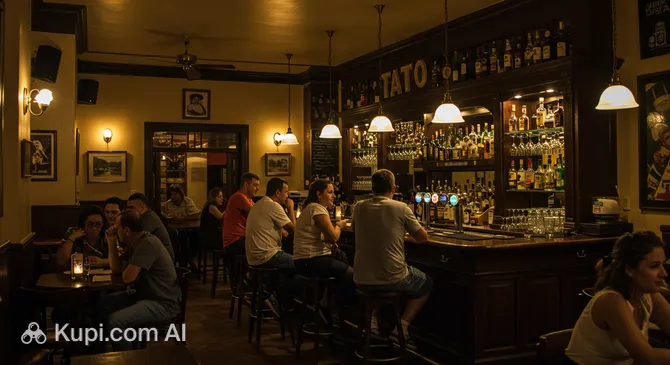
Tato Bar. Illustration.
Source: Kupi.com AI

Traveler photos:

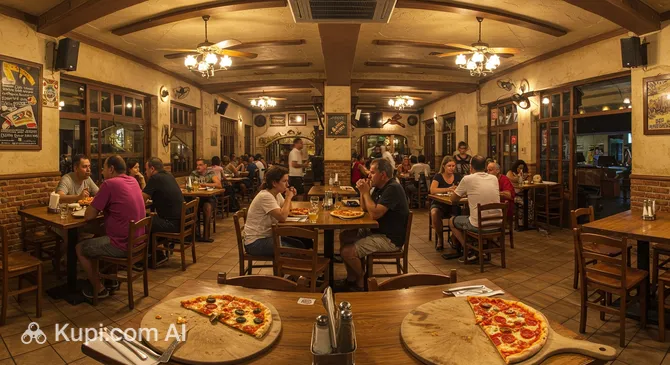
If you are looking for a place with a special atmosphere for evening relaxation, pay attention to Tato's Bar. A casual atmosphere reigns here, conducive to communication and relaxation after walking around the city. For a family dinner or a meeting with lovers of Italian classics, Il Gatto Pizzeria is perfect, offering guests a wide selection of pizzas and a cozy setting.

Local Cuisine

The cuisine of Santana do Livramento is a true feast for foodies, especially for those who cannot imagine life without meat. Traditional Gaucho cuisine reigns supreme here, the heart of which is the famous Brazilian barbecue — "churrasco." In local establishments, you will be offered succulent cuts of beef, masterfully grilled over an open fire, as well as aromatic sausages, pork, and chicken, generously seasoned with regional spices.

A gastronomic walk through the city would be incomplete without tasting simple but delicious street food. At markets and in small family cafes, be sure to try the hearty meat and gooey cheese pies, as well as fresh bread baked here according to old recipes. Dairy lovers will appreciate the local cheeses, the flavor of which was formed under the influence of southern farming traditions.

Il Gatto Pizzeria. Illustration.
Source: Kupi.com AI

Traveler photos:

The drink culture here vividly reflects the city's geographical location on the border of two countries. Locals often start their mornings with hot mate — a tonifying tea made from holly leaves, the drinking of which is an important social ritual. Evenings are usually spent with a glass of Uruguayan wine, which, thanks to the proximity to Uruguay, is represented here in a wide range. Meals often take place in a casual atmosphere: townspeople love to gather in large groups in parks or cozy establishments.

The choice of a place for dinner in the city is quite diverse. To enjoy the atmosphere and hearty dishes, you can stop by Texacus Restaurant, where traditions of hospitality are honored and an excellent menu is offered. If you want to take a break from the abundance of meat and try Italian classics, Il Gatto Pizzeria would be a great choice. Such places turn every meal into a small culinary adventure.

Travel Tips

Welcome to Santana do Livramento — a unique place where the Brazilian soul meets Uruguayan tranquility! To ensure your trip to this amazing "Border of Peace" is as comfortable and carefree as possible, we have prepared a list of useful recommendations to help you feel right at home.

  1. Clothing and Seasonality. The climate here is changeable, so your suitcase contents depend on your travel dates. In summer (December–February), you will need light natural fabrics, a hat, and sunscreen — the sun can be very intense. In winter (June–August), the region is cool, and temperatures can drop below 10°C, so be sure to bring a warm jacket, sweater, and scarf. For walking between the two countries, choose the most comfortable shoes possible, as you will be doing a lot of walking. Don't forget a universal travel adapter (Brazil uses Type N, but others can be found).

  2. Transport Nuances. The city center and the border zone with Uruguayan Rivera are best explored on foot — this allows you to feel the unique atmosphere of the absence of borders. For longer distances, it is convenient to use taxis or popular ride-hailing apps (like Uber). Renting a car makes sense if you plan to visit local wineries or enjoy the pampa landscapes beyond the city limits.

  3. Money and Payment. The official currency is the Brazilian real, but thanks to the proximity to Uruguay, many tourist shops and restaurants may accept Uruguayan pesos or US dollars. However, for small expenses, taxis, and local cafes, it is best to always have cash reals on hand. International bank cards work in most places, but you should notify your bank before your trip. ATMs are available in the city center and shopping malls.

  4. Communication and Internet. The main language is Portuguese, but a unique dialect called "Portuñol" (a mix of Portuguese and Spanish) is widely used here, so knowing Spanish will be very helpful. English is not understood everywhere. For constant connection, we recommend buying a local SIM card (operators Vivo, Claro, TIM) at official stores; a passport is required for registration. Wi-Fi is available in most hotels and cafes, but mobile internet is more reliable.

  5. Health and Safety. Santana do Livramento is a relatively quiet city, but standard precautions are wise: keep an eye on your bags in crowded places and markets. Pharmacies (Farmácia) are easy to find in the center, and some stay open late. Drinking tap water is not recommended; it's better to buy bottled water.

  6. Etiquette and Traditions. The local residents — Gauchos — are very hospitable and proud of their culture. Greetings are often accompanied by a handshake or a kiss on the cheek (among women or opposite-sex acquaintances). If you are invited for mate (a traditional herbal tea), remember an important rule: never stir the straw (bombilla) in the gourd (calabash) — this is considered poor etiquette.

  7. What to Avoid. Avoid getting into heated arguments about football, especially regarding the rivalry between the teams Grêmio and Internacional — it is almost a religion in the state of Rio Grande do Sul. Also, avoid dismissive comments about local barbecue (churrasco); for the region's inhabitants, preparing meat is an art and part of their identity.

  8. Border Shopping. Remember that although the border is open, there are customs limits on importing goods from the duty-free zone into the rest of Brazil. If you plan major purchases in neighboring Rivera or local free shops, check the current quotas beforehand to avoid unpleasant surprises when leaving the city.

Santana do Livramento will give you a unique experience of dual culture, where borders blur and hospitality remains constant. By following these simple tips, you will be able to fully relax and enjoy the color of southern Brazil, delicious meat, and the warmth of the locals!

Entertainment & Nightlife

Nightlife in Santana do Livramento is a unique phenomenon that locals call "entertainment without borders." Thanks to its close proximity to the Uruguayan city of Rivera, evening leisure here flows smoothly from one country to another. The center of attraction is the International Park area and the streets adjacent to the border, where most establishments are concentrated. Here you can start the evening with a Brazilian caipirinha cocktail and continue it dancing to Uruguayan cumbia, simply by crossing the road.

The atmosphere in local venues is democratic and relaxed. You will rarely encounter a strict dress code; casual style is appropriate almost everywhere. The crowd is very diverse: from local Gauchos in traditional hats to tourists and youth. The musical background varies from live performances in the style of sertanejo (Brazilian country) and pagode to international hits. Many bars and restaurants stay open until late at night, especially on Fridays and Saturdays, when the city truly comes alive.

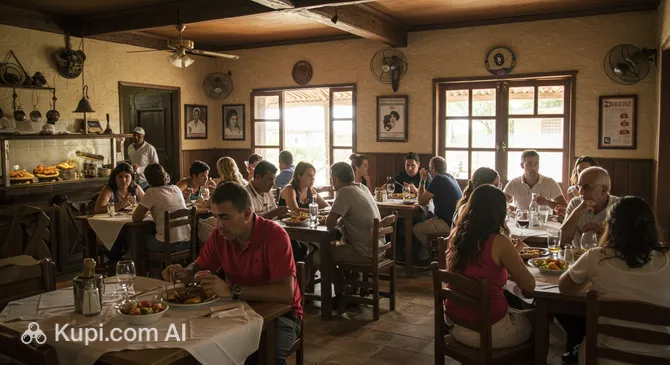
If you are looking for a reliable place to start your evening, it's worth checking out Texacus Restaurant. This establishment is very popular among both locals and tourists due to its extensive menu and lively atmosphere, perfect for long gatherings. For those who prefer a more bar-like setting with drinks and snacks, Tato's Bar is an excellent choice—a colorful spot where groups of friends often gather to discuss news and relax.

Texacus Restaurant. Illustration.
Source: Kupi.com AI

Traveler photos:

For lovers of a quieter evening and delicious late-night food, Il Gatto Pizzeria is recommended. Here you can not only have a hearty dinner of excellent pizza but also enjoy a cozy environment, ideal for ending a busy day. Prices in the city's establishments are quite affordable: the average bill for dinner with drinks is usually lower than in Brazil's major metropolises.

As for safety, the center of Santana do Livramento is considered a relatively quiet area for evening walks, especially in crowded places. However, as in any city, it is better to avoid unlit alleys and outskirts at night. To move between venues or return to your hotel, it is recommended to use official taxis or ride-hailing apps, which work reliably here. This is the most dependable way to reach your destination quickly and safely.

During the day, the city offers more relaxed leisure activities. Travelers can visit local theaters or museums that tell the history of the region, walk through green parks, or go shopping. For example, many tourists combine walks with shopping in places like the Siñeriz Shopping Center, which offers a wide range of goods. Such variety allows everyone to find entertainment to their liking, whether it's a vibrant night or a cultural day.

Parks & Museums

Santana do Livramento offers its guests not only bargain shopping opportunities but also an immersion into the rich history of the region and relaxation in picturesque green zones. The cultural heritage of the city is inextricably linked with Gaucho traditions and a unique symbiosis with neighboring Uruguay, which is reflected in its parks and museum exhibitions.

The main green attraction and symbol of the city is the International Park (Parque Internacional). This unique space has no analogues in the world, as it is located exactly on the border line between Brazil and Uruguay, uniting Santana do Livramento and the city of Rivera. The park serves as a visible embodiment of the "Border of Peace": here you can walk past monuments and fountains, repeatedly crossing the invisible line between the states. It is an ideal place for leisurely strolls, featuring flags of both countries and a monument symbolizing the friendship of the peoples.

For those seeking communion with nature away from the city bustle, Batuva Lake (Lago Batuva) is an excellent choice. This recreational zone is very popular among locals and tourists. The spacious territory around the lake is equipped for picnics, sports, and family vacations. Here you can enjoy fresh air, beautiful sunsets, and a peaceful atmosphere that allows you to relax after a busy day.

The David Canabarro Municipal Museum (Museu Municipal David Canabarro) will help you dive into the region's past. The museum's exhibition is located in a historical building and is dedicated to the memory of one of the leaders of the Ragamuffin War (Revolução Farroupilha), as well as the history of the settlement of these lands. Visitors can see household items, weapons, documents, and photographs that tell about the life of Gauchos and the important events that shaped the character of this border region.

Another important cultural center is the Ivo Caggiani House of Culture (Casa de Cultura Ivo Caggiani). This space often becomes a venue for art exhibitions, literary meetings, and musical events. Visiting this center provides an opportunity to get acquainted with the contemporary art of the region and the work of local masters who draw inspiration from the unique character of the dual city.

If you have the time and a car, we recommend driving to the Cerro de Palomas natural monument. This oddly shaped hill, visible from afar, is one of the natural symbols of the region and offers stunning views of the endless expanses of the pampa, allowing you to feel the true spirit of southern Brazil.

Getting Around

The transport system of Santana do Livramento is fairly simple and straightforward, matching the relaxed pace of life in this small city. There is no metro, tram, or trolleybus system here. The primary and practically only form of public transport is city buses. The route network covers the center, main residential areas, and outskirts, connecting them with the major shopping points and the border zone.

For tourists, using the buses is not difficult, although the schedule may not be as frequent as in major cities. Entry is through the front door. Fares are paid in cash to the conductor (cobrador), who sits at a turnstile inside the cabin, or directly to the driver if there is no conductor. The fare is fixed and quite affordable. We recommend always having small bills and coins with you, as there may not be change for large banknotes.

The most convenient alternative to buses for travelers is taxis and ride-hailing apps (such as Uber or local equivalents). This is especially relevant in the evening or if you are traveling with luggage. Official taxis can be found at special ranks (pontos de táxi) in the city center and at the bus station. Trips around the city are usually inexpensive due to the short distances.

If you plan to visit attractions outside the city, such as the region's wineries or the Cerro de Palomas hill, it makes sense to use car rental services. Rental offices are located both in the center and near the airport. This will give you freedom of movement and the opportunity to explore the picturesque surroundings at your own pace, without being tied to a bus schedule.

An important feature of the city is its pedestrian accessibility, especially in the tourist zone. The center of Santana do Livramento and the famous International Park are best explored on foot. The unique geography allows you to literally cross the street and find yourself in neighboring Uruguay, where the transport system already belongs to the city of Rivera, but taxis can often take you right to the border line.

Accommodation

Santana do Livramento offers travelers various accommodation options suitable for business trips, family vacations, or shopping tours. The city's hotel infrastructure is primarily oriented toward practical tourists coming for cross-border shopping or to experience the region's culture. Mid-range hotels and cozy budget guest houses predominate here, offering a decent level of comfort and breakfasts in the local tradition.

When choosing a place to stay, location is a key factor. The most popular and convenient area is considered to be the Center (Centro). Staying here puts you in the heart of the action: main shops, cafes, and transport hubs are nearby. The main advantage of a central location is its proximity to the International Park and the border with Uruguay. This allows tourists to walk to the neighboring city of Rivera without spending time and money on taxis, which is especially valuable for those planning an active shopping trip.

In addition to classic city hotels, rural tourism is a popular direction in the region. In the vicinity of the city, you can find traditional estâncias (farm estates) converted to host guests. This accommodation option is suitable for those who want to take a break from the city bustle, enjoy the pampa nature, and get acquainted with the life of real Gauchos without giving up modern comfort.

The price range in Santana do Livramento can be described as moderate. The cost of living here is generally lower than in the major tourist centers of Brazil or on the coast. Budget rooms and hostels are available for economical travelers, while more expensive hotels offer additional amenities such as swimming pools or private parking, which is important for those traveling by car.

Regarding booking, a simple rule applies: plan your trip in advance. On weekends and holidays, the city fills up with tourists from other regions and neighboring countries coming for shopping, so the best rooms are quickly taken. Accommodation can be booked through popular international online platforms, although some small family-run pousadas may offer better terms through direct contact.

Nearby Cities

For those who want to explore the surrounding area, Santana do Livramento serves as an excellent starting point for day trips to several interesting nearby places:

One of the most attractive destinations is Alegrete, located about 125 km from the city. This place is considered a true cradle of Gaucho culture, where the traditions and folklore of the region are carefully preserved. It is also worth paying attention to the historic city of Bagé (144 km), known for its beautiful 19th-century architecture and museums telling the state's past. History buffs will also be interested in São Gabriel (131 km), which played an important role in the military events of past centuries and has preserved many monuments from that era.

CityPopulationDistance
Rivera64 4652 km
Tranqueras7 23541 km
Dom Pedrito38 33982 km
Rosário do Sul39 31492 km
Tacuarembo54 755102 km

These nearby destinations provide an insight into the diverse culture and landscapes of the region.

Shopping & Souvenirs

Shopping in Santana do Livramento is one of the main reasons why tourists flock to this border city. Due to its unique geographical location and proximity to Uruguay, a special shopping zone has formed here, attracting bargain hunters from all over Brazil. The city is famous for its wide range of imported goods, from luxury perfumes and electronics to quality drinks and delicacies, all available at duty-free prices.

The heart of commercial life is the border area, where the streets of Santana do Livramento flow seamlessly into the Uruguayan city of Rivera. The main shopping artery on the Brazilian side is Rua dos Andradas. Numerous clothing, shoe, and accessory stores are concentrated here. Walking through this district, tourists often cross the symbolic border, entering the zone of the famous "Free Shops," where the choice of goods becomes truly limitless.

Among the major shopping venues, the Siñeriz Shopping Center holds a special place. It is a true giant of local trade, offering a huge selection of world brands under one roof. The complex attracts buyers with its comfortable environment, spacious halls, and the presence of a food court where you can relax after a shopping marathon. You can find everything here: from the latest gadgets to household goods and toys.

For those looking for authentic local products, city fairs and small markets are of interest. Local artisans offer leather and wool products, which are the hallmark of the Gaucho region. At food markets, it is worth paying attention to farm cheeses, salami, and homemade sweets that reflect the culinary traditions of the south.

As souvenirs from Santana do Livramento, items related to Gaucho culture are most commonly brought back. These could be high-quality leather boots, belts, traditional sheep's wool ponchos, or mate drinking sets (calabashes and bombillas). Local wines are also popular, as the Campanha region is famous for its vineyards, and, of course, Uruguayan sweets like alfajores and dulce de leche, which are sold everywhere.

Shops are usually open from 9:00 AM to 7:00 PM, though it should be noted that some small shops may close for a lunch break (siesta) from 12:00 PM to 2:00 PM. Large shopping centers and free shops often work without breaks and are even open on weekends, especially on Sunday mornings. Brazilian reals, US dollars, and bank cards are accepted almost everywhere. In many places on the border, Uruguayan pesos also circulate freely.

A feature of shopping here is the Tax Free system and duty-free shops. Tourists can purchase imported goods without high taxes, making the prices very attractive. However, it is important to remember the customs quotas for bringing goods deeper into the country. Limits can change, so before making large purchases, it is recommended to check the current rules for carrying luggage through internal control posts.

Reached the end of the page?

That means the route is fully explored