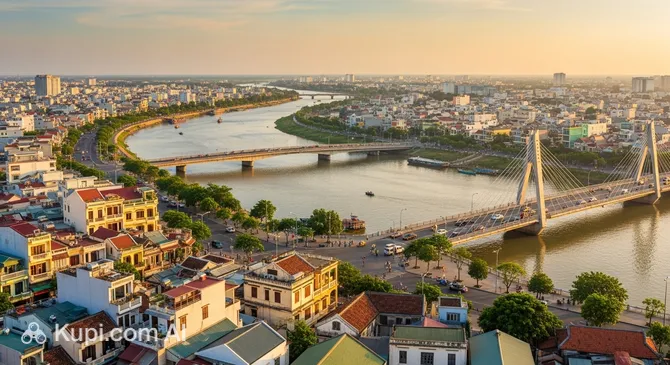
Located in the heart of the picturesque Mekong Delta, Tan An is an important administrative and economic center of southern Vietnam. As the capital of Long An Province, this city is situated just 50 kilometers southwest of bustling Ho Chi Minh City, making it a strategic link between the metropolis and the region's agricultural lands. Despite its status as a major provincial center with a population of over 600,000 people, the city maintains a calm, measured atmosphere, far from the hustle and bustle of popular tourist routes.
Tan An. Illustration.
Source: Kupi.com AI
The city's geographic location on flat terrain surrounded by rivers and canals defines its unique appearance and way of life. Delving into the history and heritage of Tan An allows for a better understanding of how this former transit point transformed into a modern residential and industrial hub. There is no dazzling glitz of skyscrapers here, but there is an abundance of the authentic everyday life of Southern Vietnam, with its colorful markets and administrative quarters.
For the traveler, this city is interesting primarily as an opportunity to see the real, "unpolished" life of the delta. Among the key features are the central square and embankments, where locals gather in the evenings. Visiting this city is an excellent choice for those seeking authenticity and wanting to take a pause during a journey through the country's southern provinces.
Weather Overview
Tan An is characterized by the typical tropical climate of the Mekong Delta, distinguished by high humidity and stable warm temperatures throughout the year. Annual average figures here fluctuate around 27–28°C, and in hot months, the thermometer can rise to the 35°C mark. Expect truly hot weather, which is softened by river breezes and an abundance of vegetation around the city.
There are two distinct seasons in the region: dry and wet. The period from December to April is considered the most favorable for visiting, as rain is rare at this time and the sky most often remains clear. Conversely, from May to November, the rainy season lasts, characterized by heavy but short downpours that usually occur in the afternoon. If you want to know more about how the weather in Tan An changes by month, it's worth checking the forecast before your trip.
The city's flat terrain and proximity to numerous canals contribute to good ventilation; however, during the rainy season, short-term flooding of some road sections is possible. Travelers are recommended to bring light clothing made of natural fabrics and always have sunscreen at hand, as the tropical sun here is very active even on cloudy days.
Average monthly temperature
Average monthly precipitation
Interesting Facts
Tan An holds an honorable 32nd place in population among all cities in Vietnam, being the largest settlement in Long An Province.
The city is located at a unique geographical point, being only 50 kilometers from the country's largest metropolis, Ho Chi Minh City, while maintaining the typical rural landscape of the Mekong Delta in its surroundings.
Despite a significant metropolitan population exceeding half a million people, Tan An still maintains its status as a city of provincial jurisdiction, highlighting its cozy and authentic character.
The building density in Tan An is significantly lower than in neighboring Ho Chi Minh City, making it much more spacious and comfortable for leisurely walks and living.
How to Get There
The transport accessibility of Tan An is due to its proximity to the main southern metropolis of Vietnam. The main flow of travelers arrives here from Ho Chi Minh City, a journey that takes 1 to 2 hours depending on traffic conditions. For tourists, the most convenient way of getting to Tan An is by regular buses departing from the Mekong Bus Station (Chợ Lớn) or via private minivan services.
The nearest major air hub is Tan Son Nhat International Airport (SGN) in Ho Chi Minh City. Upon arrival at the airport, you can use taxi services or book a transfer through an app. A direct trip to Tan An will cost approximately 500,000–800,000 Vietnamese Dong. It is important to note that the QL1A highway connecting the cities can be very busy during peak hours, which may increase travel time.
There is currently no direct rail connection to the city, so land transport remains the only practical alternative. The Mekong River and its network of canals are used primarily for transporting goods and agricultural products, and regular passenger water transport from neighboring provinces is quite rare.
Station
Passenger traffic
Distance
Saigon railway station
13
40 km
Gò Vấp railway station
6
43 km
Biên Hòa railway station
6
65 km
Binh Thuan Railway Station
5
181 km
Phnom Penh railway station
12
199 km
Main Attractions
While Tan An is not a classic tourist center with an abundance of world-class historical monuments, it offers travelers a unique experience of authentic life in the Mekong Delta. The main point of interest here is the Tan An Central Market (Cho Tan An), where you can not only see a diverse variety of tropical fruits and fresh seafood but also feel the true rhythm of provincial Vietnam.
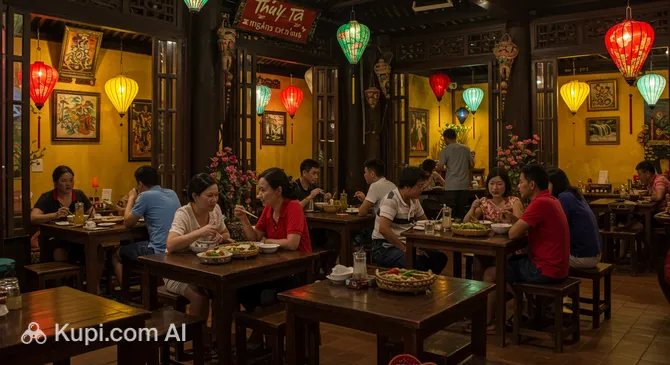
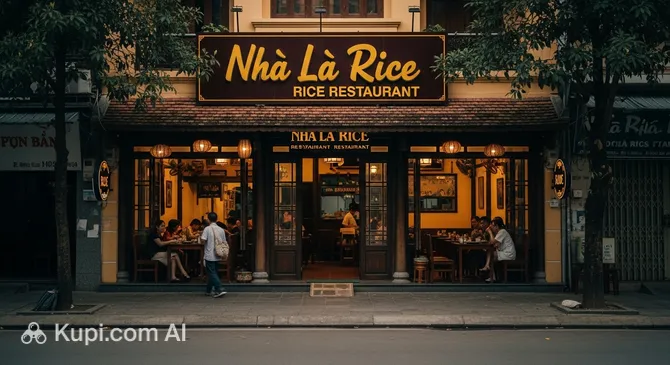
For those who are hungry or looking for a place to relax, the city has cozy establishments reflecting local hospitality. For example, Thuy Ta Restaurant offers guests a pleasant atmosphere, perfect for exploring regional cuisine. If you want to try traditional dishes in a simpler, home-style preparation, it's worth visiting Nha La Rice Restaurant, famous for its attention to detail and fresh ingredients.
Thuy Ta Restaurant. Illustration.
Source: Kupi.com AI
Traveler photos:
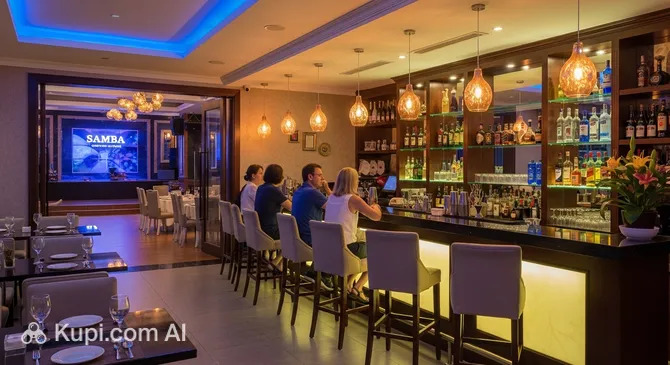
Evening leisure in the city often revolves around central squares and canal bridges, which are beautifully illuminated after sunset. One popular spot for spending time with company is SAMBA Restaurant, Banquet Hall, and Karaoke, where the local leisure culture is revealed in all its glory. Walking along the river channels and watching the passing boats will allow you to feel the very tranquility that makes this quiet corner of the country worth a stay.
Local Cuisine
A gastronomic journey through Tan An is an introduction to the bright and fresh flavors of the Mekong Delta. Local cuisine is famous for using river fish, shrimp, and an abundance of aromatic herbs. One of the region's main hits is ca loc nuong — snakehead fish grilled over charcoal, as well as canh chua, a sweet and sour soup with tamarind that is perfectly refreshing on a hot tropical day.
You can experience the authentic atmosphere in the city's cozy establishments. For example, Nha La Rice Restaurant offers classic rice and seafood dishes characteristic of home-style Vietnamese cuisine. If you are looking for a place for a more formal dinner or relaxation by the water, consider Thuy Ta Restaurant, where you can enjoy a meal in a pleasant setting.
Nha La Rice Restaurant. Illustration.
Source: Kupi.com AI
Traveler photos:
The street food culture in the city is thriving: at markets and small stalls, be sure to try com vit — aromatic rice with duck. As for drinks, no day here is complete without the famous Vietnamese iced coffee with condensed milk (ca phe sua da) or fresh mango juice. Most gastronomic spots are concentrated around the central market and the main embankment, where life doesn't quiet down until evening.
Travel Tips
A visit to Tan An will give you a unique experience of meeting the real Vietnam, and these practical tips will help make your trip as comfortable and safe as possible.
Clothing and Essentials: Choose light clothing made from natural fabrics, as the Mekong Delta is always hot and humid. During the rainy season (May to November), be sure to bring a raincoat or umbrella. When visiting administrative buildings or pagodas, it is advisable to cover your shoulders and knees.
Transport: The best way to get around the city is the Grab app. This will save you from having to negotiate with drivers and ensure a fixed price.
Finance: Always carry Vietnamese Dong (VND) in cash. Cards are only accepted in large hotels or chain establishments; at markets and in street cafes, only cash is used.
Health and Safety: Use mosquito repellent, especially in the evening near the water. Drink only bottled water and keep an eye on your belongings in crowded places, such as the central market.
Communication: English is not widely spoken in the province. Install an offline translator on your smartphone and learn basic phrases: "xin chao" (hello) and "cam on" (thank you).
Local Etiquette: Vietnamese people are very friendly. Greet people with a slight nod of the head. Don't forget to take off your shoes when entering private homes.
What to Avoid: Do not engage in political discussions and try not to show excessive emotion or anger in public places — calmness and restraint are valued here.
Extra Tip: Be sure to visit the central market early in the morning — it's the best time to see the city in its most active and colorful state.
May your journey to this cozy corner of Vietnam be filled only with pleasant discoveries and kind encounters!
Entertainment & Nightlife
Nightlife in Tan An is primarily local and quiet, which is typical for provincial centers in the Mekong Delta. Most activity here winds down quite early, usually by 10:00 PM, so do not expect noisy European-style nightclubs. Nevertheless, locals love karaoke and friendly gatherings, which form the basis of evening leisure in the city.
One of the key places to spend an evening is SAMBA Restaurant, Banquet Hall, and Karaoke. This establishment combines opportunities for a full dinner and musical entertainment, being very popular among the townspeople. Similar karaoke centers can be found on the city's main streets; they always have a cheerful atmosphere, and the service is geared toward large groups of guests.
SAMBA Restaurant, Banquet Hall & Karaoke. Illustration.
Source: Kupi.com AI
Traveler photos:
During the day, entertainment is limited to walks in local parks and markets, as well as trips to nearby delta villages for nature observation. If you miss the dynamics of a metropolis, remember that the vibrant nightlife of Ho Chi Minh City is only an hour's drive away. For safe travel around the city late at night, it is best to use the Grab mobile app or call an official taxi, as public transport stops running by evening.
Parks & Museums
Green zones in Tan An are mainly represented by small squares and cozy walking alleys along canals and riverbanks. The city's main public area is concentrated around the administrative center, where locals like to spend their evenings enjoying the cool air from the water. Although there are no large-scale botanical gardens, the abundance of vegetation in the city's surroundings compensates for the lack of large urban parks.
Museum infrastructure in the city is underdeveloped, as Tan An is more focused on daily life and agriculture than on maintaining large-scale historical exhibitions. The cultural heritage of the region is best explored here by observing traditional crafts and the architecture of local pagodas found in residential neighborhoods. The influence of the river delta is felt everywhere, and the nature around the city serves as a kind of "open-air museum."
For tourists, the most interesting places to relax might be the embankments, where picnic areas and spots for leisurely observation of river traffic are set up. The proximity to the nature of the Mekong Delta allows for quick access to the rice fields and fruit orchards surrounding the city, which is in itself an excellent alternative to classic city parks.
Getting Around
The public transport system in Tan An is primarily represented by a network of bus routes and small-sized minibuses known as xe lam. They connect the city center with the outskirts and neighboring settlements of Long An Province. The cost of a trip is low — usually ranging from 10,000 to 20,000 Vietnamese Dong, making this type of transport the most economical way to get around.
Nevertheless, for tourists, the most convenient and flexible option for moving around remains using motorcycle taxis (xe om) or calling a taxi via the Grab app. If you feel confident behind the wheel, you can rent a motorbike in the city — this will allow you to independently explore the canal banks and rice fields in the surroundings. The city center is compact enough for walking, although you should consider the hot climate and the intensity of traffic on the bridges.
It is important to remember that there are no metros or trams in Tan An, and bus schedules are not always strictly followed. During peak hours, in the morning and evening, traffic jams can occur on main highways and near the central market. If you plan to use buses, be prepared for the fact that route information is most often presented only in Vietnamese, so it is useful to have a map on your smartphone.
Accommodation
Accommodation choices in Tan An are mainly geared toward budget travelers and people on business trips in Long An Province. It is difficult to find luxury five-star resorts here, but the city offers a sufficient number of clean and functional mini-hotels and guesthouses. Prices for standard rooms in the central part of the city usually range between 300,000–500,000 Vietnamese Dong per night.
For a short stay, it is best to choose hotels in the central district, near the market or main administrative buildings. This ensures easy access to dining spots and transport hubs. If you plan to stay in the city longer, you might consider renting apartments, which are popular among expats and are significantly cheaper for long-term bookings.
It is recommended to book accommodation in advance, especially if your visit coincides with Vietnamese public holidays when locals travel actively across the country. At other times, vacant rooms can be found on-site; however, using popular online services will allow you to read real reviews and choose the most suitable option.
Nearby Cities
Tan An serves as an excellent starting point for exploring the picturesque surroundings of the Mekong Delta. Thanks to its location, the city makes it easy to take day trips to neighboring provinces, each possessing its own unique charm and cultural traditions.
One of the most popular destinations is the city of My Tho, located just 19 kilometers away. It is known for its Buddhist temples and the opportunity to take a boat excursion to the four famous islands. It is also worth visiting Ben Tre, which is often called the "coconut capital" of Vietnam. Here you can see how the famous coconut candies are made and walk through shady groves.
For those who want to swap provincial quiet for the noise of a metropolis, Ho Chi Minh City is within reach for a day trip. Exploring small delta towns like Cai Lay or Go Cong will give you unforgettable impressions of real life in the southern region, far from standard tourist routes.
Shopping & Souvenirs
Shopping in Tan An is traditional in character and concentrated mainly in local markets and shopping streets. The primary shopping spot is the Tan An Central Market (Cho Tan An). Here you can find everything from exotic Mekong Delta fruits to everyday clothing and household goods. It is an ideal place to feel the local flavor and purchase fresh products at very reasonable prices.
If you are looking for souvenirs, look for coconut products, for which this region is famous, as well as high-quality local coffee and rice sweets. In the central part of the city, near administrative buildings, there are small electronics and clothing stores. There are practically no modern shopping centers with international brands in the city — for large-scale shopping, residents usually head to neighboring Ho Chi Minh City.
Shops and markets start operating very early, at dawn, and most of them close by evening, except for food stalls. In most places, only Vietnamese Dong in cash is accepted, so it is worth taking care of currency exchange in advance. In large pharmacies or some chain stores, card payments are possible, but this is rather an exception for a provincial city.