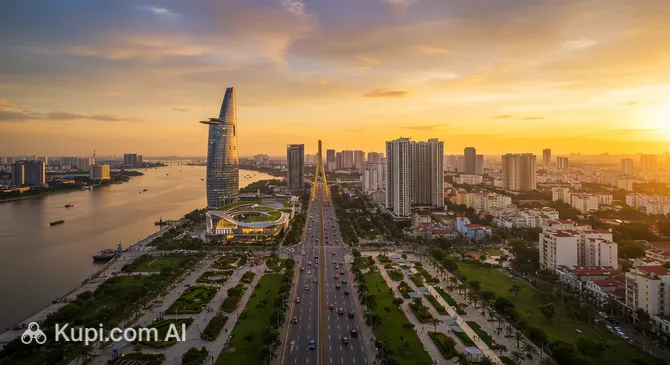
Thu Duc City is a unique and dynamically developing "city within a city," officially becoming part of the Ho Chi Minh City metropolis in early 2021. It combined three eastern districts, transforming into a powerful center for innovation, science, and high technology in Vietnam. Despite its modern status, the city has a deep heritage rooted in the 17th century, when this area began to be actively developed as an important trading hub. If you are interested in the milestones of this region's development, take a look at the city history section.
Spanning over 20,000 hectares with a population exceeding one million, Thu Duc City is a place of striking contrasts. Here, the futuristic skyscrapers of the Thu Thiem district sit alongside quiet ancient pagodas and vast university campuses. Geographically, the city is advantageously situated between the Saigon and Dong Nai rivers, creating pleasant opportunities for river trips and forming a special microclimate.
Thu Duc City. Illustration.
Source: Kupi.com AI
For tourists, the city is primarily attractive for its innovative spirit and cultural diversity. You can visit the Saigon Hi-Tech Park (SHTP), where global giants like Intel and Samsung operate, or spend time in the country's largest "university village." Visiting Thu Duc is a chance to see the future of Vietnam with your own eyes while enjoying traditional hospitality and excellent gastronomy.
Weather Overview
Thu Duc City, like all of southern Vietnam, is characterized by a tropical monsoon climate. The year is clearly divided into two periods: the dry season, lasting from December to April, and the rainy season, which covers the months from May to November. If you are planning a trip, keep in mind that the city's climate ensures consistently high temperatures throughout the year.
In the hottest month, April, the thermometer often rises to 34–35°C, while the average minimum is around 23°C in January. The rainy season brings high humidity and short but very intense downpours, which peak in July and August. Expect very warm weather year-round; the dry period from December to February is considered the best time for long walks, as the heat is less exhausting.
Average monthly temperature
Average monthly precipitation
Interesting Facts
Thu Duc City is not just a new administrative center, but a place with deep roots and an ambitious vision for the future. Here are some fascinating facts to help you get to know this innovation hub better:
The city was named after Ta Duong Minh, an influential 19th-century merchant and philanthropist whose nickname was "Thu Duc." He founded a market here and contributed enormously to the region's prosperity.
Thu Duc is the first example in Vietnam's history of a "city within a city," created in 2021 by merging three major districts to accelerate the digital transformation of the economy.
It is home to a massive "university village" where tens of thousands of students from Vietnam National University, Ho Chi Minh City, study. It is a true intellectual heart of the country with modernist campus architecture.
The city houses the Saigon Hi-Tech Park (SHTP), where global corporations like Samsung and Intel have invested billions of dollars, turning Thu Duc into Vietnam's equivalent of Silicon Valley.
The city's architectural profile combines designs by the great architect Ngo Viet Thu with futuristic "smart" neighborhoods in the Thu Thiem district, built using eco-friendly materials.
How to Get There
Thu Duc City boasts excellent transport accessibility, serving as the eastern gateway to Ho Chi Minh City. Thanks to a developed network of highways and modern bridges, you can reach it from the central business district of the metropolis in just 20–30 minutes. Detailed information on routes and logistics can be found on the how to get to the city page.
The main air hub for guests of the region is Tan Son Nhat International Airport (SGN), located 30–40 kilometers away. From the airport terminals, it is most convenient to reach Thu Duc hotels by taxi or through the Grab app; the trip takes about 45 minutes depending on traffic. Additionally, the new ultra-modern Long Thanh airport is under construction, which will be located even closer to the city borders, significantly simplifying flights in the future.
For those who prefer land transport, the main link is the Ho Chi Minh City railway station. Upon arrival at the station, passengers can use a transfer, bus, or taxi to quickly reach their desired area of Thu Duc. Furthermore, the city is crossed by major expressways connecting it to the industrial centers of southern Vietnam.
Station
Passenger traffic
Distance
Gò Vấp railway station
6
8 km
Saigon railway station
13
11 km
Biên Hòa railway station
6
14 km
Binh Thuan Railway Station
5
138 km
Phnom Penh railway station
12
214 km
Main Attractions
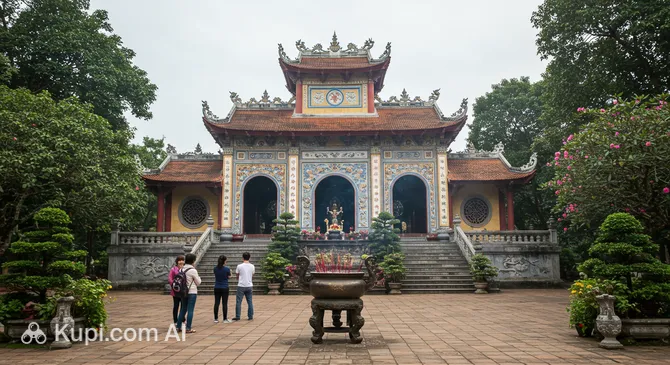
The attractions of Thu Duc City are a wonderful blend of antiquity and modernity. One of the gems of local architecture is the Dieu Phap Buddhist Temple. This site attracts pilgrims and tourists with its peaceful atmosphere and elegant design, offering visitors a space for reflection away from the noise of busy thoroughfares.
Dieu Phap Buddhist Temple. Illustration.
Source: Kupi.com AI
Traveller photos:
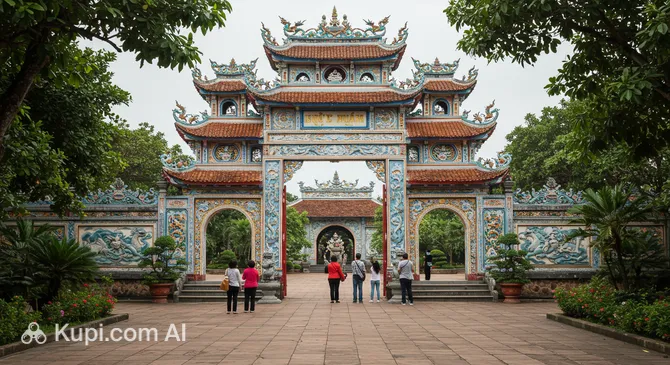
Another iconic religious site is the Buu Quang Pagoda. It is known for its rich ornamentation and cultural significance, serving as a striking example of Vietnamese Buddhist architecture. Walking through its grounds, one can feel a deep connection between the eras and traditions carefully preserved by the local residents.
Buu Quang Pagoda. Illustration.
Source: Kupi.com AI
Traveller photos:
For fans of symbolic landmarks, the Binh Duong Welcome Gate is worth noting. This monumental structure not only serves as an important landmark at the regional border but also symbolizes the city's rapid development and openness to new guests and opportunities. To complete the experience, it is also worth visiting the Thu Thiem area, where the most modern buildings and bridges are being constructed, shaping the new face of the metropolis.
Local Cuisine
The culinary scene in Thu Duc City will delight any foodie with its variety, from authentic street food at local markets to exquisite international cuisine restaurants. Be sure to try traditional pho soup, the freshest spring rolls, and banh mi baguettes. Due to its proximity to the Dong Nai River, local establishments always offer an abundance of seafood prepared with aromatic herbs and spices.
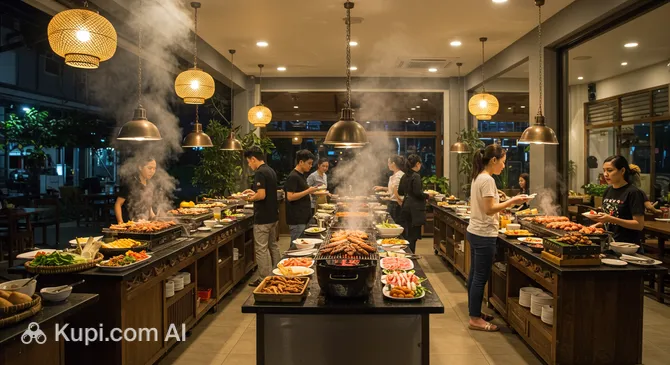
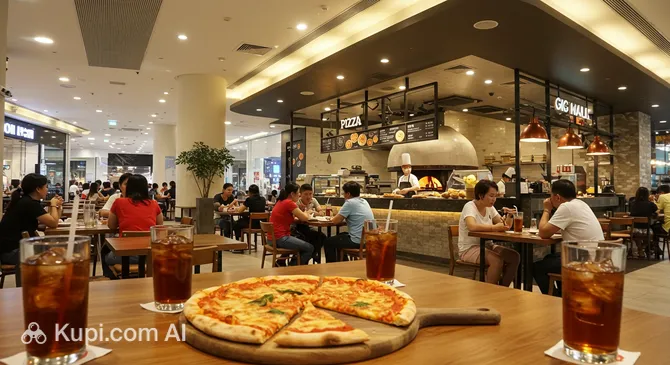
If you want to immerse yourself in the atmosphere of a bustling Asian barbecue, visit Ong Map BBQ Buffet. This is a popular spot among locals where you can grill meat and vegetables yourself. For those who miss European flavors with a modern twist, the Pizzeria in Giga Mall is an excellent choice, known for its quality ingredients and unusual topping combinations.
Ong Map BBQ Buffet. Illustration.
Source: Kupi.com AI
Traveller photos:
The city's food culture is closely tied to its markets, such as the famous Thu Duc Market. This is the best place to try street food and buy fresh tropical fruits. For a drink, be sure to order traditional Vietnamese coffee with condensed milk (ca phe sua da) or a refreshing sugarcane juice. In modern areas like Thu Thiem, more and more vegetarian cafes are appearing, offering dishes based on local pagoda-style cooking traditions.
Travel Tips
Preparing for your trip to Thu Duc City will be easier with our practical recommendations to help you feel confident in this innovation hub of Vietnam.
Clothing and Essentials: Choose light clothing made from natural fabrics, as it is almost always hot in the city. Be sure to bring sunscreen, sunglasses, and comfortable walking shoes. Important: When visiting pagodas (such as Hoi Son), your shoulders and knees should be covered.
Transport: The most convenient way to get around is the Grab app (taxi and motorbike taxi). For trips to central Ho Chi Minh City, use buses or plan your time to avoid peak hours.
Finance: The official currency is the Vietnamese Dong (VND). Credit cards are accepted in shopping malls and large hotels, but always keep cash on hand for markets and street cafes. The 200,000 and 500,000 VND notes look very similar; be careful when paying.
Health and Safety: Drink only bottled water. There are many pharmacies in the city, but it is better to seek serious medical help at international clinics in Ho Chi Minh City. Thu Duc is considered a safe city, but keep an eye on your personal belongings in crowded places.
Communication: The main language is Vietnamese. English is common in hotels and among students in the university zone. Download an offline translator and buy a local SIM card at the airport or mobile stores (Viettel or Vinaphone).
Local Etiquette: Vietnamese people are very friendly. It is customary to remove your shoes when entering a private home or temple. Avoid showing strong emotions or raising your voice in public places.
What to Avoid: Do not point your finger at people—this is considered disrespectful. Avoid using ice in drinks at questionable street stalls unless you are sure it is made from purified water.
Extra Tip: Try to take a tour of Saigon Hi-Tech Park if you are interested in technology—it is one of the most impressive places in the city.
By following these simple rules, you can fully immerse yourself in the atmosphere of Thu Duc City and get the most out of your visit!
Entertainment & Nightlife
Entertainment in Thu Duc City caters to active young people and those who appreciate modern leisure formats. Nightlife here is gradually shifting from the center of Ho Chi Minh City to developing hubs like the Thu Thiem district. In the evening, stylish bars and lounges open here, offering panoramic views of the Saigon River, where you can enjoy cocktails to the sounds of contemporary music surrounded by futuristic landscapes.
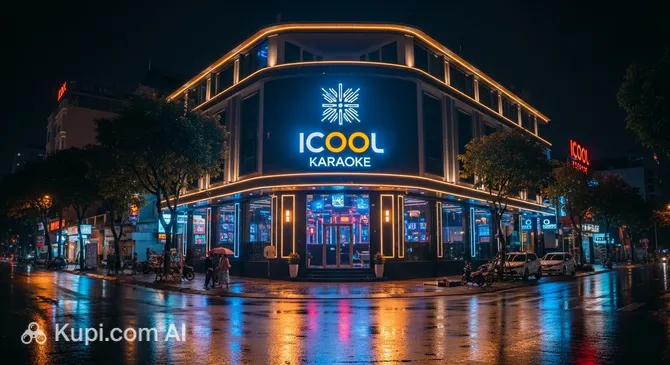
For fans of lively and informal leisure, numerous karaoke clubs—an important part of local culture—are a perfect fit. For example, ICOOL Karaoke and Karaoke on Le Van Viet offer excellent service and professional equipment for those who want to spend an evening with friends. These venues are popular among both local students and tourists.
ICOOL Karaoke. Illustration.
Source: Kupi.com AI
Traveller photos:
If you prefer a quieter but equally atmospheric setting, consider Hieu Hau Sua 2 Sea Bar. Here, you can not only sample the freshest seafood but also feel the rhythm of life in a coastal city. Overall, the city's entertainment scene continues to grow, with new sports facilities like the Rach Chiec National Sports Complex being built and creative spaces developing near university campuses.
Parks & Museums
The parks and cultural spaces of Thu Duc City are closely intertwined with its spiritual heritage. While there are no typical large museum buildings here, there are pagodas recognized as national monuments. The Hoi Son and Phuoc Tuong pagodas, founded in the late 18th century, are essentially "living museums." They house dozens of ancient statues and lacquered panels that tell the story of Buddhism and the development of these lands.
For those who appreciate nature combined with an ecological approach, leisure centers like Tam Da in the Long Phuoc area are of interest. These are green oases where traditional landscapes are preserved within the "smart city" concept. It is also worth strolling through the "University Village"—its open spaces and modernist campuses are architectural landmarks of the 1960s in their own right.
Archaeology enthusiasts will be intrigued to learn about the Ben Do site on the banks of the Dong Nai River. Despite the city's active development, traces of ancient settlements studied by historians have been preserved here. Meanwhile, river trips along the banks of the Dong Nai allow you to enjoy natural landscapes that are harmoniously integrated into Thu Duc's developing urban landscape.
Getting Around
The transport system of Thu Duc City is closely integrated into the overall Ho Chi Minh City network, making travel within and beyond the city quite convenient. Buses form the backbone of public transport. Routes 56 and 88 are the most popular among tourists and students, as they connect key areas of the city, including the Saigon Hi-Tech Park (SHTP) and university campuses.
One of the most anticipated events for transport infrastructure is the launch of Metro Line 1, which will connect Thu Duc with the center of Ho Chi Minh City. This will significantly reduce travel time and make movement even more comfortable. In the meantime, while the metro prepares for its opening, the most popular and fastest ways to get around remain taxis and motorbike taxis. It is recommended to use the Grab app, where you can see the trip cost in advance and choose a convenient type of transport.
For navigating bus routes, it is convenient to use the Moovit mobile app or the local BusMap service. Bus tickets are usually purchased from the conductor for cash. In the "university village" areas, a network of bike lanes is also actively developing, making bicycles or electric scooters an excellent alternative for short trips within campuses and park zones.
Accommodation
When staying in Thu Duc City, tourists most often choose the Thu Thiem district or the vicinity of the university village. Thu Thiem offers modern high-class hotels and apartments with breathtaking views of the Saigon River and the city lights. This is a hub for business activity, and its transport accessibility allows for quick travel between key points in the city.
Budget travelers and students should look into the area near the national university. There is a wide selection of affordable guesthouses and cozy hostels with a vibrant youth atmosphere. Mid-range apart-hotels, such as Avatar Thu Duc, are also popular, providing comfort at a reasonable price.
When planning a trip, especially during the Vietnamese New Year (Tet) or major scientific conferences, it is recommended to book accommodation in advance through international services. Most modern hotels in Thu Duc accept credit cards, while budget options may require cash payment in local currency.
Nearby Cities
Thanks to its advantageous location, Thu Duc City serves as an excellent starting point for exploring the southern part of Vietnam. From here, you can easily reach interesting cultural and industrial centers of the region with very little travel time.
Just a few kilometers away is Ho Chi Minh City, where you should go for colonial architecture, visits to renowned museums, and shopping at Ben Thanh Market. Also worth noting are Di An, which offers a look into the life of a developing industrial suburb, and Bien Hoa, famous for its natural areas and opportunities for short getaways.
Exploring the surroundings of Thu Duc will allow you to see the real Vietnam—energetic, hardworking, and yet retaining its unique charm. Each of these destinations will add new colors to your journey through Southeast Asia.
Shopping & Souvenirs
Shopping in Thu Duc City is a mix of visiting modern shopping and entertainment complexes and colorful local markets. The main magnet for brand lovers and comfortable shopping is Giga Mall. In this modern mall, you can find clothing, electronics, and cosmetics stores, as well as have a great time in the food court or cinema.
For those seeking an authentic experience, Thu Duc Market is a must-visit. This market has historical significance, and it is the best place to buy fresh tropical fruits, Vietnamese spices, and tea. The local atmosphere, the noise of bargaining, and the abundance of exotic goods make it an ideal place for a morning stroll. In the Thu Thiem area, new boutiques and concept stores oriented toward a modern audience are also actively opening.
Giga Mall Pizza Restaurant. Illustration.
Source: Kupi.com AI
Traveller photos:
From Thu Duc, it is worth bringing back traditional souvenirs: silk products, Vietnamese coffee, handmade lacquerware, and bamboo souvenirs. Shops generally operate from 9:00 to 21:00 or 22:00. Large shopping centers readily accept international bank cards, but in markets and small shops, you will definitely need Vietnamese dong in cash.