Support

My Tho

About

My Tho is a true gateway to the wonderful and colorful world of the Mekong Delta, located just 80 kilometers southwest of bustling Ho Chi Minh City. As the administrative center of Tien Giang Province, this city is nestled along the numerous branches and canals of the great river, where life is closely intertwined with the water. The population of My Tho is about 270,700 people, making it an important economic and cultural hub in this region of Vietnam.
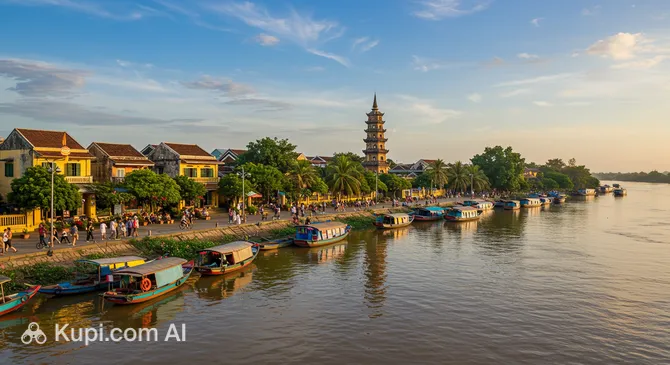
My Tho. Illustration.
Source: Kupi.com AI

My Tho exudes a unique atmosphere of tranquility and tropical charm. Life here flows steadily, much like the waters of the Mekong, and is imbued with a touch of Asian exoticism. The city harmoniously combines traditional Vietnamese features with a legacy of its French colonial past: here you can see ancient temples, colorful floating houses on stilts, lively markets, and well-kept boulevards.

My Tho is famous primarily as a starting point for fascinating river cruises through the Mekong Delta. Tourists come here for authentic experiences: taking a trip on a traditional sampan boat through narrow canals, learning about the daily life of locals in water-bound villages, and tasting the freshest tropical fruits and exquisite seafood. Key attractions include the Vinh Trang Pagoda, known for its unique architecture, and delta islands such as Phoenix Island or Unicorn Island, where you can discover local crafts and try coconut sweets.

If you dream of seeing the real, non-touristy Vietnam, breathing in the humid fragrance of fruit orchards, and hearing the slow melody of the Mekong, then My Tho will undoubtedly be a true discovery for you and provide unforgettable memories.

You can find more interesting facts on the history of My Tho page.
Weather Overview

The weather in My Tho is characterized by a warm tropical climate year-round. Average annual temperatures fluctuate from 23°C to 33.6°C. The hottest months are April and May, when the average maximum temperature reaches 33-33.6°C. The coolest months are December and January, with an average minimum temperature of around 23°C.

The city experiences a distinct dry season from January to March, when precipitation is minimal (0-1 mm) and the number of rainy days is low (3-6 days). Starting in April, the amount of precipitation and the number of rainy days begin to increase, reaching a peak during the rainy season, which usually lasts from May to October. During this period, the highest amount of rainfall occurs (up to 11 mm in October), and the maximum number of rainy days is observed (up to 29 days per month). November and December are transition months with a gradual decrease in rainfall. You can learn more about the climate of My Tho on a dedicated page.

Average monthly temperature

Average monthly precipitation

Interesting Facts

In addition to its picturesque canals and lively markets, My Tho holds many surprising stories and features that make it a truly unique place in the Mekong Delta.

Vinh Trang Pagoda. Illustration.
Source: Kupi.com AI

Traveler photos:

  • The city of My Tho was founded in the late 17th century by Chinese settlers from Taiwan. For a long time, it was considered one of the largest ports and most important trading centers in southern Vietnam, playing a strategic role, especially during the French colonial period.

  • The name "My Tho" translates from Vietnamese as "beautiful reed." This is due to the thickets of reeds that historically surrounded the city. Additionally, many traditional houses here are built on stilts directly over the numerous canals that thread through the city.

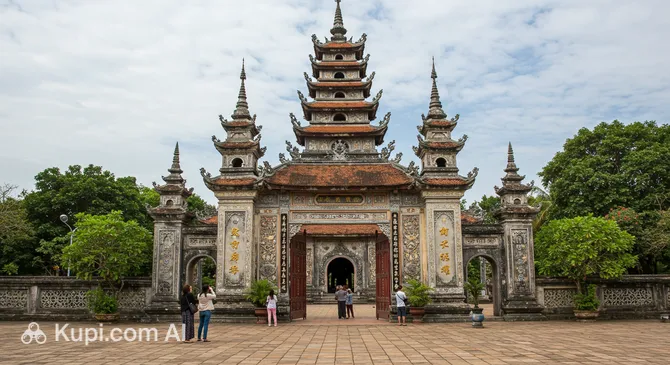
  • One of the city's gems is the Vinh Trang Pagoda, built in the 19th century. This is not just a beautiful temple complex combining Asian and European architectural styles, but also a peaceful oasis surrounded by picturesque fruit orchards.

  • My Tho and its surroundings are famous for their rich fruit orchards. It is from here that some of the sweetest and juiciest longans, mangoes, jackfruits, and rambutans in Vietnam are supplied. During the harvest season, tourists can even taste fresh fruit straight from the trees during excursions.

  • In the vicinity of My Tho, you can visit not only traditional coconut factories, where they show the entire coconut processing cycle, but also quite exotic places such as snake and crocodile farms, which attract thrill-seekers.

How to Get There

Although the city of My Tho does not have its own airport, getting here is quite simple thanks to the well-developed transport network of southern Vietnam. The city serves as an important transport hub in the Mekong Delta, and it is easy to reach by land or water. If you are planning a trip, we recommend checking all the ways to get to the city to choose the most convenient route.

Most international tourists arrive at Tan Son Nhat International Airport (SGN), located in Ho Chi Minh City. This is the country's largest air gateway, receiving flights from all over the world. The airport is located about 60 km from My Tho. The journey by taxi or intercity bus will take about 1.5–2 hours depending on traffic. This is the most popular and reliable option for starting your journey.

An alternative option could be Can Tho Airport (VCA), located in the city of Can Tho, approximately 76 km from My Tho. This airport is convenient for those already traveling within Vietnam or arriving from neighboring countries in the region. The drive from there to My Tho will take about 2 hours.

For clarity, here is summary information for the main airports:

AirportPassenger trafficDistance
Tan Son Nhat International Airport41 mln59 km
Can Tho Airport1.3 mln76 km
Ca Mau Airport200 000185 km
Con Dao450 000185 km
Phnom Penh International Airport2.5 mln209 km

There is no direct rail connection to My Tho, as the city lacks a train station. The nearest major station is in Ho Chi Minh City. Therefore, after arriving by train in Ho Chi Minh City, tourists need to transfer to a bus, taxi, or book a transfer to cover the remaining 70 kilometers to My Tho. Bus connections between the cities are excellent: comfortable buses depart regularly from the Mien Tay bus station in Ho Chi Minh City.

Main Attractions

My Tho, a charming city in the heart of the Mekong Delta, offers travelers a unique opportunity to immerse themselves in the culture and life of Southern Vietnam. There are several interesting places here that allow you to get to know this colorful region better.

One of the city's main gems is the Vinh Trang Pagoda. This magnificent Buddhist temple, built in the 19th century, impresses with its architectural style, which whimsically intertwines Eastern and Western motifs. Visitors can spend hours admiring the exquisite wood carvings, bright ceramic mosaics depicting scenes from Buddhist legends, and several impressive Buddha statues, including a large reclining Buddha statue. The pagoda is not only an important pilgrimage site but also a true work of art.

Vinh Trang Pagoda. Illustration.
Source: Kupi.com AI

Traveler photos:

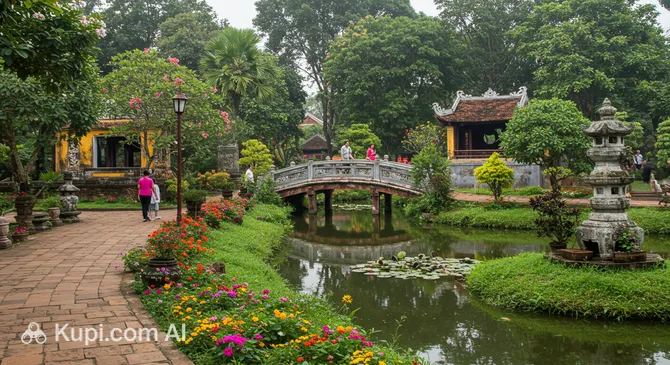
If you want to enjoy the peace and beauty of nature, be sure to visit the Man Dinh Hong Garden. This well-maintained and picturesque spot is perfect for leisurely walks and a break from the city bustle. Here you can admire a variety of flowers and decorative plants, as well as take beautiful souvenir photos. The garden is a popular holiday destination for both tourists and locals.

Man Dinh Hong Garden. Illustration.
Source: Kupi.com AI

Traveler photos:

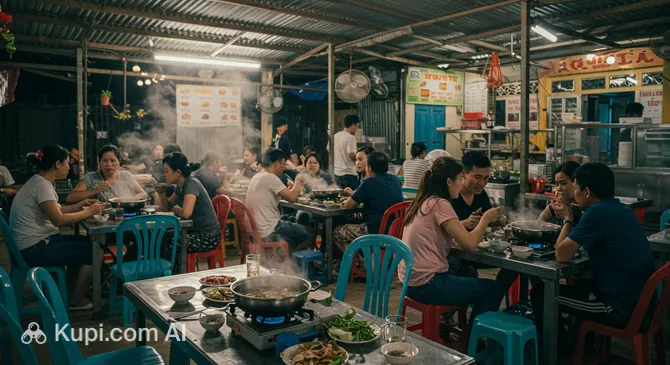
To get a complete picture of My Tho, you cannot overlook the local cuisine. Stop by Ut Cuong — Delta Hot Soup to try an authentic dish of the region – a rich and flavorful hot soup made from the freshest local ingredients. This is not just a meal, but a true gastronomic adventure that will introduce you to the culinary traditions of the Mekong Delta.

Ut Cuong Mekong Delta Hotpot. Illustration.
Source: Kupi.com AI

Traveler photos:

Local Cuisine

My Tho is a true gastronomic paradise for those who appreciate the freshness and authentic flavors of Vietnam. The cuisine of this city in the Mekong Delta is famous for dishes that are sometimes hard to find in other regions of the country, offering a unique culinary experience.

The main star of the local cuisine is undoubtedly hu tieu (hủ tiếu) soup. This is a rich meat broth with thin rice noodles, served with various toppings: from fresh seafood and pork slices to aromatic herbs and piquant spices. Hu tieu is not just a dish, but a gastronomic symbol of My Tho, with a taste that is remembered for a long time. To try an authentic version, you can visit Ut Cuong — Delta Hot Soup, which specializes in this dish.

The markets of My Tho are literally bursting with an abundance of exotic fruits. Juicy mangoes, sweet longans, unusual rambutans, and fragrant jackfruits – all this can be tasted in its freshest form. A special local delicacy is grilled bananas, which are generously drizzled with coconut oil here, giving them a delicate creamy note. Seafood lovers will also not be disappointed: markets and street stalls serve the freshest shrimp, fish, and mussels.

As for drinks, in My Tho, as in all of Vietnam, freshly squeezed tropical fruit juices, refreshing sugarcane juice, and, of course, the famous Vietnamese coffee are popular. Among alcoholic beverages, you can find local beer and rice wine. Don't forget to try the famous coconut candies – a sweet souvenir produced in local factories that has become another symbol of My Tho.

The food culture in My Tho is very democratic. Locals and tourists alike enjoy eating both in small family restaurants and right on the street, where numerous stalls offer a variety of snacks and main courses. Markets also play an important role, being not only a place to buy the freshest products but also serving as a kind of food court. The city's gastronomic scene is a vibrant combination of fresh ingredients, unique regional recipes, and hospitality that makes a culinary journey to My Tho truly unforgettable.

Travel Tips

Welcome to My Tho, a charming city in the Mekong Delta! To ensure your journey through this colorful corner of Vietnam goes smoothly and leaves only pleasant impressions, we have prepared some practical tips.

  1. Clothing and Essentials:

    A tropical climate prevails in My Tho, so it is hot and humid year-round. Bring light, breathable clothing made of natural fabrics such as cotton or linen. Don't forget a hat, sunglasses, and high SPF sunscreen to protect against the scorching sun. Comfortable shoes, such as sandals or light sneakers, are absolutely necessary, especially if you plan on walks and boat excursions on the Mekong. When visiting local pagodas and temples, choose clothing that covers your shoulders and knees as a sign of respect for local traditions. A universal adapter for charging your devices may also come in handy.

  2. Transportation in the City:

    For getting around My Tho, tourists most often use motor-taxis (xe om) or regular taxis. We recommend always agreeing on the cost of a motor-taxi ride in advance or making sure the taxi meter is on. For exploring the picturesque islands of the Mekong Delta, boat tours are very popular – they can be booked at local travel agencies or directly on the embankment. Public buses exist in the city, but they might not be the most convenient option for tourists due to the language barrier. Car rental is usually not required within the city itself.

  3. Finances and Currency:

    The official currency of Vietnam is the Vietnamese Dong (VND). You can exchange currency at banks or authorized exchange offices in My Tho. Credit cards are accepted in large hotels, some restaurants, and shops; however, cash remains the preferred means of payment, especially in markets and small establishments. ATMs are quite common. Tipping is not strictly mandatory but is always welcome for good service (usually 5-10% in restaurants, and a small amount for guides and drivers).

  4. Health and Safety:

    Pharmacies (in Vietnamese "nhà thuốc") are available in My Tho, but the range of medicines may differ from what you're used to, so bring a necessary set of medications with you. It is recommended to have travel medical insurance. My Tho is generally considered a safe city for tourists. Nevertheless, stick to standard precautions: watch your belongings in crowded places, especially at markets and in transport, and do not leave valuables unattended. Drink only bottled water and wash fruits thoroughly before eating.

  5. Language and Communication:

    The official language is Vietnamese. In tourist areas, hotels, and some restaurants, staff may speak English, but outside of these, communication can be difficult. It will be very helpful to learn a few basic phrases in Vietnamese, for example: "Xin chào" (seen chow) – hello/goodbye, "Cảm ơn" (gam un) – thank you, "Bao nhiêu tiền?" (bao nyew tyen?) – how much does it cost? A local SIM card with internet access can be easily purchased upon arrival. Wi-Fi is widely available in most hotels, cafes, and restaurants.

  6. Local Etiquette and Traditions:

    Vietnamese people are hospitable. When greeting locals, a slight nod and a smile are sufficient. Handshaking is also common, especially when interacting with men. Try to behave reservedly in public places. When visiting temples and pagodas, show respect: remove your shoes before entering prayer halls and do not turn your back to Buddha statues. Always ask permission before taking photos of local residents, especially elderly people and children.

  7. What to Avoid:

    To avoid misunderstandings and not offend locals, do not touch people's heads (especially children), as the head is considered sacred in Vietnamese culture. Also, avoid pointing at people or objects with your foot – this is considered extremely impolite. Try not to raise your voice or demonstrate anger or irritation publicly, as this can be perceived as "losing face."

  8. Special Tip for Foodies:

    While in My Tho, be sure to try the local culinary masterpiece – "hủ tiếu Mỹ Tho" soup. This hearty and fragrant dish of rice noodles with pork, shrimp, and fresh herbs is a true hallmark of the city. Also, don't miss the chance to enjoy the incredible variety of fresh tropical fruits for which the Mekong Delta is so famous – they can be bought at colorful floating markets or from street vendors.

We hope these tips help you better prepare for your trip and get the most out of your stay in My Tho. This amazing city in the heart of the Mekong Delta will certainly enchant you with its authentic atmosphere, picturesque landscapes, and the hospitality of its locals!

Entertainment & Nightlife

Nightlife in My Tho offers travelers a more peaceful and authentic experience rather than the loud, all-night parties typical of large metropolises. Evenings here are spent in a relaxed atmosphere, allowing you to enjoy the charm of the Mekong Delta after sunset. The city is not famous for an abundance of nightclubs or fashionable bars, but that doesn't mean there is nothing to do after dark.

The main evening activity is concentrated along the Mekong River embankment and on the adjacent central streets. Here you can find many local cafes and restaurants where both locals and tourists gather. The atmosphere is usually very friendly and casual. Instead of loud music and dancing, you will find cozy get-togethers, delicious food, and the opportunity to observe the slow pace of local life. There is usually no dress code – comfortable casual clothing is quite appropriate.

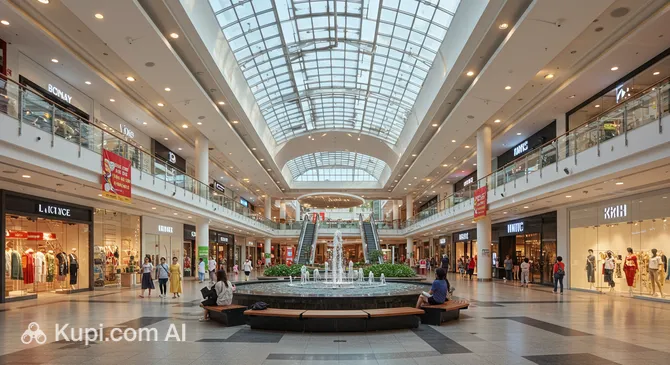
If you are looking for a place to have dinner, pay attention to establishments offering local cuisine. One such place is the Ut Cuong — Delta Hot Soup restaurant, where you can try traditional Vietnamese soups and other regional delicacies. For evening leisure, you can also consider shopping centers such as GO! My Tho or Mart My Tho. They can offer evening shopping opportunities, food courts, or other entertainment. In addition to restaurants and shopping centers, numerous street food stalls and small family cafes offering fresh juices, coffee, and light snacks are popular. Although there are few large nightclubs in My Tho, you can sometimes find karaoke bars, which are a popular pastime among Vietnamese people.

GO! My Tho. Illustration.
Source: Kupi.com AI

Traveler photos:

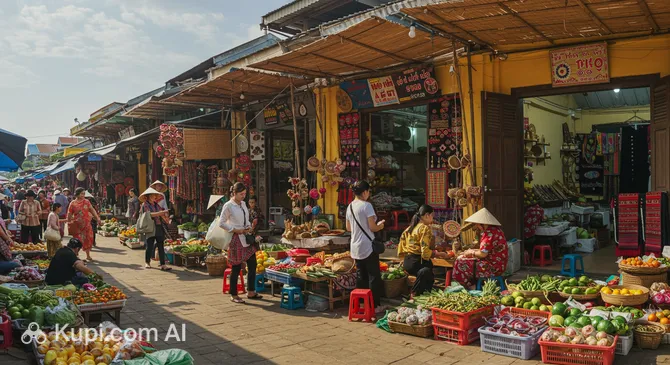
Evening markets are another characteristic feature of Vietnamese cities, and while they may not be as large-scale in My Tho as in Ho Chi Minh City, it is worth strolling through the local stalls if they are open in the evening. Here you can find fresh fruit, local sweets, souvenirs, and inexpensive clothing. It's a great place to immerse yourself in the local flavor and make a few purchases. Some retail outlets may also be located near the mentioned shopping centers, such as Mart My Tho, expanding the options for an evening stroll.

My Tho Mart. Illustration.
Source: Kupi.com AI

Traveler photos:

When planning your evening leisure, keep in mind that most establishments in My Tho close earlier than in major tourist centers, usually around 10:00 PM – 11:00 PM. Prices in cafes and restaurants are very affordable. To get around the city in the evening, you can use taxi services or motor-taxis (xe om). It is recommended to use official taxi companies or ride-hailing apps if available.

My Tho is considered a relatively safe city; however, as everywhere, you should take basic precautions: do not leave valuables unattended and avoid poorly lit or deserted streets late at night. Walks along the central streets and the embankment in the evening are usually safe and pleasant.

During the day, My Tho offers other interesting activities. You can visit cultural attractions such as the famous Vinh Trang Pagoda or stroll through picturesque locations like the Man Dinh Hong Garden. While the city may not have large theaters or European-scale amusement parks, its charm lies in its peaceful atmosphere and the opportunity to get to know the culture and lifestyle of the Mekong Delta region.

Man Dinh Hong Garden. Illustration.
Source: Kupi.com AI

Traveler photos:

Parks & Museums

My Tho, a charming city in the Mekong Delta, offers its guests not only picturesque river landscapes but also the opportunity to relax in shady parks and touch the rich cultural heritage of the region.

For those seeking seclusion in nature or simply a pleasant place for a walk, My Tho offers several green corners. Special attention should be paid to the Man Dinh Hong Garden, which is famous for its bright flower arrangements, especially during the Tet (Lunar New Year) celebrations. This is a wonderful place for photo sessions and getting acquainted with Vietnamese garden art, where you can enjoy a riot of colors and scents.

In addition, like in many Vietnamese cities, you can find public parks in My Tho, often located along the embankment. These green zones, often named after national heroes or significant events, are ideal for evening strolls, observing the daily life of citizens, and enjoying the fresh river breeze. Here you can see locals exercising, relaxing with families, or simply socializing.

To gain a deeper understanding of the history and culture of this region of Vietnam, it is worth visiting the Tien Giang Provincial Museum. The museum's exhibits usually cover a wide range of topics: from archaeological finds and the ethnography of local ethnic groups to heroic pages of history and the natural wealth of the Mekong Delta. This is an excellent opportunity to learn more about the traditions and daily life of the inhabitants of this fertile land, and to see antiques and unique artifacts.

Besides the main provincial museum, My Tho, like many cities in the Mekong Delta, offers more informal ways to explore local culture. Instead of large art galleries, you can find small craft workshops here, where traditional techniques are demonstrated, such as making coconut candy or rice paper. Sometimes, small exhibitions of folk art or photographs reflecting the life of the region may be organized at these workshops or in local communal houses. This allows for a deeper immersion into the authentic atmosphere and a view of culture in its everyday manifestation.

One of the most iconic sights of My Tho is certainly the Vinh Trang Pagoda. This is not just a religious site, but a true architectural masterpiece that harmoniously combines Eastern and European styles. Its magnificent facades decorated with ceramic mosaics, carved details, and peaceful atmosphere attract many visitors. Inside, you can see impressive Buddha statues and enjoy the silence and tranquility of this holy place.

In addition to well-known tourist spots, do not miss the opportunity to explore the less obvious corners of My Tho. Look into one of the lively local markets, where you can feel the true flavor of the city and try fresh exotic fruits. An evening stroll along the My Tho riverbank, when the daytime heat subsides, will also give you authentic impressions and beautiful views of the river and passing boats.

Getting Around

Navigating My Tho is quite simple thanks to the variety of available transport modes. The city is not very large, so many distances can be covered on foot, especially in its central part. However, for longer trips or exploring the surroundings, you will find local transport options useful.

The main form of public transport in My Tho is local buses. They run on specific routes, connecting different areas of the city and nearby settlements. Schedules may not always be precise, and fares are usually paid in cash directly to the conductor or driver. The cost of travel is low.

Motor-taxis (xe om) are very popular in My Tho, as they are throughout Vietnam. This is a fast and maneuverable way to travel short distances. Always agree on the price of the trip with the driver in advance, before getting on. This will help avoid misunderstandings. Motor-taxi drivers are easily recognizable and often wait for customers at busy intersections and near tourist sites.

Given My Tho's location in the Mekong Delta, water transport plays an important role. Numerous boats and launches offer excursions along the river, to the islands (for example, to Thoi Son Island), and to floating markets. This is less of a public transport system in the classic sense and more of a tourist service, but it allows you to reach many interesting places. Tickets for such trips are purchased at the piers or from tour operators.

As an alternative to public transport, you can use taxi services. They are more comfortable but also more expensive. Make sure the driver turns on the meter or agree on a fixed price before starting the trip. In some Vietnamese cities, ride-hailing apps for taxis and motor-taxis (such as Grab) are popular, which can be a convenient option with transparent pricing; it is worth checking their availability in My Tho upon arrival.

For independent travelers, bicycle and motorbike rentals are available. This is a great way to explore the city and its picturesque surroundings at your own pace. Rental points can be found in tourist areas and at hotels. When renting a motorbike, make sure you have the appropriate category of driver's license and don't forget your helmet.

The fare payment system is primarily based on cash transactions. Generally, there are no specialized travel cards or unified transport apps for all public transport in My Tho. Therefore, always carry small bills for convenient payment. Public transport usually operates from early morning until evening, but exact working hours can vary depending on the route and the day of the week.

Accommodation

In the city of My Tho, located in the Mekong Delta, tourists will find a variety of accommodation options to suit different budgets and preferences. The main choice is represented by guest houses (nha nghi), small mid-range hotels, and budget options. There are few luxury resorts here, as the city is more focused on an authentic experience and immersion in local culture.

Most accommodation options are concentrated in the central part of My Tho, providing convenient access to main attractions such as the Vinh Trang Pagoda, the Mekong River embankment, and local markets. Staying in the center also makes it easier to organize excursions along the river and to the islands. Some hotels and guest houses may be located along major transport arteries, which is convenient for those traveling with their own transport or planning frequent trips out of the city.

When planning a trip to My Tho, especially during popular tourist seasons, it is recommended to book accommodation in advance. This will allow you to choose the best option in terms of price and quality, as well as avoid problems with room availability. The main booking methods are popular online platforms and, in some cases, contacting the hotel or guest house directly.

The price range for accommodation in My Tho can generally be described as affordable. It is easy to find budget options here, and mid-range hotels offer comfortable accommodation at reasonable prices. Luxury options are rarer, but if desired, you can find more comfortable hotels with an expanded range of services.

Nearby Cities

For those who want to explore the surrounding area, My Tho serves as an excellent starting point for day trips to several interesting nearby locations. For example, you can easily reach the bustling Ho Chi Minh City, the country's largest metropolis, or visit the colorful Vinh Long with its famous floating markets. A more complete list of nearby cities and their distances is presented below:

CityPopulationDistance
Ben Tre124 44915 km
Ap Tan Ngai8 88717 km
Tan An618 98419 km
Cai Lay123 77525 km
Cho Lach11 83626 km

These nearby destinations provide insight into the diverse culture and landscapes of the region.

Shopping & Souvenirs

Shopping in My Tho offers tourists the chance to immerse themselves in the local atmosphere and purchase authentic goods from the Mekong Delta region. The city is not famous for massive world-class shopping malls, but here you can find interesting local products, fresh fruit, and traditional souvenirs. The main focus is on handmade items and gifts from nature.

The main retail spots are concentrated around the central market and on its adjacent streets. Here you will find many small shops, stalls, and street vendors offering a variety of goods – from clothing and household items to local delicacies. A walk through these areas is an interesting experience in itself, allowing you to observe the daily life of the locals.

For more civilized shopping in My Tho, there are several shopping centers. Among them, GO! My Tho stands out, where an assortment of convenience goods, food products, and food courts are presented. Another place for shopping is Mart My Tho, offering a similar selection of goods.

Markets play an important role in the commercial life of My Tho. The city's central market is the heart of local trade. Here you can buy the freshest tropical fruits (mango, rambutan, durian, dragon fruit), vegetables, seafood, as well as local sweets and snacks. The market is also a good place to buy inexpensive souvenirs and items made by local craftsmen. The atmosphere at the market is very lively, especially in the morning hours.

As souvenirs from My Tho, it is worth bringing back the famous coconut candies (kẹo dừa), which are produced in the Mekong Delta region. Also popular are coconut wood products, dried fruits, local honey, and tea. You can look for woven items made of water hyacinth or bamboo, as well as traditional Vietnamese clothing, such as non la conical hats.

Most shops and markets in My Tho open early in the morning (around 7-8 AM) and work until evening (around 6-7 PM). Large shopping centers may have longer operating hours, usually until 9-10 PM. The main method of payment, especially in markets and small shops, is cash (Vietnamese Dong). Shopping centers and some large stores accept bank cards.

The possibility of a tax refund (Tax Free) exists in Vietnam, but it usually applies to large purchases in authorized stores and is processed at international airports when departing the country. In small shops in My Tho, such a service is unlikely to be provided. If you are planning large purchases, check the possibility of Tax Free with the seller.

Reached the end of the page?

That means the route is fully explored