Support

Cao Lanh

About

Cao Lanh is a charming city that serves as the administrative center of Dong Thap Province in Vietnam. With a population of approximately 211,912, the city attracts travelers with its unique culture, clean air, and magnificent natural landscapes, creating ideal conditions for relaxation and discovery of local traditions.
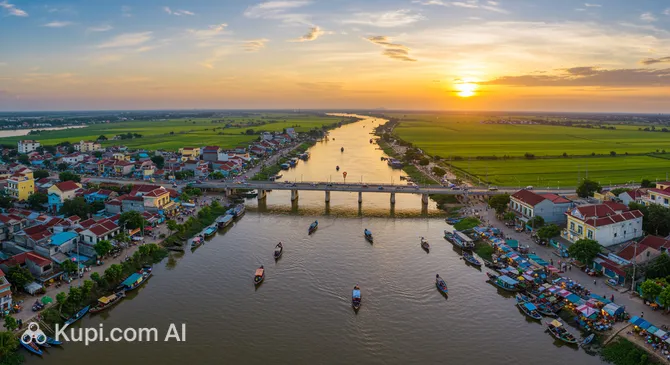
Cao Lanh. Illustration.
Source: Kupi.com AI

Located in a region rich in historical and cultural heritage, Cao Lanh is surrounded by picturesque scenery that gives it a special atmosphere. One of the region's hallmarks is its local cuisine, particularly exquisite lotus dishes that are a must-try. The city is also famous for its historical monuments, most notably the Nguyen Sinh Sac Memorial Site—the father of President Ho Chi Minh—which is an essential place for understanding the country's history.

Cao Lanh actively promotes cultural cooperation, making it an interesting hub for cultural exchange. A visit to this city will allow you not only to enjoy natural beauty and tranquility but also to dive deeper into authentic Vietnamese culture and learn about the rich historical heritage of this amazing corner of Southeast Asia. Cao Lanh warmly welcomes those seeking new experiences and looking to discover something truly unique.

You can find more interesting facts on the history of Cao Lanh page.
Weather Overview

In Cao Lanh, typical tropical weather awaits you: hot all year round! The average air temperature stays in the range from 26.6°C in January to a peak of 29.8°C in April. Prepare for a pronounced wet season from May to October, when rains are frequent and heavy (during these months, there can be from 25 to 29 rainy days), and for a drier period from December to April, when precipitation is minimal—February may even delight you with its complete absence. For a more detailed forecast and climate information, check out the weather in Cao Lanh page.

Average monthly temperature

Average monthly precipitation

Interesting Facts

Besides its picturesque landscapes and hospitable residents, Cao Lanh hides many interesting details and stories that make it truly special. Here are just a few lesser-known facts that will help you see this Vietnamese city from a new perspective:

Nguyen Sinh Sac Memorial. Illustration.
Source: Kupi.com AI

Traveler photos:

  • One of the city's main gems is the Nguyen Sinh Sac Memorial Site, dedicated to Ho Chi Minh's father. Opened in 1977, it includes not only the mausoleum but also a museum and a recreation of the ancient village of Hoa An, where Nguyen Sinh Sac lived. In 2010, the complex was significantly expanded, and its territory now covers a full 9 hectares.

  • Cao Lanh actively participates in cultural exchange, with particularly close ties established with the ancient city of Hoi An. There is even a special cultural space in Cao Lanh dedicated to this cooperation, highlighting the city's commitment to developing interregional cultural links.

  • The city carefully preserves its unique traditions and customs, which are deeply intertwined with its rich history. While Cao Lanh may not be famous for world records, its authentic culture and historical heritage attract those seeking genuine Vietnamese flavor.

How to Get There

When planning a trip to this colorful corner of Vietnam, it's worth knowing in advance how to get to Cao Lanh using the most convenient route. Since the city itself does not have its own airport, travelers will need to use a combined mode of transport: fly to one of the nearest major cities followed by a journey by ground transportation.

The nearest air harbor is Can Tho Airport (IATA: VCA), located in the city of Can Tho. It is only 42 km from the center of Cao Lanh, making it a strategically convenient arrival point, especially for domestic flights. The journey from here by taxi or transfer will take very little time—approximately 1 hour and 20 minutes. This is an excellent choice if you want to minimize travel time by land.

However, most international travelers arrive via Tan Son Nhat (IATA: SGN)—the country's main airport, located in Ho Chi Minh City. This is the largest transport hub with a massive passenger flow, receiving flights from all over the world. The distance to Cao Lanh is about 118 km. Considering heavy Vietnamese traffic, a trip by bus or taxi from Ho Chi Minh City will take about 3–3.5 hours. Despite the longer transfer, this option is often the most affordable in terms of airfare.

For convenience, here is summary information on the main airports:

AirportPassenger trafficDistance
Can Tho Airport1.3 mln42 km
Tan Son Nhat International Airport41 mln118 km
Phnom Penh International Airport2.5 mln148 km
Ca Mau Airport200 000150 km
Phu Quoc Airport4.1 mln182 km

Regarding rail travel, there is no train station in Cao Lanh, and trains do not run here. Railways in Vietnam primarily run along the coast, bypassing the depths of the Mekong Delta. Therefore, the main way to travel between cities remains the road network. The most popular option is intercity buses, especially comfortable "sleeper buses" (buses with sleeping berths) that regularly run from Ho Chi Minh City and other provinces directly to the Cao Lanh bus station.

Main Attractions

The city of Cao Lanh, located in Dong Thap Province, offers travelers several notable sites that allow for a deeper acquaintance with the region's history and culture, as well as a glimpse into modern Vietnamese life.

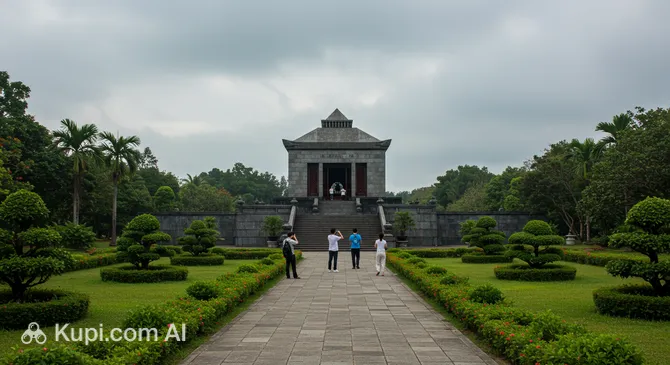
One of the main attractions is the Nguyen Sinh Sac Mausoleum. This memorial structure is dedicated to Ho Chi Minh's father, the respected scholar and patriot Nguyen Sinh Sac. The mausoleum attracts both locals and tourists interested in the history of Vietnam and key figures of the national liberation movement. Visiting this site provides an opportunity to touch upon an important page of the country's past.

Mausoleum of Nguyen Sinh Sac. Illustration.
Source: Kupi.com AI

Traveler photos:

Nearby the mausoleum lies the more extensive Nguyen Sinh Sac Memorial Site. It includes not only the mausoleum itself but also a picturesque lotus pond and a stilt house recreating Nguyen Sinh Sac's lifestyle. This complex is a symbol of the Vietnamese people's deep respect for their history and outstanding personalities, offering visitors a peaceful atmosphere for reflection and learning about the legacy.

Nguyen Sinh Sac Memorial. Illustration.
Source: Kupi.com AI

Traveler photos:

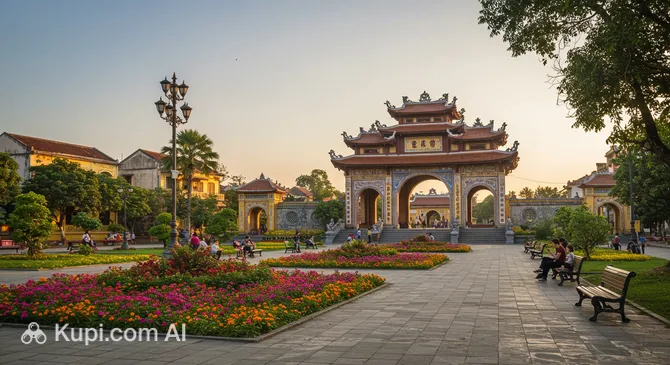
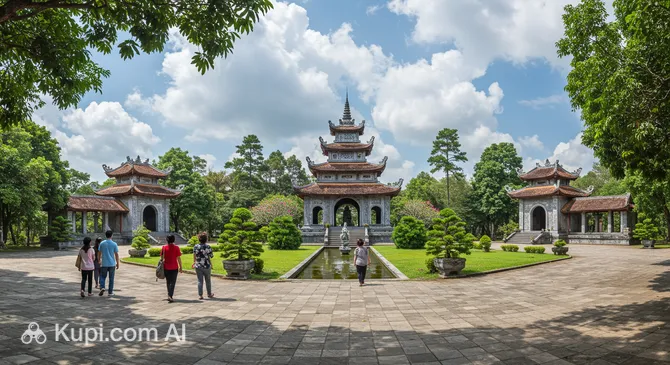
For those interested in cultural and public spaces, Van Mieu Square is well worth a visit. In Vietnam, such squares are often associated with traditional Temples of Literature dedicated to Confucius and education. Van Mieu Square in Cao Lanh likely serves as a venue for city events, a place for residents to relax, and an important cultural landmark for the city.

Van Mieu Square. Illustration.
Source: Kupi.com AI

Traveler photos:

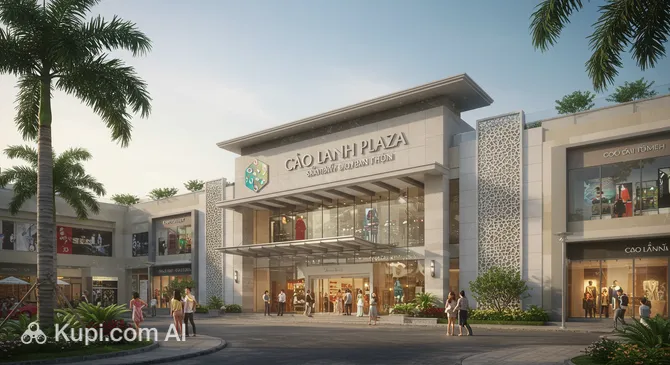
The modern side of Cao Lanh is represented by Cao Lanh Plaza. This shopping center offers opportunities for shopping, entertainment, and exploring current trends. Here you can find a variety of goods, from local souvenirs to well-known brands, as well as grab a bite in one of the many cafes and restaurants. It is a great place to feel the rhythm of modern city life.

Cao Lanh Plaza. Illustration.
Source: Kupi.com AI

Traveler photos:

Local Cuisine

The gastronomy of Cao Lanh is a fascinating journey into the culinary world of the Mekong Delta, where lotus dishes take center stage. This elegant flower here is not just a decoration but a key ingredient that gives the local cuisine its unique taste and aroma. By visiting Cao Lanh, you will discover an amazing variety of dishes prepared from the freshest local products.

Be sure to try various lotus dishes—they are the true calling card of Cao Lanh. Especially popular among them are lotus stem salad (gỏi ngó sen), rice steamed in lotus leaves (cơm hấp lá sen), which acquires a uniquely delicate aroma, and lotus seed desserts. Of course, classic Vietnamese cuisine is also well-represented in Cao Lanh: don't forget to enjoy fragrant pho soup, fresh spring rolls, and various rice and noodle dishes. Local chefs masterfully combine herbs and spices, creating harmonious and memorable flavor compositions.

Among drinks, traditional Vietnamese iced milk coffee (cà phê sữa đá) stands out—strong and sweet, it is perfectly refreshing in hot weather. Freshly squeezed exotic fruit juices, refreshing sugar cane juice (nước mía), and iced green tea (trà đá) are also popular. Beer enthusiasts can try local varieties.

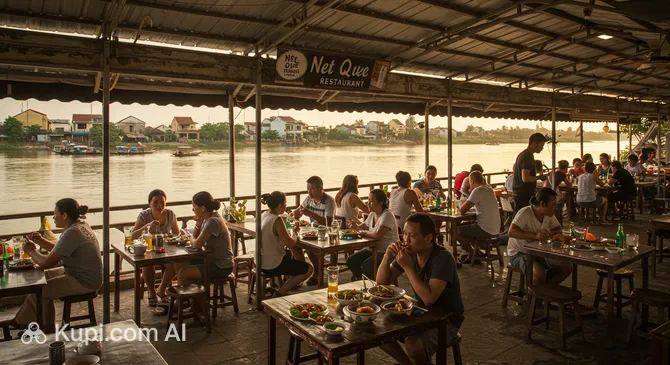
Net Que Restaurant. Illustration.
Source: Kupi.com AI

Traveler photos:

The food culture in Cao Lanh is quite diverse. You can enjoy authentic dishes in cozy restaurants or by tasting street food, which is very popular here and offers a large selection of delicacies at affordable prices. One of the establishments where you can get to know the local cuisine in a pleasant atmosphere is Net Que Restaurant. Be sure to stop by the local markets as well—it's not only a chance to buy fresh fruits and vegetables but also an opportunity to immerse yourself in the city's culinary life, try local specialties, and feel the authentic atmosphere of Vietnam.

Travel Tips

Planning a trip to Cao Lanh? Wonderful! To ensure your journey through this colorful city in Vietnam goes smoothly and leaves only pleasant impressions, we've prepared some useful tips.

  1. Clothing and seasonal items: In Cao Lanh, as in the entire Mekong Delta region, a tropical climate prevails. Bring light, breathable clothing made from natural fabrics. Don't forget a hat for sun protection, sunscreen, and mosquito repellent. In the rainy season (usually from May to November), a light raincoat or umbrella will come in handy. Comfortable walking shoes are a must. When visiting temples and pagodas, choose clothing that covers your shoulders and knees as a sign of respect for local traditions. It's also worth bringing a universal adapter for electrical appliances, as plug types in Vietnam may differ from what you're used to.

  2. Getting around town: The main modes of transport in Cao Lanh are motorcycle taxis (xe om) and regular taxis. It's better to negotiate the price for a motorcycle taxi in advance. Taxi-hailing apps like Grab are also popular. For short distances in the city center, you can get around on foot. Car rental for tourists is not very common and might be unnecessary given the specifics of local traffic.

  3. Financial matters: The local currency is the Vietnamese Dong (VND). You can exchange currency at banks or official exchange offices. Credit cards are accepted in large hotels and some restaurants, but for markets, small shops, and street food, it's better to have enough cash on hand. There are ATMs in the city, but it's better to withdraw money from ATMs located at bank branches. Tipping in Vietnam is not mandatory but is always appreciated for good service (5-10% of the bill in a restaurant or a small amount for a guide/driver).

  4. Health and safety: It is recommended to drink only bottled water. There are pharmacies (nhà thuốc) in the city, but the range of medications may differ from what you're used to, so it's better to bring basic medicines with you. 24-hour pharmacies in Cao Lanh may not be as common, so it's best to buy necessary medicines during the day or check for the addresses of on-call pharmacies in advance, especially those at hospitals. If you need medical assistance, contact local clinics or hospitals; check with your insurance company for coverage terms. Cao Lanh is generally a safe city, but standard precautions are wise: watch your belongings in crowded places and don't leave valuables unattended.

  5. Language and communication: The official language is Vietnamese. English is common in the tourism sector, but knowing a few basic phrases in Vietnamese (e.g., "Xin chào" – hello, "Cảm ơn" – thank you) will be very helpful and will elicit a positive reaction from locals. A SIM card with internet access can be purchased upon arrival at the airport or at mobile shops in town. Wi-Fi is available in most hotels, cafes, and restaurants.

  6. Local etiquette: Vietnamese people are hospitable and friendly. Try to be polite and smiling when communicating. It's customary to greet with a slight bow or a nod of the head, especially to elders. Avoid loud talking and loud emotional outbursts in public places. Before photographing local residents, politely ask for permission.

  7. What to avoid: Do not touch the heads of local residents, especially children, as the head is considered a sacred part of the body. Also, try not to point your feet at people or religious symbols, as this is considered impolite. Avoid public displays of anger or irritation, as the ability to "save face" is valued in Vietnamese culture.

  8. Cao Lanh specialty: The city of Cao Lanh is known for its flower villages and its proximity to Tram Chim National Park, where you can see rare birds, including the sarus crane. If your trip coincides with the lotus blooming period (usually in summer), be sure to visit the lotus fields—it is an unforgettable sight and a hallmark of Dong Thap Province.

We hope these tips help you better prepare for your visit to Cao Lanh and enjoy every moment of your stay in this amazing and authentic corner of Vietnam. Have a great trip!

Entertainment & Nightlife

Evening Cao Lanh offers guests a chance to immerse themselves in a quiet and authentic atmosphere of Vietnamese provincial life, far removed from the noise of major metropolises. Here you won't find many loud nightclubs or fashionable bars open until dawn. Instead, the city charms with the coziness of local cafes, the hospitality of restaurants, and the chance to observe the slow pace of life after sunset.

The main evening activity in Cao Lanh centers around dining at local establishments where you can enjoy regional cuisine. Family restaurants and street cafes offering fresh seafood and traditional Vietnamese delicacies are popular. The atmosphere in such places is usually very relaxed and friendly, with a casual dress code. Many establishments close relatively early, around 10:00-11:00 PM, so it's worth planning your evening accordingly.

For a pleasant dinner, you might consider Net Que Restaurant, which serves local dishes. If you are looking for evening leisure or shopping, some options, including food courts or cafes, may be available at the Cao Lanh Plaza shopping center. Also, look out for local night markets if they are operating during your visit—they are a great opportunity to try street food and buy souvenirs. Evening walks through the central streets or along the riverbank can also be a pleasant way to end the day.

Net Que Restaurant. Illustration.
Source: Kupi.com AI

Traveler photos:

Practical tips for evening leisure in Cao Lanh: The best time to head out is early evening to enjoy dinner and the atmosphere. Prices in local establishments are generally quite affordable. To get around the city in the evening, you can use taxis or motorcycle taxis (xe om). It is recommended to always agree on the price of the trip in advance or use taxi-hailing apps if they are popular in the region.

Regarding safety, Cao Lanh is considered a relatively peaceful city. However, as with any other place, you should observe basic precautions: keep an eye on your belongings and avoid poorly lit or deserted areas late at night. You can usually call a taxi through your hotel or by asking restaurant staff.

During the day, Cao Lanh also offers interesting leisure options. Guests can visit historical sites such as the Nguyen Sinh Sac Mausoleum or the Nguyen Sinh Sac Memorial Site, stroll through parks, or explore the surroundings known for their natural beauty. There may be other cultural sites in the city; it's best to check for details locally.

Parks & Museums

Cao Lanh, a city with a rich heritage in Dong Thap Province, offers its guests immersion into history and culture through iconic memorial complexes and public spaces. Although Cao Lanh may not be famous for extensive park zones in the classic sense, there are places where you can touch the past and enjoy a peaceful atmosphere.

Among the public spaces where you can feel the city's rhythm and relax, Van Mieu Square stands out. This is not just an open space but an important cultural landmark that often serves as a venue for local events and folk festivities. Here you can observe the daily life of the city, and the square itself offers the opportunity for a quiet walk and acquaintance with the local flavor.

Van Mieu Square. Illustration.
Source: Kupi.com AI

Traveler photos:

Cao Lanh carefully preserves the memory of outstanding figures in its history, and this is reflected in its memorial sites. A key place attracting both locals and tourists is the Nguyen Sinh Sac Mausoleum. This majestic complex is dedicated to Nguyen Sinh Sac, the father of Ho Chi Minh, and is a striking example of traditional Vietnamese architecture and landscape design. Visiting the mausoleum allows you not only to learn more about the life of this important historical figure but also to be imbued with an atmosphere of peace and respect.

Mausoleum of Nguyen Sinh Sac. Illustration.
Source: Kupi.com AI

Traveler photos:

Complementing the experience of visiting historical sites is the Nguyen Sinh Sac Memorial Site. This complex, often considered in conjunction with the mausoleum, offers a broader view of the life and work of Nguyen Sinh Sac, as well as the cultural and historical context of that time. This place serves not only to immortalize his memory but also as an educational center telling visitors about significant pages of Vietnamese history and the cultural traditions of the region.

Nguyen Sinh Sac Memorial. Illustration.
Source: Kupi.com AI

Traveler photos:

For a deeper dive into the local atmosphere of Cao Lanh, don't limit yourself only to the main attractions. Stroll through the lively side streets nearby and look into local markets—it's a great way to see the real life of the city and perhaps find authentic souvenirs. Also, look out for the small but colorful pagodas and temples you might encounter along your way—they often hide interesting details and offer moments of peace and solitude away from the city bustle.

Getting Around

Public transport in Cao Lanh is mainly represented by buses and traditional Vietnamese modes of transport. The city is not very large, so moving around it is fairly simple once you master a few basic methods.

The main form of public transport is city and suburban buses. They connect various districts of Cao Lanh and can also take you to nearby settlements. The bus network may not always be obvious to a tourist, so don't hesitate to ask locals or hotel staff about the necessary routes. Schedules can be flexible, and buses run primarily during the day.

The payment system on buses is usually simple: a ticket is purchased directly from the conductor or driver upon boarding. It is customary to pay in cash, so always have small Vietnamese Dong bills with you. The fare is generally low and depends on the distance. Specialized tourist passes or transport cards common in large metropolises are likely not available in Cao Lanh.

In addition to buses, motorcycle taxis (xe om) are widespread in Cao Lanh. This is a very popular and fast way to travel short distances. A driver can be found at almost any busy intersection. Always agree on the price of the trip in advance, before getting on. Regular taxis are also available and can be called by phone or found at designated ranks. Some taxis may be equipped with meters, but it is also a good idea to clarify the approximate cost of the trip beforehand. In recent years, taxi-hailing apps for cars and motorcycles (such as Grab) have been gaining popularity in Vietnamese cities; check their availability upon arrival.

For more independent movement, you might consider renting a motorbike or bicycle. This will allow you to explore the city and its surroundings at your own pace. Rental points can be found in tourist areas or by asking at your hotel. Remember to follow traffic rules and wear a helmet when riding a motorbike.

Practical tips for tourists: * Always carry cash in small denominations for fares. * When using a motorcycle taxi (xe om), clearly negotiate the price before the trip starts. * If you're unsure about a bus route, it's best to verify information with locals or the driver. * Main transport flows are active during the day; the amount of public transport may decrease in the evening. * Write down your hotel address in Vietnamese to show to a taxi or xe om driver if needed.

Accommodation

Planning a trip to Cao Lanh, you will find a variety of accommodation options to suit different preferences and budgets. The city offers a choice ranging from economical guesthouses and small hotels to more comfortable mid-range hotels. Apartment rental options are also available, which can be convenient for families or those planning a longer stay.

While there isn't one clearly defined tourist district in Cao Lanh where all hotels are concentrated, most accommodation options are conveniently located in the central part of the city or near key infrastructure and attractions. For example, choosing housing near places like Cao Lanh Plaza will ensure easy access to shops, restaurants, and transport hubs.

Cao Lanh Plaza. Illustration.
Source: Kupi.com AI

Traveler photos:

Currently, there are no specific hotel examples for Cao Lanh in the provided data. Nevertheless, you can find suitable options by exploring offers on popular online booking platforms or contacting local tourism resources. The price range varies from budget options to mid-level offerings.

To guarantee the best choice and prices, especially if your trip coincides with the peak tourist season or during local festivals, it is recommended to book accommodation in advance. Most hotels and guesthouses in Cao Lanh can be booked through well-known international and local online services, as well as directly by contacting the management of your chosen place of stay.

Nearby Cities

For those who want to explore the surroundings, Cao Lanh serves as an excellent starting point for day trips to several interesting nearby places:

CityPopulationDistance
My Luong15 54017 km
Sa Dec213 61022 km
My Hoa33 41324 km
Long Xuyen278 65825 km
An Chau9 41627 km

Each of these cities offers its own unique experiences. Can Tho, the heart of the Mekong Delta, is famous for its lively floating markets, especially Cai Rang, and the picturesque Ninh Kieu wharf. In Long Xuyen, you can visit a less crowded but authentic floating market and explore local temples. Rach Gia, a coastal city, is the gateway to islands including Phu Quoc and is interesting for the Nguyen Trung Truc Temple. Sa Dec is known for its colorful flower villages like Tan Quy Dong and the Huynh Thuy Le house, linked to the novel "The Lover." Vinh Long offers immersion into Vietnam's rural life with its fruit orchards, pottery workshops, and ecotourism opportunities on An Binh and Binh Hoa Phuoc islands.

These nearby destinations provide insight into the diverse culture and landscapes of the Vietnam region. Each of these cities offers unique attractions, whether it's vibrant floating markets, ancient pagodas, or scenic natural landscapes, making them a wonderful addition to your trip to Cao Lanh.

Shopping & Souvenirs

Shopping in Cao Lanh offers tourists the chance to immerse themselves in local trade culture and purchase authentic goods and souvenirs. The city is not famous for massive malls of global brands, but here you can find interesting local products, fresh food, and feel the color of a Vietnamese market. The main emphasis is on locally produced goods and daily necessities.

Main shopping spots in Cao Lanh are concentrated along the city's central streets and around the markets. Here you will find many small shops, stalls, and street vendors offering clothing, shoes, household goods, and, of course, a variety of food products. Walking through these areas will allow you not only to make purchases but also to observe the daily life of the residents.

While Cao Lanh is not a hub for fans of large shopping complexes, there are modern shopping points in the city. One such place is Cao Lanh Plaza, where you can find a supermarket, clothing stores, electronics, and a food court. It's a convenient place for those who prefer more organized shopping in an air-conditioned space.

Markets are the heart of trade in Cao Lanh. The city's Central Market is a lively place where life bustles from early morning. Here you can buy the freshest fruits, vegetables, seafood, meat, spices, and ready-made food. Besides food products, markets often sell inexpensive clothing, household items, and souvenirs. Visiting a local market is a great way to get to know the culture and lifestyle of the region.

Traditional Vietnamese souvenirs are worth bringing back from Cao Lanh. Look for silk products, ceramics, lacquerware, and woven baskets. Since Dong Thap Province is known for lotus cultivation, look for products related to this flower: lotus tea, lotus seeds, or items featuring its image. Local sweets and dried fruits are also popular.

Shops in Cao Lanh are typically open from the morning (around 8:00-9:00 AM) and work until evening (7:00-9:00 PM). Markets start their work very early, often at dawn, and may close by lunch or work until late evening, especially the food stalls. The main method of payment, especially in markets and small shops, is cash (Vietnamese Dong). In large stores and shopping centers like Cao Lanh Plaza, bank cards may be accepted.

The possibility of a tax refund (Tax Free) exists in Vietnam, but it generally applies to large purchases made in participating stores and is processed at international airports upon departure. For everyday purchases in Cao Lanh, this system will likely not be relevant.

Reached the end of the page?

That means the route is fully explored